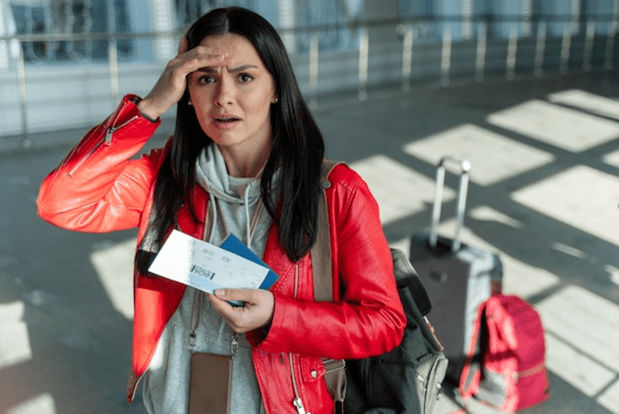
There’s nothing quite like the excitement of packing your bags, heading to the airport, and jetting off to a new destination full of adventure, street food, and photo ops that’ll light up your Instagram, but let’s be real for a second: nothing ruins the vibe of a trip faster than falling for a travel scam.
Travel scams can hit when you least expect them, especially when you’re somewhere unfamiliar, tired, or just too happy to be finally on vacation to notice the red flags. Whether it’s someone pretending to be your taxi driver, a deal that’s too good to be true, or those sneaky “tourist taxes” that magically appear on your bill, it’s wild how creative scammers can get. But the good news? You don’t have to fall for it.
You don’t need to become a jaded traveler or second-guess everyone who offers to help you with directions. You just need to be a little bit savvier and know what to look out for. So let’s break it down: here are five of the most common travel scams and more importantly, how you can outsmart every single one of them.
1. The “Too-Good-To-Be-True” Booking Scam (A.K.A. the ASAP Travel Scam Style)
Imagine this: you’re scrolling online, looking for a last-minute flight deal because your wanderlust kicked in hard, and suddenly BOOM! you stumble on a ridiculously cheap airfare that feels like the universe just blessed you. Maybe it’s from a site you haven’t heard of, like one that looks kinda-sorta legit with a professional logo, some reviews, and a timer that’s screaming “BOOK NOW! 2 SEATS LEFT!”
You enter your card info, hit confirm… and then nothing. No confirmation email. No e-ticket. Just radio silence.
Congrats, you may have just run into what’s known around the internet as an ASAP travel scam style of fraud. These fake travel sites or “agencies” create a false sense of urgency, luring people with unbelievable deals that are just that – unbelievable. By the time you realize it’s a scam, your money’s long gone, and the customer service number goes straight to voicemail (if it exists at all).
How to Outsmart It:
If you’re booking through a site you’ve never used before, stop and do your homework first. Look for third-party reviews (not just ones on their site). Make sure the URL starts with “https” (yes, the ‘s’ matters), and check for any sketchy spelling errors. Most importantly, if a deal feels way too good, compare it to offers on well-known booking platforms like Google Flights, Expedia, or Skyscanner. Also, use a credit card, not a debit card. Credit cards usually come with better fraud protection.
2. The Taxi Meter Magic Trick
You’ve just landed in a new country, it’s hot, you’re exhausted from the flight, and all you want is to get to your hotel, take a shower, and start exploring. You grab a cab from the airport taxi stand or worse, one that flagged you down and the driver seems super friendly. But then, halfway through the ride, you notice there’s no meter running. Or maybe there is one, but it’s moving like it’s trying to set a world record.
You arrive at your hotel, and the driver announces some wild price like three times what you expected. You argue, but you’re in a new place, you don’t know the rules, and now there’s tension in the air.
Taxi scams are everywhere, from Southeast Asia to Eastern Europe to South America, and they rely on tired, distracted travelers who don’t know how much a ride should cost.
How to Outsmart It:
Before you even step into a cab, research average fare prices to your destination. Even better? Use ride-sharing apps like Uber, Lyft, or Bolt (depending on the region), which give you upfront pricing and avoid all the awkward haggling. If you do need to take a taxi, make sure it’s licensed (many countries have color-coded or branded taxis), and always agree on a price or make sure the driver turns on the meter before the ride begins.
3. “Free” Bracelets, Roses, or Souvenirs That Suddenly Cost You
You’re walking through a plaza in Rome, Paris, or Marrakech, soaking in the beauty of the city, when a smiling stranger approaches. Maybe they offer to “gift” you a woven bracelet, or place a rose in your hand while saying it’s free, just for you. Before you can process what’s happening, it’s on your wrist, in your hand, or your bag and now they’re demanding money.
Even worse, sometimes there’s a second person standing nearby, watching, waiting to intimidate you if you refuse to pay. It’s a classic bait-and-switch scam that relies on the fact that once someone gives you something, especially while being nice you’ll feel obligated to return the gesture.
How to Outsmart It:
This one’s all about being assertive and aware. If someone tries to hand you something you didn’t ask for, don’t take it. Say “no thank you” firmly and keep walking. Don’t let strangers put anything on your body – bracelets, necklaces, headbands, nothing. It’s not rude to protect your boundaries, and if someone insists, that’s their problem, not yours.
4. The “Closed Hotel” or “Full Train” Lie
You hop off a bus or train and you’re greeted by someone, maybe a helpful-looking local or even a “tourist guide” who tells you that the hotel you booked is closed for renovation or has a “plumbing problem.” Or maybe you’re told that the train or bus you planned to catch is full, canceled, or unavailable unless you go through their service. And surprise, they happen to know a “better” option.
Of course, this better option is often a much more expensive hotel, a tour agency they get commission from, or even a totally fake place.
This scam plays on urgency and confusion. When you’re in a rush and feel uncertain, it’s easy to trust someone who seems to have local knowledge.
How to Outsmart It:
Don’t take anyone’s word at face value. If someone says your hotel is closed, call the hotel yourself and double-check. If they say the train is full, go to the official counter or use the official app. Scammers rely on tourists panicking or rushing, so even taking two minutes to check things yourself can save you a ton of money and stress.
Bonus tip: Save all your booking confirmations and emergency contacts offline (like in a Google Doc or in your phone notes) so you can access them even without Wi-Fi.
5. Fake Police or Authority Figures
This one’s especially terrifying the first time it happens. You’re walking around and someone in a uniform approaches you, flashes a badge, and says they need to inspect your documents, wallet, or bag. They may say it’s a routine check or that they’re cracking down on fake currency, counterfeit bills, or drugs.
It feels official, and you might panic. But in many cases, these aren’t real police, they’re scammers in disguise. And once they’ve got your ID or wallet, they either demand a “fine” on the spot or simply steal your cash and disappear into the crowd.
How to Outsmart It:
Real police rarely stop tourists without good reason. If someone does approach you claiming to be police, stay calm and ask to see an official ID. Better yet, insist on going to the local police station with them before handing over anything. Keep your valuables in a money belt or hidden pouch under your clothes so that if something sketchy does happen, they can’t easily grab your stuff. And avoid carrying your passport unless absolutely necessary, keep a photocopy and leave the original in a safe at your hotel.
A Few More Sneaky Scams to Watch For
Honestly, we could write a book about all the ways people try to scam travelers (and maybe someone has), but here are a few other scams that happen more than they should:
- ATM Helpers: Someone offers to “help” you withdraw cash and memorizes your PIN before swapping cards or stealing your money.
- Photo Op Traps: Street performers or animals (like snakes, monkeys, birds) are offered for “free” photos, and then they demand tips after the fact.
- Wi-Fi Scams: Free public Wi-Fi with sketchy names can be set up by hackers to steal your data-always use a VPN.
- Fake Wi-Fi Login Screens: You connect to a free hotspot and a login screen pops up asking for your email, password, or even credit card details huge red flag.
A Word on Travel Insurance (and Why You Do Need It)
We get it, buying travel insurance doesn’t sound sexy. But if something does go wrong, you’ll be glad you did. From canceled flights and stolen bags to medical emergencies or being a victim of a travel scam, good travel insurance can seriously save your trip (and your wallet).
Pick a reputable provider, read the fine print (yes, you actually have to), and make sure scams, theft, or fraud are covered under your plan.
One Last Reminder
You don’t have to walk around every destination paranoid and clutching your bag like it holds the crown jewels. Travel is beautiful, eye-opening, and absolutely worth it. But being smart about travel scams just means you’ll enjoy your trip without the unnecessary headaches, drama, or “how did I not see that coming?” moments.
Whether it’s avoiding an ASAP travel scam, staying sharp in the back of a cab, or dodging those fake roses in a romantic plaza, the key is to stay curious, stay alert, and remember that even if something goes wrong, it’s all part of the journey (and probably a pretty hilarious story later).
Oh, and if you ever find yourself in a tight spot with someone trying to sell you duct cleaning while you’re sipping sangria in Spain, you might be dealing with a marketing legend from sanitairllc. Just kidding (but also, not really those companies are everywhere).
Outsmarting Travel Scams Comes Down to This:
- Always book with trusted platforms, and do a quick background check if you’re not sure.
- Don’t trust people who approach you first with too much help or urgency.
- If someone wants you to pay on the spot and you feel weird about it, listen to your gut.
- Keep backups of all your travel docs and payment methods.
- Most importantly? Don’t let fear stop you from exploring.
So pack your bags, update your playlist, charge your phone, and go make those travel memories, but this time, with your scam radar turned way up.
When you’re ready to take a break from worrying about all the possible travel scams out there, enjoy some fantastic popcorn snacks!
Image courtsey of www.freepik.com.
 The Independent Tourist