hiking

Hidden Gems: Lakes and Waterfalls in Colorado Worth the Hike

Colorado is a western US state. The second name of Colorado is the Centennial State. The capital of Colorado is Denver. Colorado’s capital is known as the Mile High City due to its elevation at 5,280 feet above sea level. Colorado is famous for its Rocky Mountain outdoor adventures and stunning landscapes. It is also known for its picturesque valleys and vibrant cities. For adventure and nature lovers, Colorado is a heaven because it offers many activities like hiking, skiing, rafting, and camping. From native American heritage to ghost towns and cattlemen’s culture, Colorado is full of history.

Hidden Gems of Colorado

Colorado is a place full of hidden gems. All the hidden gems of the state reveal beauty. It is also famous for ski resorts and National Parks. Colorado is also renowned for its theatrical views and endless outdoor amazements. The sunrise with golden rays in the blue sky looks so mesmerising in the Colorado Rocky Mountains. Rocky Mountain National Park, Garden of the Gods, Maroon Bells, Mesa Verde National Park, Great Sand Dunes National Park, Colorado National Monument, and Hanging Lake are some of the beautiful spots in Colorado. Colorado’s natural beauty is a blend of variety, adventure, and harmony. Each season makes Colorado a magical place. The stunning lakes and must-see waterfalls of Colorado are famous in the world. All the lakes and waterfalls of Colorado make it special among visitors.

Maroon Lake

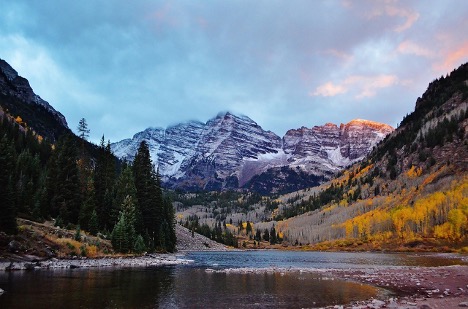
From Aspen, Maroon Lake is 10 miles away. It is one of the most legendary and photographed places in Colorado. The beauty of Maroon Bells area changes in every season. Maroon Lake is an ideal place for hikers. The Maroon Lake trail provides scenic views or an easy walk. Maroon Lake is a bell-shaped, wine-coloured lake, taken from the reddish-maroon color of the peaks behind it, called the Maroon Bells. Hiking in the Maroon Bells area gives you access to mesmerising views and 14,000 foot peaks.

Crater Lake

Also near Aspen, Crater Lake is a hidden gem. For hiking, photography, and picnicking, this space is famous among visitors. The lake is not very deep and is smaller in size. It is surrounded by amazing natural beauty, and you can also see the tall Maroon Bells from the crater lake. From Maroon Lake, you can reach it after hiking about 3.6 miles in summer, where you can experience the flowers. The golden aspen trees make it more beautiful in the fall; it looks like a postcard from right above Maroon Lake. Hiking the path shows you beautiful aspen trees and mountain views. 

Blue Lakes

One of the most breathtaking places in the Alpine treasures is the Blue Lakes. It is known as Blue Lakes because of its turquoise waters and stunning mountain backdrops. For hiking, hikers cover 8 miles round-trip to reach the path, which is considered challenging. The lower, middle, and upper are the three lakes in the Blue Lakes chain. Lower Lake is the largest one, and it is easier to reach. It is filled with turquoise water. Upper and Middle lakes are smaller in size, but closer to the 14,150 ft. peak of Mount Sneffels. The best time to visit the Blue Lakes is in late June to September. During this time, the trail is clear of snow. For hiking, fishing, and camping, this place is famous among travellers.

Helen Hunt Falls

Near Colorado Springs, Helen Hunt Falls is located in North Cheyenne Cañon Park. This fall is very accessible to visitors. By car, you can easily reach the base of the waterfall. For families and casual travellers, it is a popular stop. A short trail leads you to the top of the Falls, which offers you stunning views of the surrounding canyon. In late spring and early summer, this area is most beautiful. Autumn also brings vibrant colours that make the waterfall perfect. Helen Hunt Falls is a must-see falls in Colorado.

Seven Falls

The most famous falls in Colorado are Seven Falls, near Colorado Springs. Water flows down from the seven different spots, which is why it is known as the seven falls. This series of falls is about 181 feet tall. To see it from above, travellers climb the 224-step staircase. There are trails for hiking with views of rock cliffs and forest near the falls. You can also experience wildlife like deer and birds near the Fall.

Zapata Falls

Near the Great Sand Dunes National Park, Zapata Falls is a hidden waterfall. Inside a small rocky canyon, it falls from 30 feet. To experience this fall, visitors hike a short half-mile trail. It is a part of the fun and adventure reaching the Zapata Falls. The water freezes into stunning blue and white ice in the winter.

Conclusion

Colorado is a place where dreamy vibes and the ancient charm of the city truly captivate your heart. Colorado’s lakes and waterfalls are beautiful treasures in the state. The Peaceful, emerald green water of Alpine lakes and the turquoise water of Crater Lake are must-see wonders. Travellers enjoy hiking through the forest for breathtaking views as they climb the mountains. For peace, enjoy the sound of the water. If you are planning a trip, then you must consider Colorado as part of your itinerary.

Featured image courtesy of pixabay.com.


Visiting Yosemite National Park – Some Images and Tips

As much as I’ve traveled within the U.S., once place I’d never visited until this year was Yosemite National Park in California. When we bought a camper van last year we put Yosemite on our list as one of the places we definitely wanted to visit. Yosemite is certainly one of the most stunningly beautiful places I have ever been, and the world knows it. You will find many Californians here (of course), plus people from around the world – we heard a lot of different languages being spoken on the trails and around the sights.

Yosemite Falls

You can hike to the base of Lower Yosemite Falls if you don’t mind scrambling over big granite boulders – it was fun!

Merced River

Glacier Point Road

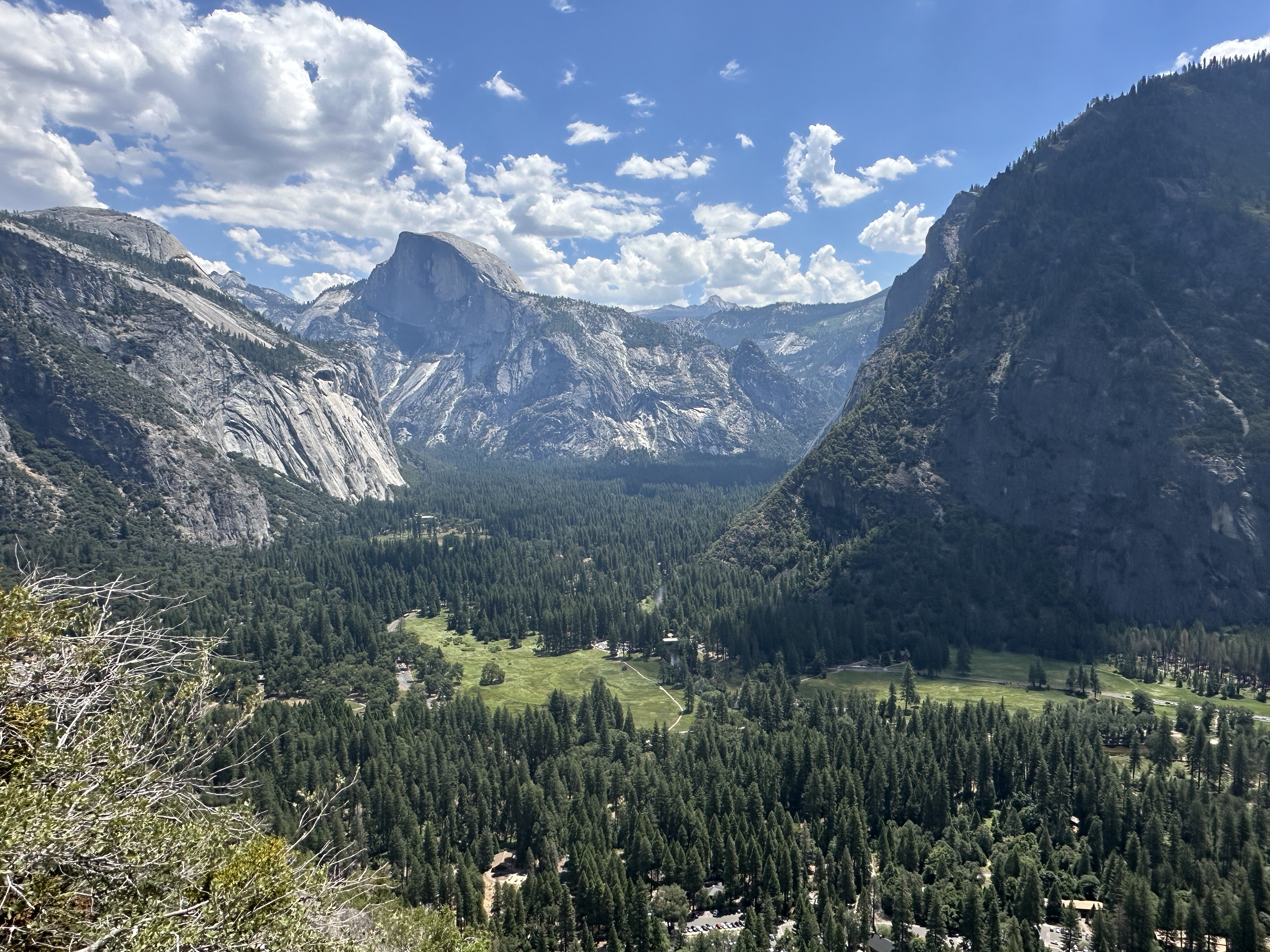
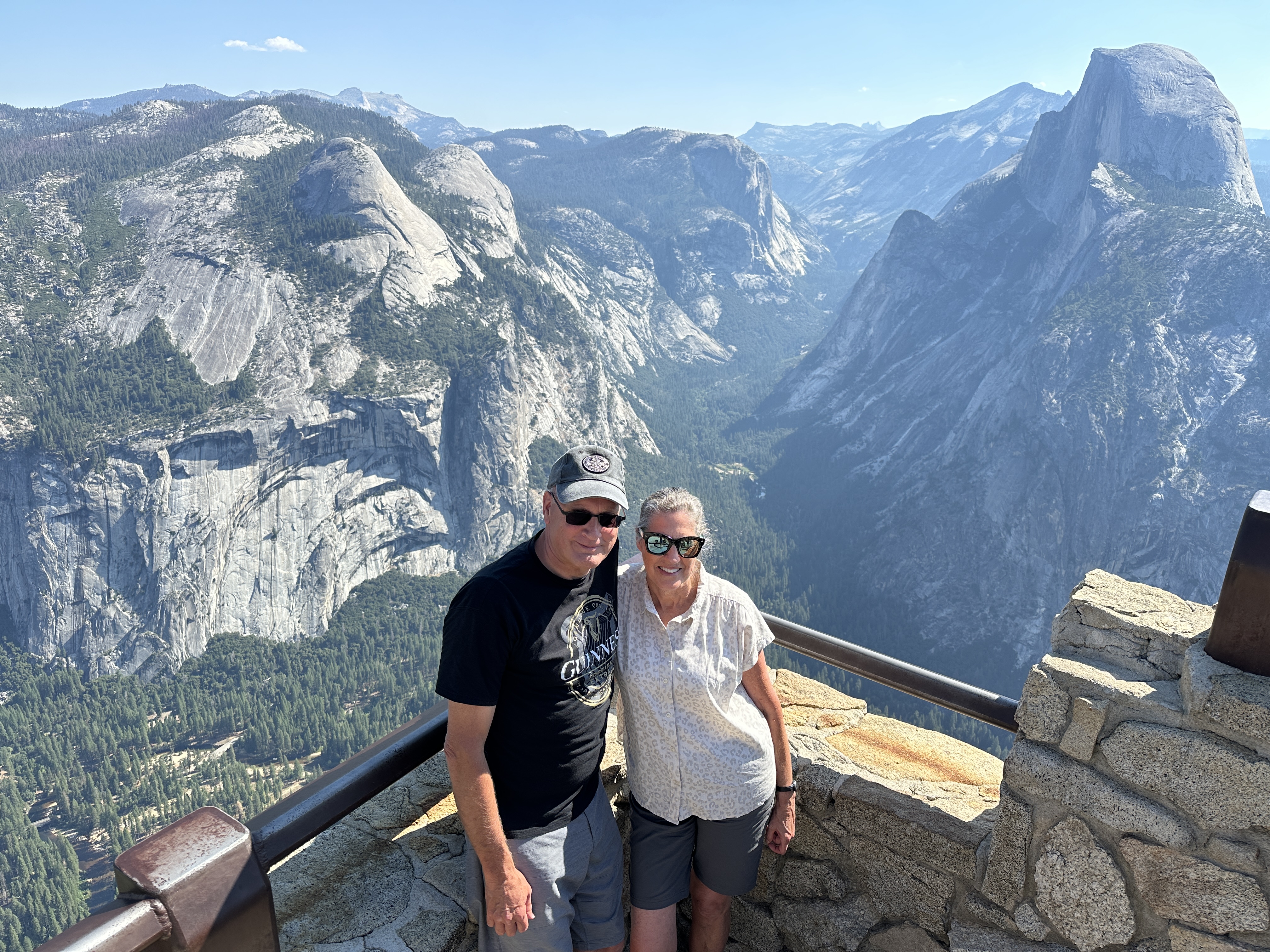
This 30 mile (or so) drive from Yosemite Valley is so worth it! The views from Glacier Point are awe-inspiring. If you plan ahead, you can get a tour shuttle up to the Point and take a steep one-way hike down to the Valley (about 4 miles). If I had been smart, we would have done this – the shuttle was already full when I called just a day or two in advance. There’s lots of parking at Glacier Point, but it does fill up – the good news is that people are coming and going all day long. There’s also a small gift shop and restrooms at the Point.

This was the view (called Tunnel View) coming down from Glacier Point- every spot is a “Kodak Moment!”

Mirror Lake

Another great short hike (or bike ride most of the way) in Yosemite Valley (from Upper Pines campground) is to Mirror Lake, formed by Tenaya Creek. The lake is seasonal and in July it was more of a wide spot in the Creek, but with nice sandy play area!

Tips for Camping In Yosemite

If you want to camp within Yosemite and especially within Yosemite Valley, you need to plan (way) ahead. We started looking at campgrounds in February for a July trip and learned there is a four month rolling reservation window, meaning we had to book our campsite in March for July dates. We wanted to be in the Yosemite Village area, right in the heart of Yosemite Valley for my first visit (my wife had visited Yosemite as a child with her parents on several occasions). We spent 3 nights/2 full days in the Park. This was long enough to give us a good introduction to Yosemite. If you wanted to hike a lot of trails and explore the far reaches of the Park, then you might want to spend a week here.

Camping in Yosemite Valley has its pluses and minuses. The main plus is that you are very close to the well-known Yosemite attractions, the main minus is the lack of solitude. Even if you book (on recreation.gov) at the right time and date (at 7 am Pacific exactly 4 months from the date of your planned visit) there is no guarantee you will get a camping spot, they fill up within seconds of being released. We were lucky and were able to get a spot in Upper Pines Campground, right next to the Merced River, almost directly below Half Dome and within minutes of many Valley attractions. I wish I had taken photos of the campground. Don’t expect privacy – the campgrounds are always full, the spots are close together with a few pine trees scattered about. Bear lockers are provided and essential. While the campgrounds have the standard restrooms and water spigots, I don’t believe any of the campgrounds have RV hookups (e.g., water, electricity, sewer), but they do have dump stations where you can take care of your RV’s needs. There are several small stores in the Valley where you can get supplies and snacks, and several restaurants as well.

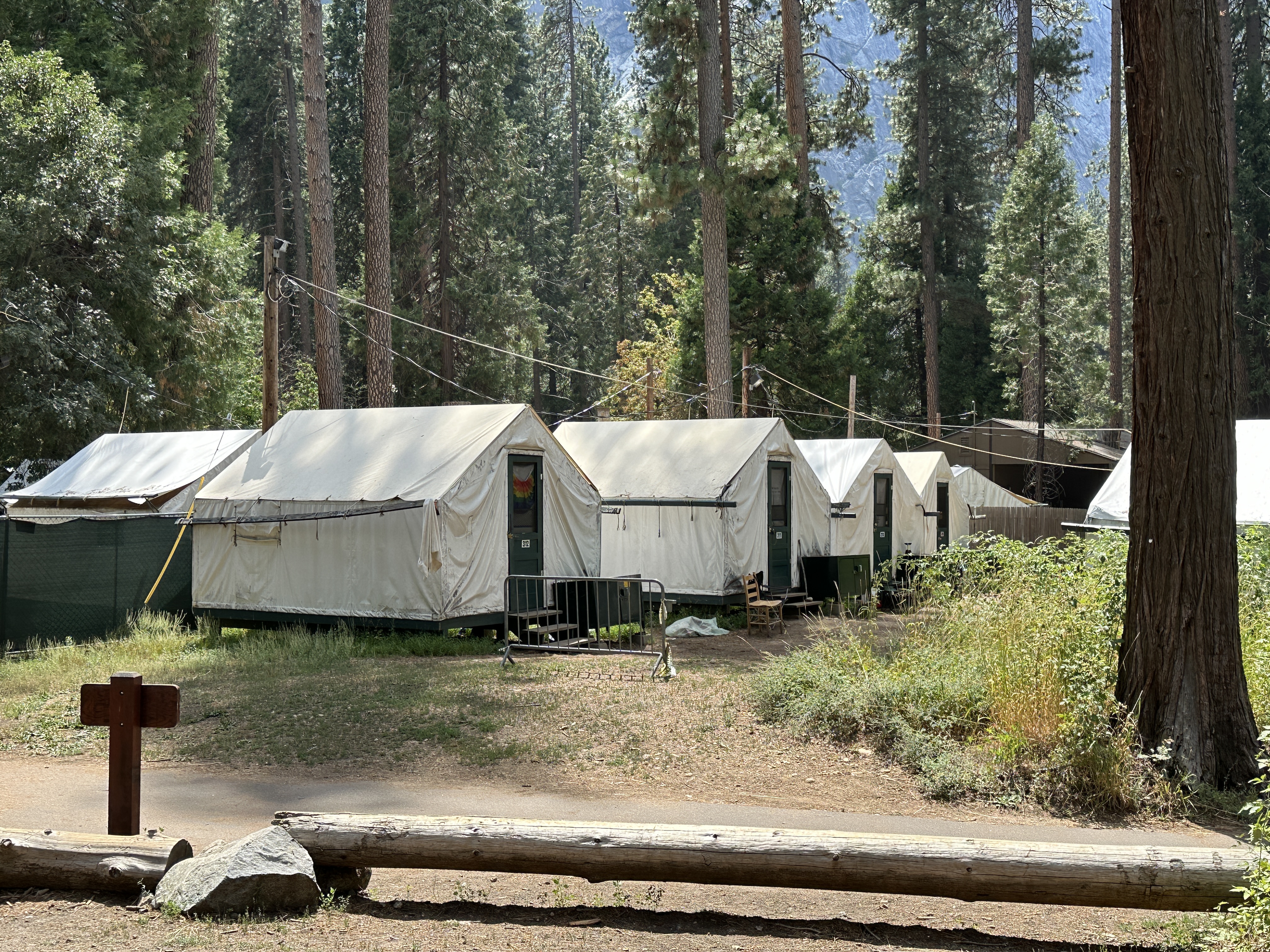
In addition to typical tent/RV campgrounds, you will find other accommodation options in the Park – from luxurious lodges to cabins, established tent communities and prison-like bunks in semi-open cinder block structures that have a table and not much else (the least appealing option in my mind, these are located in Housekeeping Village).

Some of the canvas tent accommodations available at Curry Village in Yosemite National Park.

Since we were on an extended camping trip (having also visited Lake Tahoe and Sequoia National Park as part of the same trip), access to laundry and shower facilities was helpful, these can be found at Curry Village and Housekeeping Village.

Getting Around

Given the volume of traffic and day trippers into Yosemite, car parking can be a challenge. If you can, bring your bicycle and leave your car or truck at the campsite, bikes are a great way to get around Yosemite Valley, the Village and adjacent hiking trails. I was glad we brought our bikes. You can also rent bicycles there.

Other Tips

The roads in Yosemite National Park are narrow, steep and windy, so driving is slow–it’s a big Park, so plan your time accordingly. During the summer months, if you do not have a camping (or other accommodation) reservations inside the Park you will need a timed reservation just to enter the Park, even for a day visit. The lines to enter the Park on a summer morning can be long (miles long). We came in via the Big Oak Flat entrance on the western side of the Park in the afternoon and had no wait. We left via the southwest entrance (Wawona, near Fish Camp) and saw a very long line of cars waiting to enter the Park at around 9 am. There are public buses that come to Yosemite as well from neighboring towns, and this might be an option depending on how long you want to stay.

I know my comments above may scare you away from visiting Yosemite, but in spite of the crowds, it is definitely worth the effort, just plan ahead and figure out your best options.