
The Caribbean is a region in the Americas, centered around the Caribbean Sea in the North Atlantic Ocean, and mostly covering the West Indies. The Caribbean region is renowned for its diverse marine life, rich cultural mix, cobalt blue waters, and glorious beaches. The United States, part of this region, is home to some important coral reef ecosystems.
Visit the Caribbean During Festivals and Cultural Activities
Geographically, the Caribbean region is mainly a chain of islands surrounding the Caribbean Sea. To the north, the region is enclosed by the Gulf of Mexico. To the south lies the coastline of the mainland of South America. It is a culturally diverse area with a complex history shaped by imperialism, and the region’s identity is affected by things like language, economy, and geopolitics. If you’re wondering about the closest Caribbean island from the UK, this region offers several fascinating options to explore. Learn about Caribbean culture through festivals.
Caribbean culture is profoundly intertwined with its colourful festivals, particularly carnival, which provides a window into the region’s history, traditions, and identity. These celebrations offer a unique mixture of African, European, and domestic influences, reflected in music, dance, costumes, and food.
January – History and Music in Jamaica
Jamaica greets the start of the year with a music festival. Jamaican music history reflects the island’s complex cultural heritage. Especially in January, Jamaica is a vibrant mixture of history and music. The music scene is rich with festivals and events that celebrate the island’s musical heritage.
February – Carnival Magic Starts
February is carnival time. Many Caribbean islands celebrate carnivals in February. Famous locations are Trinidad and Tobago, Puerto Rico, and Martinique. These carnivals are often timed to coincide with the Catholic Lenten season. Music, costumes, and joy fill the streets. Most visitors arrive in the region on British Airways or connect from Asia on flights to Manila with Philippine Airlines.
March – Jazz and Seafood
In March, the Caribbean offers several options for experiencing jazz and seafood. Especially, the St Lucia Jazz and Art Festival is a prominent event. Shellfish, including mussels, oysters, langoustine, and lobster, are plentiful for your March platters.
April – Spring Carnivals Bloom
April is colour and culture. Many Caribbean islands host carnivals in April. Notable examples are the Jamaica Carnival, which usually falls in the week after Easter. And one of the main carnivals is St. Thomas Carnival of the U.S. Virgin Islands. These carnivals are known for colourful parades, parties, and celebrations of culture and music.
May – Crystal Clear Water
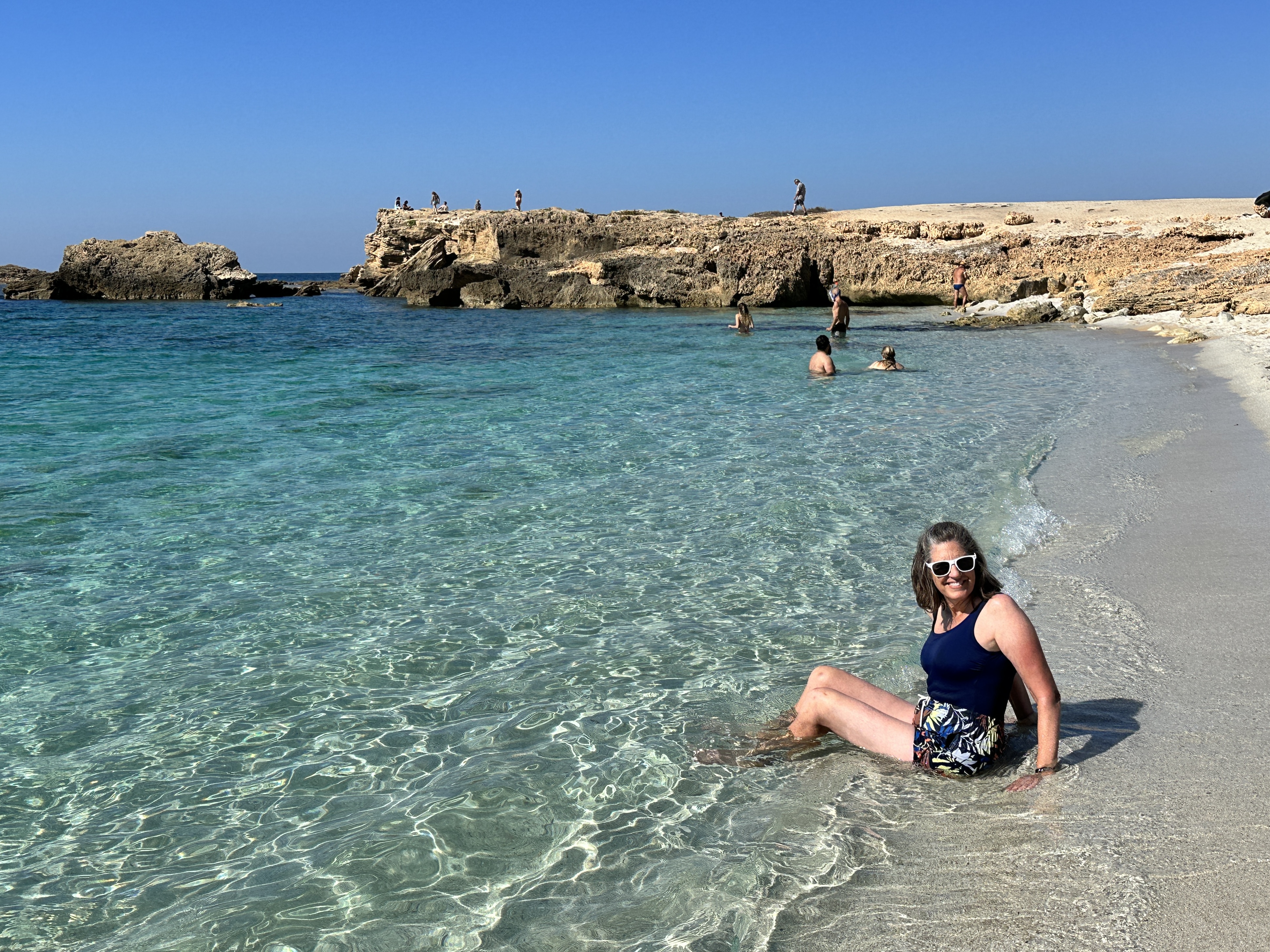
May is a magical time in the Caribbean. As the winter season winds down, islands begin to offer quieter, vibrant, and sunny weather. May is the time for a holiday in the Caribbean. The crystal clear blue waters are warm at this time of the year, perfect for snorkelling or swimming.
June – Hurricane Season
June in the Caribbean usually marks the start of the wet season and hurricane season, but with warm, sunny, and bright weather, often with occasional showers. June is also a low season travel time, with lower prices and fewer tourists.
July – Big Celebrations Arrive
July is a good and fun time to visit the Caribbean. Each year in July, the island of St Lucia turns into a massive celebration filled with elaborate costumes, spirited rhythms, parades, and pure Caribbean energy. Book early because British Airways and Philippine Airlines flights are popular.
August – The Festivals’ Peak
North America’s largest festival happens in August. August is party time. The Havana Carnival, a long-standing tradition, is held in August. From late July to early August, Antigua Carnival is an important cultural event.
September – A Quiet Cultural Escape
September is known for many festivals, including the Belize Carnival, which celebrates the mix of Mayan, African, and European roots with street theater, music, and costumes. In September you should be aware of potential weather conditions.
October – Music and Food
October in the Caribbean generally offers warm temperatures and fewer crowds, but also comes with the potential for increased rainfall and the tail end of the hurricane season. October is Creole Heritage Month in the Caribbean. This event is a celebration of the richness and diversity of St Lucia culture.
November – Reflection and Celebration Time
In the Caribbean, November is a month of various cultural celebrations. The second week of November marks the start of carnival celebrations in St Kitts known as Sugar Mas. November marks the end of hurricane season. It is a great time to find travel discounts. British Airways and Philippine Airlines offer discounts earlier in the year.
December – Holiday Joy Caribbean Style
December is a festival of lights, starting with a lantern competition in the first week of December, leading up to a parade of lanterns on December 12, the evening of Saint Lucia Day, which is followed by a Christmas show. Many tourists come early to lock in good prices.
Planning a Trip for Culture
Double-check the dates before booking. Festival dates change each year. If you are travelling from Asia, Manila flights can take you to the Caribbean. Both Philippine Airlines and British Airways offer efficient service with easy transfers.
Feel the Heart of the Caribbean
To feel the heart of the Caribbean, one needs to experience its vibrant culture, natural beauty, and unique blend of influences. This can be done through exploring local markets and enjoying the music and dance – tasting the diverse cuisines and interacting with warm people.
Post courtesy of Luna Jack. Luna Jack is a passionate travel blogger who explores hidden gems and iconic destinations worldwide. Her blog shares travel tips, cultural insights, and captivating stories to inspire others to embark on their adventures. From bustling cities to tranquil escapes, Luna brings each journey to life with vibrant storytelling and practical advice.
Featured image courtesy of: Unsplash.











 The Independent Tourist