Author: Paul Terry

I love to travel. I've been fortunate to visit about 75 countries so far. I prefer to travel independently to get off the beaten path a bit. I also try to find good deals to make my travels more affordable.

Hobbiton Tours: Experience the Magic of Middle-earth

Last year we took a two-week Holland America cruise that started in Sydney, Australia and ended in Auckland, New Zealand. Once we got off the cruise ship in Auckland, we flew south to Queenstown (South Island), rented a car and then worked our way north along the west coast of the South Island and then returned to the North Island via ferry. While on the North Island, one of our stops was Hobbiton. I will admit I am a not a bonafide “Lord of the Rings” fan (I’ve seen the movies, but did not read the books except for “The Hobbit” when I was a teenager). However, visiting Hobbiton was really quite interesting and it’s perhaps the most significant tourist site on the North Island.

If you visit, you check in at the visitor’s center. You will be assigned to a tour group of about 40 people and then take a 10-minute bus ride at the appointed time to The Shire (the Hobbiton movie set), located nearby. Tour groups run about every 15 minutes, eight hours a day during the tourist season.

You will have a friendly and knowledgable tour guide for your visit. At the end of the tour you will be given a free drink at the Hobbiton pub before returning to your shuttle bus and heading back to the visitor’s center. You should allow at least 2-3 hours for your visit.

This image provides a perspective of Hobbiton village. The hobbit-hole (home) fronts are built into the hillside and paths connect the various homes. Your tour guide will take you on a walk to several of the hobbit-holes.

The land is privately owned and was used for the filming of the Lord of the Rings movie series and then again for The Hobbit movies. The director, Peter Jackson, thought this farm land location in the rolling hills would be perfect and he leased the land from the owner to create the Hobbiton movie set, which must have been an incredible amount of work. After the Lord of the Rings movies, the sets were removed and the land was returned to its natural state. The sets were created again for the two The Hobbit films. After The Hobbit films, the land owner decided to turn the movie set into a tourist attraction, and the rest is history.

Your tour guide will take your photo in front of one of the hobbit-holes.

Samwise Gamgee’s hobbit-hole (Sam was Frodo’s loyal friend). He longed to return here and was eventually able to do so. “Well, I am back.”

Inside Hobbiton’s pub – tourists gather for a free drink before leaving The Shire.
Back at the visitor’s center gift shop – some visitors really get into the characters – I wonder if they speak Elvish!

If you plan to go to Hobbiton, plan ahead and make your reservations in advance here, especially during New Zealand’s busy summer months. Hobbiton is one of the top tourist sites in the country, and it was really busy when we were there. Even with the crowds, the tours are efficiently handled and once you get out on the large set, you might feel like your group is the only one there for most of the tour. Hobbiton is about 2 hours by car south of Auckland.

Explore Scotland’s Eerie New Slains Castle Ruins

On Scotland’s east coast lies a dramatic 16th-century castle ruin that isn’t on the tourist radar. New Slains Castle is north of Aberdeen, Scotland near the village of Cruden Bay. Built on cliffs above the sea, it has a similar feel and setting to Dunnottar Castle (also on Scotland’s east coast but south of Aberdeen) and Dunluce Castle in Northern Ireland. I’ve visited a lot of castles and really loved this one with its eerie atmosphere – the waves crashing on the rugged coastline, mossy walls and staircases, and enough remaining of the various rooms to give a good feel for the castle’s layout. We half expected to see Dracula’s coffin in one of the rooms! Actually, Bram Stoker (the author of Dracula) mentions the castle in a couple of his other novels, and it may have been an inspiration for him. The castle has an interesting history, you can learn more about it here.

There is a small car park just off the road about 1/2 mile from the castle. A long gravel walkway leads to the castle. There are no entry fees, even though it is part of Historic Environment Scotland.

Walking to New Slains Castle from the car park.

View of the castle’s grand entrance – looking north. They had some amazing coastal scenery through the picture windows!

Robyn overlooking the rugged Scottish coastline at New Slains Castle.

If you are doing a driving tour of Scotland I highly recommend stopping by New Slains Castle!

Hidden Gems: Lakes and Waterfalls in Colorado Worth the Hike

Colorado is a western US state. The second name of Colorado is the Centennial State. The capital of Colorado is Denver. Colorado’s capital is known as the Mile High City due to its elevation at 5,280 feet above sea level. Colorado is famous for its Rocky Mountain outdoor adventures and stunning landscapes. It is also known for its picturesque valleys and vibrant cities. For adventure and nature lovers, Colorado is a heaven because it offers many activities like hiking, skiing, rafting, and camping. From native American heritage to ghost towns and cattlemen’s culture, Colorado is full of history.

Hidden Gems of Colorado

Colorado is a place full of hidden gems. All the hidden gems of the state reveal beauty. It is also famous for ski resorts and National Parks. Colorado is also renowned for its theatrical views and endless outdoor amazements. The sunrise with golden rays in the blue sky looks so mesmerising in the Colorado Rocky Mountains. Rocky Mountain National Park, Garden of the Gods, Maroon Bells, Mesa Verde National Park, Great Sand Dunes National Park, Colorado National Monument, and Hanging Lake are some of the beautiful spots in Colorado. Colorado’s natural beauty is a blend of variety, adventure, and harmony. Each season makes Colorado a magical place. The stunning lakes and must-see waterfalls of Colorado are famous in the world. All the lakes and waterfalls of Colorado make it special among visitors.

Maroon Lake

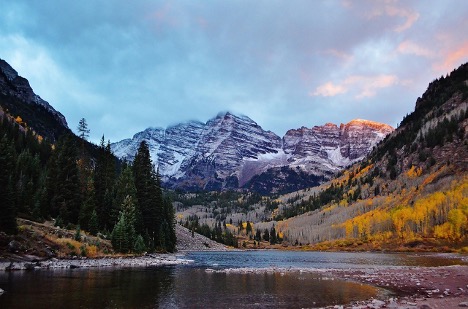
From Aspen, Maroon Lake is 10 miles away. It is one of the most legendary and photographed places in Colorado. The beauty of Maroon Bells area changes in every season. Maroon Lake is an ideal place for hikers. The Maroon Lake trail provides scenic views or an easy walk. Maroon Lake is a bell-shaped, wine-coloured lake, taken from the reddish-maroon color of the peaks behind it, called the Maroon Bells. Hiking in the Maroon Bells area gives you access to mesmerising views and 14,000 foot peaks.

Crater Lake

Also near Aspen, Crater Lake is a hidden gem. For hiking, photography, and picnicking, this space is famous among visitors. The lake is not very deep and is smaller in size. It is surrounded by amazing natural beauty, and you can also see the tall Maroon Bells from the crater lake. From Maroon Lake, you can reach it after hiking about 3.6 miles in summer, where you can experience the flowers. The golden aspen trees make it more beautiful in the fall; it looks like a postcard from right above Maroon Lake. Hiking the path shows you beautiful aspen trees and mountain views. 

Blue Lakes

One of the most breathtaking places in the Alpine treasures is the Blue Lakes. It is known as Blue Lakes because of its turquoise waters and stunning mountain backdrops. For hiking, hikers cover 8 miles round-trip to reach the path, which is considered challenging. The lower, middle, and upper are the three lakes in the Blue Lakes chain. Lower Lake is the largest one, and it is easier to reach. It is filled with turquoise water. Upper and Middle lakes are smaller in size, but closer to the 14,150 ft. peak of Mount Sneffels. The best time to visit the Blue Lakes is in late June to September. During this time, the trail is clear of snow. For hiking, fishing, and camping, this place is famous among travellers.

Helen Hunt Falls

Near Colorado Springs, Helen Hunt Falls is located in North Cheyenne Cañon Park. This fall is very accessible to visitors. By car, you can easily reach the base of the waterfall. For families and casual travellers, it is a popular stop. A short trail leads you to the top of the Falls, which offers you stunning views of the surrounding canyon. In late spring and early summer, this area is most beautiful. Autumn also brings vibrant colours that make the waterfall perfect. Helen Hunt Falls is a must-see falls in Colorado.

Seven Falls

The most famous falls in Colorado are Seven Falls, near Colorado Springs. Water flows down from the seven different spots, which is why it is known as the seven falls. This series of falls is about 181 feet tall. To see it from above, travellers climb the 224-step staircase. There are trails for hiking with views of rock cliffs and forest near the falls. You can also experience wildlife like deer and birds near the Fall.

Zapata Falls

Near the Great Sand Dunes National Park, Zapata Falls is a hidden waterfall. Inside a small rocky canyon, it falls from 30 feet. To experience this fall, visitors hike a short half-mile trail. It is a part of the fun and adventure reaching the Zapata Falls. The water freezes into stunning blue and white ice in the winter.

Conclusion

Colorado is a place where dreamy vibes and the ancient charm of the city truly captivate your heart. Colorado’s lakes and waterfalls are beautiful treasures in the state. The Peaceful, emerald green water of Alpine lakes and the turquoise water of Crater Lake are must-see wonders. Travellers enjoy hiking through the forest for breathtaking views as they climb the mountains. For peace, enjoy the sound of the water. If you are planning a trip, then you must consider Colorado as part of your itinerary.

Featured image courtesy of pixabay.com.


Safety in Zimbabwe: What Travellers Should Know

Between the rivers of the Zambezi and the Limpopo lies the breathtaking land of Zimbabwe, a destination of untamed beauty and warm hospitality. From majestic wildlife to vibrant local culture, it offers an experience unlike any other. While tourism is steadily opening up, Zimbabwe remains a largely undiscovered gem for UK travellers. For this reason, it’s essential to keep security and local travel etiquette in mind, ensuring your holiday unfolds smoothly and without unnecessary disruption.

Safety in Zimbabwe

Like any other destination, Zimbabwe comes with its own travel challenges, such as infrastructure, economic, and political factors. However, with several airlines now offering regular flights to Zimbabwe from the UK, it’s become much easier for British travellers to explore this incredible country and experience its natural beauty. With the right preparation and local insight, your journey can be rewarding and memorable far from the trip-ruining mishaps many fear. The following tips provide insider knowledge and practical advice to help UK visitors make the most of their Zimbabwe adventure.

Packing Necessities

Weather Appropriate Clothing: Weather in Zimbabwe will probably be hot and dry, or cold and wet, depending on the place and time visited. Daytime, casual, loose, light clothing is sufficient, with a sweater or light jacket for the evening being handy.

Medication and First Aid Kit: If you have any medical issue, keep the original medication and prescription with you. A box containing some painkillers, band aids, and injury creams can save a life in critical moments.  

Accommodation Choice

Safe Neighbourhood Options: Capital cities such as Harare and Bulawayo both have low to high-end hotels to suit anyone’s pocket. Check what is known as safe, to be sure you would be comfortable enough later in the evening.

Internet Reading of Reviews: Google Reviews or TripAdvisor will have some kind of gauge for safety in a hotel. Observe if they have safety provisions and how the staff members react to them.

Food and Water Safety

Bottled Water vs. Tap Water: Regardless of how bad the condition is with the tap water of a city, filtered or bottled water must be consumed if the water of a city is polluted.

Healthy Eating Habits: Street food is delicious, too, but only dine where the locals dine and at sanitary, clean stalls. Consume hot food and food prepared fresh, and peel fruits and vegetables yourself to attempt to reduce contamination.

Medical Clinics and Insurance

Travel Insurance: Zimbabwe hospitals are quite far apart, rural, and isolated. Good travel insurance will be worth every penny by costing you less of your own money to seek emergency treatment or even evacuation.

Where the Clinics and Hospitals Are: Harare hospitals are excellent, and even the smaller towns have clinics, but not always specialised services. It’s a good idea to have some sense of where the nearest medical centre is in case you might just happen to need to avail yourself of it.

US Dollar and Zimbabwean Dollar System Knowledge

Zimbabwe’s money history is up-to-date. Although locally used currency is the Zimbabwean Dollar (ZWL), the de facto US Dollar is utilised in all transactions across the whole country. Use USDs with lesser denominations, if feasible, and you may ask at any time what the quoted price is rendered in. Cash can even be exchanged at banks, bureaus de change, or even at some hotels around the clock. Business on the black market is not worth trying since it is illegal and risky.

Steer Clear of Frauds

Pay attention to the typical frauds. The tourist is swindled out of worthless jewellery, pricey taxis, or bogus “wildlife tours.” So beware of poorly consummated transactions. Protect your money and cards. Tuck the money into a money belt or secure pocket. Where feasible, withdraw from the bank buildings or from secured hotels’ ATMs and handle it with care when exchanging the money.

Transportation Options

Local buses (“kombis”) are more uncomfortable and risky than shared taxis, private cars, and taxis. Domestic flights and buses are the correct means to get to a decent distance between towns or to a resort region such as Victoria Falls.

Political and Social Climate

The political and social climate in Zimbabwe can shift overnight. Keeping up to date keeps you on the edge of a high-stress experience. Don’t forget:

Remaining Up-to-Date with the News Spreads: A trip from the source of good news will keep an individual up to date. Riots or strikes may disrupt travel arrangements at any time, particularly in major cities.

Protest Avoidance: Avoid political protest or crowds. An unarmed protest may turn savage in a matter of moments.

Politics Avoidance: Politics divides. Avoid travelling into controversy-generating discussions unless known to the individual.

Cultural Respect: Dress modestly when in public or the countryside. Always ask permission while taking pictures if there is a crowd around you.

Conclusion

So, if you’re travelling from the UK, you’ll be well prepared and safe by following the tips above for your trip to Zimbabwe. With the right preparation, your journey could become one of the most memorable experiences of your life. This incredible country will leave you in awe with its natural beauty. Just remember to respect the local culture and follow good travel etiquette. Keeping an eye on your budget, sorting your travel insurance, and taking care of your health before you go will help make your adventure truly worthwhile. Now, you’re all set to explore this remarkable land of wonders.

Featured image courtesy of pixabay.com.

Gulf of Orosei – Don’t Miss this Boat Tour in Sardinia

On our last full day in Sardinia, Italy we decided to take a small boat tour along the eastern coastline, specially the Gulf of Orosei. All of Sardinia was amazing, but this day-trip was icing on the cake. The coastline is amazing – towering cliffs and some of the prettiest beaches and water anywhere on the planet.

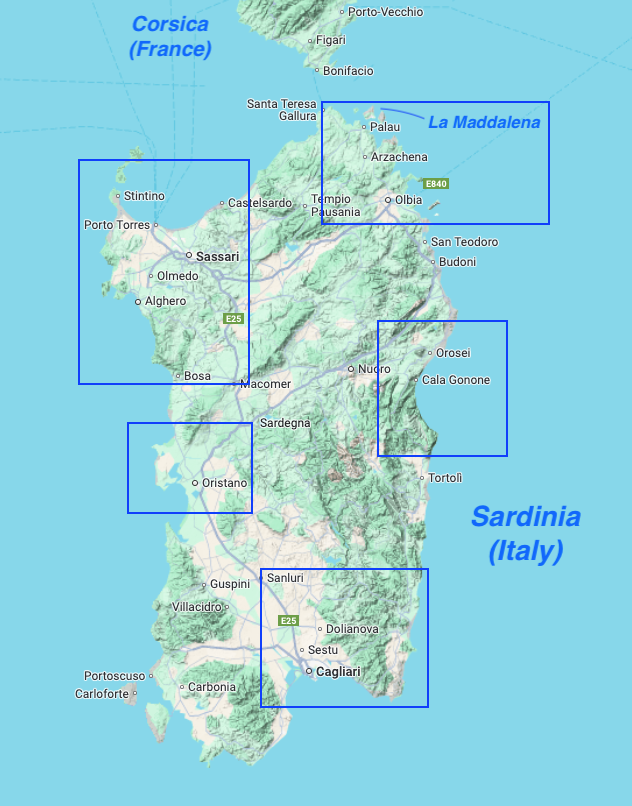
This maps show the general regions we visited in Sardinia. The Gulf of Orosei is on the central east coast.

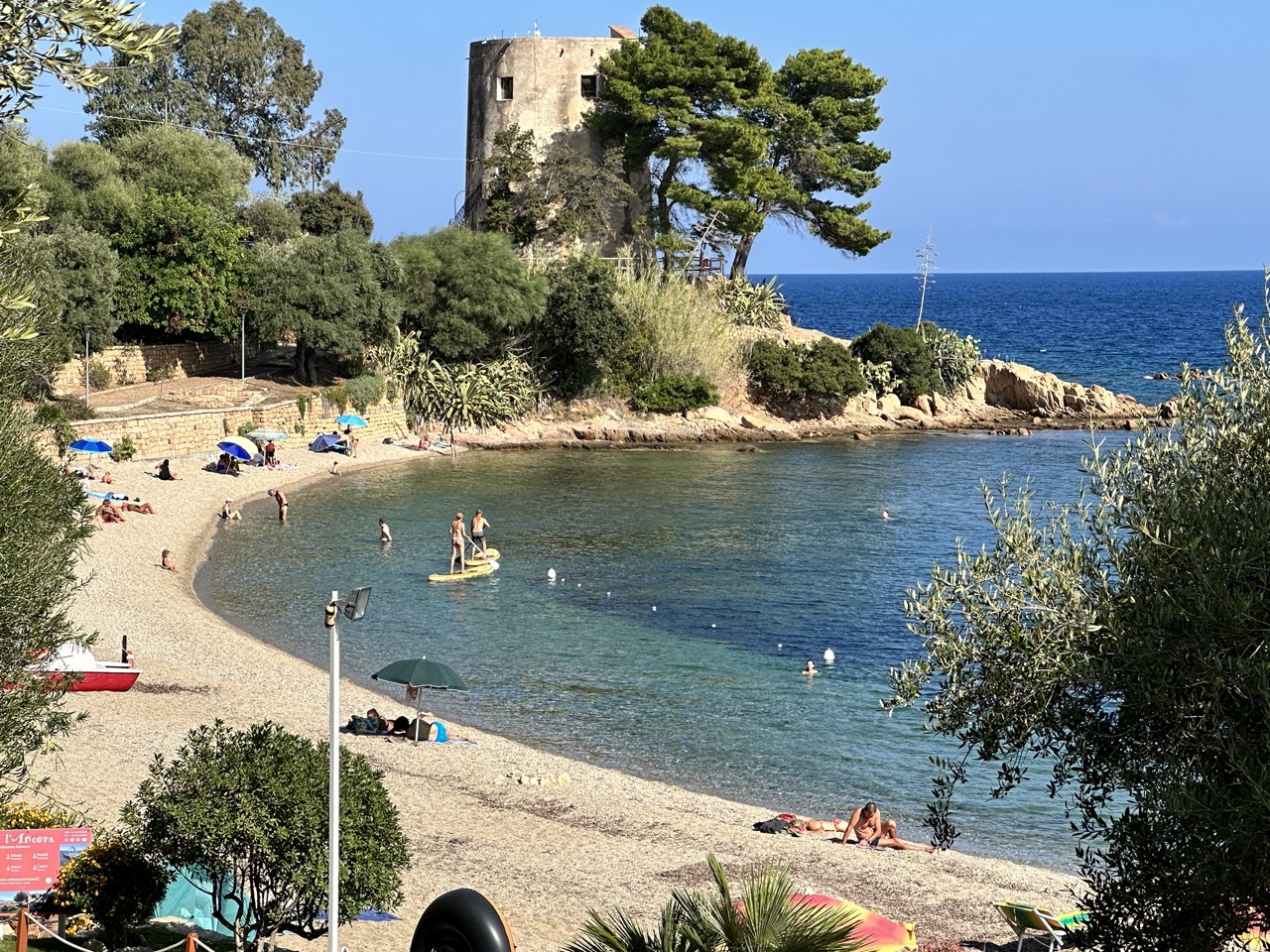
We stayed two nights in the small town of Santa Maria Navarrese, a perfect spot from which to take the boat tour and a lovely place to visit in itself. Our visit was in late September and early October, after the summer crowds were gone but yet still warm enough for boating and swimming.

A view of Santa Maria Navarrese’s own beach, right next to the small town.

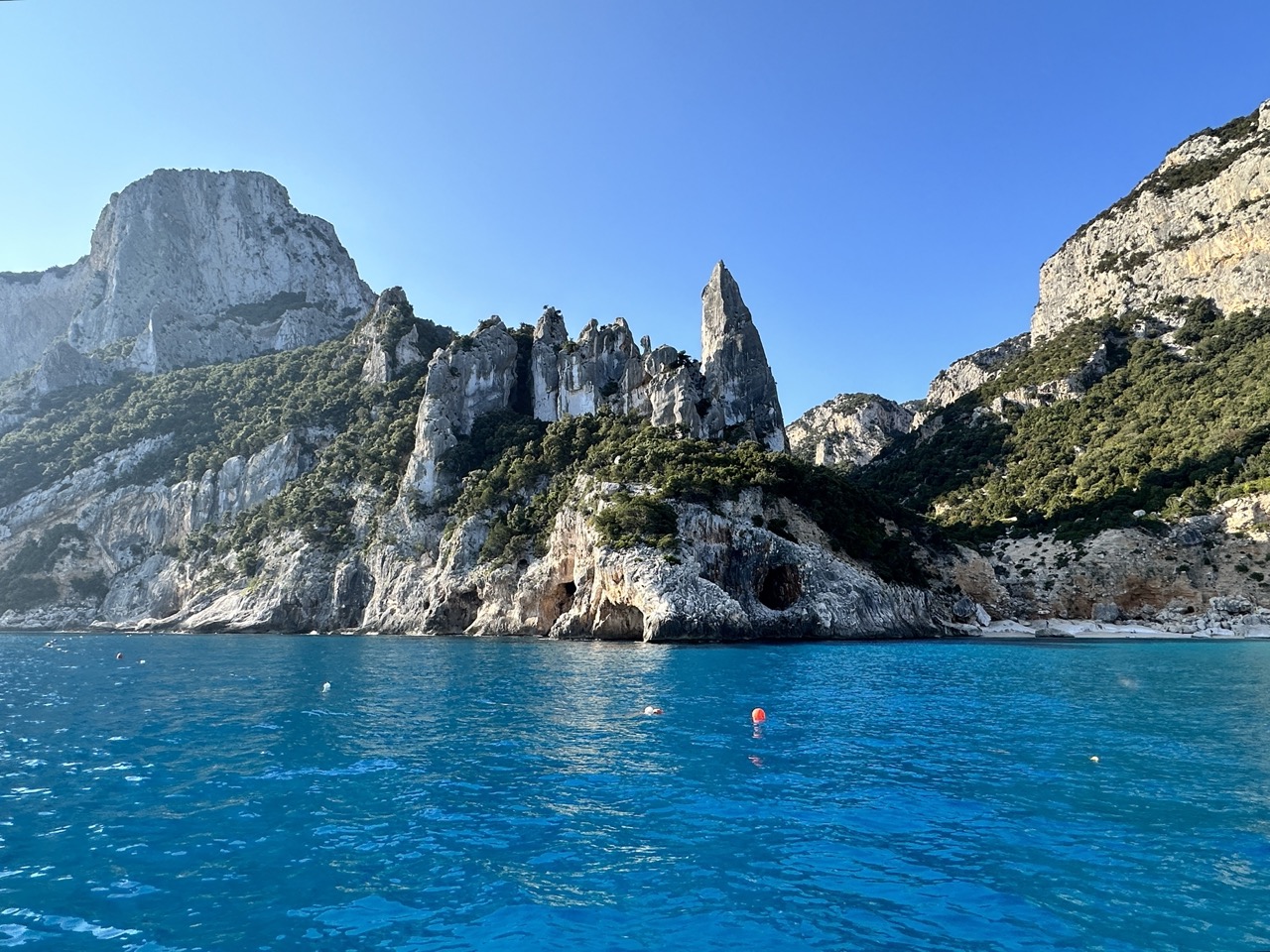
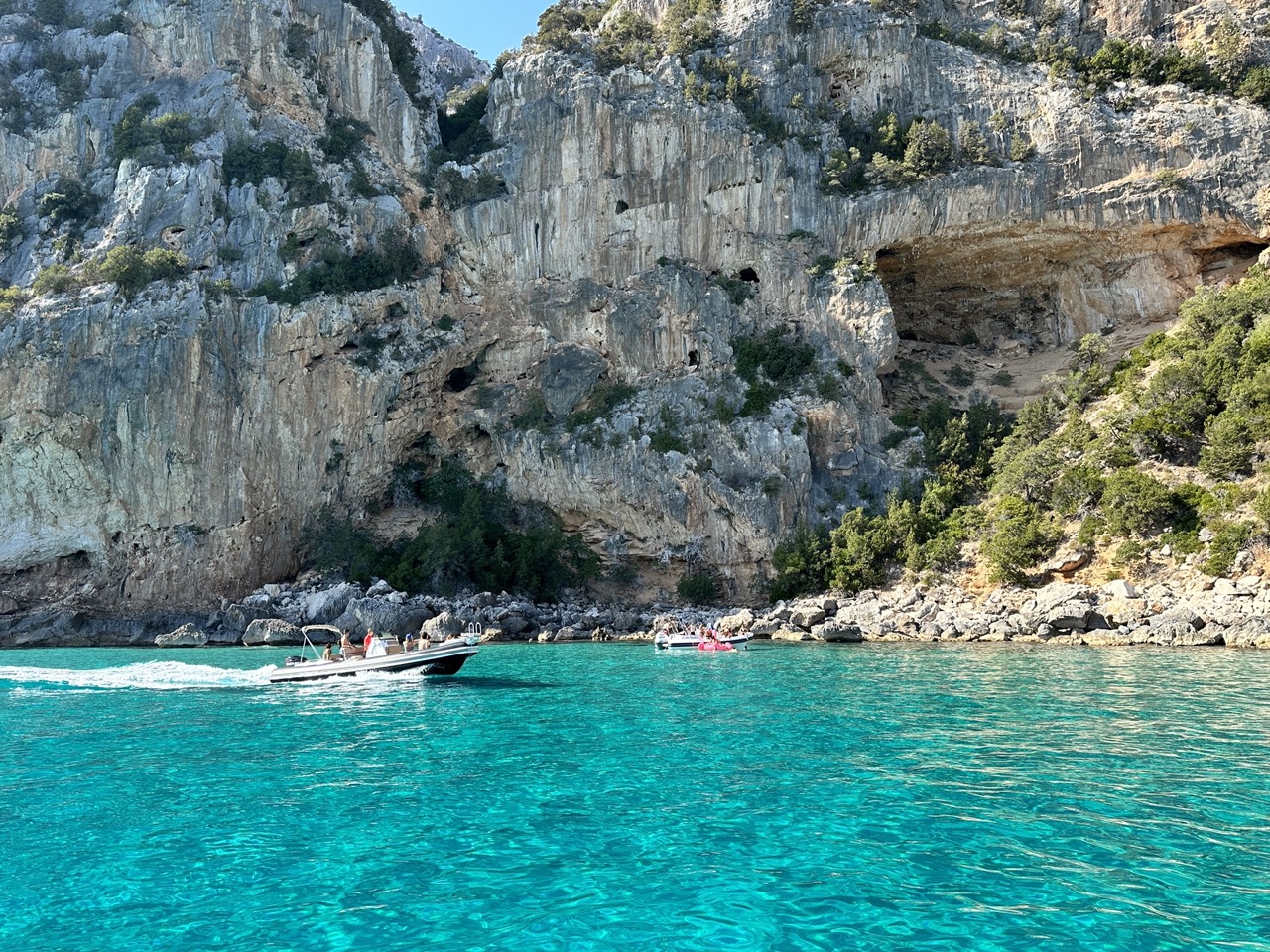
Below are a few of the images captured during our full-day boat trip. Our boat held about 10 people, which was perfect. We visited a few secluded sea caves and coves before visiting some of the more popular beach and swim stops.

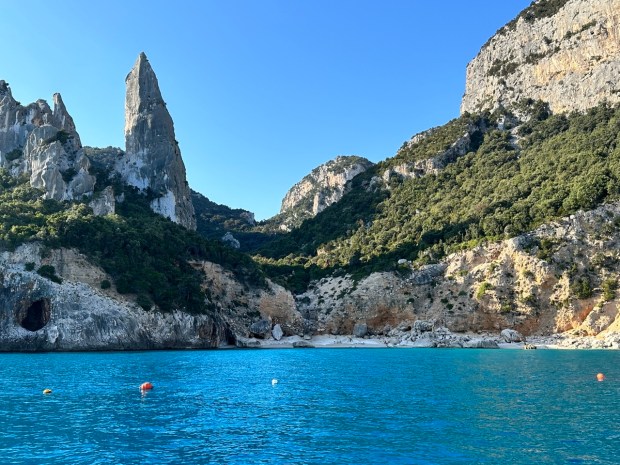
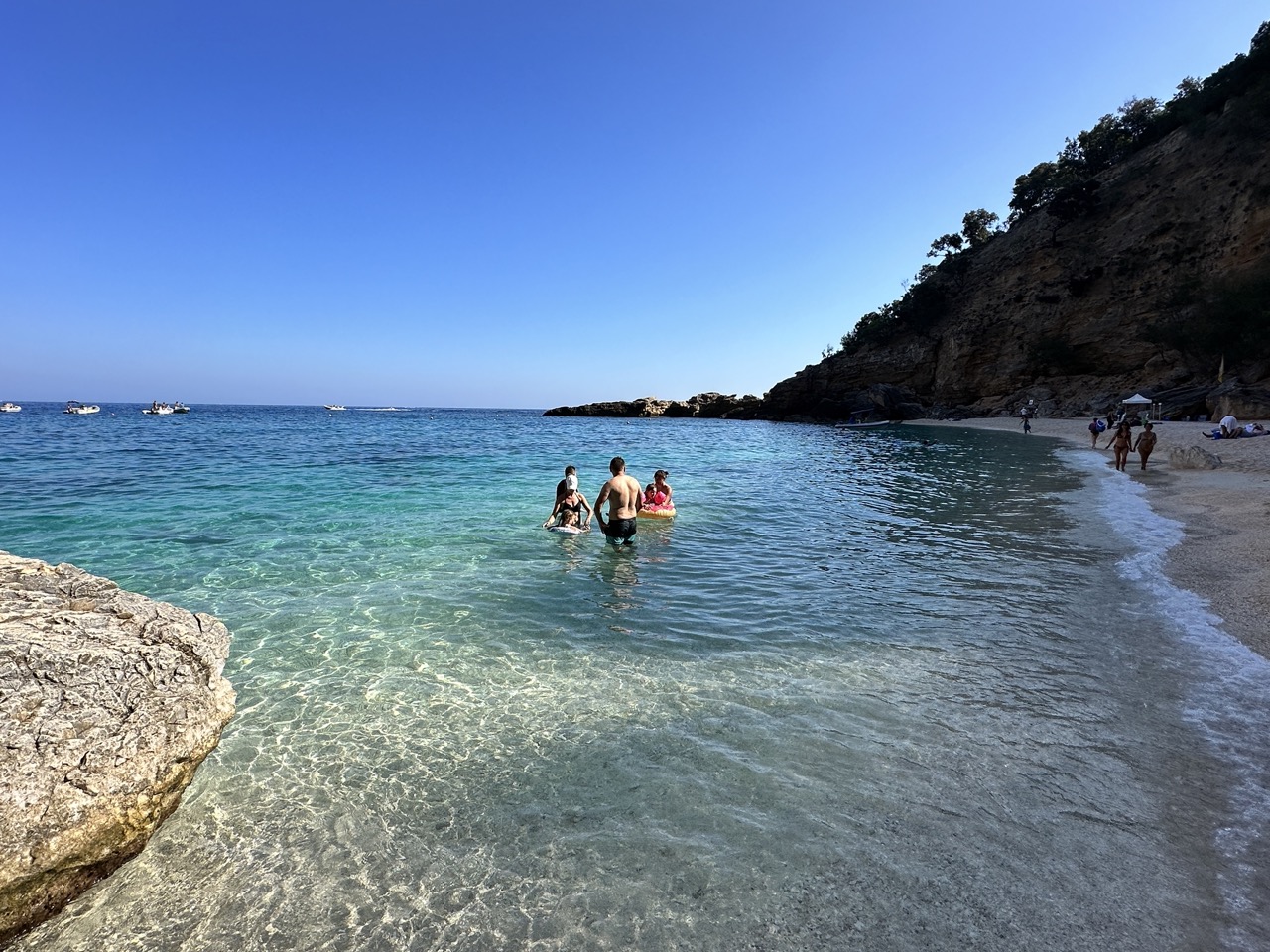
One of the postcard images of Sardinia, Cala Goloritzè. You can take a pretty steep and long hike down to the beach, but we opted for the boat tour to get this view. The boats do not land on the beach (I believe they are forbidden to do so), but do allow time to swim in the area.

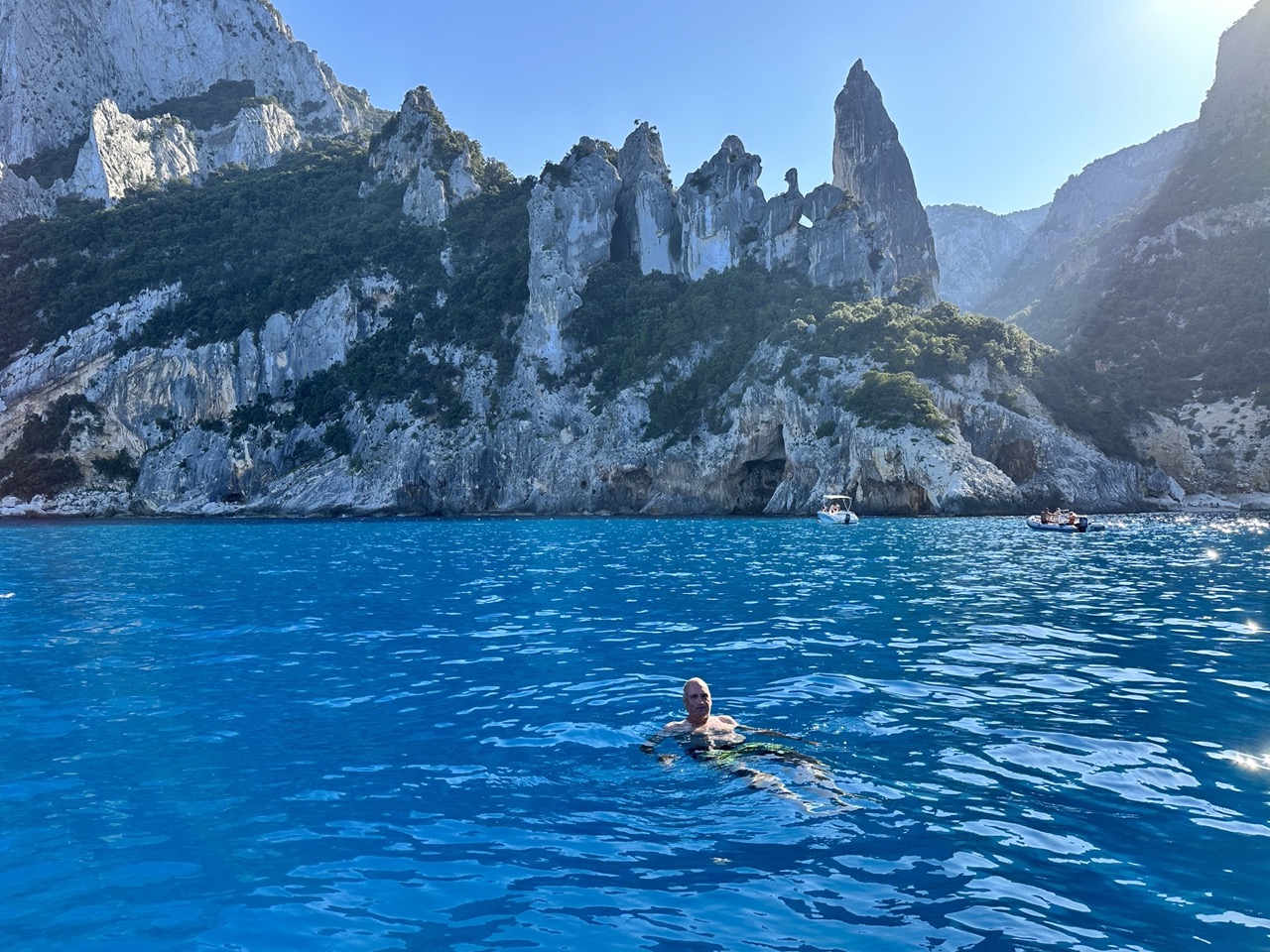
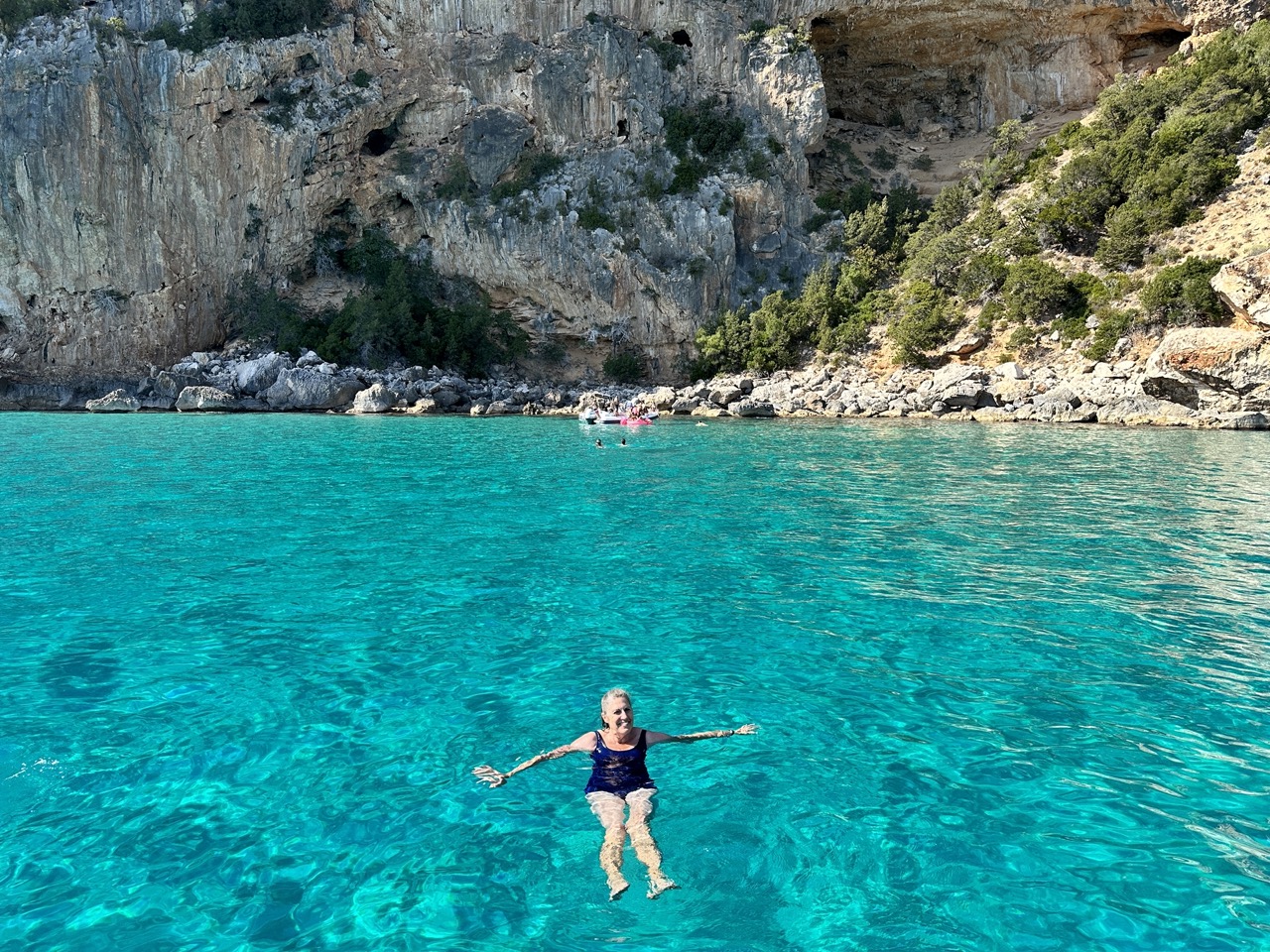
We stopped by Cala Goloritzè again in the afternoon for a swim, on our way back to Santa Maria Navarrese. I cannot adequately describe the beauty of the turquoise water.

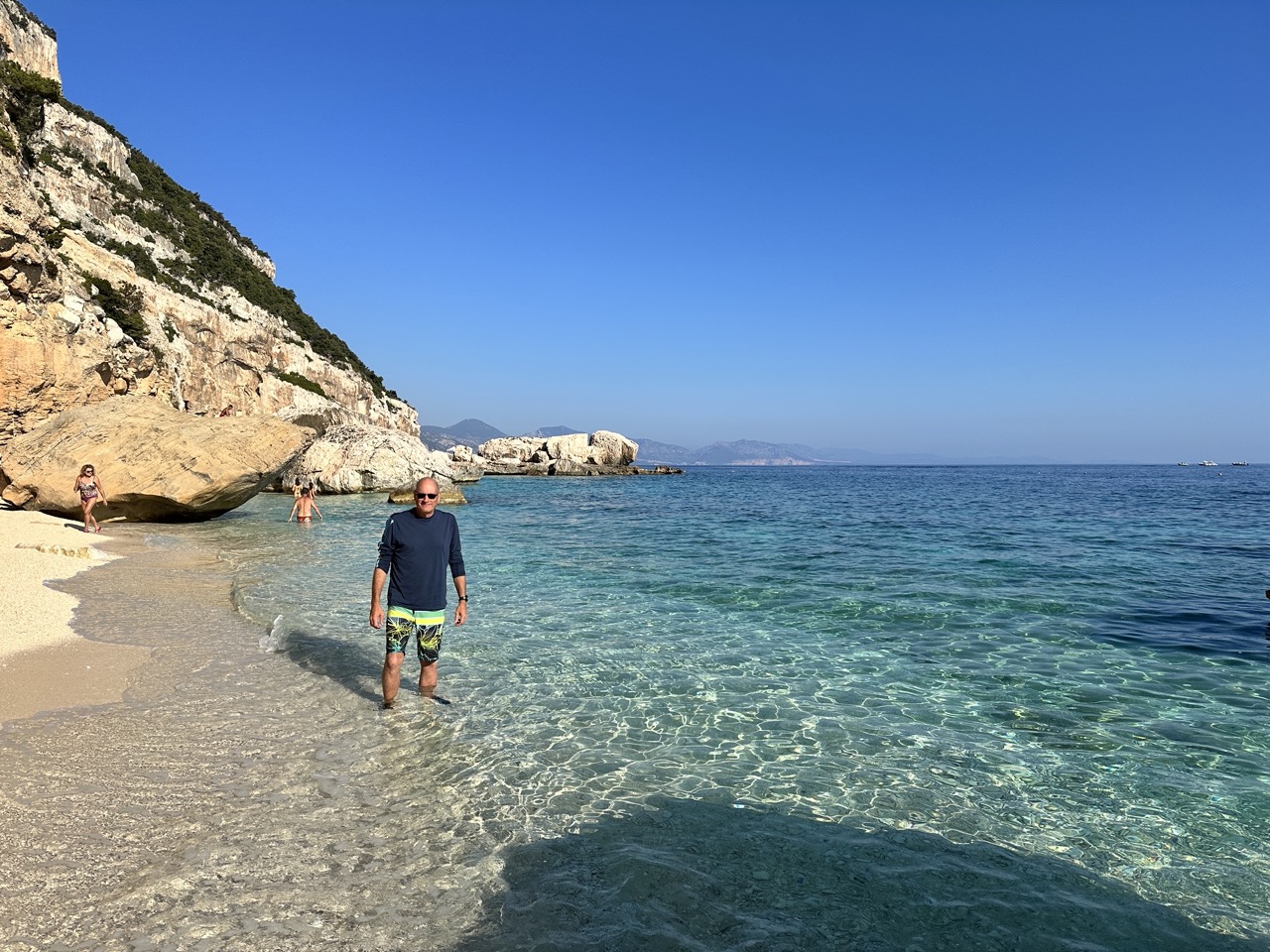
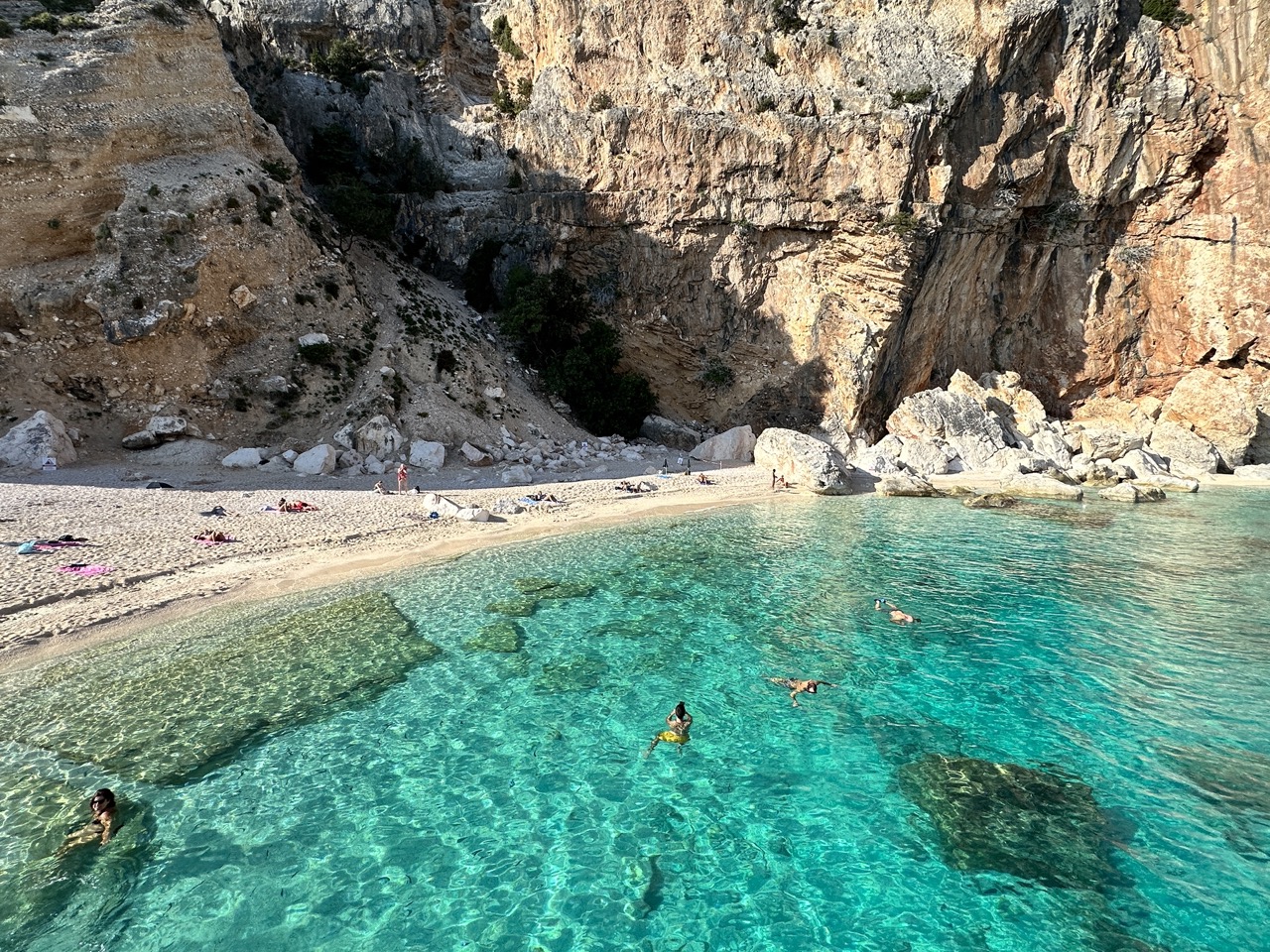
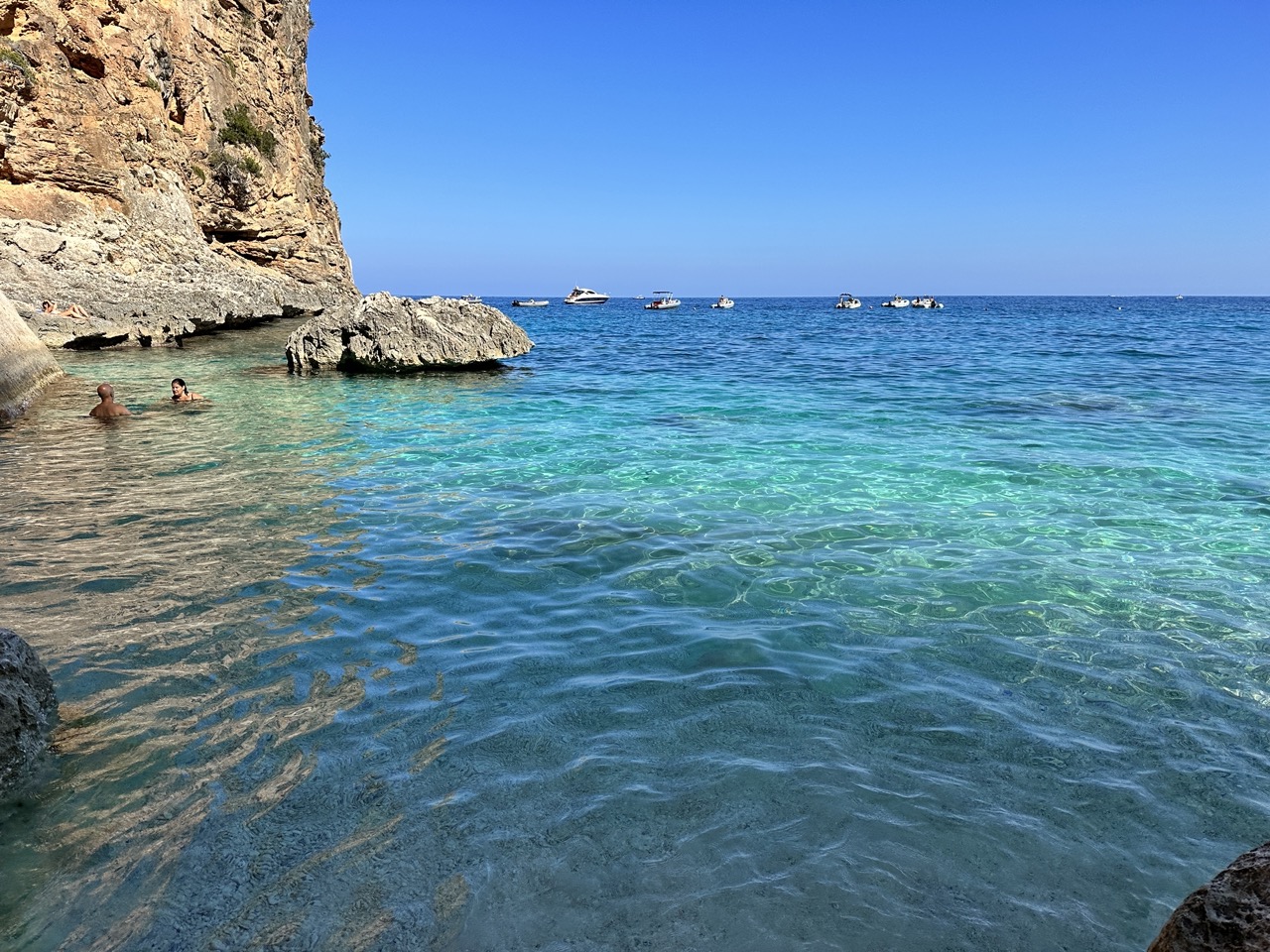
A view of Cala Marilou, one of my favorite stops along the Gulf of Orosei. What made it a favorite is that there are several beaches and coves to explore, such as shown below.

Another part of Cala Marilou, a small cove of stunning cliffs and beautiful water.

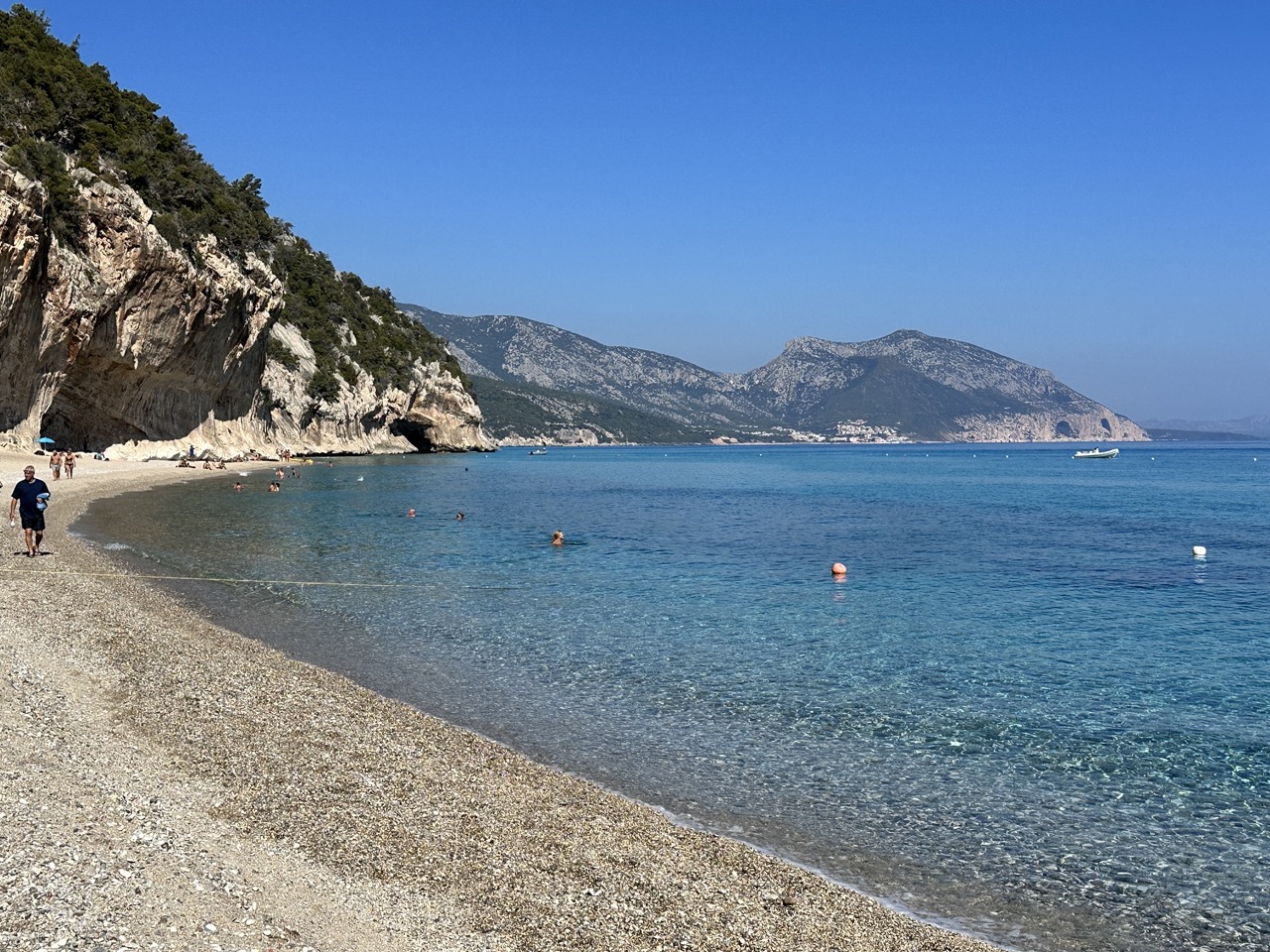
A view of Cala Luna, we stopped here over lunch time. There is a small bar and cafe behind the beach area.

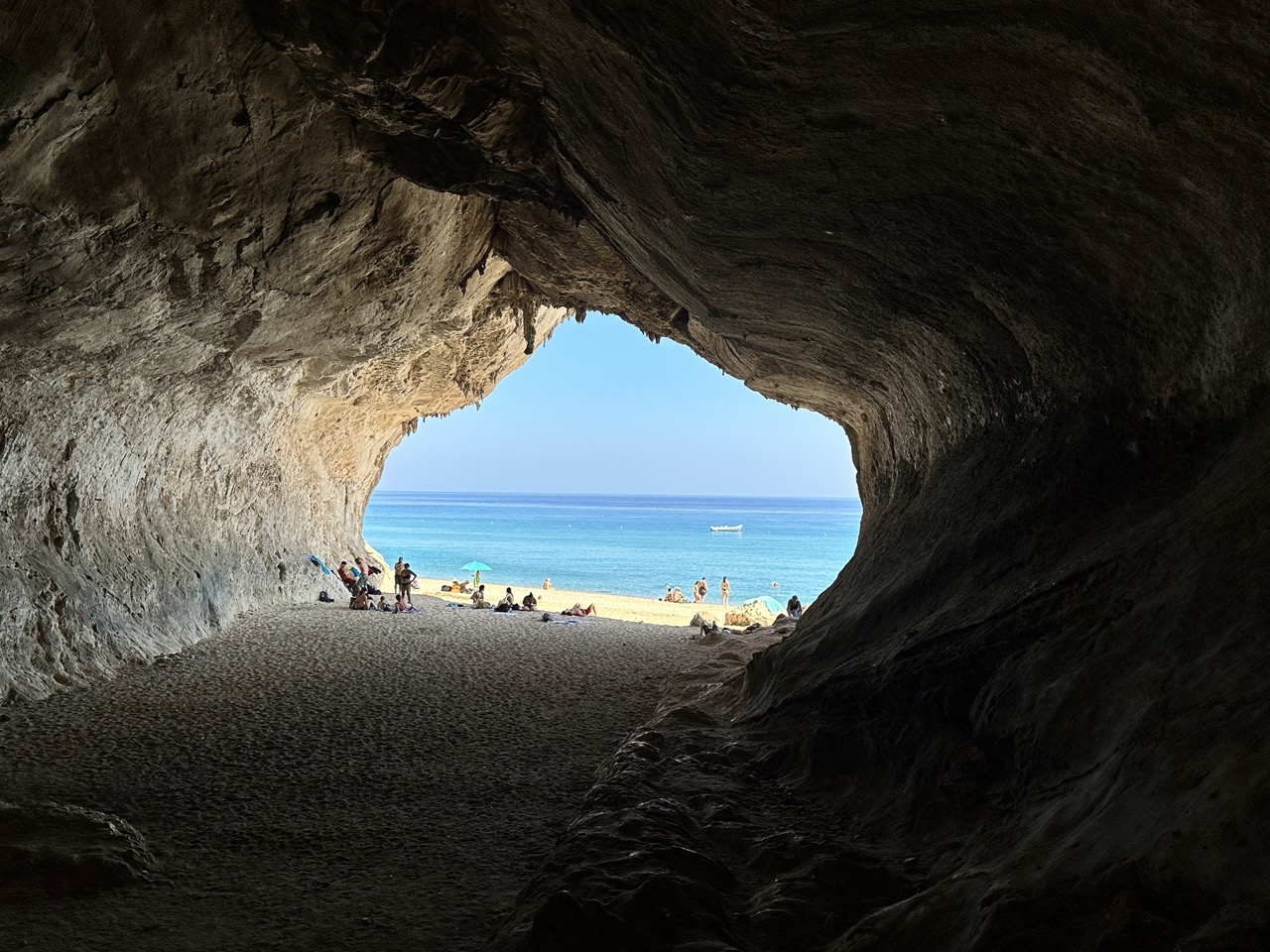
A large cave on the beach at Cala Luna – a great place to get out of the sunshine if needed!

Best European Cities for Foodies: A Culinary Trip

When people travel, they regularly search to recognise a present-day region and its way of life, and there is no better way to do this than through its food. The unique dishes, neighbourhood ingredients, and traditions that make up a rustic’s cuisine provide a direct connection to its humans and history. Europe is actually a paradise for food lovers, where each food sounds like a search. From eateries owned by a comfortable family to world-famous Michelin star restaurants, serving timeless food, is both rich and unforgettable on the continent.

Best European Cities for Foodies

Top European Cities for Foodies dozen or so dinners to be savoured in the life of society, remind us a little bit closer to the real character of this country, in which we are fortunate enough to make an observation. If venturing overseas from your home nation on a food holiday to Portugal, search for cheap flights to Lisbon from the UK, a decadent appetiser on which to start a convivial atmosphere to your food holiday without shelling out pennies.

These are the holy grail food towns of Europe. And if you’re starving for family-owned, authentic tavernas or Michelin-starred restaurants, this is the book that’ll get you eyeball-to-eyeball with Europe’s best dining towns.

Rome (Italy)

Rome is a town with timeless beauty and extraordinary taste. When you can spend the day performing miracles in historical sites such as the Colosseum and Pantheon, the real essence of the city is found in the food. 

In this historical capital, you can enjoy fried artichoke and oxtail stew, such as authentic, homemade pasta, classic Roman dishes, and of course, a gelato break at each turn. Like Campo Day Faori, the lively markets in Rome are perfect for an afternoon of exploration, which gives a glimpse of everyday life and fresh material from Rome that makes his dishes so incredible.

London (UK)

London is a single city compared to the mosaic of separate neighbourhoods, each with its own unique personality and culinary views. From the modern eatery in Shoreditch to the timeless pub to the historic centre, the city mixes the tradition of modern nature. Visitors can experience global-elegance food in a Michelin-starred eating place, rest with a pint in a comfortable pub or wander through attractive, cobbled streets on the lookout for a hidden gem. The PAK landscape in London is as dynamic as the city, in which new flavours and stories emerge each day.

Paris (France)

Enjoy a sunset walk on the Seine. And quench your thirst for a good meal at a pain au chocolat at a street cafe. Along with a breathtaking view of the Arc de Triomphe and the Eiffel Tower. You have a lot of time to explore delicious meals. The Louvre concerts are a must. Parisian life is characterised by laziness and a free spirit.

Lisbon (Portugal)

Museums in Lisbon relate the history and past of this Portuguese capital city.

Maritime Museum is where kids (and grownups!) who are fascinated by all things to do with the ocean head, but Casa-Museu Dr Anastácio Gonçalves has a collection of artworks. In order to view Lisbon’s pretty stone houses in their best, take a guided tour or do it yourself, e.g., stroll down to Padrao dos Descobrimentos, Mosteiro dos Jerónimos, and UNESCO World Heritage-listedTorre de Belém. Splashing into a cosmopolitan beach town on TAP Air Portugal is a doddle and a cinch from the start.

Donostia – San Sebastian (Spain)

San Sebastian-Donostia isn’t always something it is not in terms of meals and wine, extra competition, seaside, artwork, birthday celebration, rave type of affair perhaps.

Old Town has cobblestone-paved streets with restaurants and bars, pavement bars on each nook in the new metropolis. Seafood is a speciality of the house. Just do not consume between 6 and 7 p.m. Spanish time is too quick. Ate and drank past due into the night, grazed on tapas.

Prague (Czech Republic)

Fairy-tale architecture and Bohemian feeling. Sun-dried tourists who will be respectful of the culture will love Prague.

You stroll the courtyards of Prague Castle in daylight hours, and fill your belly with a glorious, filling dinner at a retro-glam restaurant that is completely Czech. Stroll five minutes to Old Town Square, and stroll past to gawk at Old Town Hall and the Astronomical Clock.

Conclusion

Europe is more than a destination and has an experience for your senses. It is a continent where each city whispers its history and culture through food. One minute you are lost in the aroma in a local market, the next time you taste excellent work in a world-class restaurant. This is the kind of journey that lives with you – taste, smell, moments around the table. So bring the curiosity and a healthy hunger. Get ready to taste through memories in making.

Note: Featured image courtesy of Pixabay.com.


Visiting Nora: A Roman Treasure on Sardinia’s South Coast

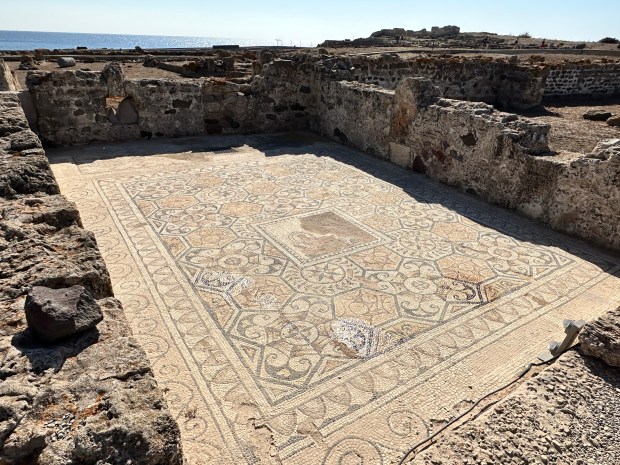
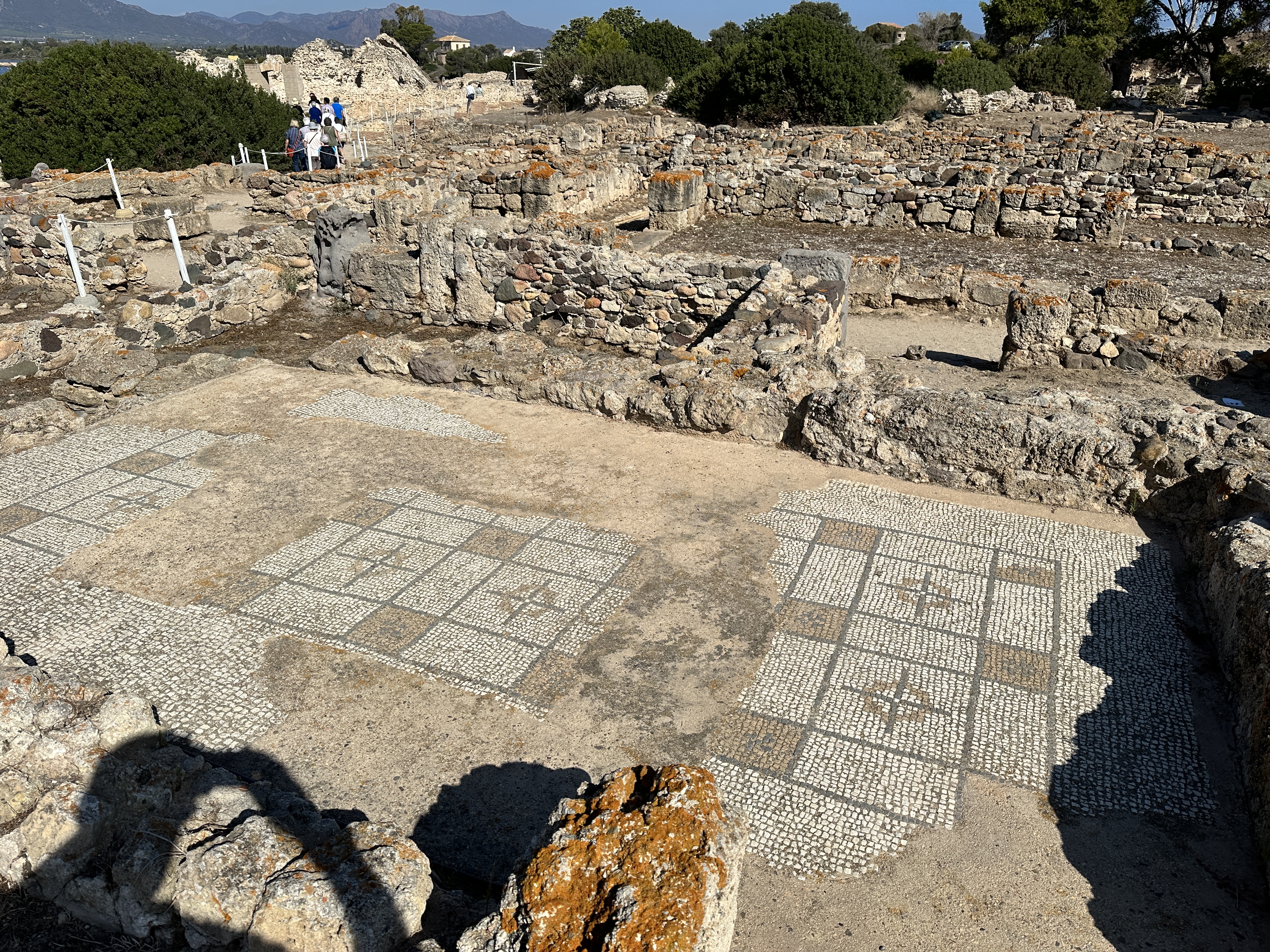
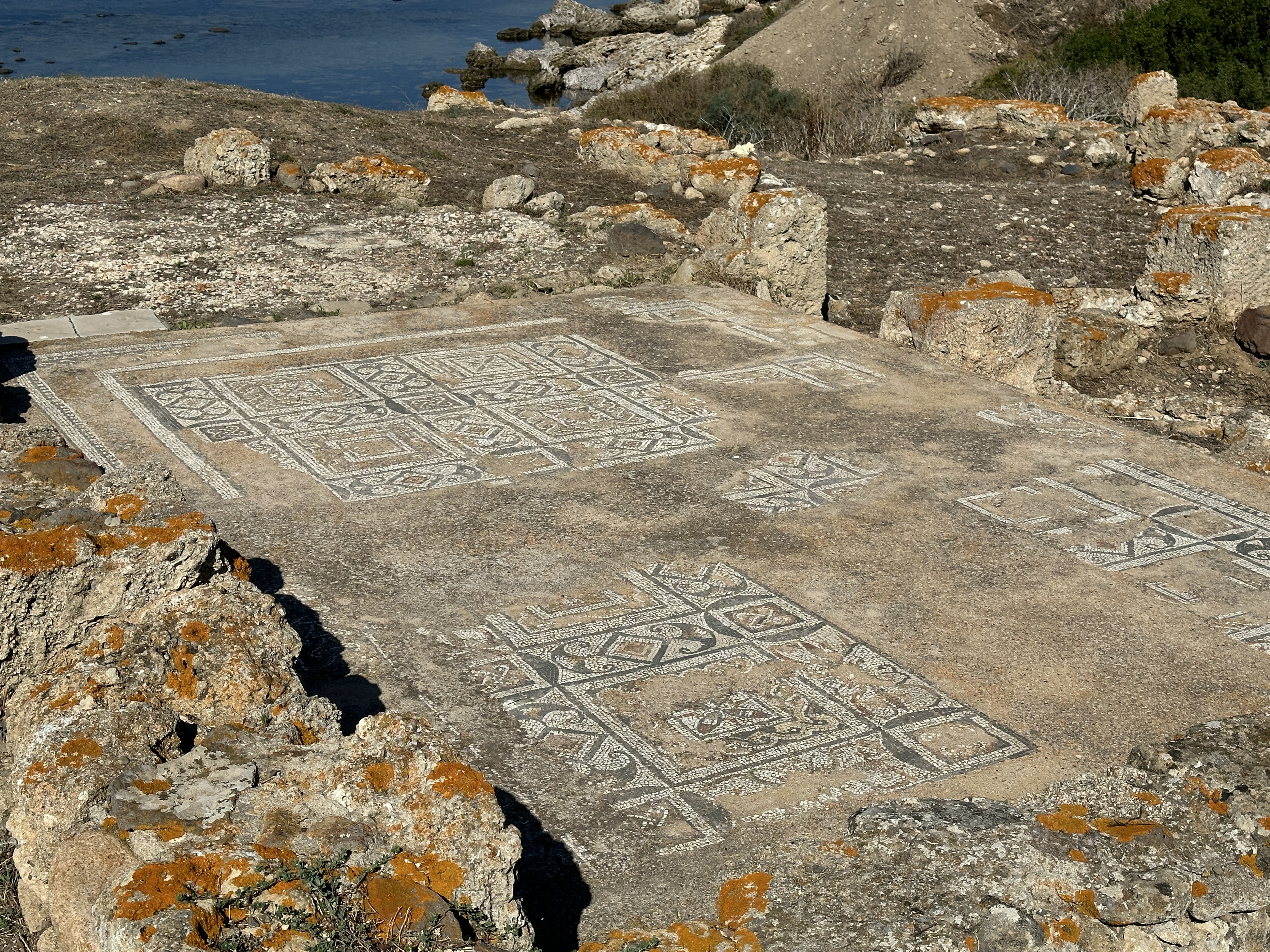
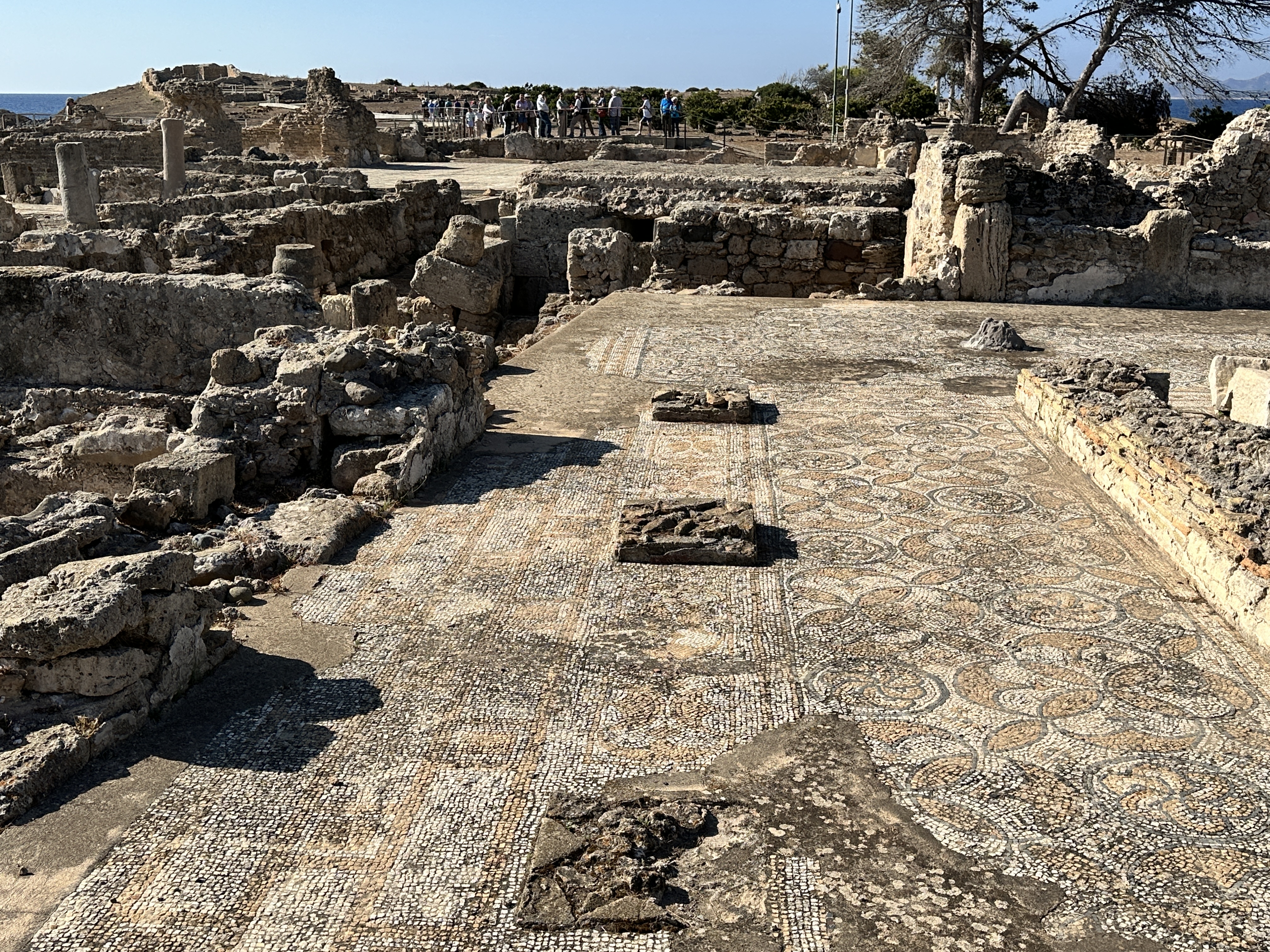
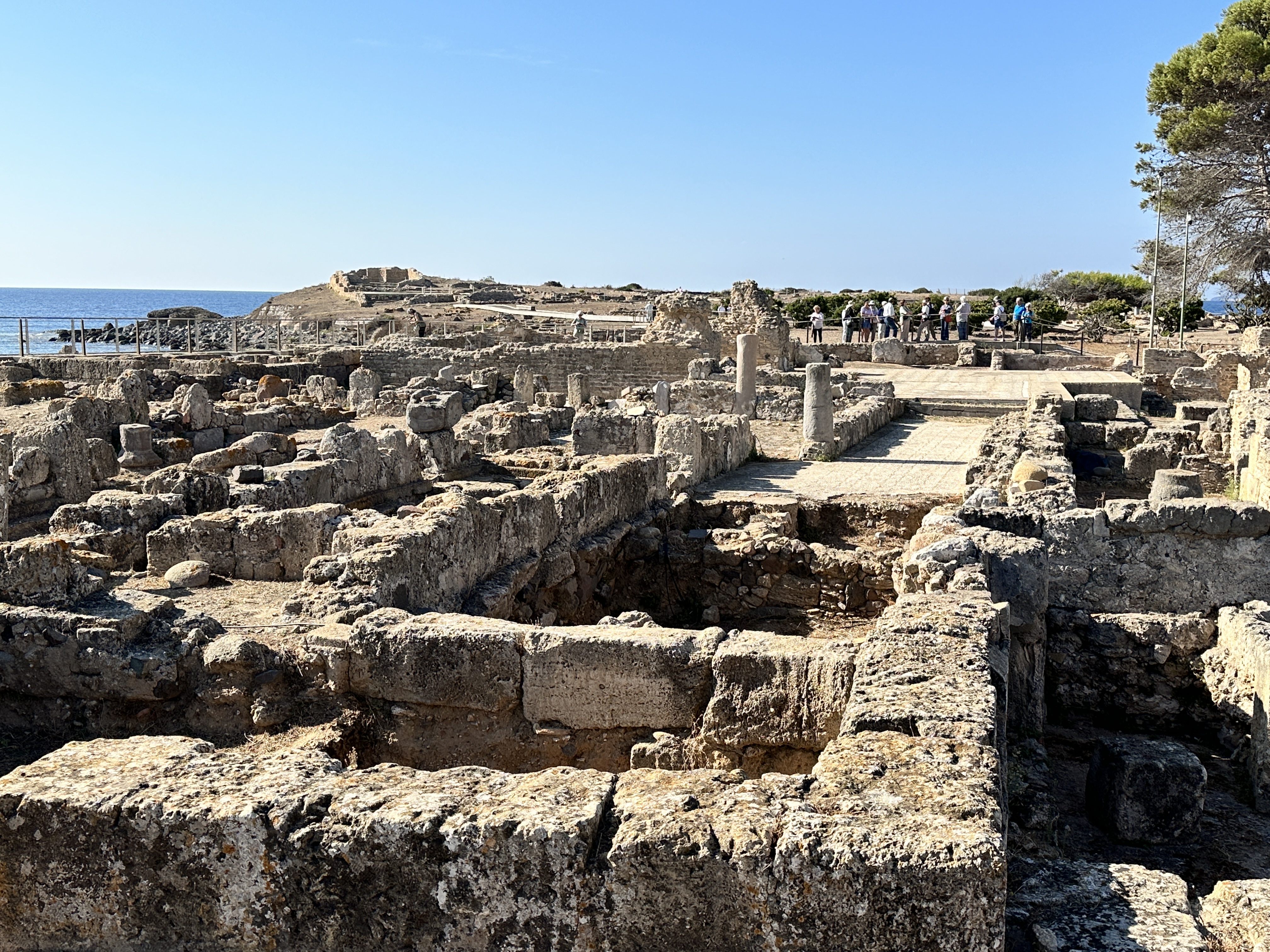
The Nora Archeological Site is only about 45 minutes (48 km or 25 miles) west of Cagliari and makes a nice half-day trip, whether you are staying in town or on a one-day visit with a cruise ship. The origins of the settlement date back to Phoenician times around the 8th century B.C. The city flourished for over four hundred years starting during the first and second centuries B.C. during the Roman age. It must have been quite wealthy due to its ideal position on the coast of Sardinia, perfect for trading. The use of that wealth is demonstrated by the extensive mosaic floors that can still be seen as part of homes and public areas.

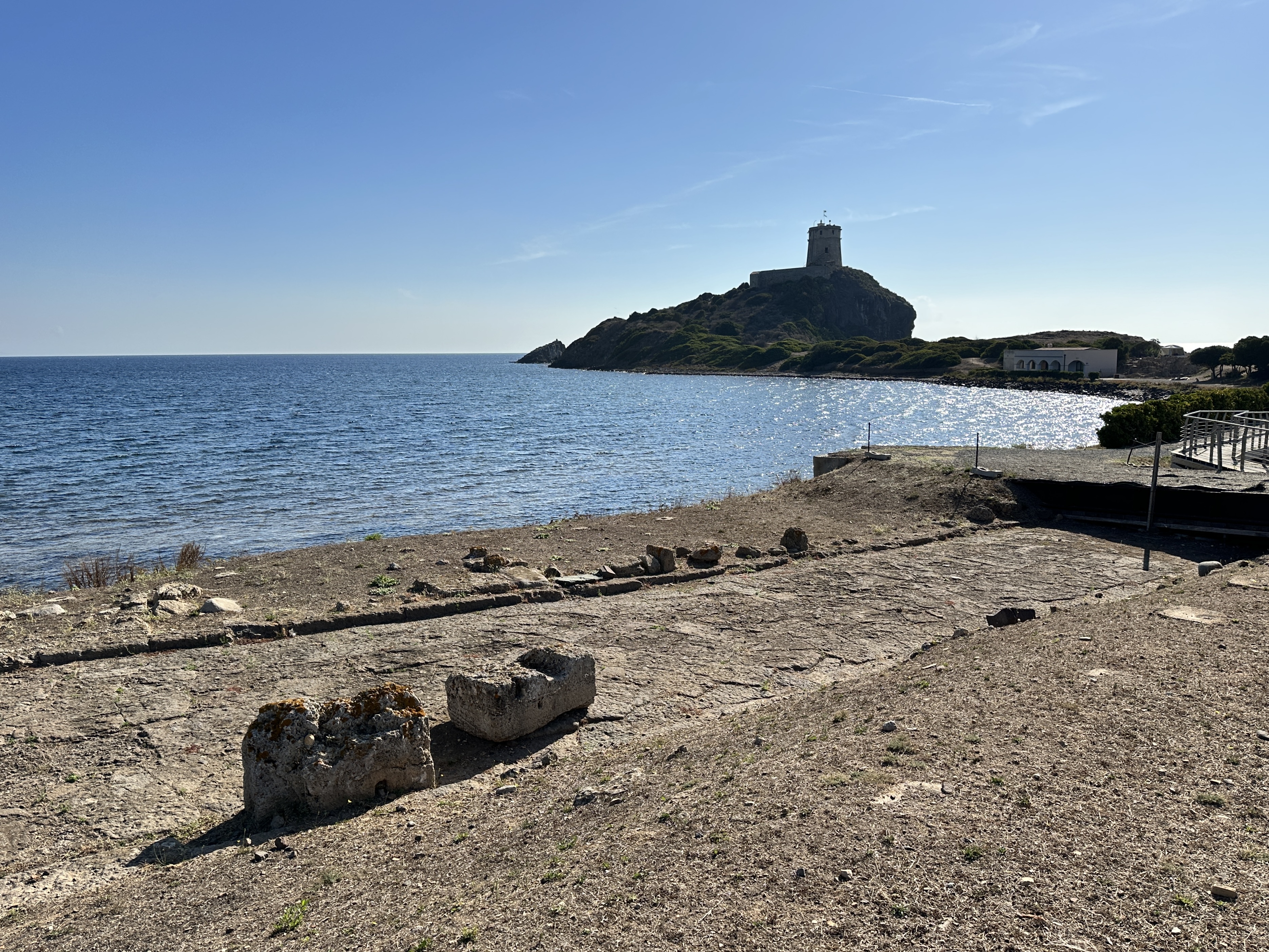
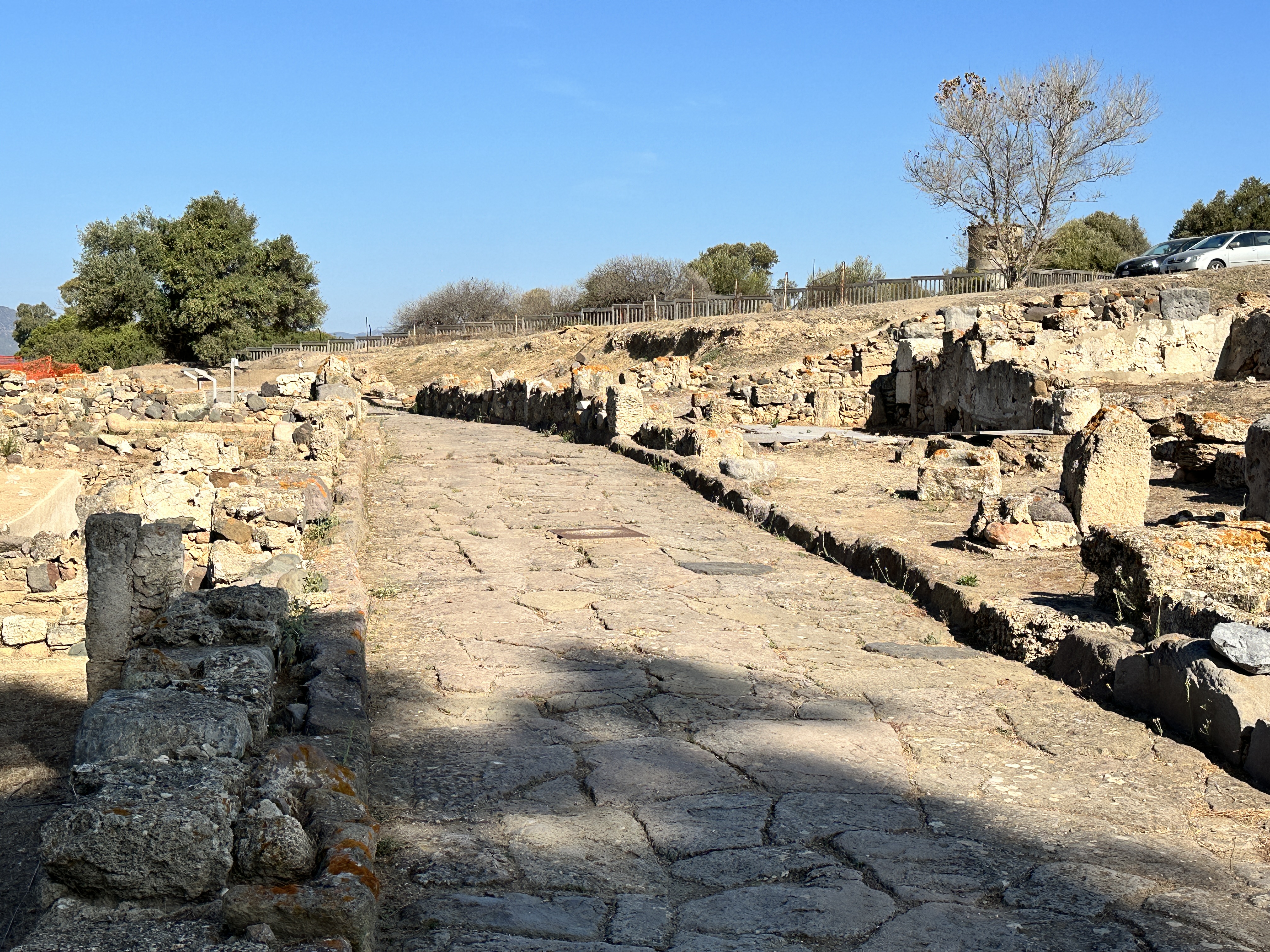
The ancient Roman road leading into Nora is overlooked by the 16th-century Torre del Coltellazzo.
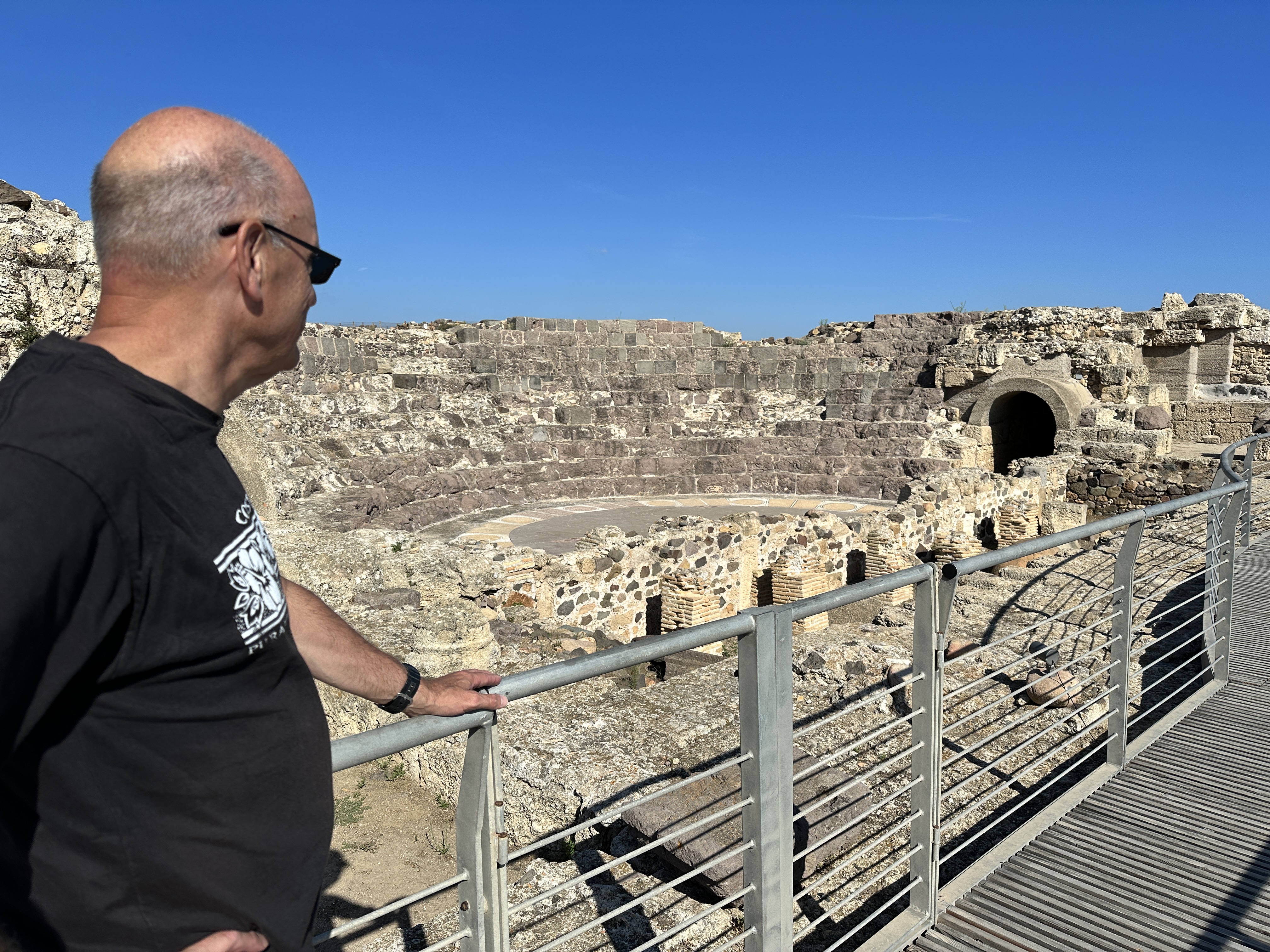
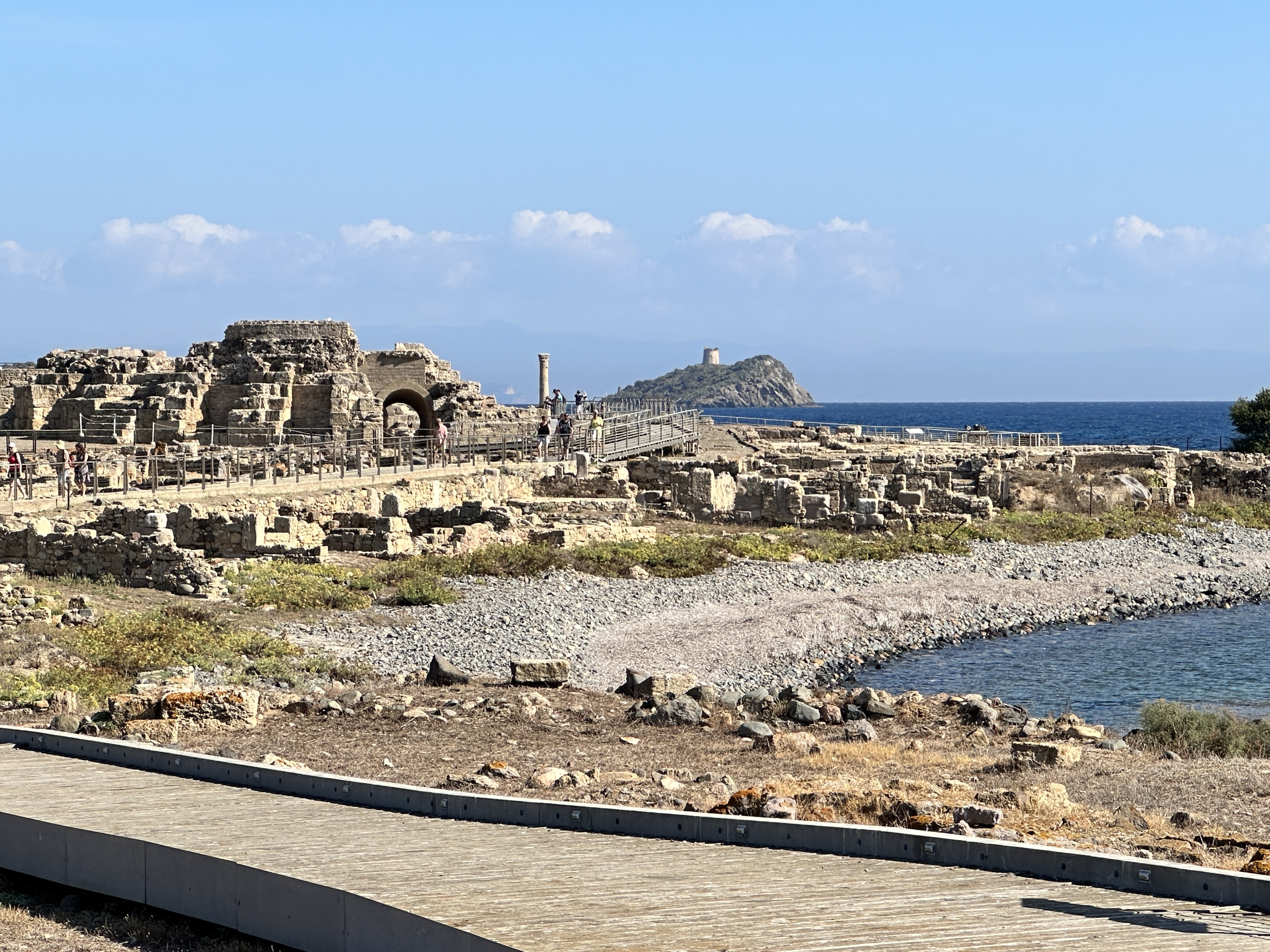
The ruins of the 1st century A.D. theater at Nora.

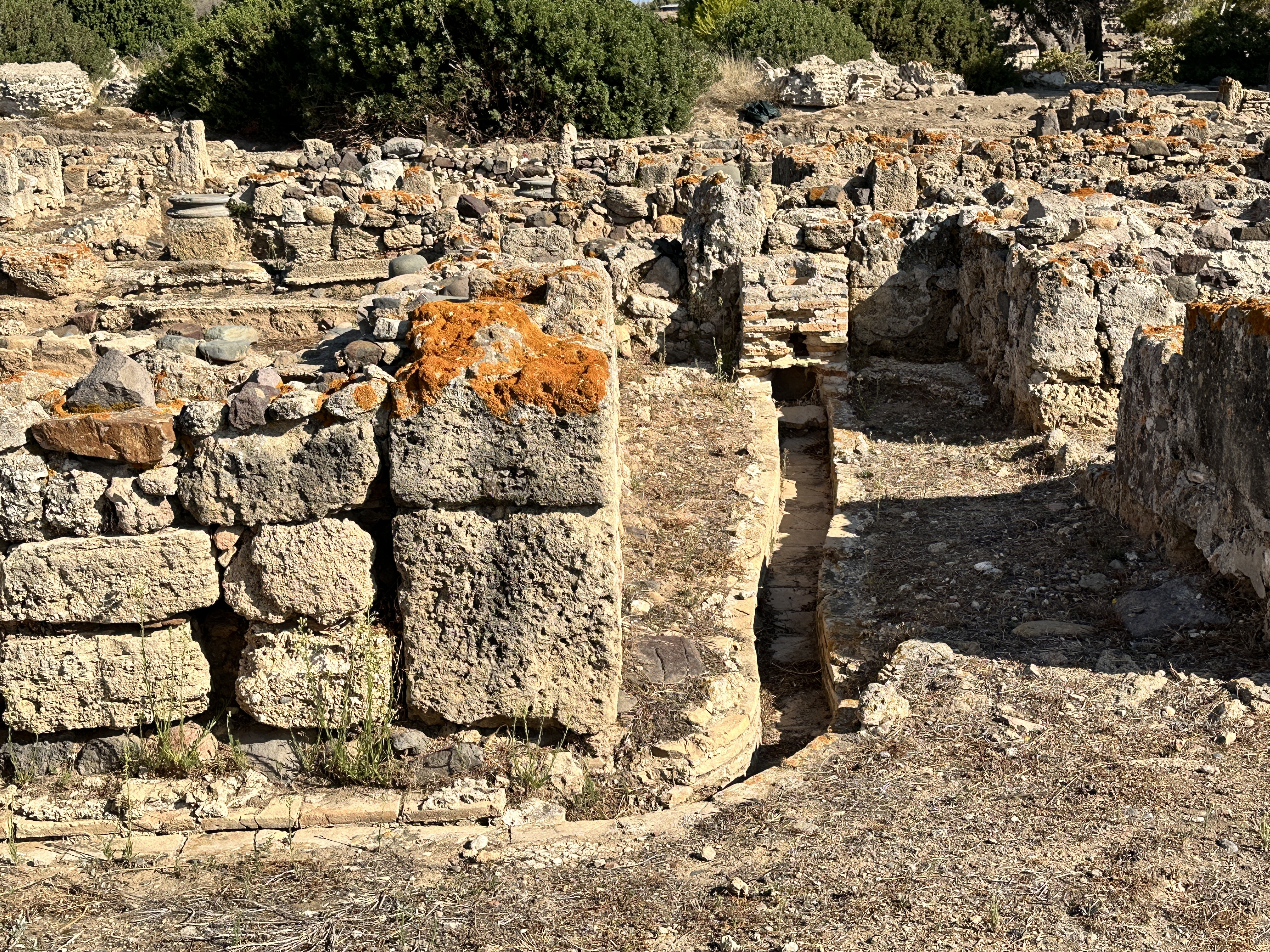
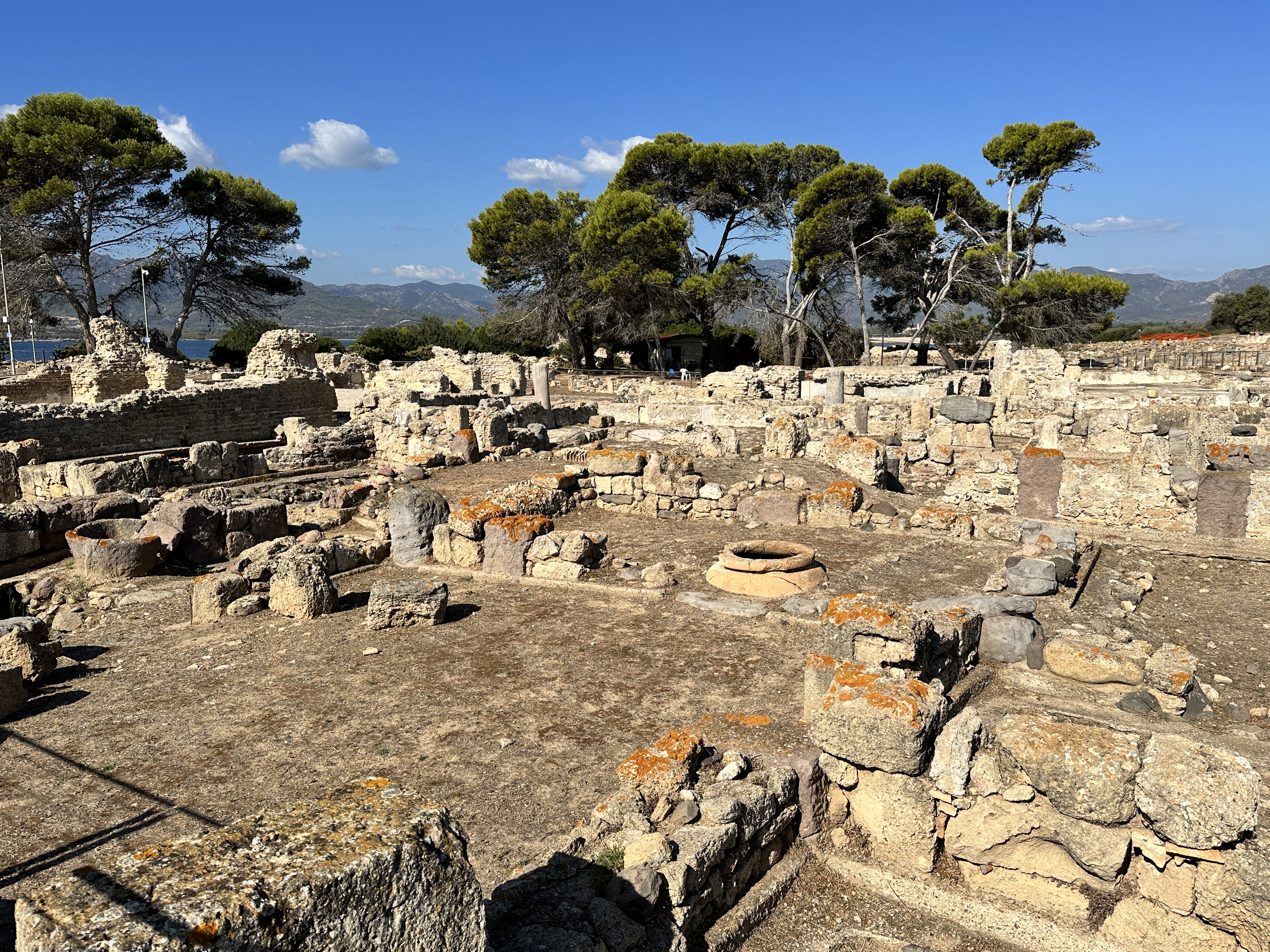
The large cauldrons may have been used for storage, making of wine, washing or perhaps other uses.

Nora, along with Tharros are worthwhile archeological sites to see during your visit to Sardinia. So take a break from the beautiful beaches and learn something about Sardinia’s fascinating cultural history.

Craigmillar Castle – Just a Stone’s Throw from Edinburgh

The 14th-century Craigmillar Castle is just south of the city of Edinburgh, Scotland and near the hill known as Arthur’s Seat. The good news is that the castle was not busy at all when we visited in late August – we pretty much had the whole place to ourselves even though it is so close to Edinburgh.

View of the skyline of Edinburgh from Craigmillar Castle. Arthur’s Seat is the hill on the right.

If you’re looking for things to do and see near Edinburgh, Scotland I recommend Craigmillar Castle. This castle was put “on the map” as one of the settings used in the TV series “Outlander”. More importantly, Mary, Queen of Scots stayed here in November 1566 while seeking some peace and security, only 8 months before her forced abdication in July 1567.

Below are some images of the castle. The castle is not large, it consists of an outer courtyard, inner courtyard, tower (or keep) and two sets of rooms on either side of the tower from the 16th and 17th centuries.

Layout of Craigmillar Castle.

So, if you want to escape the crowds in Edinburgh, visit Craigmillar Castle! We had a rental car which made the visit very easy, there is a small car park at the castle ticket office. Travel Tip: If you are going to visit several historical sites in Scotland, consider purchasing the Explorer Pass from Historic Environment Scotland. You pay one fee and then have free access to many historical sites (including Craigmillar Castle), the Pass is valid for 14 consecutive days.

Villasimius – One of My Top Destinations in Sardinia

Villasimius is one of my top three locations for tourists in Sardinia, Italy (the other two would be the Gulf of Orosei, which I will write about shortly) and the La Maddalena Archipelago which you can learn about here. Villasimius is about an hour by car (62 km) southeast of Cagliari, Sardinia’s capital.

Villasimius is at the very southeast tip of Sardinia.

There are around 20 fantastic beaches near Villasimius, plus there is a golf course nearby and a number of vacation rental options in the area.

Main street in Villasimius.

We stayed in a little villa just outside of town. The landlord met us in town and led us out to the villa. Even though you are only 62 km from Cagliari, this part of the island is pretty rural and quiet.

The courtyard and pool at our villa in Villasimius. Breakfast was served on the patio (left side of photo).
RV’s are a popular option in Sardinia too. This RV park was just outside Villasimius.

Villasimius Beaches

We visited a few beaches during our two-night stay. It would have been easy to spend a week here.

After a hard day at the beach, there was nothing like a delicious dessert crepe in the town of Villasimius to end another perfect day!

A Visit to Barcelona’s Gothic Quarter

When most people think of Barcelona, Spain they think of Gaudi’s architectural wonders, such as the beautiful Sagrada Familia. However, the Gothic Quarter of Barcelona deserves your attention too. Here are just a few highlights.

The streets of the Gothic Quarter are fun to wander, there is something of interest around each corner.

Barcelona’s Gothic Cathedral (La Seu)

The 14th-century cathedral is beautiful and worth a visit – check out the main interior (nave), choir, side chapels, crypts, cloister, and chapter house. You can also do a rooftop walk of the Cathedral for a great view overlooking the Gothic Quarter of Barcelona. There was some restoration work going on while we were visiting the Cathedral.

The main facade of Barcelona’s Gothic Cathedral.

Palau Reial Major

The 14th-century Royal Palace in the Gothic Quarter is right next to the Cathedral. It houses some interesting displays and provides a great overview of the history of Barcelona.

Exterior view of Palau Reial Major. It is now a museum.

Barcino – The Roman City

Right underneath your feet in the Gothic Quarter are the partially excavated ruins of Barcino, the 1st century B.C. Roman settlement on which modern Barcelona was built. The Barcelona History Museum has done an excellent job creating displays and building walkways over the old streets, houses, and craft shops of Barcino, now all underground. The explanatory signs are in English as well as other languages and are very informative. Wine making and fish processing were important industries in Barcino.

A 3rd-century salted fish tank – alternate layers of chopped fish and salt were left to marinate in these tanks for 20 days – yum!
Wine vats in Barcino.

Other Sights Near the Gothic Quarter

Just down the street (Via Laietana) from the Gothic Quarter is the harbor waterfront (Marina Port Vell) of Barcelona, with a large plaza (Plaça de Correus), numerous cafes, walking paths and gorgeous yachts everywhere. Marina Port Vell calls itself “the premier superyacht marina in Barcelona” and they aren’t kidding!

Robyn in front of Plaça de Correus.
A couple of the amazing yachts at Marina Port Vell. I’d really like to cruise the Mediterranean Sea in one of these!

Las Ramblas is the main pedestrian thoroughfare in downtown Barcelona. Great for people watching, viewing architectural points of interest and grabbing a meal. We made our tour reservations to visit Montserrat Monastery (outside of Barcelona) at a tourist information booth on Las Ramblas.

Note: We spent a full half-day in the Gothic Quarter after arriving on a morning flight from Menorca. Our second day was spent touring the Gaudi sights, and our third day was spent visiting Montserrat Monastery. It was a perfect 3 days in Barcelona! We stayed in Casa Mathilda right in the heart of Barcelona, an excellent small hotel within walking distance of many sights and the metro (subway) system.