Author: Paul Terry

I love to travel. I've been fortunate to visit about 75 countries so far. I prefer to travel independently to get off the beaten path a bit. I also try to find good deals to make my travels more affordable.

Fountains Abbey and Rievaulx Abbey, Two of North England’s Finest Medieval Ruins

A view of Fountains Abbey.

A view of Fountains Abbey.

Northwest of the great city of York, England are the medieval abbey ruins of Fountains and Rievaulx. These were Cistercian monasteries, a religious order of the Catholic Church that traces its foundation to St. Bernard of Clairvaux (France) in the 1100’s. Bernard was a strong charismatic leader and was directly involved in the founding of these abbeys in England.

Fountains and Rievaulx are north/northwest of York, England.

Fountains and Rievaulx are north/northwest of York, England.

In order to withdraw themselves from the world, the Cistercian order looked for rural, secluded places to establish themselves and even today these ruins are in remote, quiet valleys with small rivers running nearby. The Order emphasized manual labor and self-sufficiency, which often required enlisting local lay personnel to help with all the work of running a monastery and producing crops and the herds of animals. I love walking through these ruins and wondering what life would have been like a thousand years ago at one of these monasteries.

Fountains

Fountains Abbey was the oldest and richest of the medieval Cistercian monasteries in England, started in about 1132. Its name is taken from six springs that were located here along with the River Skell, all of which provided the monastery with plenty of water.

A beautiful old stone bridge over the River Skell at Fountains.

A beautiful old stone bridge over the River Skell at Fountains.

The Cistercian monks were very industrious and the wealth of the abbey was due to great herds of sheep— the wool was sold to traders in Italy and Flanders (Belgium). This is a large abbey with lots of ruins to explore. Fountains is just 31 miles from York.

A view of the transcept of the church at Fountains.

A view of the transcept of the church at Fountains.

The main nave of Fountains church.

The main nave of Fountains church.

The lay person refectory (dining/dormitory area) and storage area at Fountains. Nearly intact from medieval times.

The lay person refectory (dining/dormitory area) and storage area at Fountains. Nearly intact from medieval times.

Rievaulx

Rievaulx Abbey was also founded in about 1132. It is located 81 miles from York and sits near the River Rye in a very secluded spot. At its peak, it had 140 monks and 150 laypersons but by 1380 there were only 15 monks living here, due to a number of problems affecting the abbey.

A view of the main church at Rievaulx.

A view of the main church at Rievaulx.

A view through the nave of Rievaulx Abbey.

A view through the nave of Rievaulx Abbey.

It closed (or better stated, was destroyed) in 1538 as part of King Henry the VIII’s dissolution of the monasteries. Today it is a beautiful ruin. The main walls of the church’s nave and exterior walls of the refectory are well preserved.

One more view of Rievaulx Abbey.
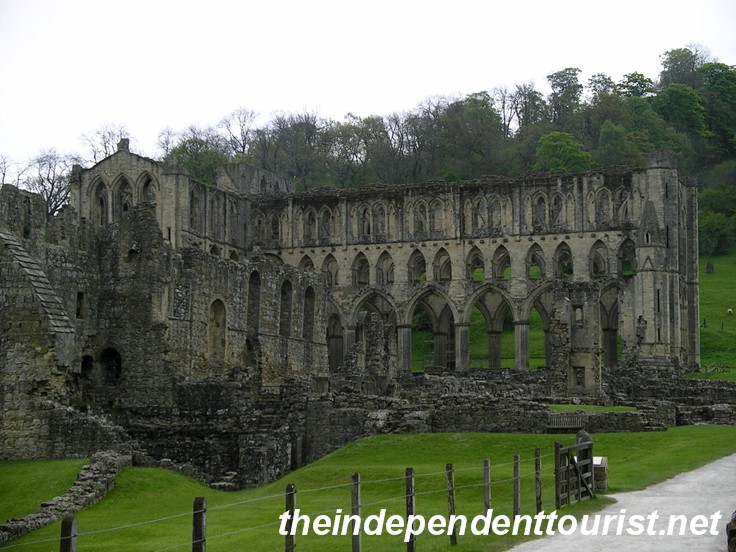
One more view of Rievaulx Abbey.

A view of Rievaulx Abbey (and monk's refectory to the left).

A view of Rievaulx Abbey (and monk’s refectory to the left).

Karnak, Egypt – “The Most Perfect of Places”

Entrance to Karnak along the Avenue of the Sphinxes (which runs all the way from Luxor).

Entrance to Karnak along the Avenue of the Sphinxes (which runs all the way from Luxor).

Karnak is Egypt’s greatest temple complex and is considered the most important Pharaonic site after the Pyramids of Giza. It was also the most important place of worship in Egypt from approximately 1500 – 1000 BC. It was called “Ipet-Isut” meaning “The Most Perfect of Places.” Karnak was built over a period of about 1,300 years, starting around 2125 BC.

Remants of the original paintings in the Great Festival Hall of Tuthmosis III.

Remants of the original paintings in the Great Festival Hall of Tuthmosis III.

During the reign of Ramses III, 80,000 people worked at or on the complex as laborers, servants, guards, priests and many other functions.

The huge Hypostyle Hall at Karnak.

The huge Hypostyle Hall at Karnak.

Note the size of the people in the distance - Karnak Temple is on a huge scale.

Note the size of the people in the distance – Karnak Temple is on a huge scale.

Karnak's Sacred Lake, where priests purified themselves.

Karnak’s Sacred Lake, where priests purified themselves.

Temple of Ramses III at Karnak.

Temple of Ramses III at Karnak.

The scale of the site (about a square kilometer) is massive and there’s a lot to explore here. Be sure to take the time to go to some of the outer ruins. Karnak is just 2 kilometers north of Luxor (see my post on Luxor here), also on the east bank of the Nile. Both Luxor and Karnak can be visited in one day.

Statues of Karnak at night.

Statues of Karnak at night.

There is an evening sound and light show that was quite good. The show included walking through the massive complex at night, which was a blast and gave the place an entirely different feeling.

Sources: Information at Karnak Temple, DK Eyewitness Travel Egypt, Lonely Planet Egypt.

Overlooking the Karnak Temple Complex and Sacred Lake at night.

Overlooking the Karnak Temple Complex and Sacred Lake at night.

Three Things To See in Oslo, Norway

We visited Oslo in August 2013. Even though Oslo is Scandinavia’s oldest capital (founded in 1048), the center felt more modern than many European cities, and the city seemed to be a jumble of many architectural styles.

The Grand Hotel in Oslo. Where winners of the Nobel Peace Prize stay when receiving their awards.

The Grand Hotel in Oslo. Where winners of the Nobel Peace Prize stay when receiving their awards.

Oslo is very different from Stockholm and Copenhagen, partly due to a more “small town” atmosphere and less of the grand European architecture than the other two capitals. I grew up in a small town in western Washington State, called Poulsbo.  It was known as “little Norway” and every year we had a “Viking Fest” (festival) since many of town’s original settlers in the 1800’s were from Norway. After visiting Oslo, I now get it—the setting of the city surrounded by forested rolling hills located on a 60 mile-long fjord (or bay) felt very familiar to me.

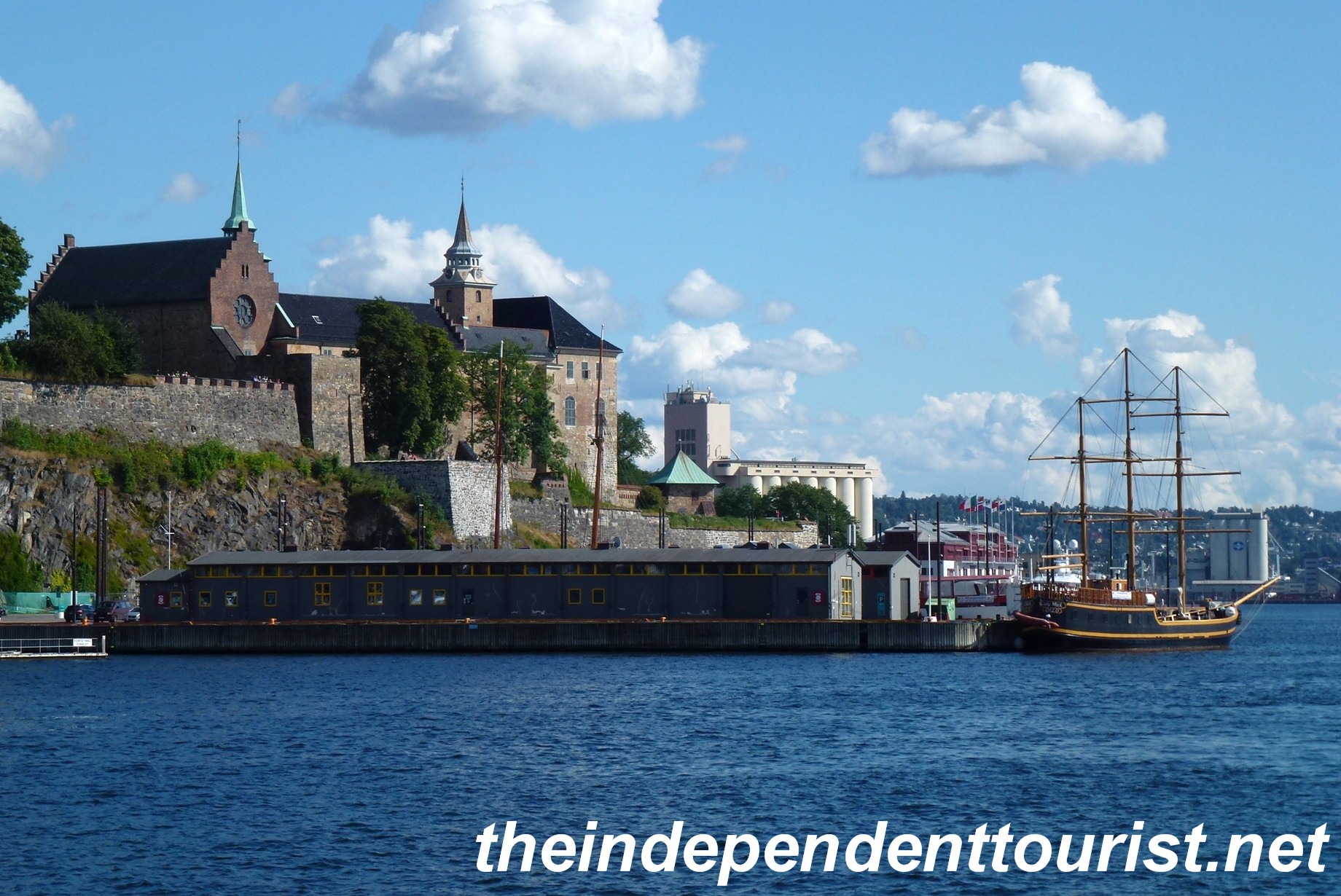
A view of Oslo's harbor from Akershus Fortress.

A view of Oslo’s harbor from Akershus Fortress.

Since our visit was part of a Northern European cruise, we only had a day. We saw a lot, and I highly recommend these sights.

Viking Ship Museum.  The Viking age lasted from 800 to 1050 AD. They ruled the seas with their fast, well-built ships and explored all the way to North America and as far south as the Mediterranean Sea. To see these original, near-perfectly preserved ships from the 9th century was quite exciting.

The Oseberg Ship - from 850 AD. The largest ship on display at the museum.
The Oseberg Ship – from 850 AD. The largest ship on display at the museum.

These ships were tombs for noblemen, and covered over in burial mounds with their jewelry, weaponry and other items. Except for grave robbers that took the valuables shortly after the burial, the ships were left totally intact and the wood was preserved due to the blue clay and turf used.  The ships were excavated between 1867 and 1904.

The museum has many other artifacts in addition to the ships. This beautifully carved sled is from the 9th century.
The Gokstad Ship, from 900 AD.

Akershus Fortress. The fortress dates from the 1290’s. In a grassy square on the property is a plaque recalling several executions that took place here by the Nazis in World War II. A number of Norwegian royal families are buried here. Even if you don’t go inside, the grounds offer a great view of Oslo’s harbor.

A view of the Akershus Fortress in Oslo Harbor.
Courtyard of Akershus Fortress.

Vigeland Sculpture Park. If you enjoy odd nude statues in all kinds of configurations and emotions, this is your park. The statues depict human life from birth to death. There are stone, iron and bronze statues here by Gustav Vigeland. It is a beautiful, large park and definitely worth seeing.

Doing our best impression of the bronze sculptures.
A few of the many sculptures at Vigeland Park.

Other tips: Oslo is a very expensive city, a can of Coke will cost you $6. The “hop on, hop off” bus was a good way to get around to the major sites. August was a great time to visit; the weather was beautiful and warm.

August is a good time to enjoy the outdoor cafes in Oslo.

August is a good time to enjoy the outdoor cafes in Oslo.

Windsor Castle – England’s Largest Castle

A statue of Queen Victoria outside Windsor Castle.

A statue of Queen Victoria outside Windsor Castle.

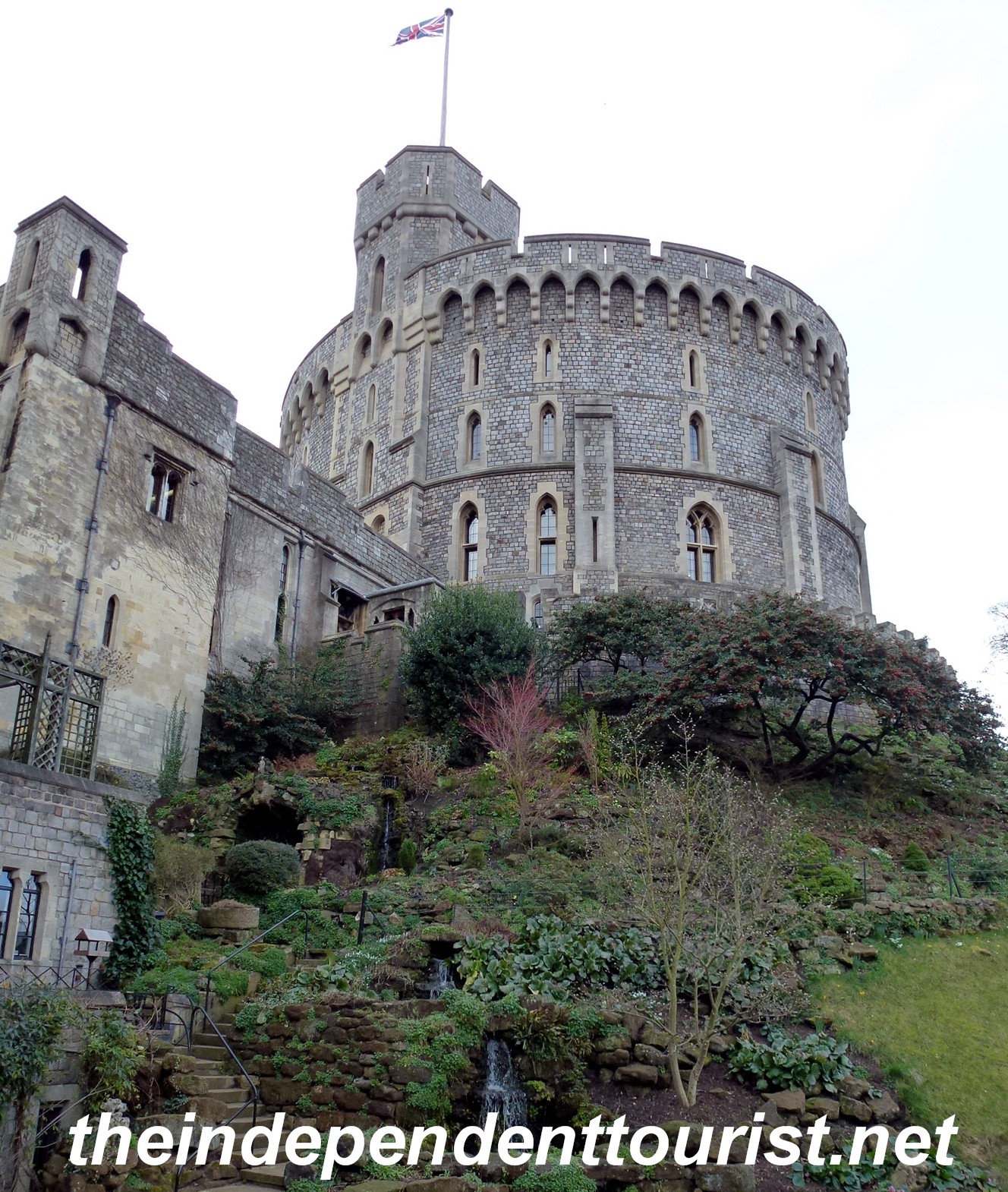
If you only have time to visit one castle in England, it should be Windsor, located just 25 miles west of London and only 8 miles from Heathrow Airport. It’s easy to get a bus to Windsor from the airport. Windsor is the largest inhabited castle in the world and the largest castle in England, with 1,000 rooms to keep track of (and clean).

Tourists gathering for a Changing of the Guard ceremony at Windsor Castle.

Tourists gathering for a Changing of the Guard ceremony at Windsor Castle.

William the Conqueror started a castle on these grounds in 1070, and the castle has been a home of England’s royalty ever since.

The Keep at Windsor Castle. Its rooftop is open during the summer (I was there in February).

The Keep at Windsor Castle. Its rooftop is open during the summer (I was there in February).

St. George’s Chapel is the highlight of a visit, and even though it suffered major damage from a huge fire in 1992, it looks great today. The restoration was painstaking, the replacement wooden beams were carved and fitted using medieval tools and methods.

The exterior of St. George's Chapel.

The exterior of St. George’s Chapel.

Albert Memorial Chapel in St. George's Chapel at Windsor Castle.

Albert Memorial Chapel in St. George’s Chapel at Windsor Castle.

In this chapel lie the tombs of many of England’s royalty. One of my favorite sights was seeing the huge sword of Edward III (from about 1348). It has to be about 6 feet long – I can’t imagine using it in battle!  Edward III was born at Windsor Castle and began the military campaigns in France that started the Hundred Years War.

A stairwell in Windsor Castle.

A stairwell in Windsor Castle.

Windsor is a “working” castle, and since it is the part-time residence of Queen Elizabeth II, security is tight and pictures inside the castle are almost impossible. It’s also worth strolling through the town, which is quite picturesque, sitting next to the Thames River.

The "Crooked House" of Windsor.

The “Crooked House” of Windsor.

A view of the Thames River in Windsor.

A view of the Thames River in Windsor.

The Sights of Copenhagen – Part 3

In my final post on Copenhagen, I will share a few more sights we visited. Copenhagen has so much to offer, it seems around every corner there’s another interesting building, monument or museum. It’s worth just wandering along the canals and streets to see what you can discover.

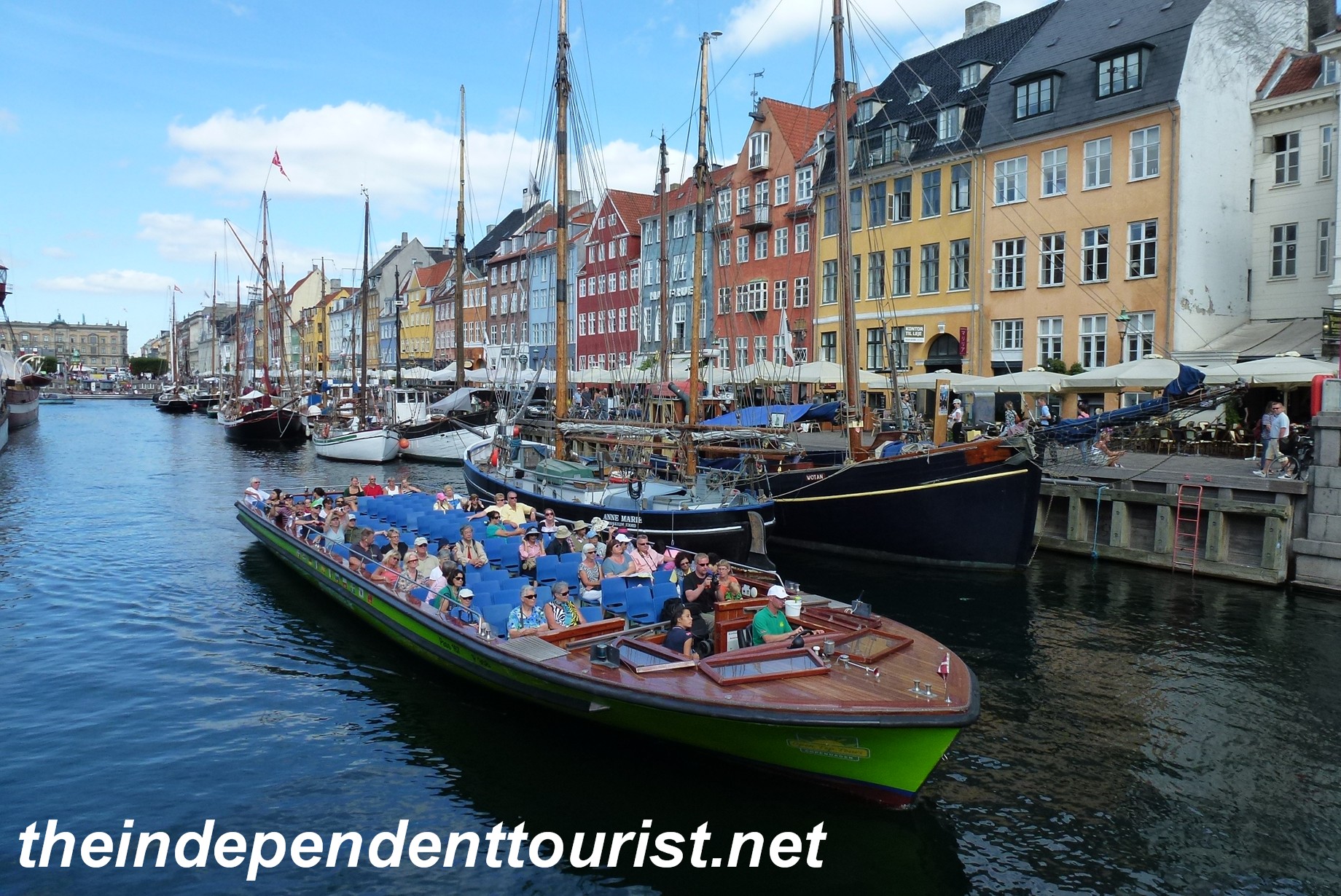
Nyhavn means “new harbor” in Danish and dates from the 17th century. It was a significant port in Copenhagen until the early 1900’s. Like many port areas, it was a bit seedy in its heyday but now has been restored and is a popular area for tourists, with many restaurants and cafes. Hans Christian Andersen, the Danish author and poet lived here for 18 years.

The Nyhavn district. Lots of restored 17th and 18th century houses and old ships along the canal.

The Nyhavn district. Lots of restored 17th and 18th century houses and old ships along the canal.

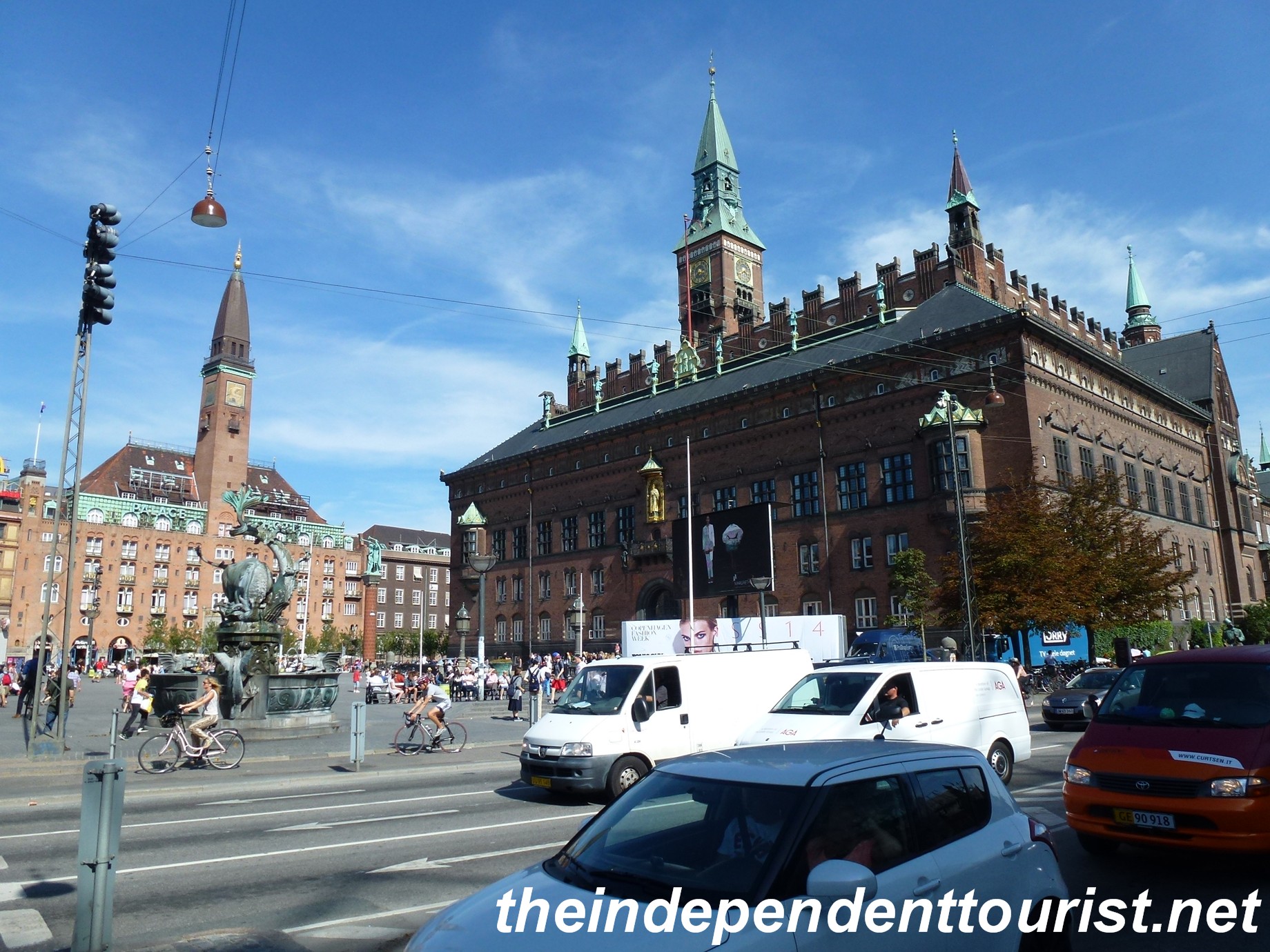
Radhus Square. The Radhus is the Copenhagen City Hall. Although it looks older, it was built at the beginning of the 20th century. This square, right next to the world famous Tivoli Gardens, is a very popular people watching and restaurant spot.

The Radhus is on the right. Great area for strolling and people watching.

The Radhus is on the right. Great area for strolling and people watching.

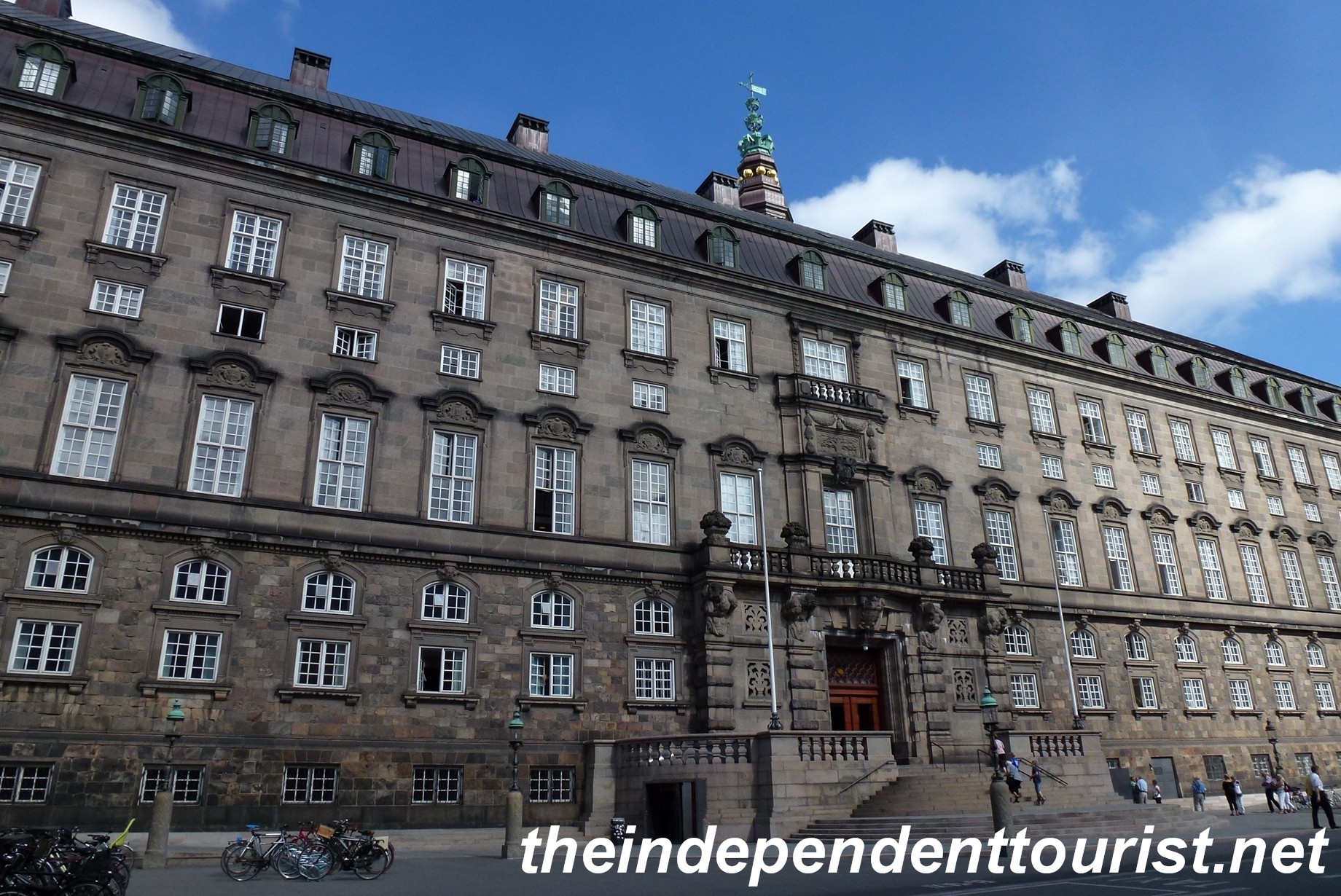
Christiansborg Palace. This is the center of the Danish government, used by the Danish parliament, Supreme Court, Prime Minister and the monarchy. The first castle was constructed here in 1167, and some of the ruins from this castle remain preserved and open to tourists underneath the current structure. Although some parts are older, most of the palace we see today was constructed in the early part of the 20th century.  Having been to many palaces, we did not take a tour.

Christiansborg Palace is huge, this is the visitor's entrance side.

Christiansborg Palace is huge, this is the visitor’s entrance side.

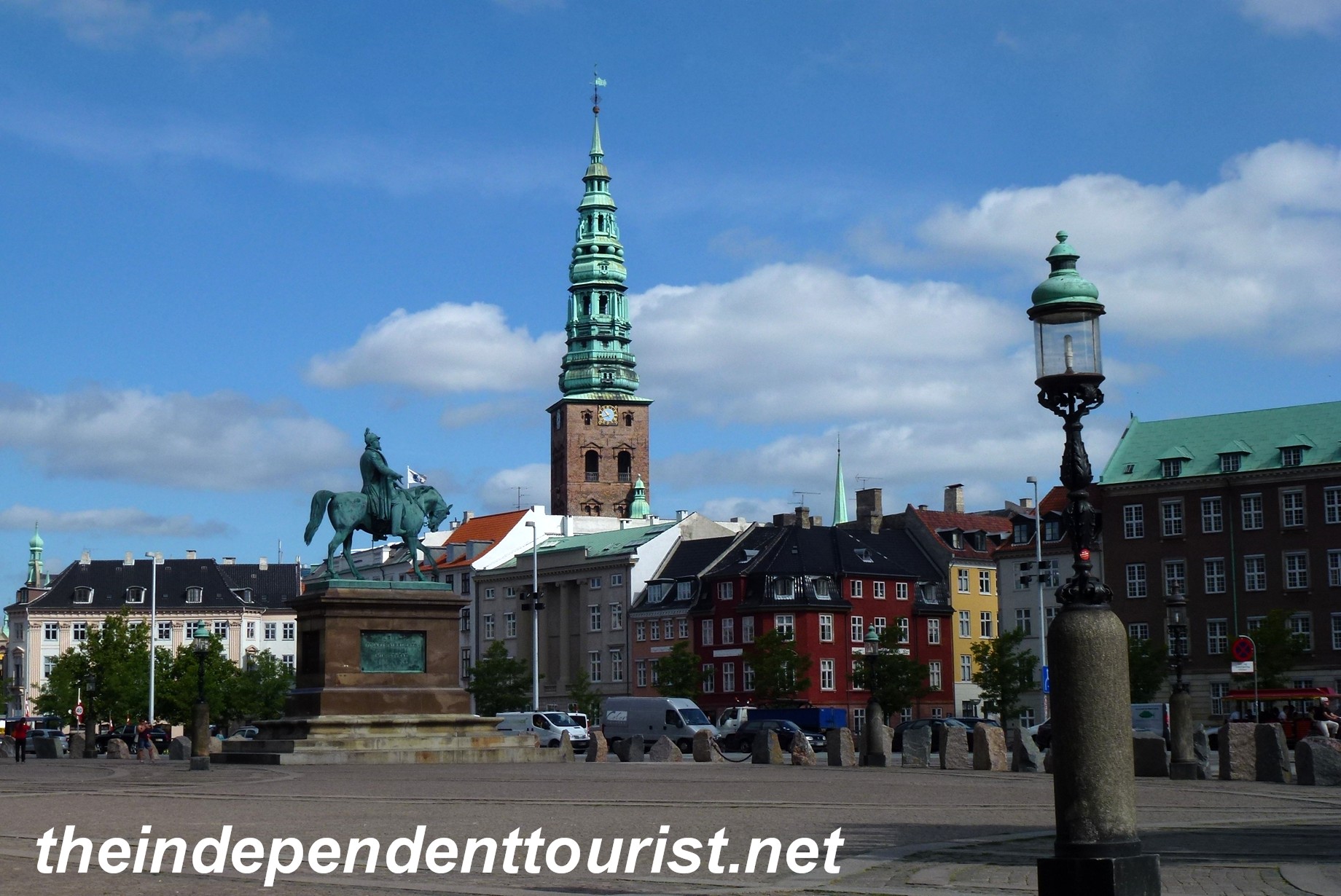
Christiansborg Plaza, near the Palace.

Christiansborg Plaza, near the Palace.

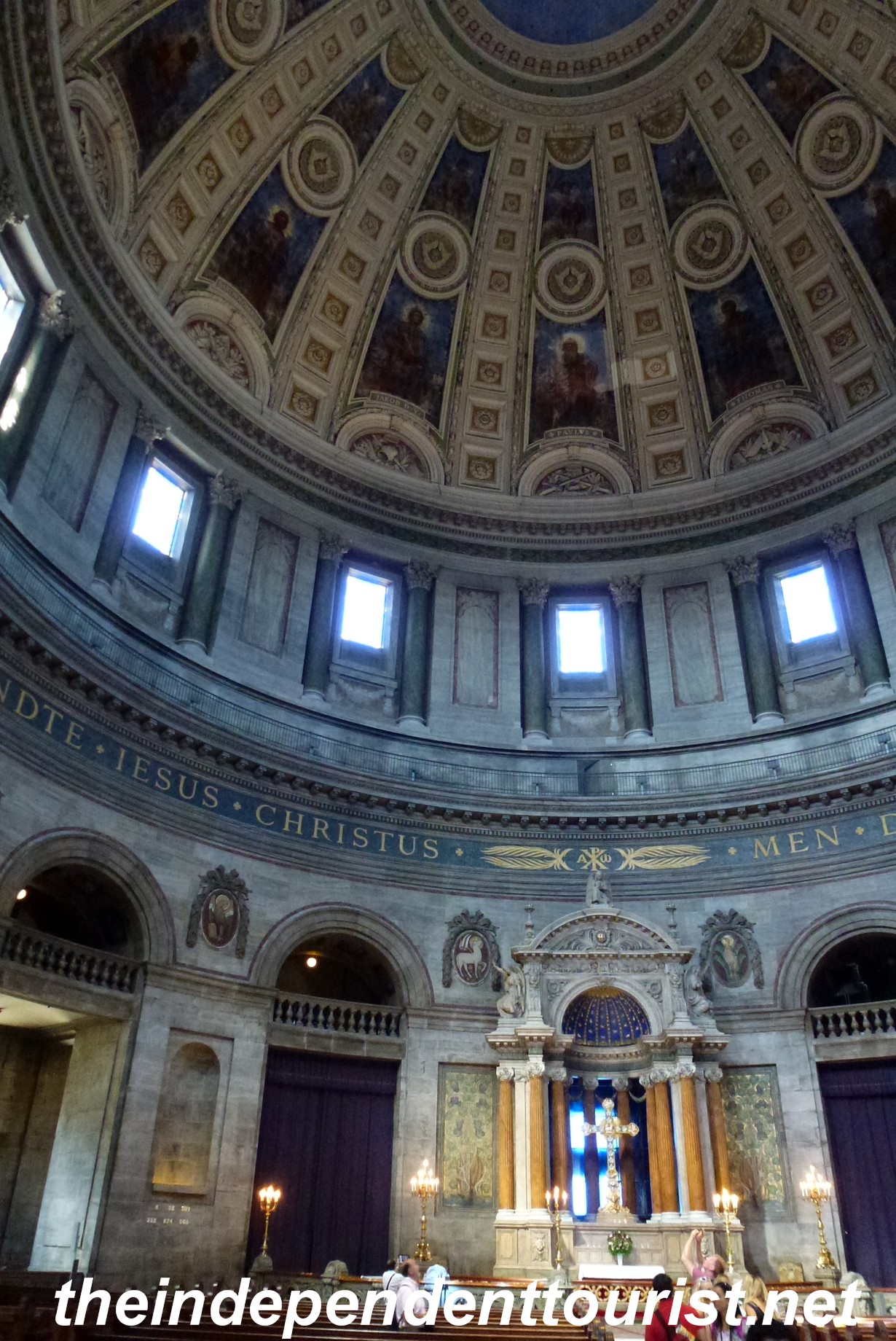
Marble Church or Frederik’s Church. This impressive Lutheran church contains the largest dome in Scandinavia. It reminded us just a bit of St. Peter’s in Rome, but of course not nearly on the same scale. It has an interesting history. Construction started in the 1700’s but it sat as an unfinished shell for about 150 years, until the late 1800’s, due to a lack of funds to finish construction.

The interior of the Marble Church.

The interior of the Marble Church.

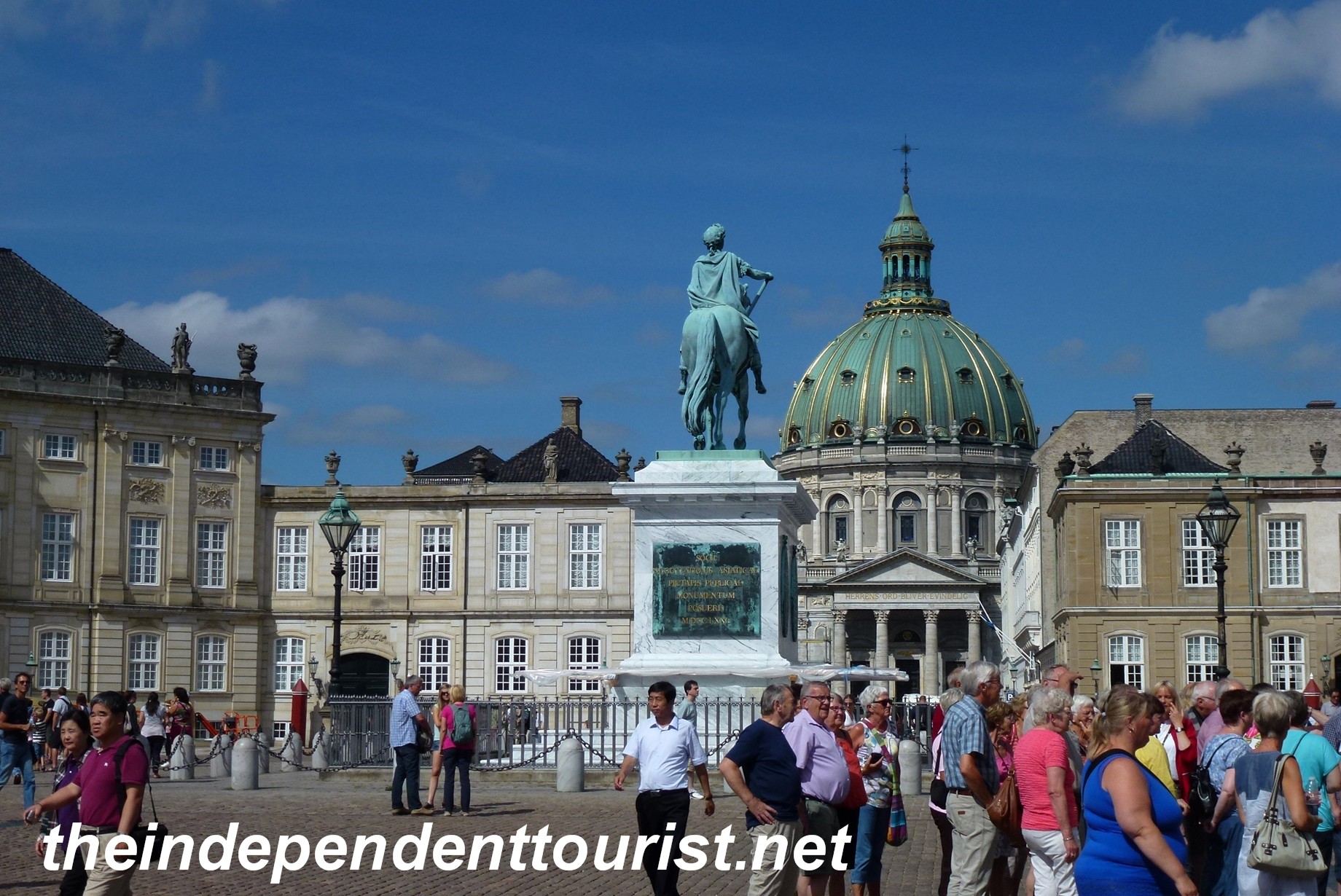
The Marble Church (large domed building) from Amalienborg Palace Courtyard.

The Marble Church (large domed building) from Amalienborg Palace Courtyard.

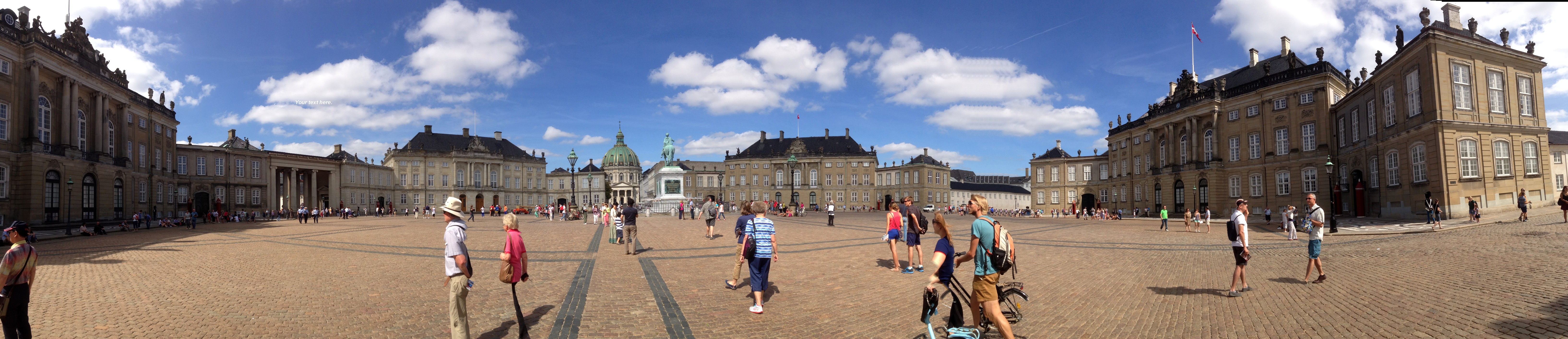
A panoramic view of Amalienborg Palace and Courtyard.

A panoramic view of Amalienborg Palace and Courtyard.

Visitors can climb to the top of the dome for a great view of Copenhagen, but plan on doing this in the afternoon, it was not open yet when we visited in the late morning. Amalienborg Palace, the winter home of the Danish royal family surrounds a huge courtyard leading up to the entrance of the church, making this an impressive sight.

Visiting Luxor, Egypt

About 400 miles (640 km) south of Cairo sits the city of Luxor, on the Nile River. This was one of my favorite spots in Egypt, since there is so much to do here. We arrived by overnight train from Cairo. We didn’t get much sleep on the train, but the sleeper car accommodations were fine and it was a fun way to travel at least once.

Arriving in Luxor after an overnight ride from Cairo.

Arriving in Luxor after an overnight ride from Cairo.

The interior of our sleeper car for the overnight ride to Luxor from Cairo (there is a bed that folds down above the couch).

The interior of our sleeper car for the overnight ride to Luxor from Cairo (there is a bed that folds down above the couch).

Luxor makes a good base for exploring the region. There is a lot to do in this area, we spent 4 days and could have easily spent more.  For a map of places we visited in Egypt, click here.

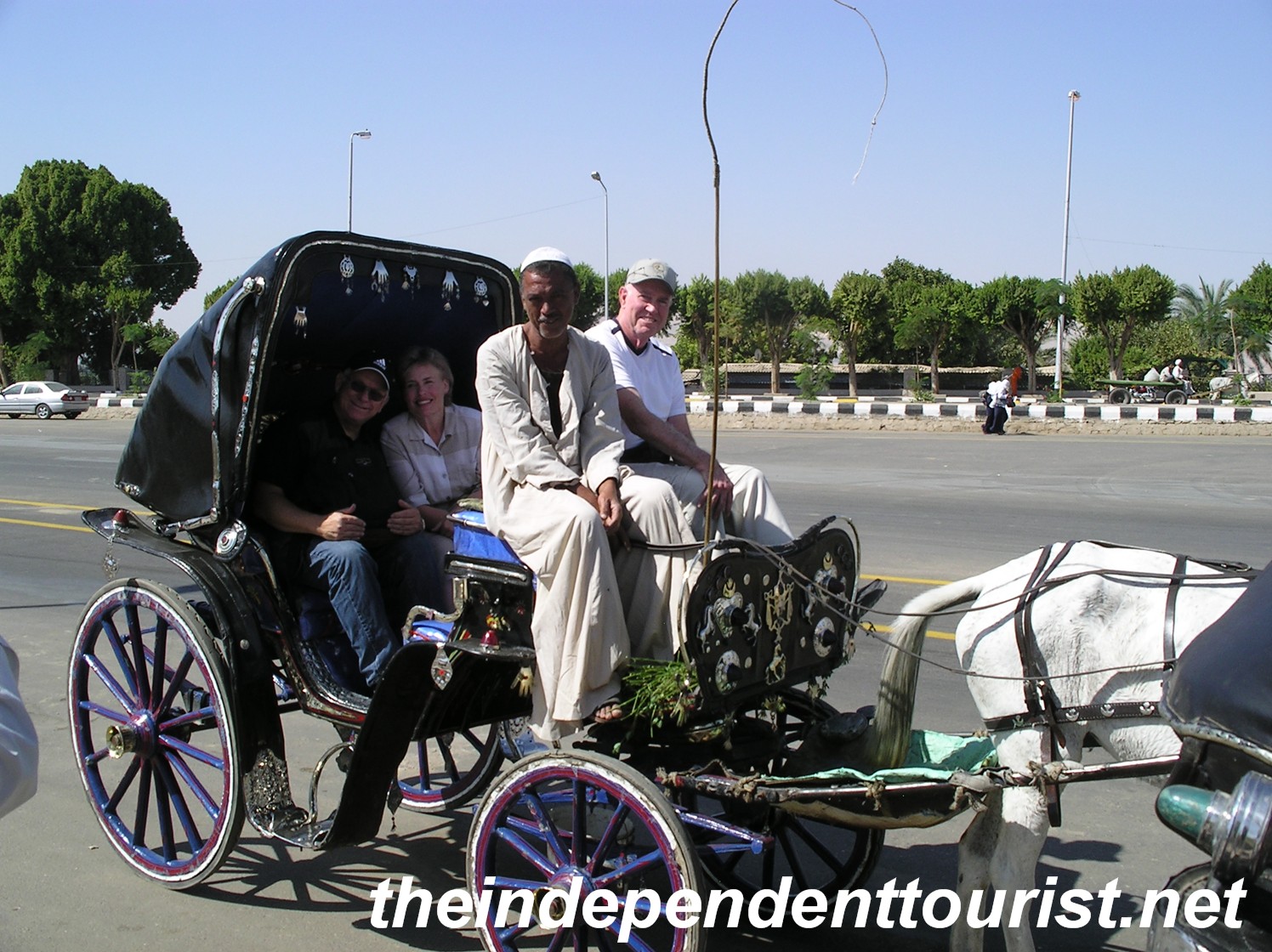
Luxor is on the east bank of the Nile, and in addition to the temple at Luxor, the huge Karnak temple complex is just two kilometers north along the Corniche (I will do a separate post on Karnak). There are lots of restaurants along the Corniche, and it’s fun to sit outside in the evening watching the sun set over the Nile. You can walk or get a carriage (bargain hard!) or bicycle to take you between the two temples.

My sister, brother in-law and father in-law taking a ride from Luxor to Karnak.

My sister, brother in-law and father in-law taking a ride from Luxor to Karnak.

Just across the west bank of the Nile is the Valley of the Kings, among many other tombs and temples. A bit farther afield, but doable by day trips, are the temples of Dendara (north) and Edfu (south). This post will concentrate on Luxor itself.

Luxor Temple

The temple sits close to the bank of the Nile and is in the heart of the town.

The First Pylon, or entrance to Luxor Temple.

The First Pylon, or entrance to Luxor Temple.

It dates to the time of Amenhotep III (who reigned 1390 – 1352 BC) and was already a tourist site by the time of the Greeks and Romans!

Statues of Ramses II, in the Courtyard of Ramses II.

Statues of Ramses II, in the Courtyard of Ramses II.

The Colonnade of Amenhotep III at Luxor Temple.

The Colonnade of Amenhotep III at Luxor Temple.

The temple site was rediscovered and excavated in 1881, having been covered by sand and silt over the centuries. A small village had sprouted up on top of the temple and even today there is a mosque from this time still enclosed within the temple ruins, an odd juxtaposition.

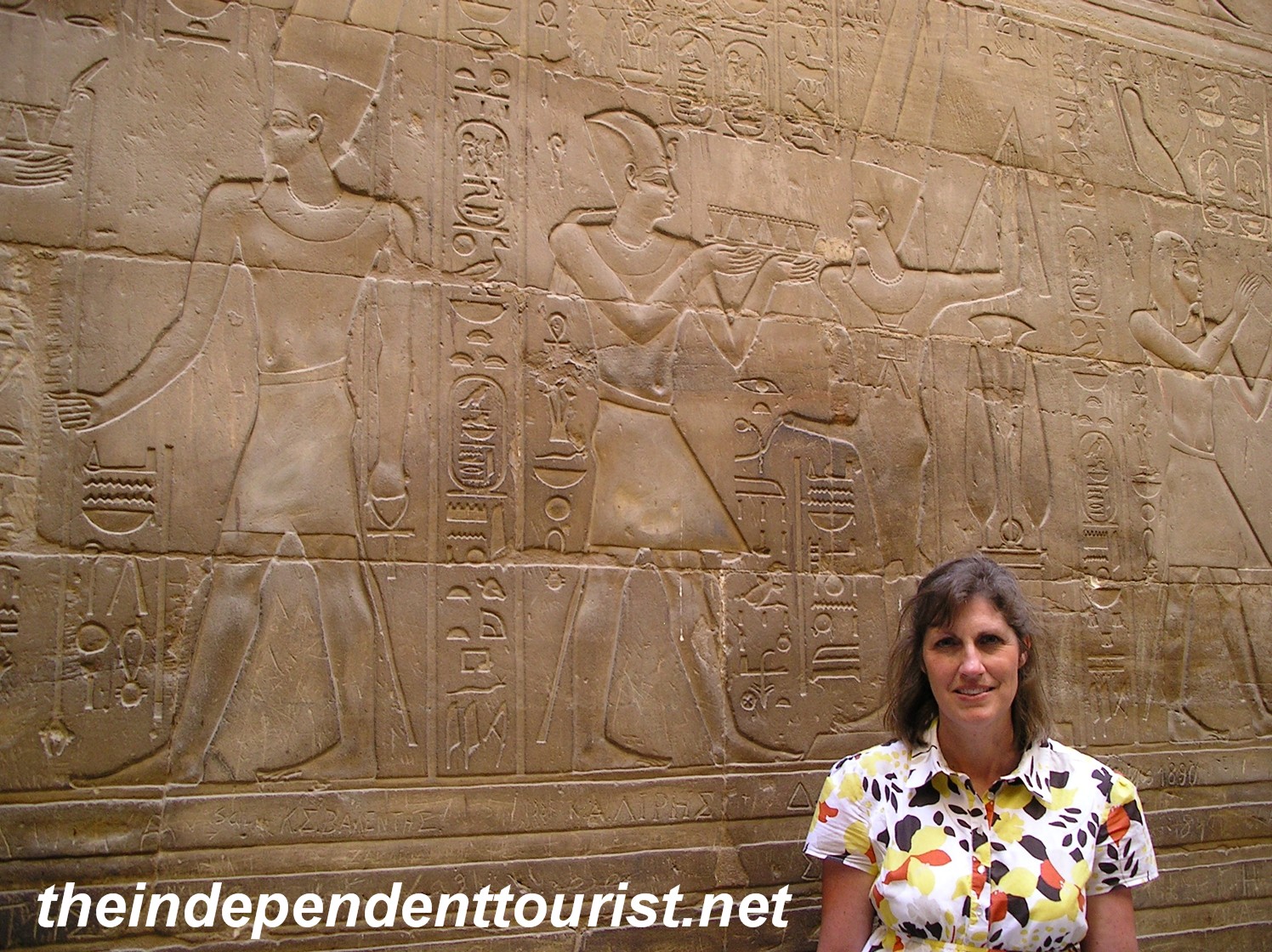
A chamber of the Luxor Temple with hieroglyphic writings.

A chamber of the Luxor Temple with hieroglyphic writings.

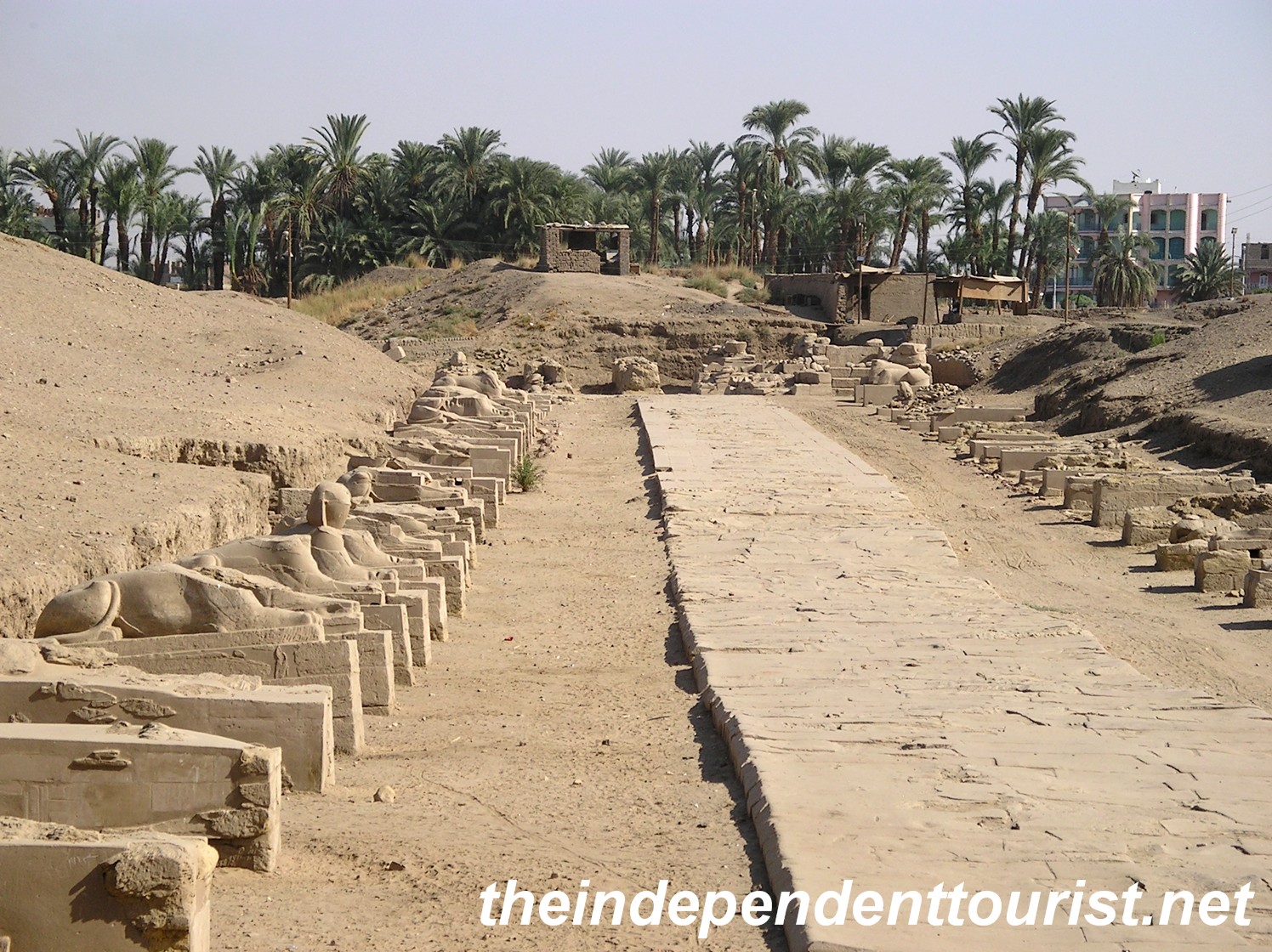
The Avenue of the Sphinxes, which connected Luxor with Karnak.

The Avenue of the Sphinxes, which connected Luxor with Karnak.

I strongly suggest visiting the temple at Luxor first and then visiting Karnak. Luxor is great, but the scale and size of Karnak is so massive, it makes Luxor almost seem puny, so work your way north. Also, Luxor Temple is lit up at night and is quite striking. Be sure to visit then too.

Luxor Temple at night.

Luxor Temple at night.

Taking a carriage ride through the markets of Luxor.

Taking a carriage ride through the markets of Luxor.

A local market in the outskirts of Luxor.

A local market in the outskirts of Luxor.

Both temples can be easily seen in a day, leaving time to wander through the interesting markets in Luxor and maybe taking a dip in your hotel’s pool afterwards.

The Sights of Copenhagen – Part 2

There’s lots to see in Copenhagen, here’s part two of a three-part series.

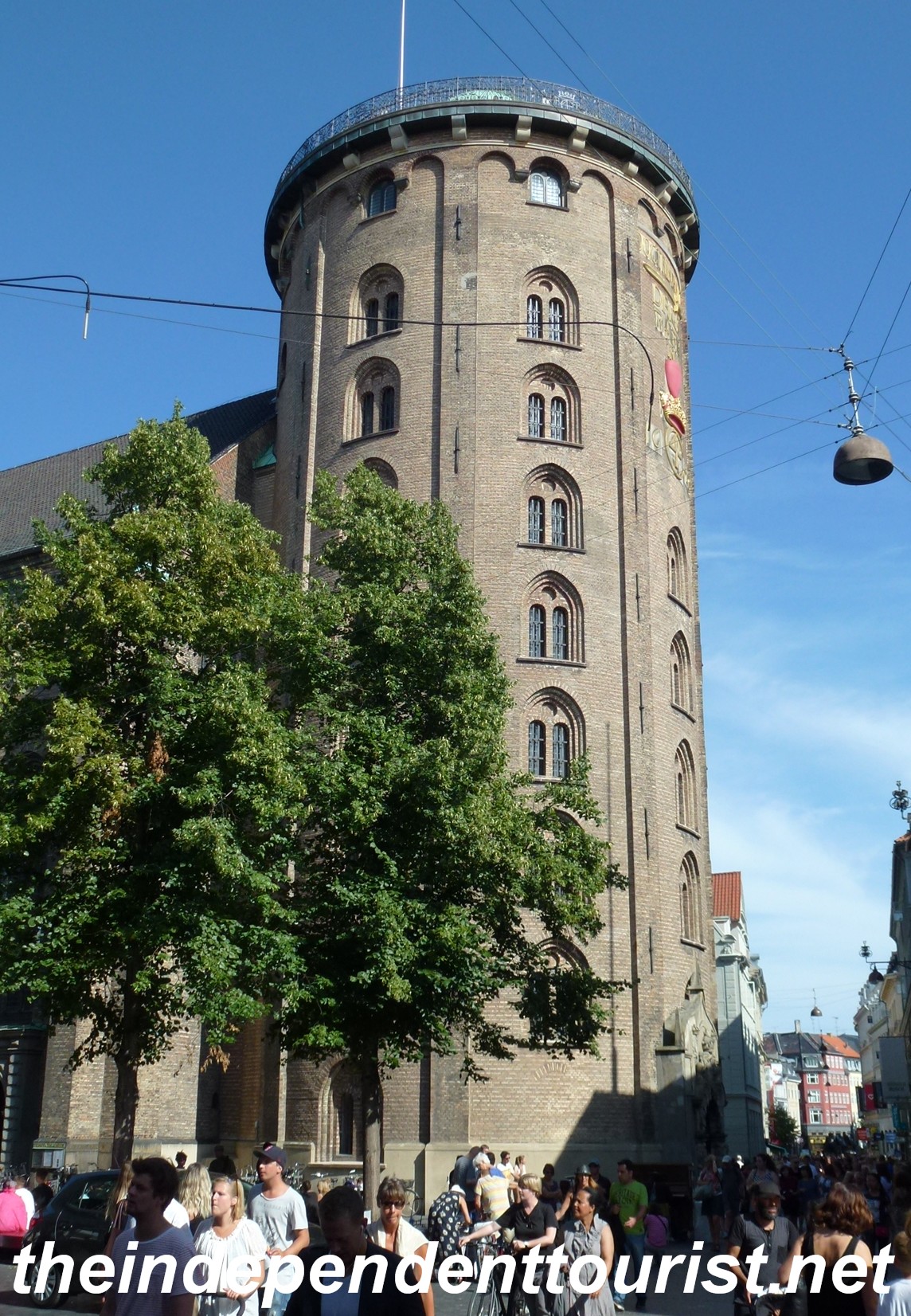
The Round Tower was built between 1637 and 1642, and was used as an astronomical observatory until 1861 by the University of Copenhagen. It’s 114 feet tall and offers a good view of the Copenhagen skyline. There is still an observatory at the top, and it is open during the winter months and a limited period in the summer (I would think the lights of Copenhagen would interfere with the celestial views at night?).

The Round Tower is in the heart of Copenhagen.

The Round Tower is in the heart of Copenhagen.

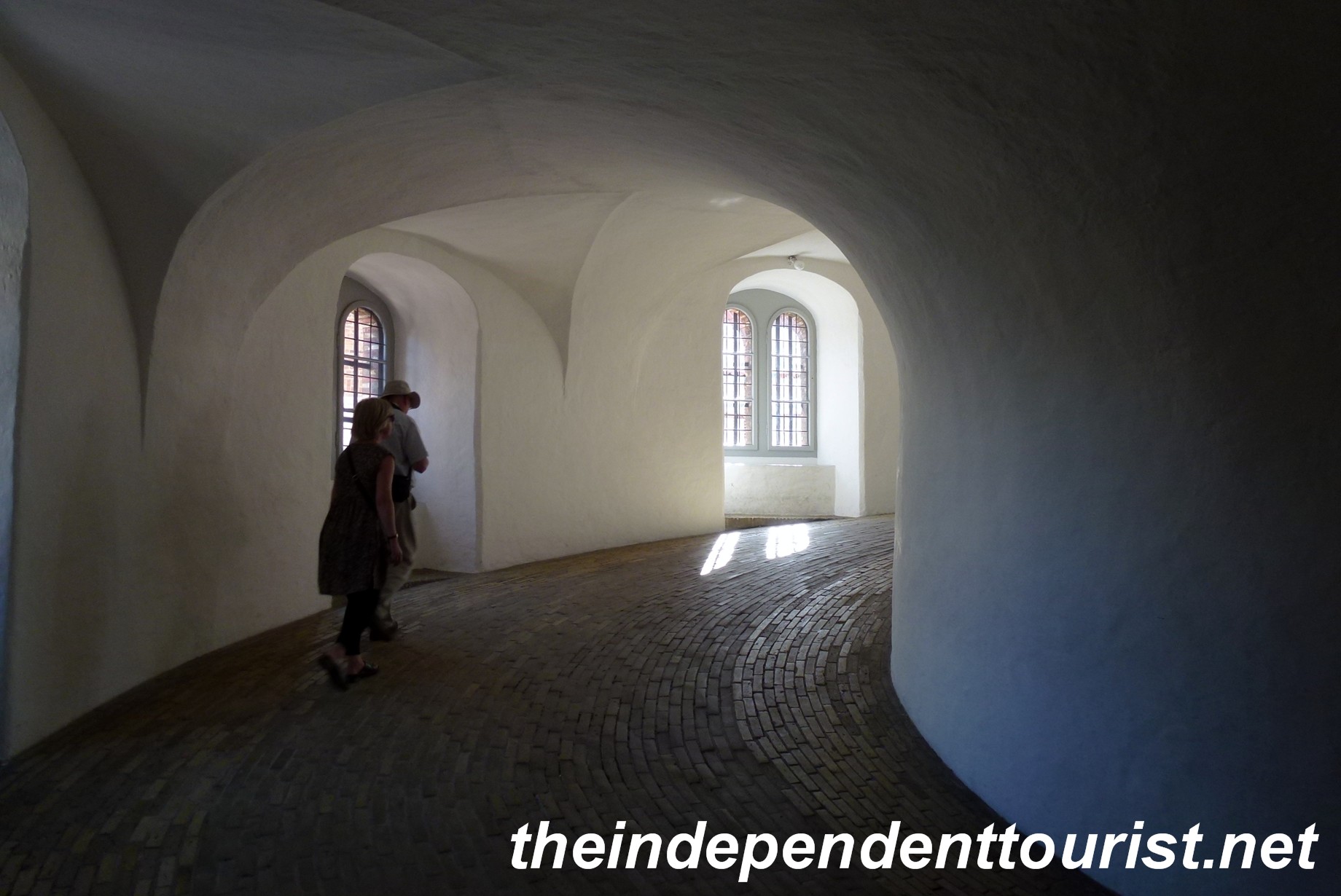
The sloping circular walkway winds its way to the top of the Round Tower.

The sloping circular walkway winds its way to the top of the Round Tower.

Visitors can take the circular walkway to the top for great views throughout the year.

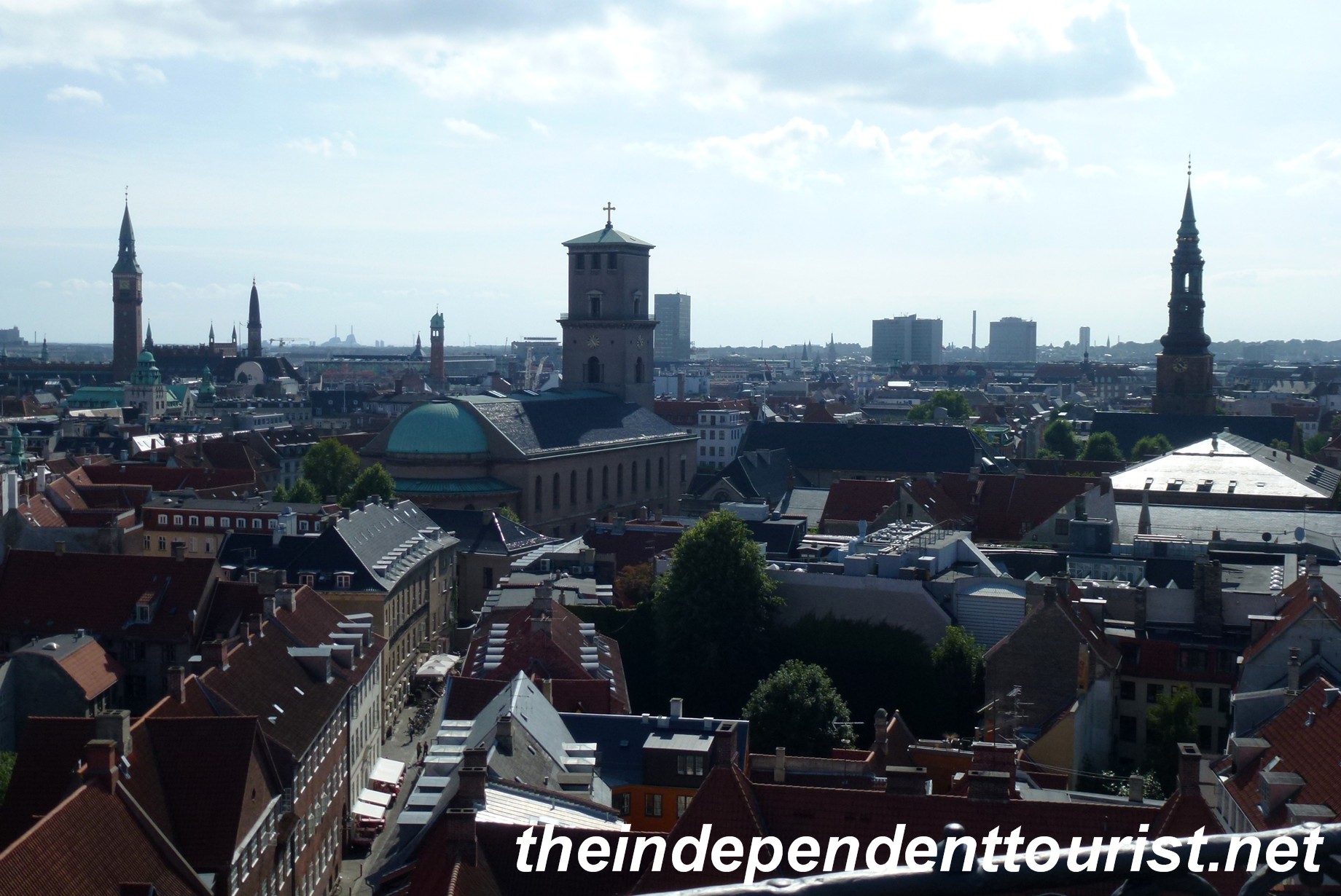
View of Copenhagen from the Round Tower. The church in the center is The Church of Our Lady, discussed below.

View of Copenhagen from the Round Tower. The church in the center is The Church of Our Lady, discussed below.

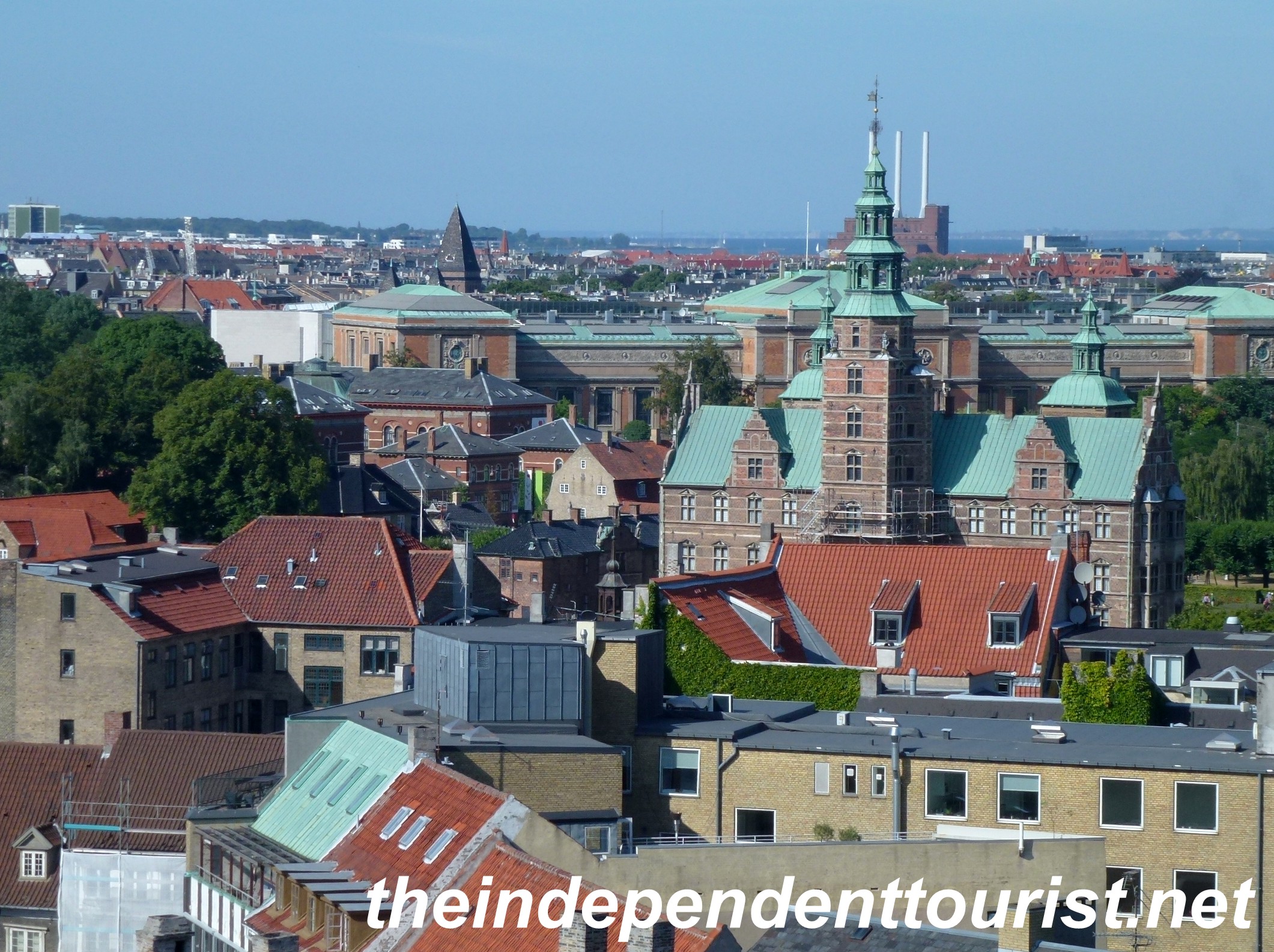
The Round Tower is also very close to the 17th century Rosenborg Slot (castle) right in the heart of Copenhagen.

View of Rosenborg Castle (center right) from the Round Tower.

View of Rosenborg Castle (center right) from the Round Tower.

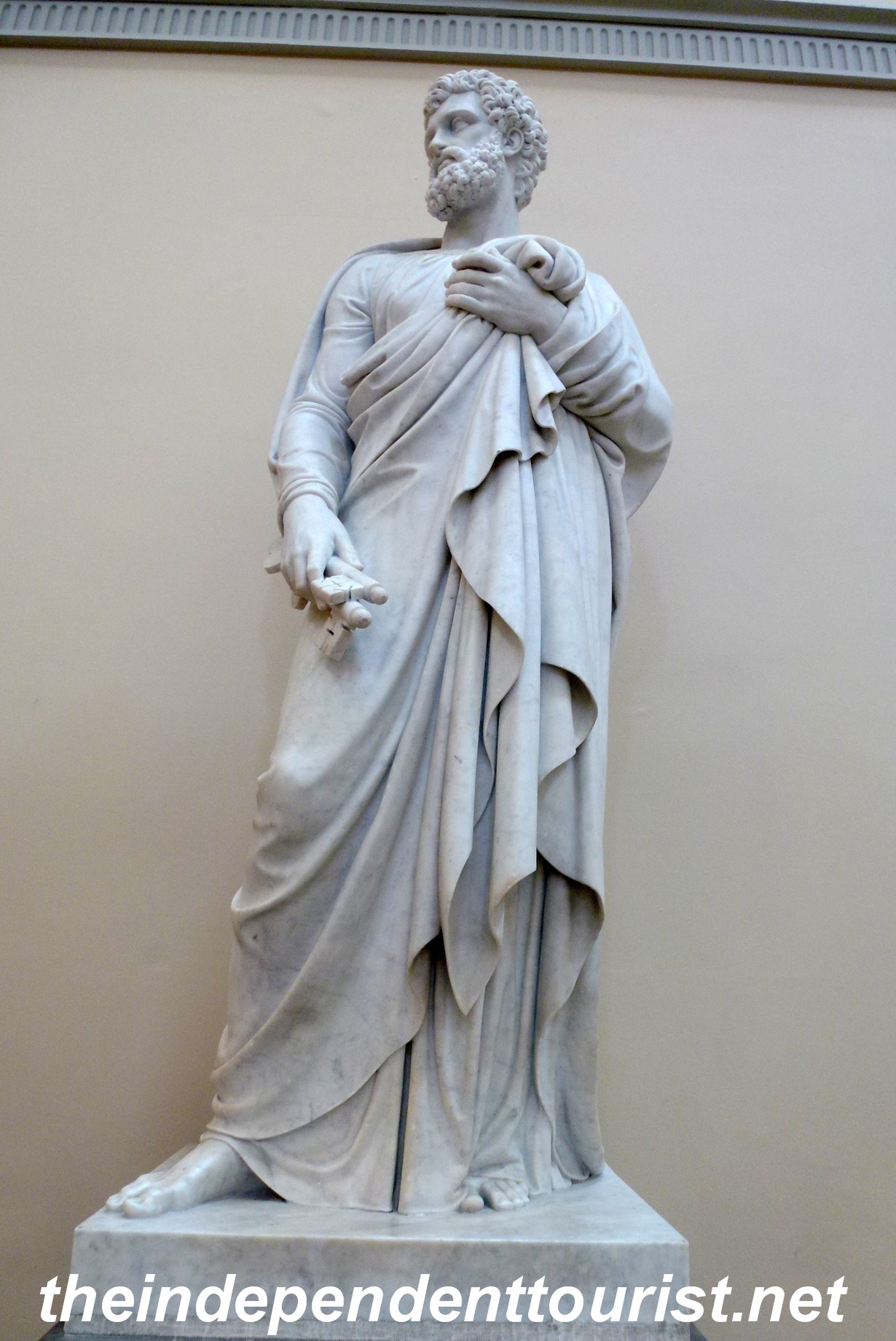
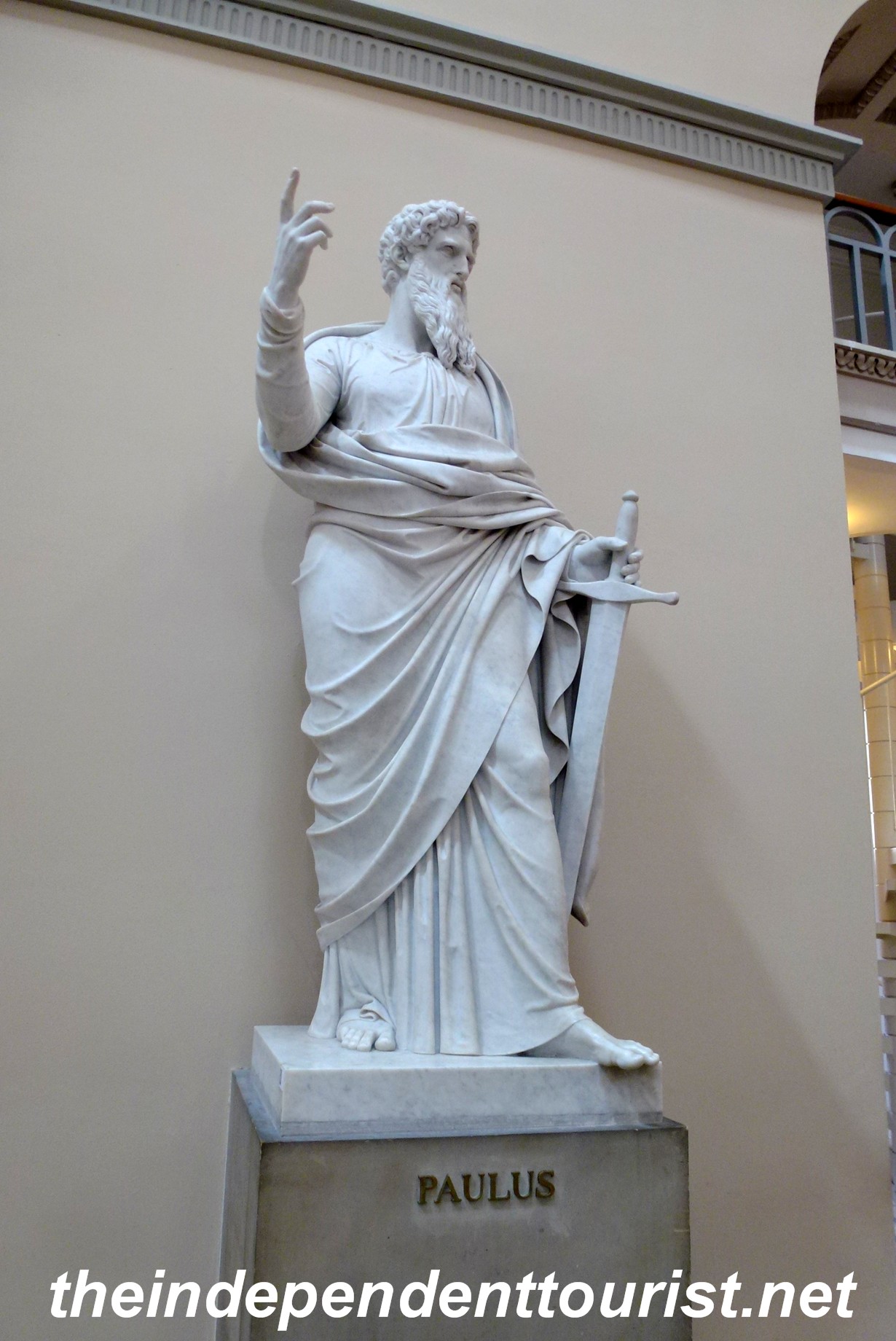
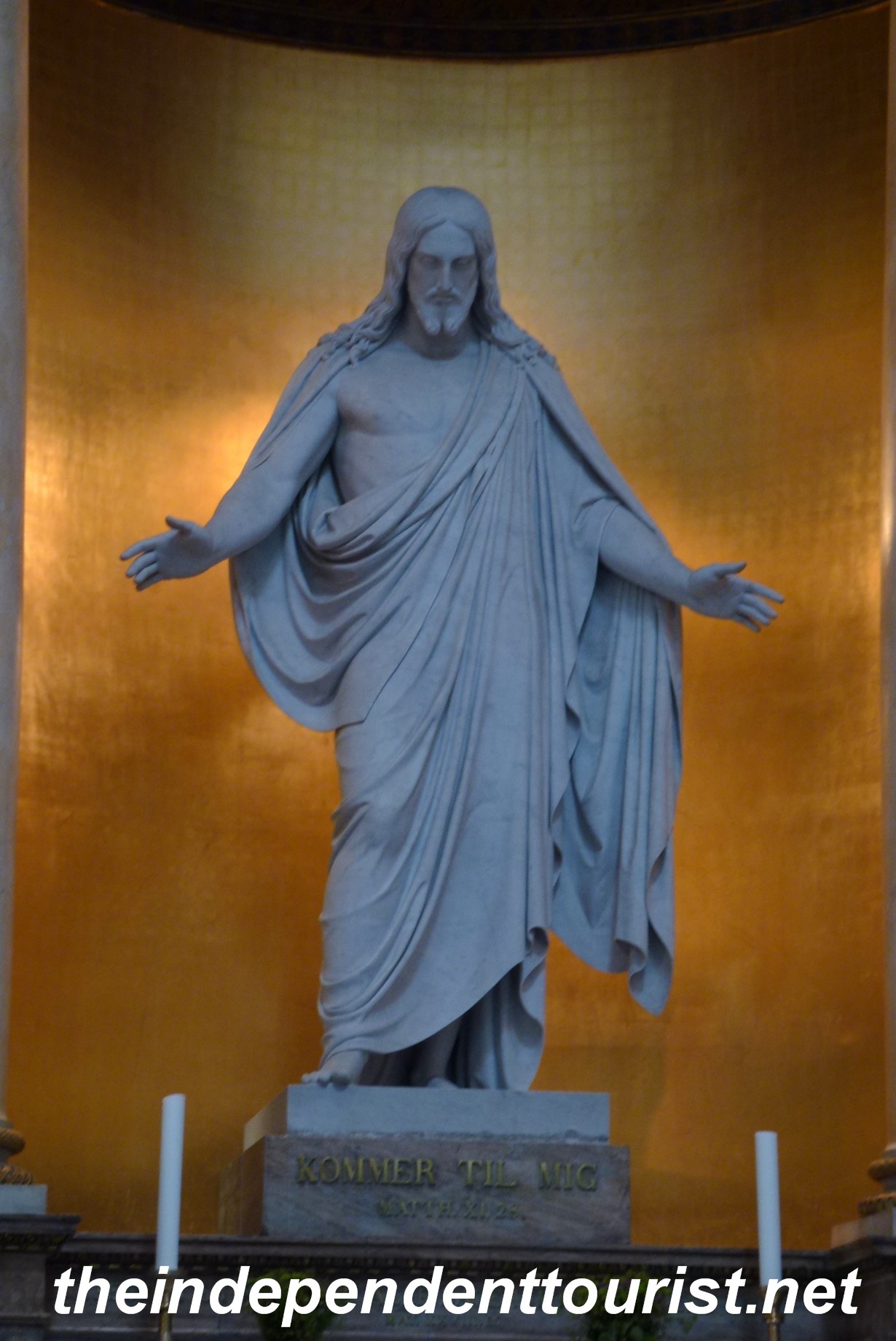
The Church of Our Lady (Vor Frue Kirke). This is the national cathedral of Denmark and several churches have been built on this spot since the 1200’s.  Many coronations of Danish kings have happened here. The current edifice dates from 1829. This church has the famous Bertel Thorvaldsen’s marble statues of Christ and the apostles.

St. Peter, holding the keys of the Kingdom.

St. Peter, holding the keys of the Kingdom.

Statue of St. Paul in the The Church of Our Lady.

Statue of St. Paul in the The Church of Our Lady.

The Christus statue in The Church of Our Lady.

The Christus statue in The Church of Our Lady.

These works are very impressive and beautiful. Having seen a replica of the Christus at the Mormon Visitor’s Center in Salt Lake City I was very interested in seeing the original in Copenhagen.

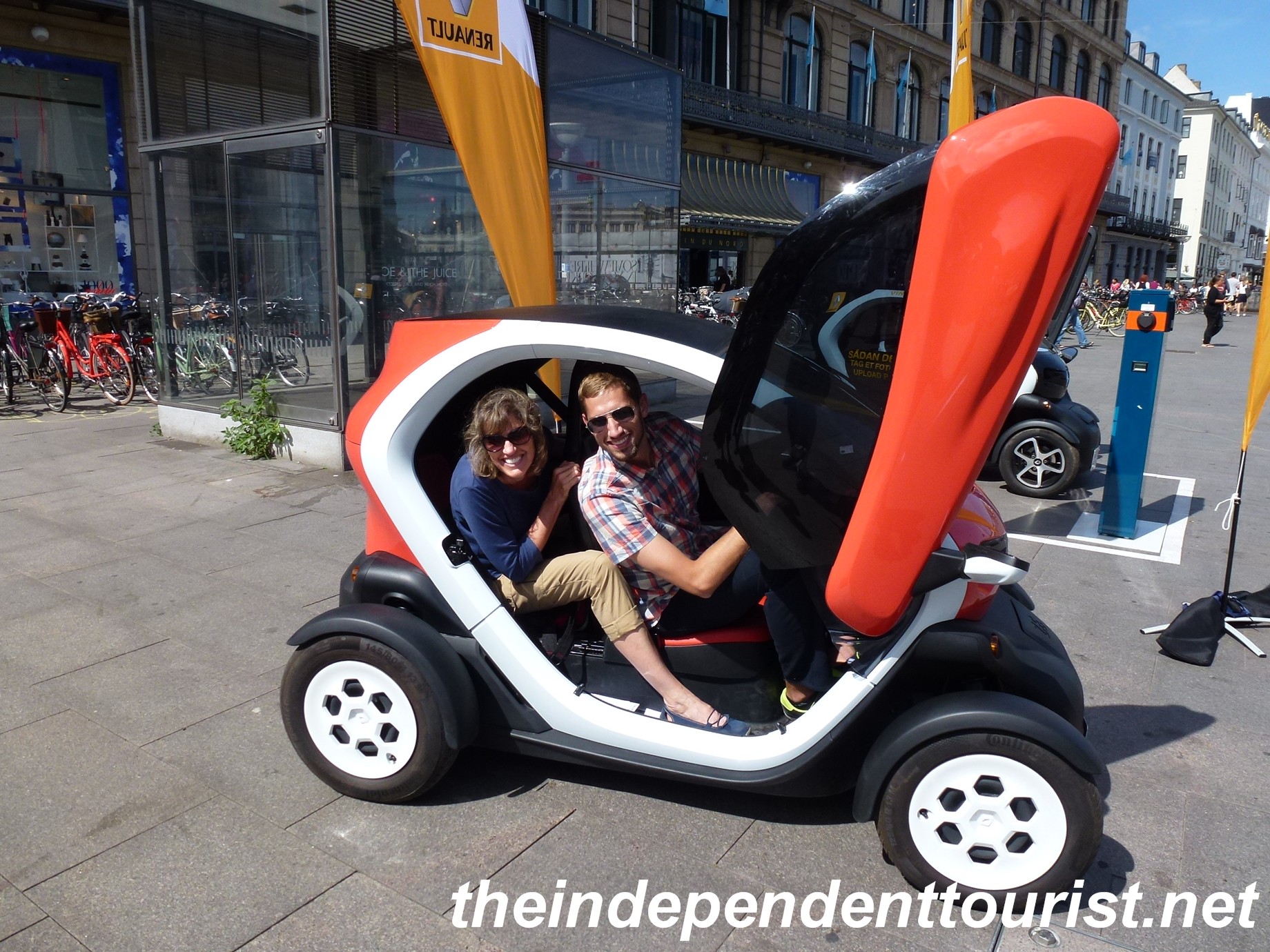
Twizy by Renault. The Twizy, a small electric car built by Renault has a range of about 60 miles. Given how tight the seating area is, I wouldn’t want to go much farther than 60 miles! Ok, this isn’t specific to Copenhagen, but in such a compact city it would be a good way to get around! There was a promotion going on and my wife and son had to check it out.

The two-seater Twizy car.

The two-seater Twizy car.

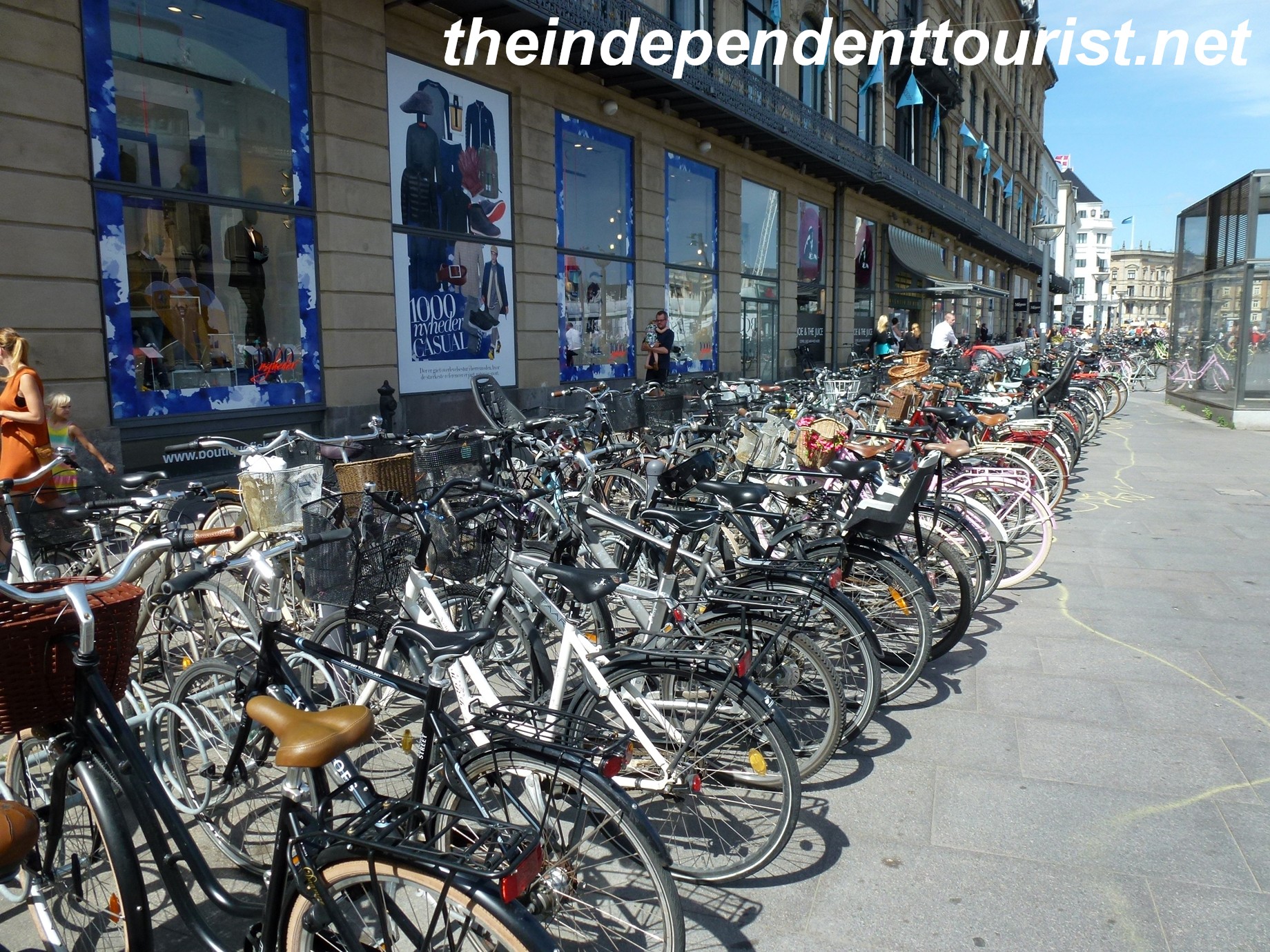
Bicycles are a primary means of transportation throughout Copenhagen. The terrain is flat and bikes are much easier to park and maintain than cars in this city.

Ubiquitous bycicles in Copenhagen.

Ubiquitous bycicles in Copenhagen.

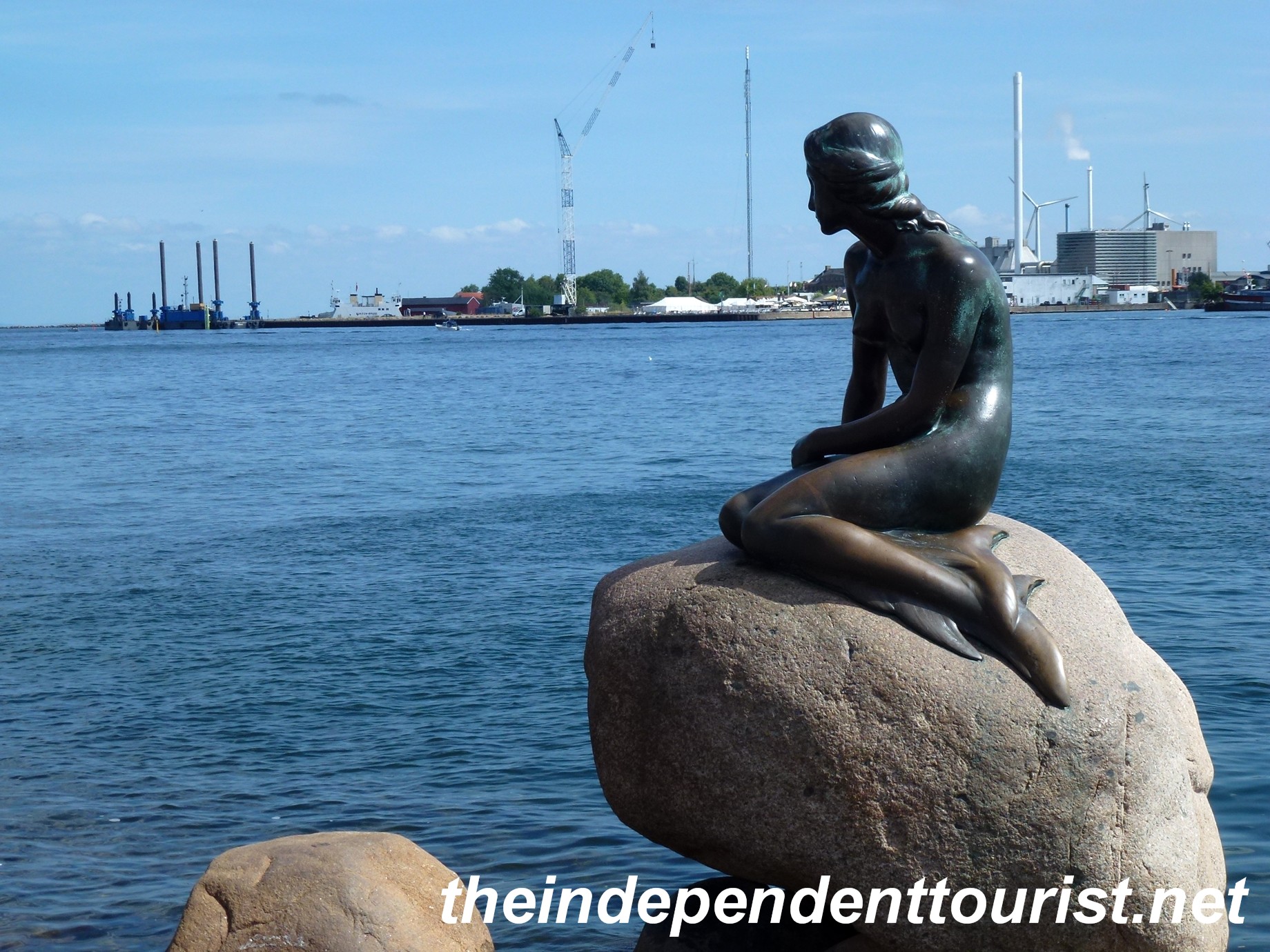
The Little Mermaid. I had imagined that this bronze sculpture would be more in the heart of Copenhagen, and was surprised that it’s located a bit north of the downtown (still within walking distance if you like long walks) and not too far from where the cruise ships dock.

The Little Mermaid contemplates life sitting on a rock right next to the shore.

The Little Mermaid contemplates life sitting on a rock right next to the shore.

This statue is the symbol of Copenhagen and always has a crowd around it, even though it’s fairly small and not all that exciting!

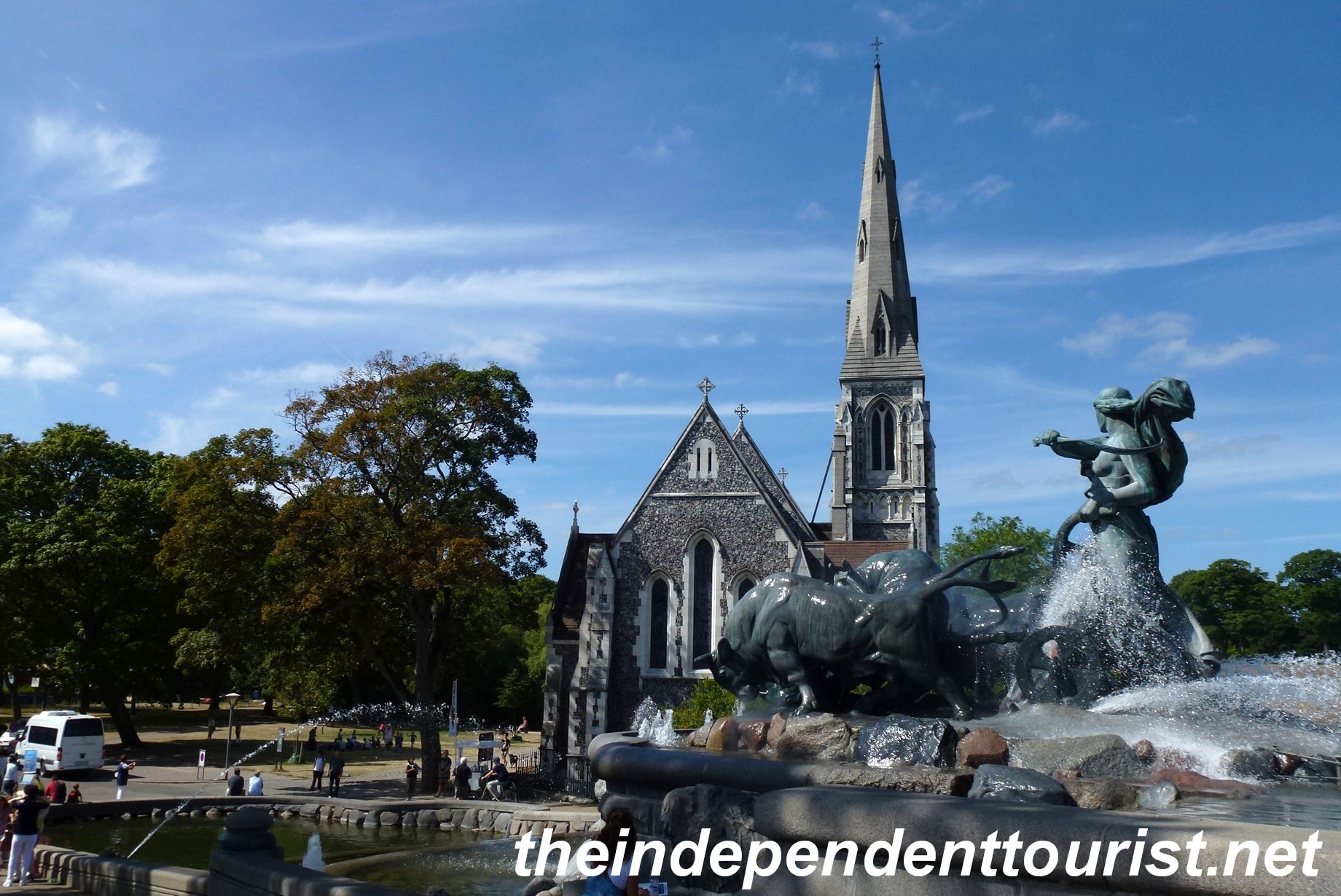
St. Alban’s Church (The English Church). This is a 19th century Anglican Church, built in the late 1800’s for the considerable English population in Copenhagen.  It definitely has the look and feel of a British countryside church.

St. Alban's Church and Gefion fountain.

St. Alban’s Church and Gefion fountain.

Some of the building materials (such as the roof tiles) are from England. Next to the church is Gefion fountain, celebrating the Norse goddess, Gefion.

The Sights of Copenhagen – Part 1

Copenhagen is a great city for tourists with lots to see in a relatively compact area. We spent about a day and a half exploring the town, walking everywhere. With all the canals and harbors, Copenhagen reminded me (just a tiny bit) of Amsterdam, but it definitely has its own personality and character.

Christianshavn

This is a neighborhood located across a large canal on the east side of the old town and originally was part of the fortifications of Copenhagen.

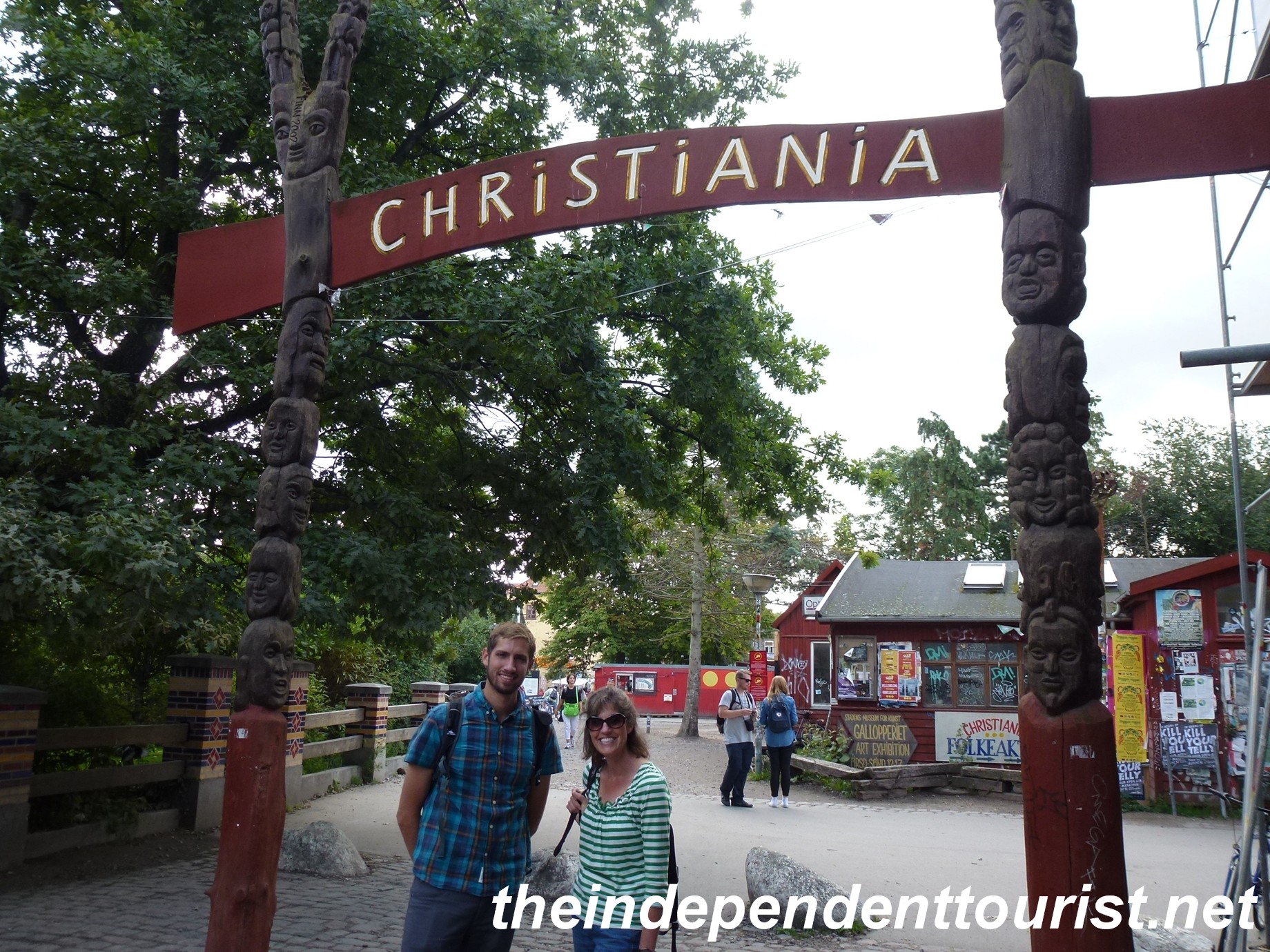
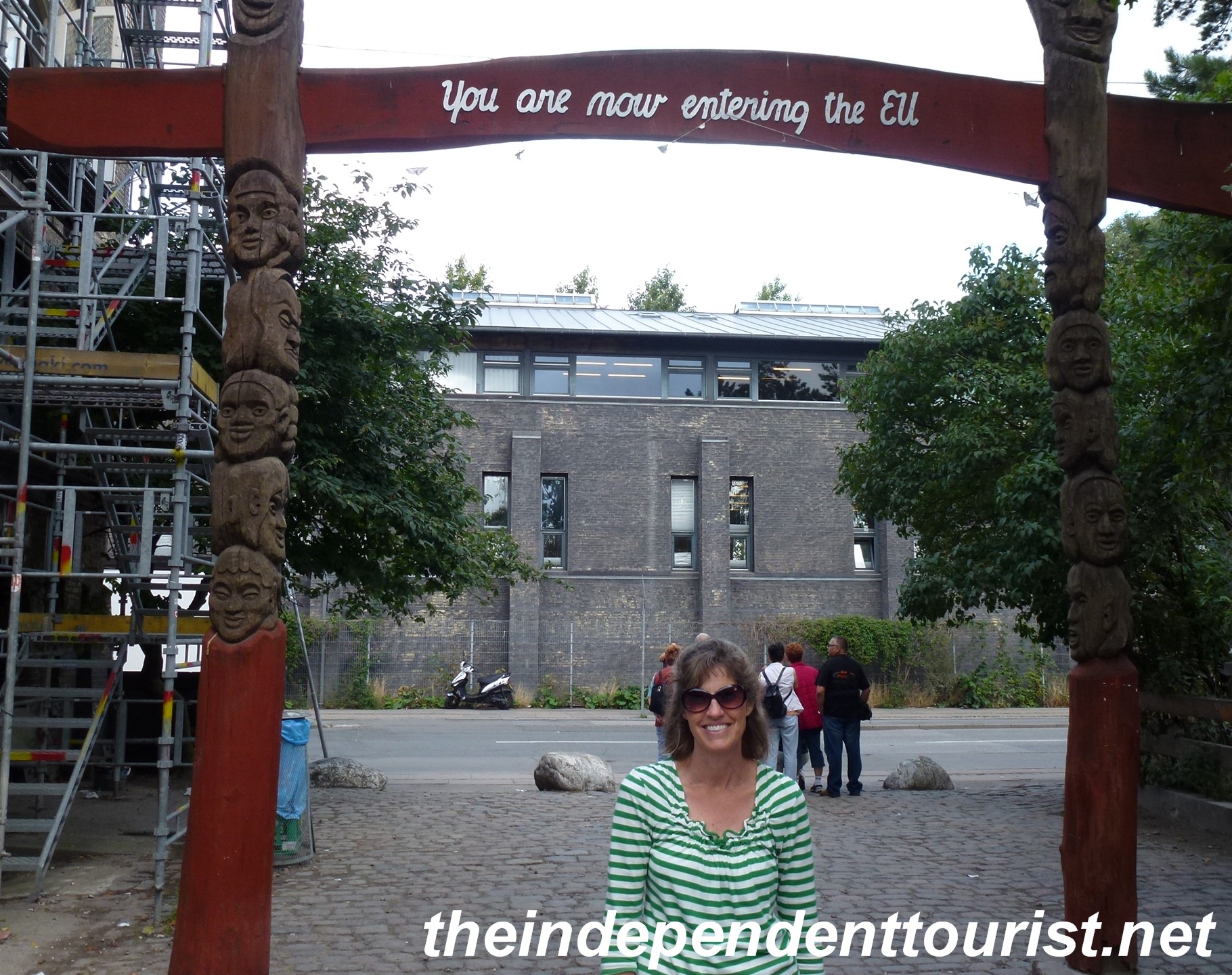
This district is home to Christiania, or Freetown Christiania, a bohemian community having some autonomy from Copenhagen, and Denmark, for that matter. The community is one of Copenhagen’s most famous sights.

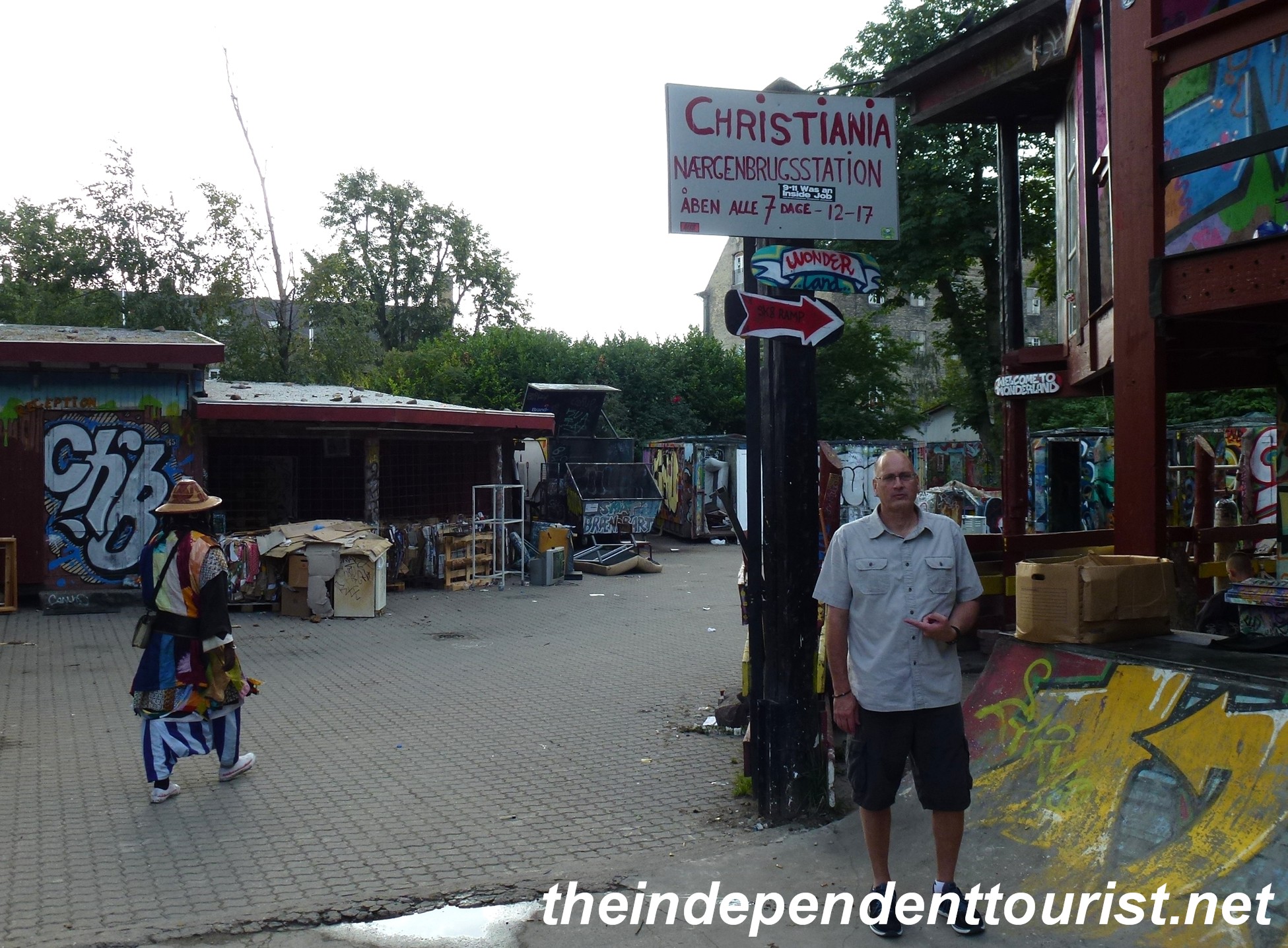
The "border" into Christiania.

The “border” into Christiania.

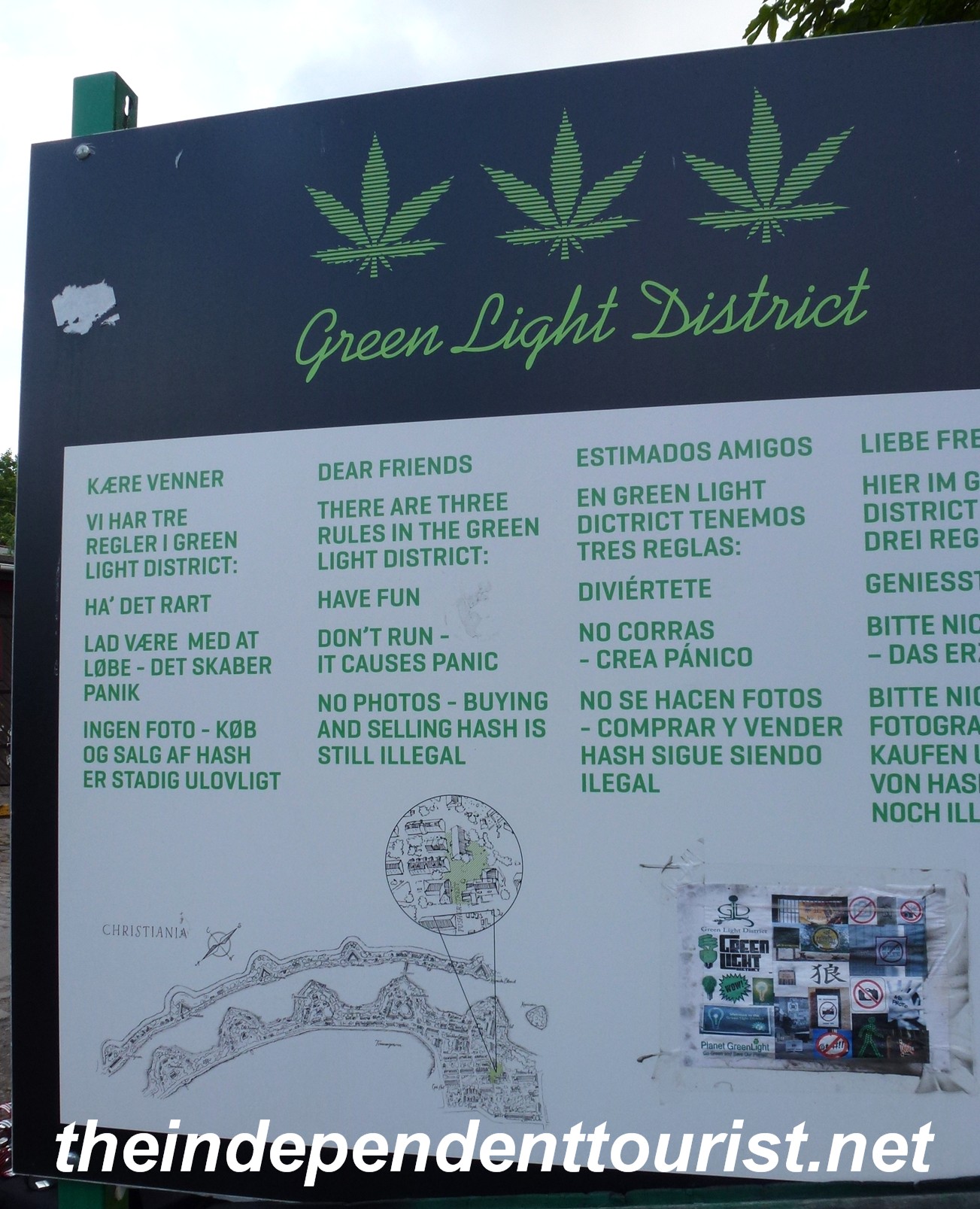
A sign in four languages welcoming visitors to Christiania and explaining the rules.

A sign in four languages welcoming visitors to Christiania and explaining the rules.

One of Christiania's residents on the left side of the picture.

One of Christiania’s residents on the left side of the picture.

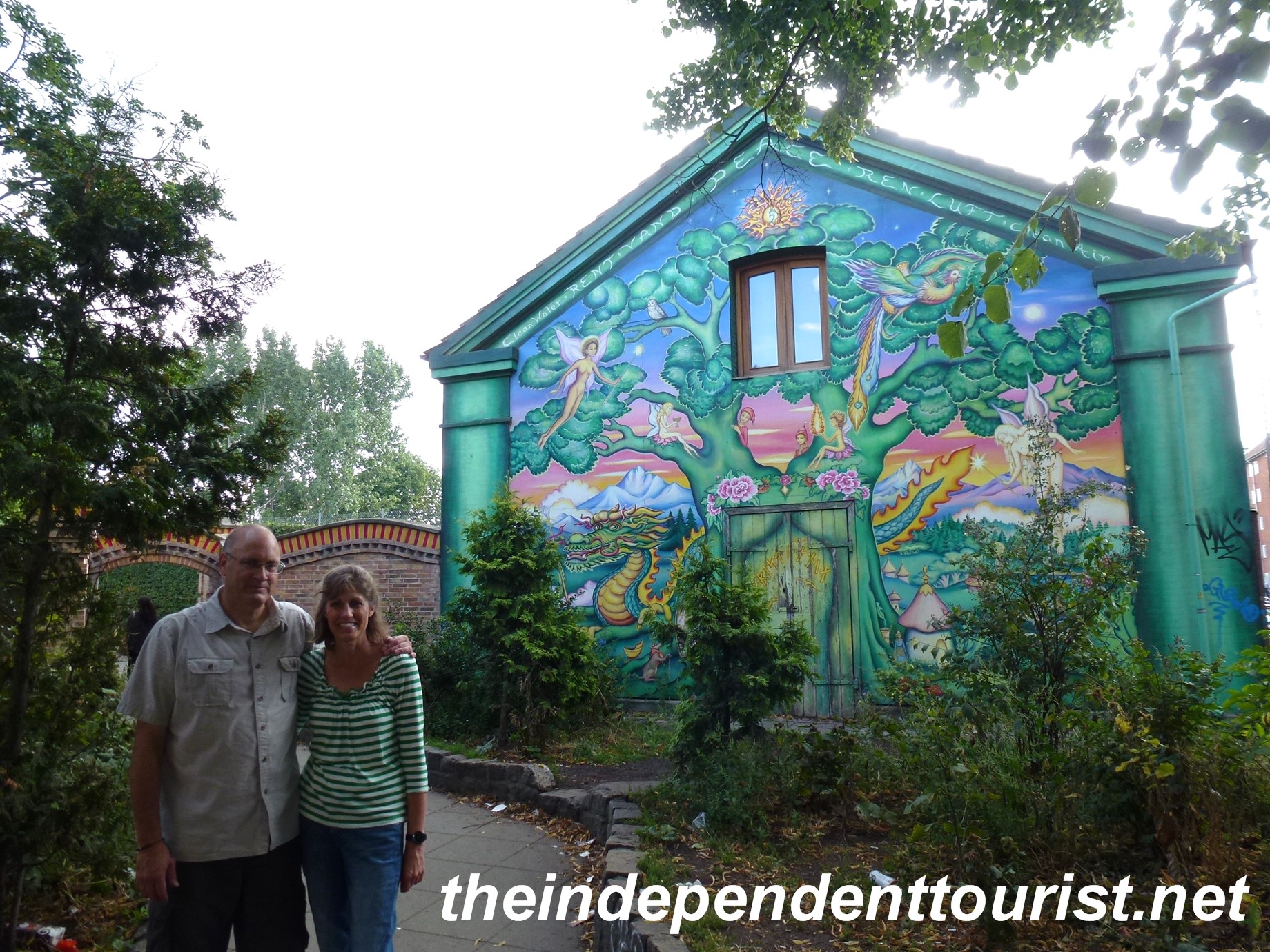
One of the many colorful buildings in Christiania.

One of the many colorful buildings in Christiania.

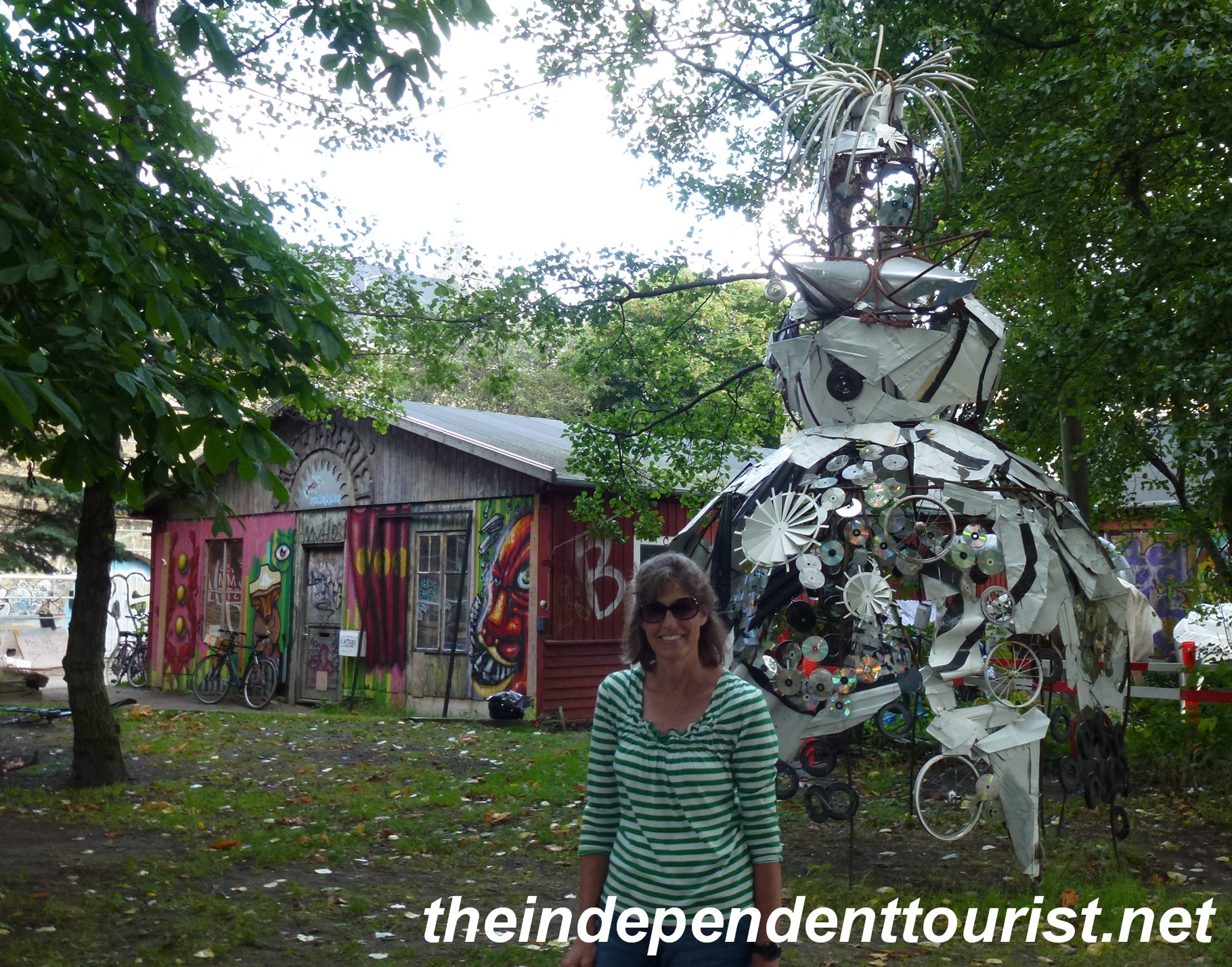
Robyn stands by a creative sculpture in Christiania.

Robyn stands by a creative sculpture in Christiania.

If you’re looking to see something different than the normal historical tourist sites, this is the place. Photographs are forbidden in the main part of the community (to keep the “citizens” from being recorded or identified since there is an active “soft drug” trade here). There are ongoing legal battles between the community and the Danish government.

This sign is only partially joking!

This sign is only partially joking!

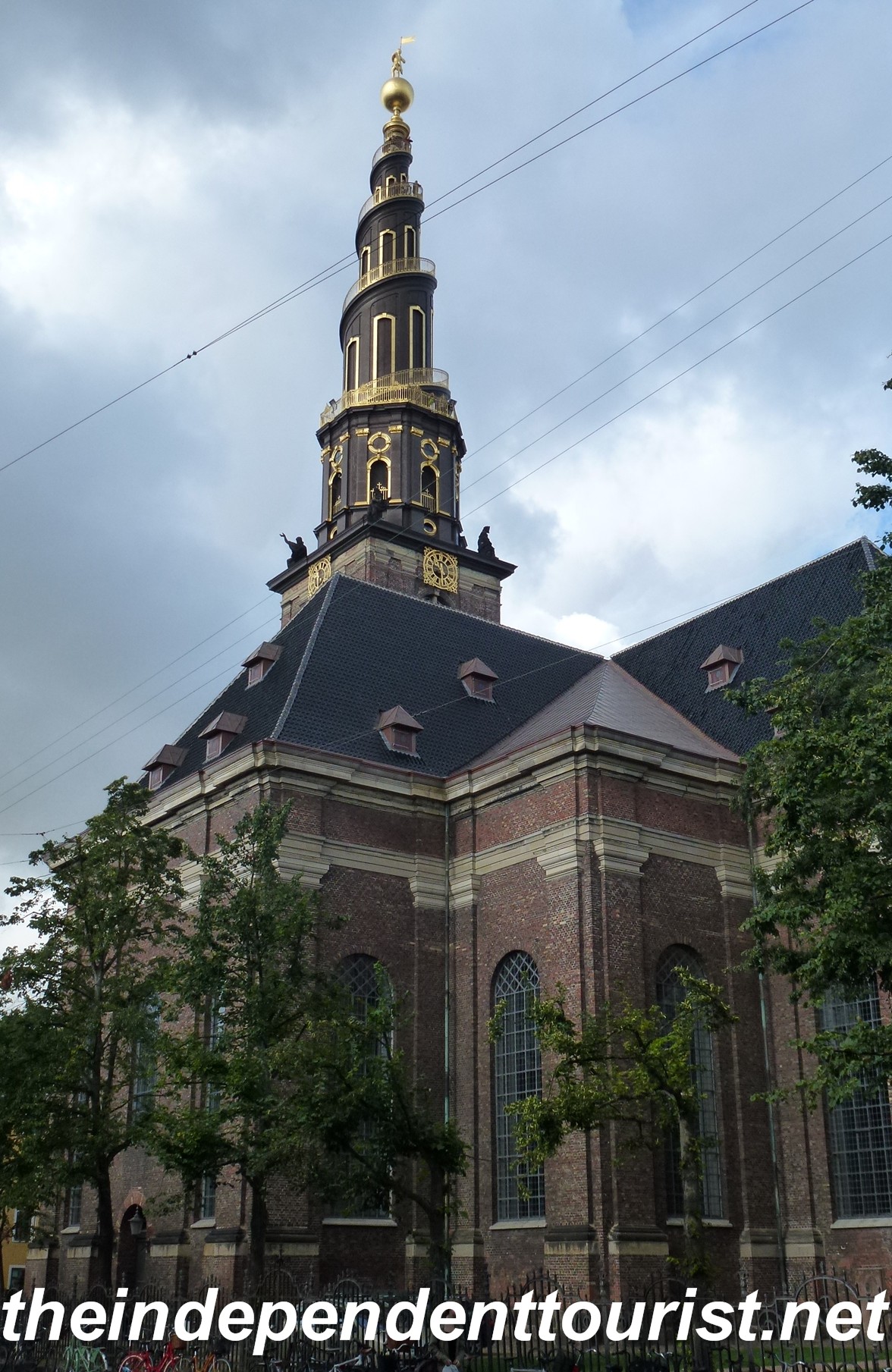
Our Savior’s Church.  The tower of this church dominates Christianshavn, and is one of the taller structures in Copenhagen.  Part of the climb up the tower is inside and then the last part takes you outside, as the steps circle the round tower and narrow to nothing at the very top, giving great views of Copenhagen.

A view of Our Savior's Church, just a few blocks from Christiania. Note the round tower and the stairway circling to the top.

A view of Our Savior’s Church, just a few blocks from Christiania. Note the round tower and the stairway circling to the top.

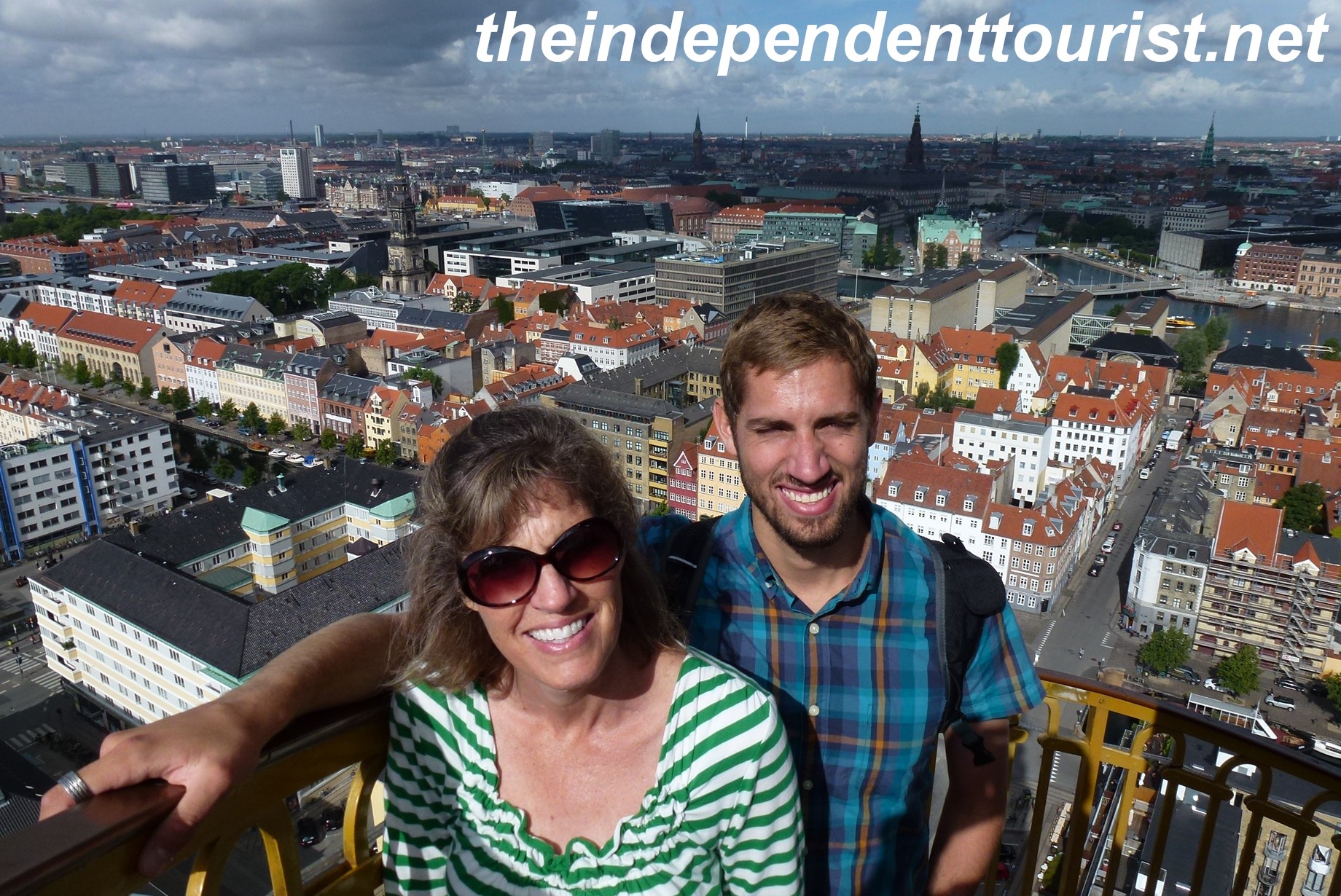
Robyn and Sean on the tower's outside stairs overlooking downtown Copenhagen (looking west).

Robyn and Sean on the tower’s outside stairs overlooking downtown Copenhagen (looking west).

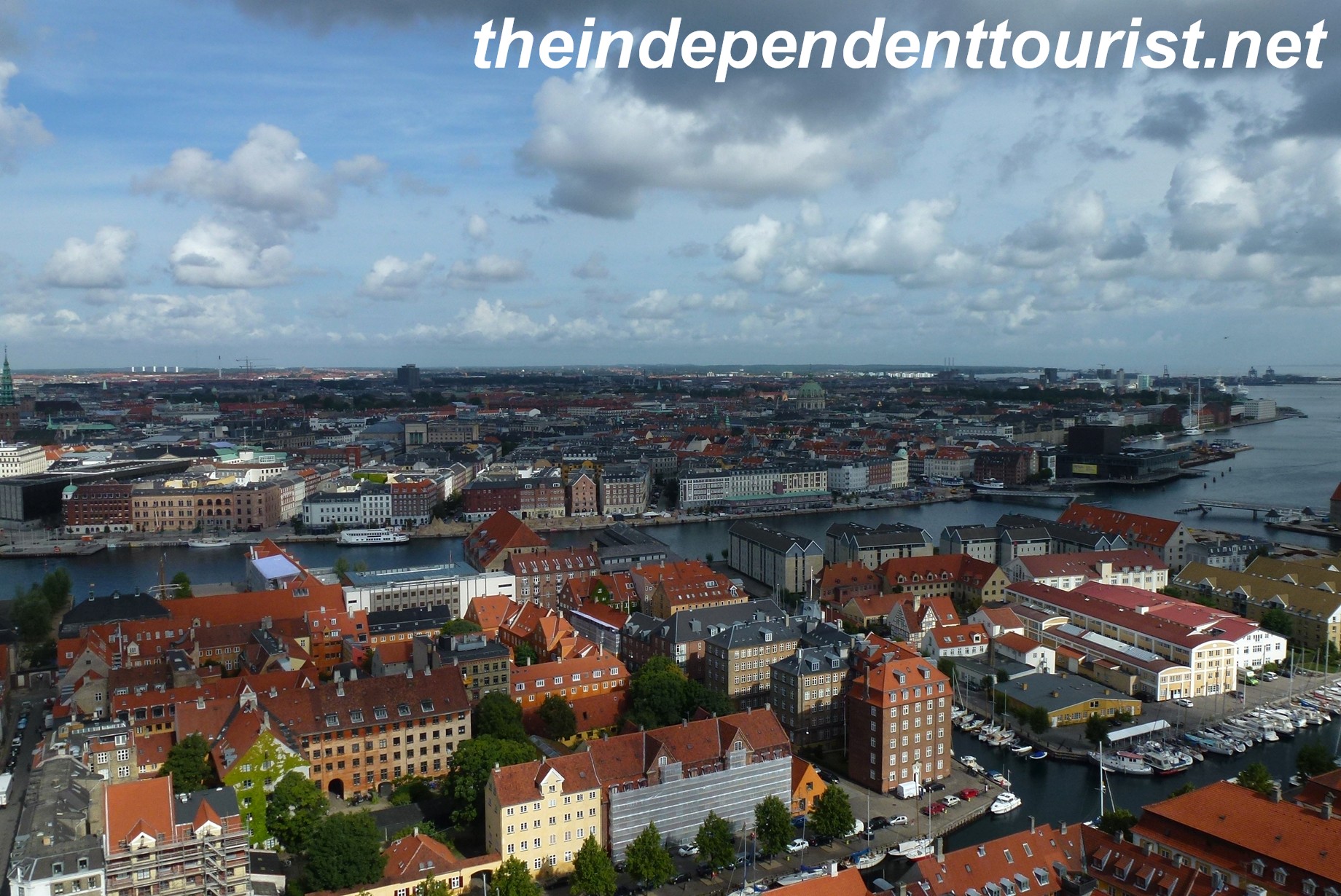
Another view of Copenhagen from Our Savior's Church tower, looking northwest. Cruise ships dock in the upper right of this photo, which is close to the "Little Mermaid" statue.
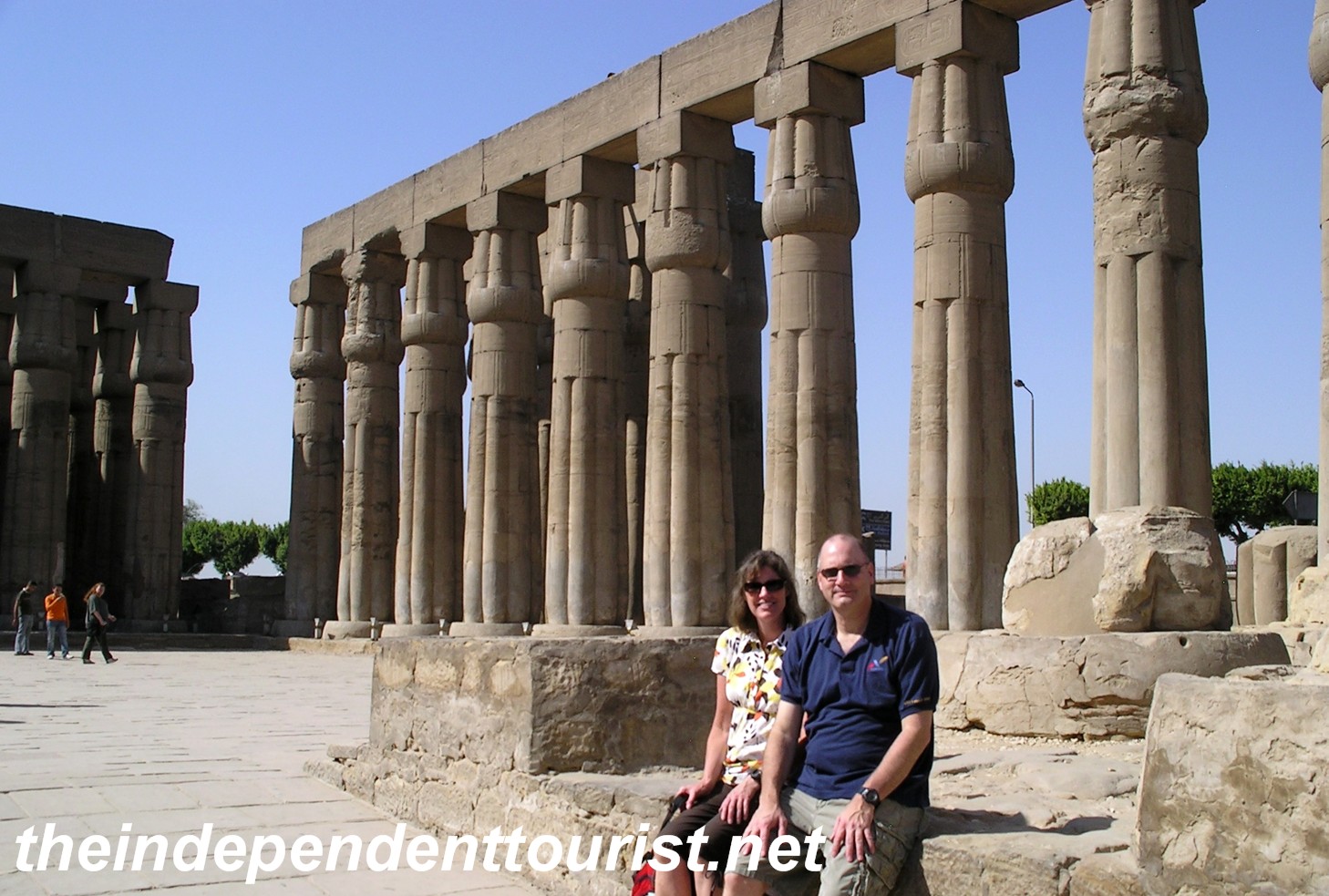
Another view of Copenhagen from Our Savior’s Church tower, looking northwest. Cruise ships dock in the upper right area of this photo, which is close to the “Little Mermaid” statue.

There was a funeral going on in the church, so we couldn’t go inside the church itself. The church building was completed in the late 1600’s, and the tower was completed in 1752.

Practical Notes: The main train station is only about two stops (15 minutes) from the airport and has storage lockers (lower level), which are handy if you’re in transit or looking to store your luggage prior to boarding a cruise ship. The main train station is very conveniently located, right next to Tivoli Gardens, one of the world’s first amusement parks, which opened in 1843. Given all the other sights to see, we did not spend time here. We stayed at the Marriott hotel, just a few blocks east of the train station, a great location for tourists.  Be forewarned that Copenhagen is expensive, but perhaps slightly less so than its other Scandinavian counterparts, Oslo and Stockholm. Denmark uses the Danish Krone (DKK), not the Euro as its currency.

Exploring Dahshur and Saqqara – Egypt as it was a Hundred Years Ago

If you’d like to get away from the crowds in Cairo, and feel almost like you’re an early explorer in Egypt, take a short trip to Dahshur and Saqqara. These are “don’t miss” sights and an easy day trip (the furthest site, Dahshur, is about 23 miles south from Cairo, we hired a driver and van from Cairo to take us to these sights).

Dahshur

Dahshur originally contained 11 pyramids, and the oldest are the main attractions. The Red Pyramid and the Bent Pyramids were built around 2600 BC, making them slightly older than the pyramids of Giza. They are almost as large as the more famous pyramids at Giza, both are only about 14 feet shorter than the Pyramid of Khafre (the 2nd highest pyramid at Giza). They were the first “true” pyramids the Egyptians built.

The Red Pyramid - picture perfect with a camel!

The Red Pyramid – picture perfect with a camel!

The Bent Pyramid was built first, and the builders learned during construction that they had to lessen the steepness of the angle of the sides due to stability issues and the adjustment gives the pyramid its unique shape.

The Bent Pyramid - not accessible to tourists.  The angle was reduced from 54 to 43 degrees due to stress and instability.

The Bent Pyramid – not accessible to tourists. The angle was reduced from 54 to 43 degrees due to stress and instability.

The Red Pyramid is open to the public, the Bent Pyramid is not, since it is on a military reservation.  I loved visiting the Red Pyramid—it looks untouched with sand still covering the huge stone blocks part way up the sides and inside we had the interior chambers all to ourselves.

The corbelled ceilings in the Red Pyramid chambers. Hard to get a good perspective with a photo.

The corbelled ceilings in the Red Pyramid chambers. Hard to get a good perspective with a photo.

The entrance to the Red Pyramid is in the distance.

The entrance to the Red Pyramid is in the distance.

Saqqara

Just about 6 miles north of Dahshur is Saqqara, the burial site for the ancient city of Memphis, just a short distance away. This was a burial ground for 3,500 years, and was largely buried in sand until the mid-1800’s. Saqqara is home to the Step Pyramid, built in 2650 BC, and it is the oldest stone monument in Egypt and quite possibly the world.

My in-laws in front of the Step Pyramid. The pyramid's interior is not open or safe enough for visitors.

My in-laws in front of the Step Pyramid. The pyramid’s interior is not open or safe enough for visitors.

The Step Pyramid was part of a progression in construction technology that led to the smooth-sided, near perfectly-dimensioned pyramids of Dahshur and Giza just a hundred years later.

The entrance to the Tomb of Mereruka, one of the many tombs at Saqqara.

The entrance to the Tomb of Mereruka, one of the many tombs at Saqqara.

Inside the Tomb of Mereruka, there are 32 chambers in this tomb.

Inside the Tomb of Mereruka, there are 32 chambers in this tomb.

Inside the Pyramid of Teti at Saqqara (about 2300 BC) - note the Pyramid Texts on the walls.

Inside the Pyramid of Teti at Saqqara (about 2300 BC) – note the Pyramid Texts on the walls.

Saqqara is a huge site, you will have to pick and choose what you see, and some tombs may be closed on a rotating basis. There were a few tour buses here, but not many, and since the site is spread out, you may find yourself enjoying the tombs on your own. Be prepared to stoop, crawl, and get a bit dusty in entering some of the tombs – part of the fun!

The Pyramids of Abu Sir, looking north from Saqqara. The most northern one, Pyramid of Sahure, was open to tourists at the time, not sure if it still is.

The Pyramids of Abu Sir, looking north from Saqqara. The most northern one, Pyramid of Sahure, was open to tourists at the time, not sure if it still is.

References: Lonely Plant Egypt and DK Eyewitness Travel Egypt

Visiting Fredriksborg and Kronborg Castles – A great day trip from Copenhagen

If you have an extra day in Copenhagen, or have most of the day before boarding your northern European cruise ship departing from Copenhagen, visit these two castles. We are able to see both in about a 7 hour round trip from Copenhagen by renting a car at our hotel (Marriott). The rental company (Sixt) delivered the car to the hotel and picked it up upon our return, a great service.

Fredriksborg Castle

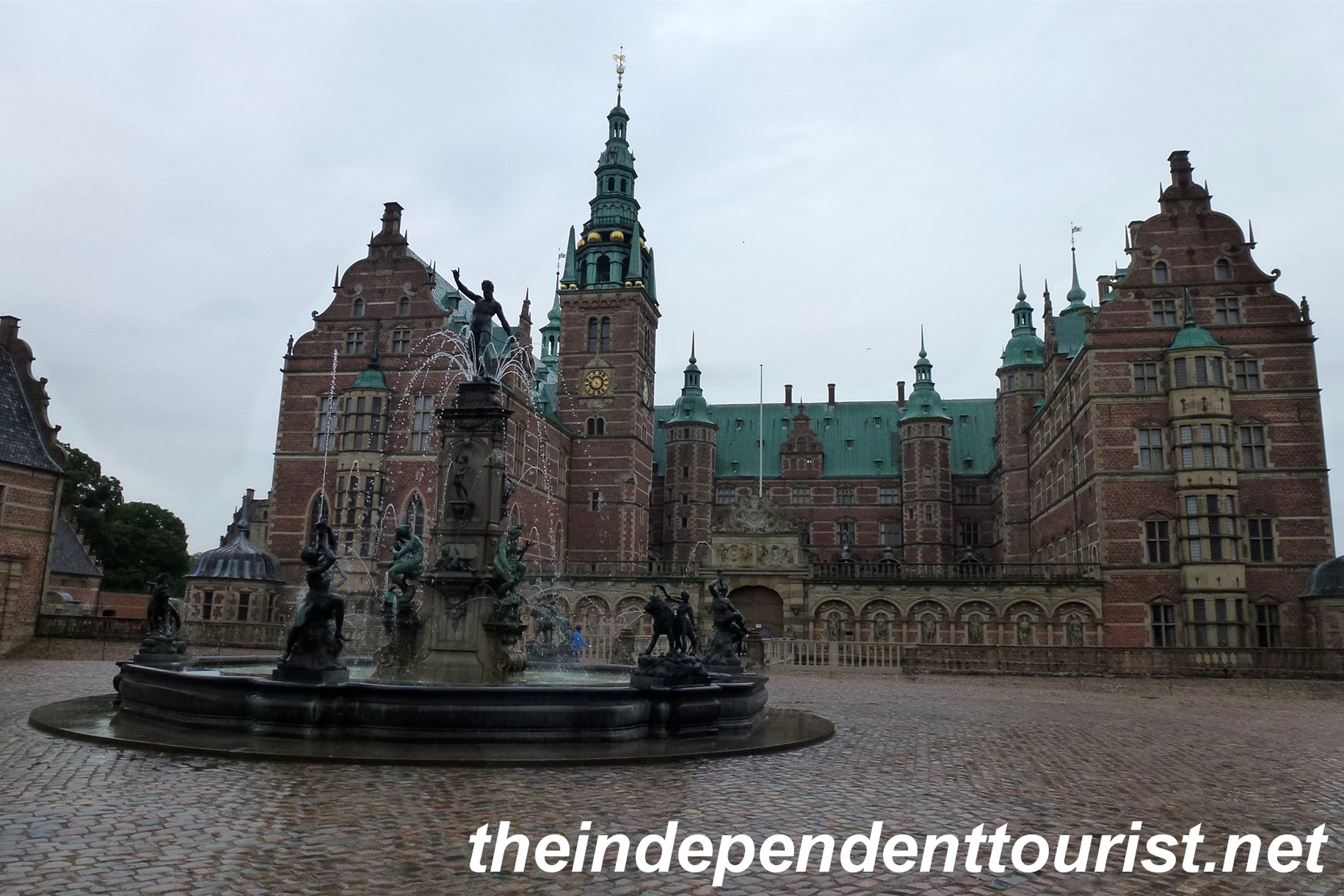
This castle is located about 40 km northwest of Copenhagen in the small town of Hillerød. The castle dates from 1560 but most of what we see today is from the early 1600’s.

A view of Fredriksborg Castle from the fountain courtyard.

A view of Fredriksborg Castle from the fountain courtyard.

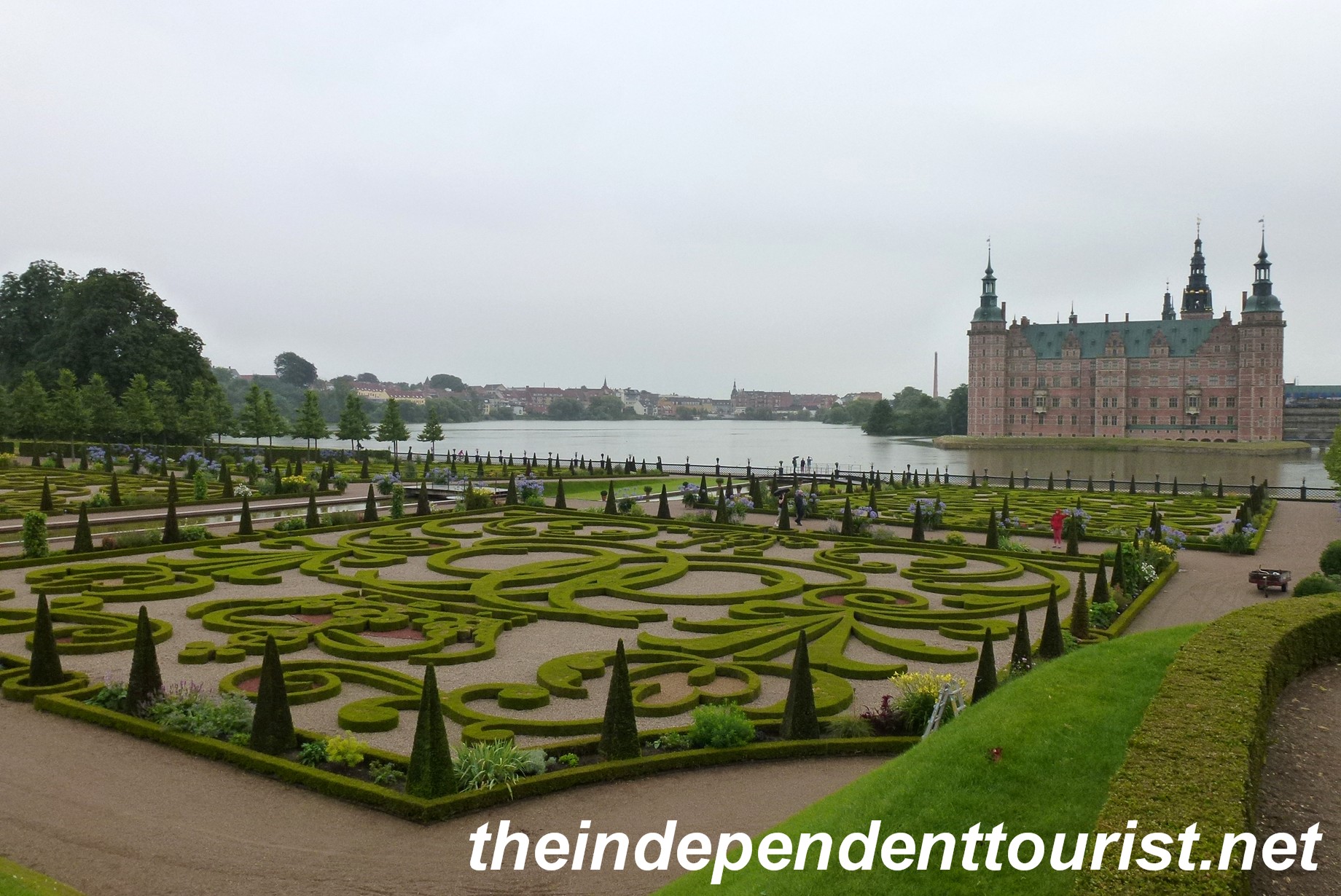
Fredriksborg slot (as castles are called in Denmark) was more of a palace than a military stronghold. It has some beautiful gardens and huge lake surrounding it.

A view of Fredriksborg castle, lake and gardens.

A view of Fredriksborg castle, lake and gardens.

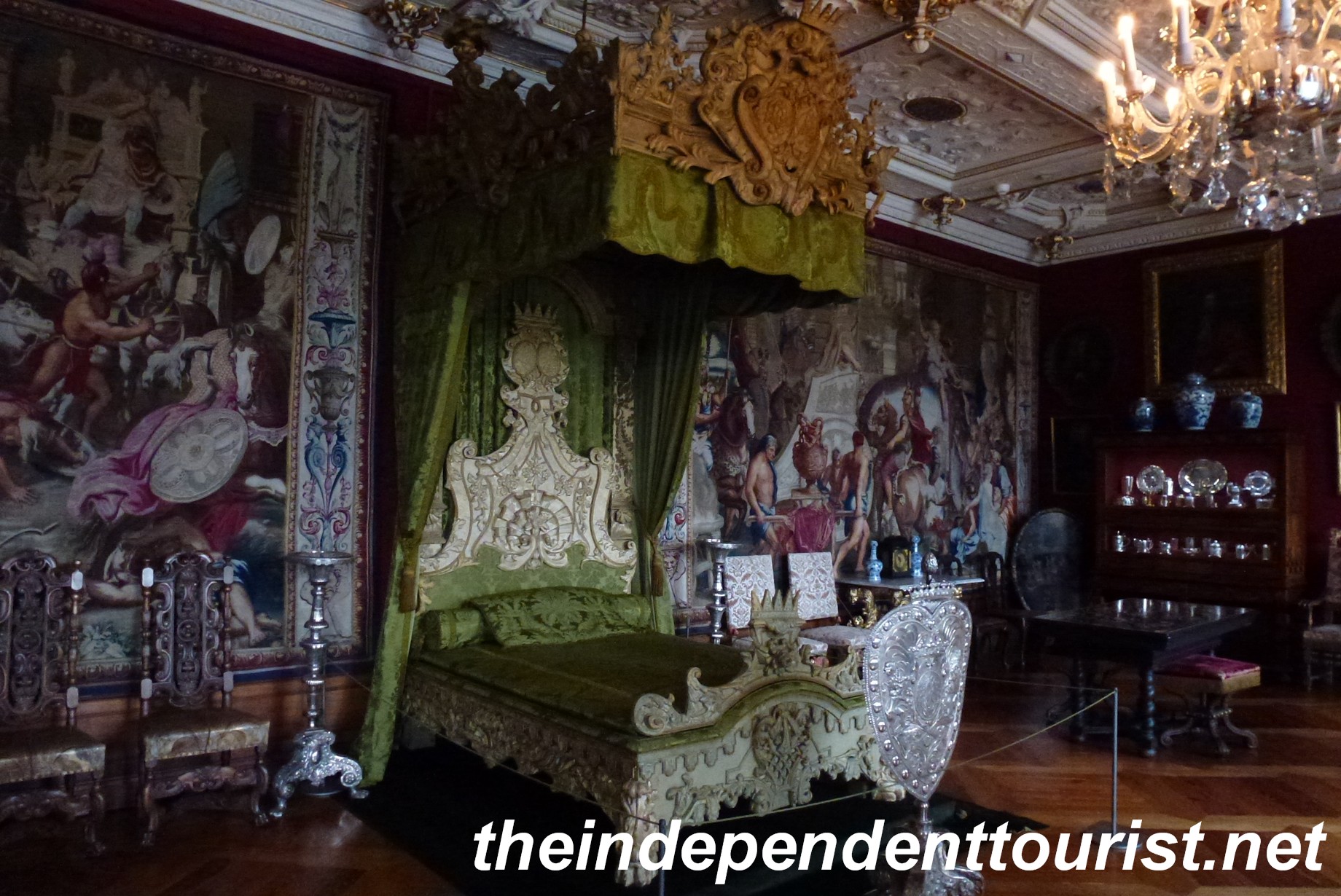
Bedroom chamber at Fredriksborg Castle.

Bedroom chamber at Fredriksborg Castle.

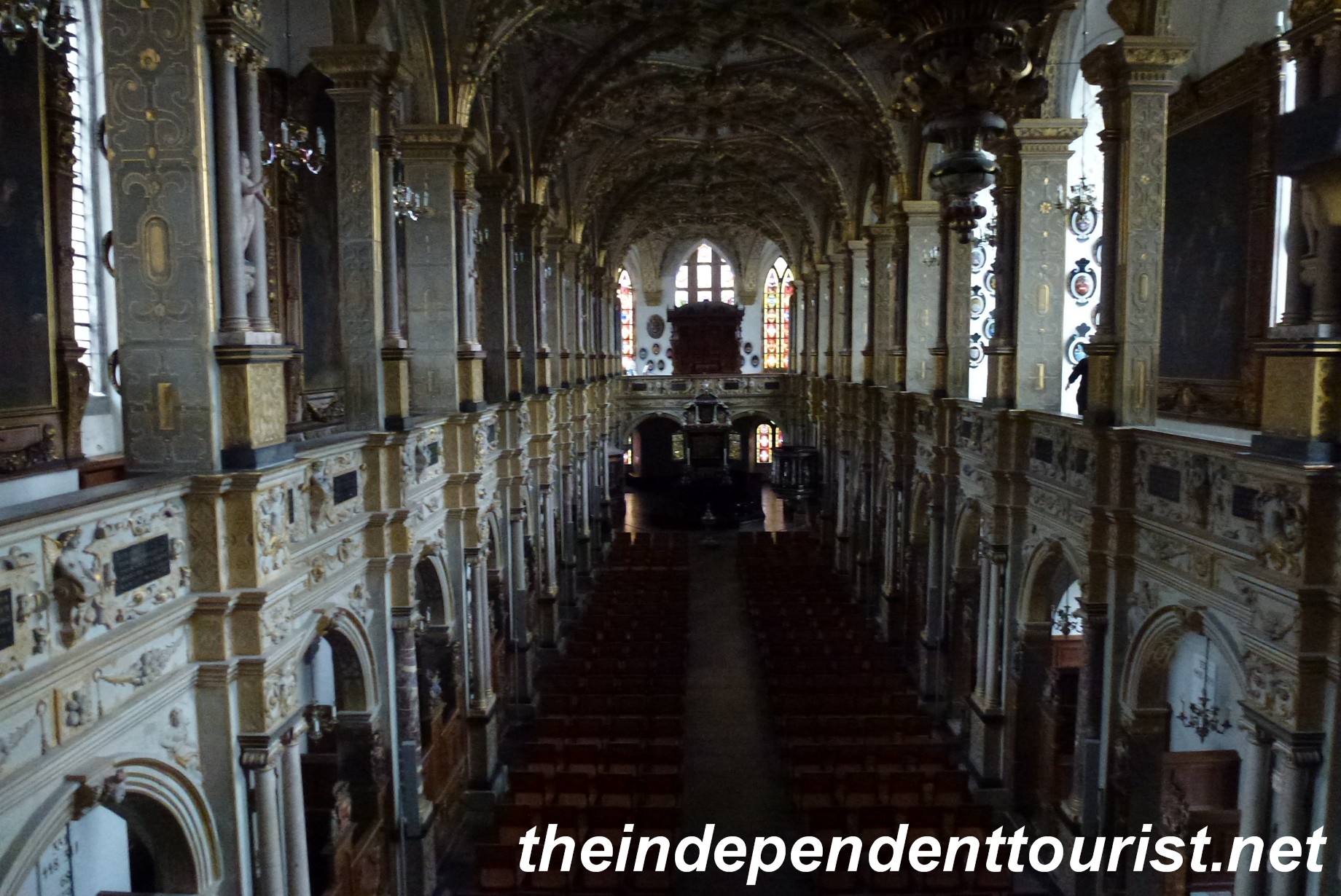
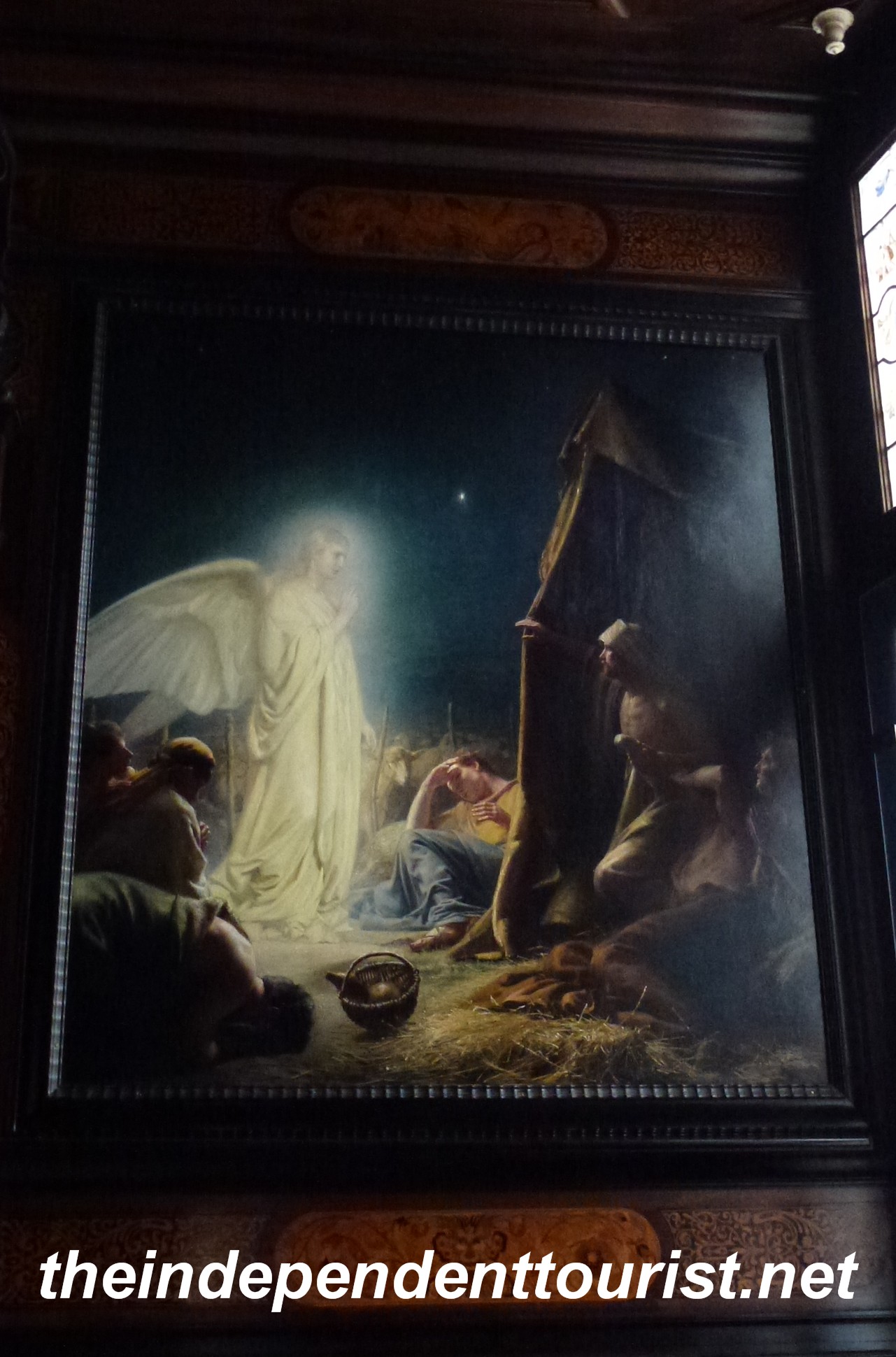
The castle’s interior decorations are elegant. The collection of Carl Bloch paintings in an anteroom of the stunning chapel are probably the most famous interior feature.

The chapel at Fredriksborg Castle.

The chapel at Fredriksborg Castle.

The subjects of the twenty three paintings include scenes from Christ’s life. They were painted over the years from 1865 to 1879. The room is kept fairly dark, making good photos without flash hard to capture.

One of the Carl Bloch paintings in Fredriksborg Castle.

One of the Carl Bloch paintings in Fredriksborg Castle.

Kronborg Castle

This castle is not as ornate as Fredriksborg, the interior being much starker, and it definitely served a military purpose, guarding a key sea route into the Baltic Sea.

Exterior view of Kronborg Castle.

Exterior view of Kronborg Castle.

Kronborg slot, in the town of Helsingør is about 24 km northeast of Hillerød, and 47 km north of Copenhagen, on a narrow strait separating Denmark and Sweden.

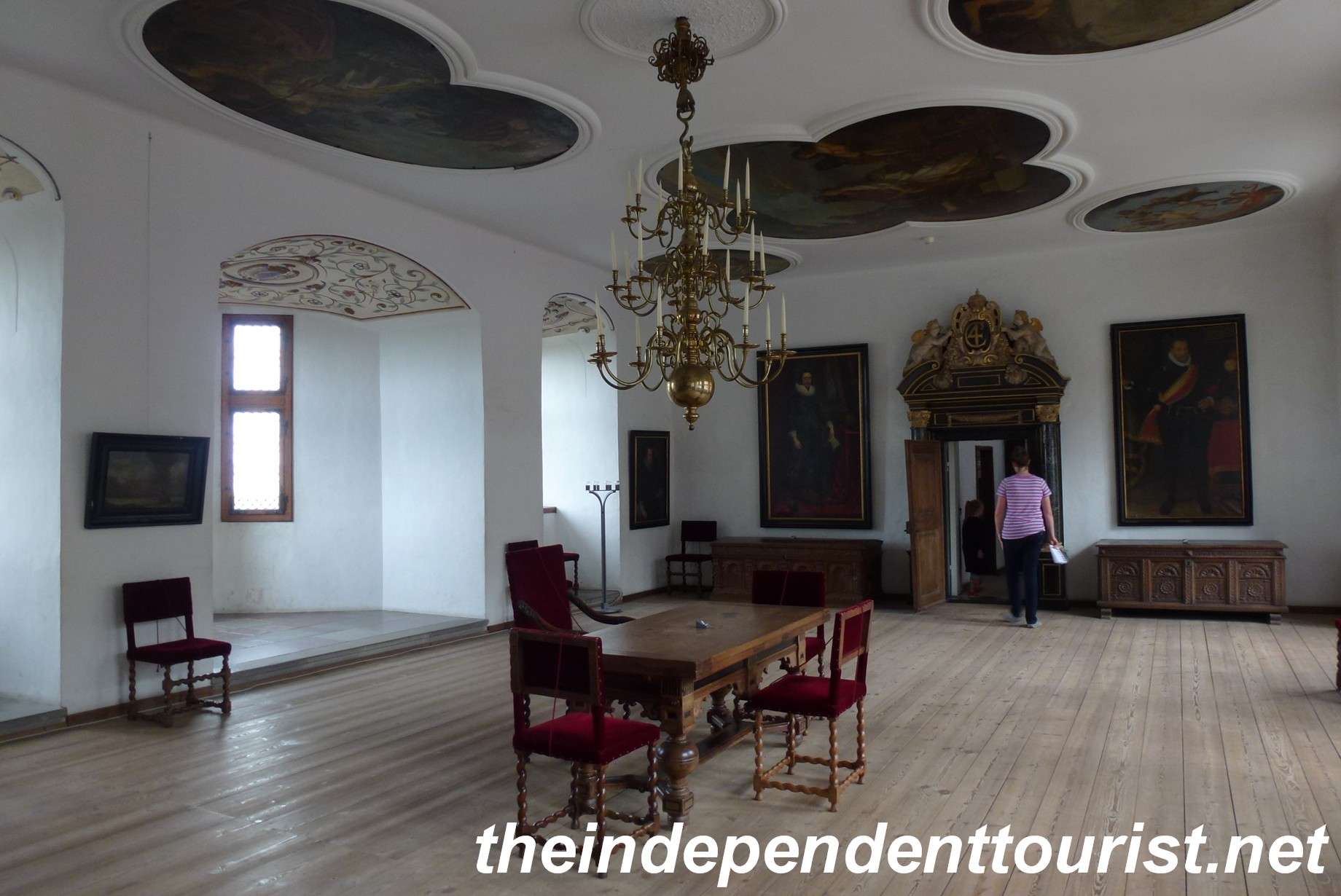
Interior of Kronborg Castle.

Interior of Kronborg Castle.

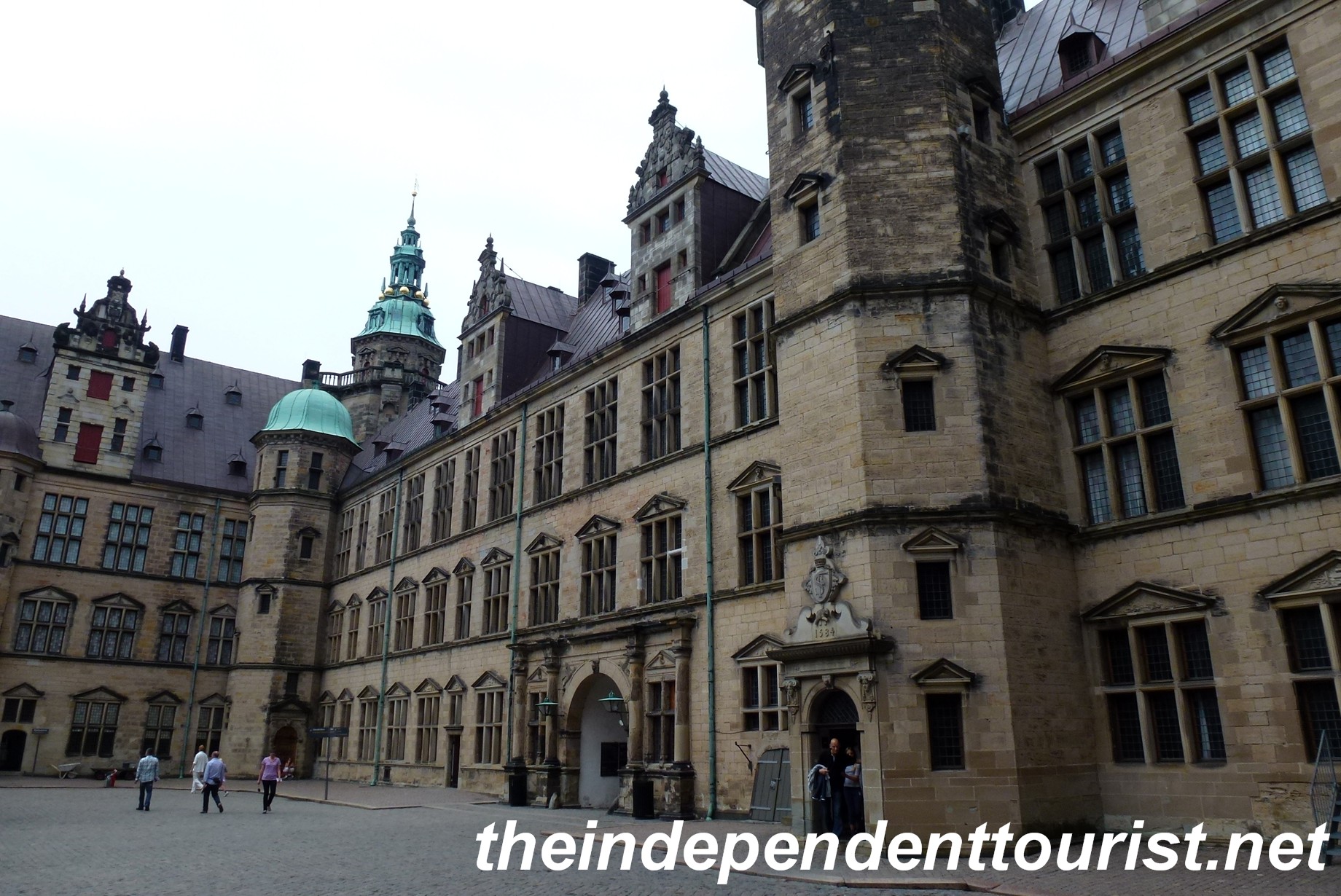
The inner courtyard of Kronborg Castle.

The inner courtyard of Kronborg Castle.

Kronborg’s claim to fame is that it was the setting (called Elsinore) for Shakespeare’s play Hamlet.

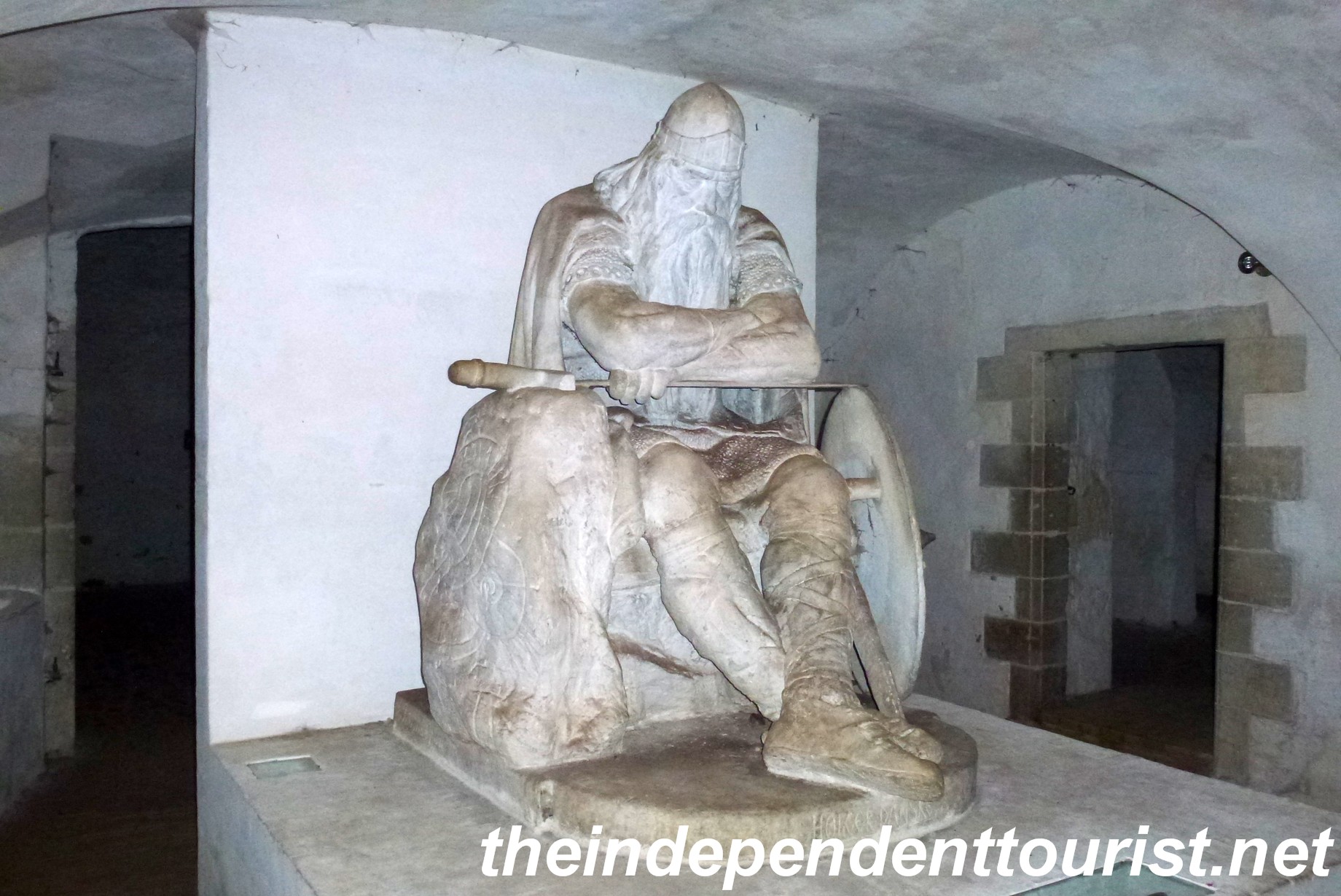
Statue of Holger the Dane underneath Kronborg Castle. The sleeping viking is to awaken and rescue Denmark in its hour of need.

Statue of Holger the Dane underneath Kronborg Castle. The sleeping viking is to awaken and rescue Denmark in its hour of need.

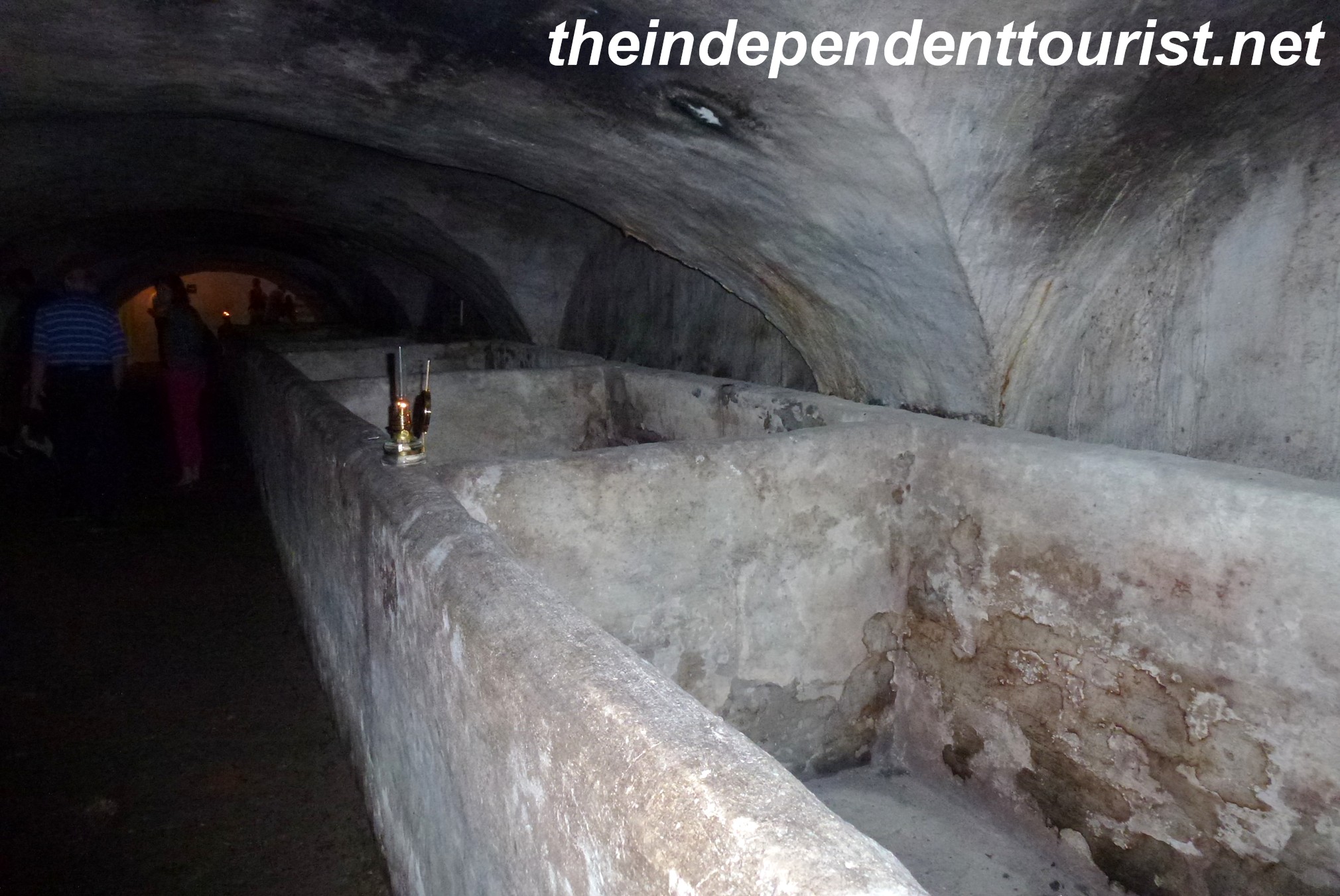
The castle was originally constructed in 1420, but was rebuilt and renovated several times since. Be sure to visit the casemates, the eerie foundations underneath the huge castle.

The underground storage bins and casemates of Kronborg Castle.

The underground storage bins and casemates of Kronborg Castle.