10 Travel Mistakes I’ll Never Make Again in the USA

The USA is known for its varying experiences and landscapes that are truly magical. From road trips to beach destinations, you get it all in the USA. However, some travel mistakes can hinder your chances of enjoying your trip to the USA to the fullest. I have learned from my mistakes and now want to share with you the travel mistakes I’ll never make again in the USA so that you can have the most unforgettable time. 

Travelling across the USA is truly a rewarding experience. But travelling to new destinations comes with its complications. We all make mistakes that cause us many inconveniences while travelling. But you can surely avoid many of them with the help of this post. So, if you have booked a flight to USA from the UK, keep reading to learn about the mistakes that you should avoid while exploring the country. 

10 Travel Mistakes to Avoid While Exploring the USA

Here is a list of some of the travel mistakes to avoid while travelling in the USA. 

1. Underestimating Travel Distances 

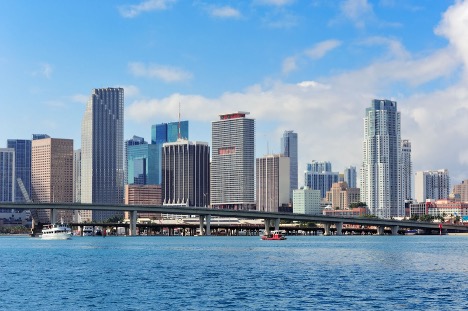
Even though we all know how big the U.S. is, we sometimes underestimate the distance between two cities or states. Once you start exploring these destinations, you will realise that they are farther apart than you might think. I thought that I could travel from New York City to Miami in one weekend. I didn’t realise it was a 19-hour road trip, and that was just one way! You might be surprised to learn about the vastness of the US, and the distances between major cities are truly bewildering. So, make sure to check the maps and review the flight routes before making your plan. 

2. Ignoring Regional Weather Patterns

Due to its vast size, the USA’s weather varies significantly from state to state and even from city to city. You don’t want to be like me, who visited San Francisco in the summer and didn’t carry any layers, thinking it would be hot. You will not believe me when I say that even the summer mornings in the region were so chilly and foggy that I regretted not carrying my layers with me. Additionally, even within the same season, weather conditions vary from state to state. So, keep an eye on the weather forecasts. 

3. Skipping Travel Insurance

You cannot avoid inconveniences while travelling. There is always a possibility that your bags will get lost or your rental car will break down on the road. We might think that we don’t need travel insurance — what could possibly go wrong? But we are mistaken. These kinds of issues can lead to significant financial losses in the long run. Therefore, make sure to obtain reliable travel insurance before travelling to the USA. 

4. Not Factoring in Sales Tax and Tips

You might not know this, like I didn’t, that the prices in U.S. stores and restaurants usually do not include taxes. This can disturb your budget. Another essential thing to keep in mind is that tipping is not really optional. Most waiters and restaurant workers rely on tips as their primary source of income. People in the U.S. tend to tip a significant amount. So, be sure to include the tax and tip costs in your budget. 

5. Trying to See Too Much in One Trip

As you may already be aware, exploring the entire country in one trip is nearly impossible. No doubt, we all try to create comprehensive, jam-packed itineraries that visit multiple cities in a single trip. You might do it, but you won’t have any time to enjoy the places you see, and it will also exhaust you. So, try to slow down when you visit the country. 

6. Driving Without Understanding the Rules

There is nothing too tricky about driving in the USA. However, it is essential to be aware of the local rules. There can be some unusual parking signs or stops that might not be known in your home country. The driving rules vary from state to state. So, learn the driving rules before travelling to the USA. 

7. Overlooking National Park Reservations

If you plan to visit the famous national parks of the USA, you cannot overlook making reservations, especially during the peak season. Learn from my mistake, who went to Yosemite National Park during the summer season and was turned away at the gate. Therefore, be sure to add the official NPS website to your planning for a national park trip. 

8. Booking Cheap Accommodations in the Wrong Neighbourhood

It is not always safe and convenient to book accommodations in random, suspicious neighbourhoods just because they are cheap. You shouldn’t compromise on your safety to save some money. Additionally, some of these neighbourhoods may have limited transportation options. So, make sure to look for safe neighbourhoods and hotels with good reviews.

9. Assuming Public Transport is Always Available

Those who travel to Asia and Europe frequently might think that the USA has a similar public transport system, as it is well-developed and has excellent infrastructure. However, this is not the case. Therefore, ensure that you research the transportation options available in the cities you plan to visit. 

10. Not Carrying Physical ID

To purchase alcoholic beverages you will need to show your physical ID, passport, or driver’s license at most restaurants and bars in the USA. If it is pretty clear that you are above 21, they will still ask for your ID and have strict rules. So, make sure to carry your physical ID with you at all times. 

Final Words

There is no denying that travelling to the USA is worth every mile, second and penny. The experience is unmatched, whether you plan to explore coastal areas, natural wonders, take glorious road trips, visit world-famous national parks, or experience the most iconic cities. Learning about the mistakes to avoid during this journey will make your trip to the USA much easier. But before that, book your flight to the USA. You can fly from the UK to the USA through British Airways, Aer Lingus, United Airlines, Air Canada, and numerous other airlines. 

Guest post by Elsie. Elsie is a passionate travel blogger who explores the world one city at a time. Through her stories and tips, she shares hidden gems, cultural insights, and travel inspiration to help others make the most of every journey. Follow her adventures and get inspired to explore beyond the map. She can be reached at elsieblogger5@gmail.com.

Image courtesy one of several sources, including pixabay.com, freepik.com and istockphoto.com

Avoid These 5 Common Travel Scams (And How to Outsmart Them)

There’s nothing quite like the excitement of packing your bags, heading to the airport, and jetting off to a new destination full of adventure, street food, and photo ops that’ll light up your Instagram, but let’s be real for a second: nothing ruins the vibe of a trip faster than falling for a travel scam.

Travel scams can hit when you least expect them, especially when you’re somewhere unfamiliar, tired, or just too happy to be finally on vacation to notice the red flags. Whether it’s someone pretending to be your taxi driver, a deal that’s too good to be true, or those sneaky “tourist taxes” that magically appear on your bill, it’s wild how creative scammers can get. But the good news? You don’t have to fall for it.

You don’t need to become a jaded traveler or second-guess everyone who offers to help you with directions. You just need to be a little bit savvier and know what to look out for. So let’s break it down: here are five of the most common travel scams and more importantly, how you can outsmart every single one of them.

1. The “Too-Good-To-Be-True” Booking Scam (A.K.A. the ASAP Travel Scam Style)

Imagine this: you’re scrolling online, looking for a last-minute flight deal because your wanderlust kicked in hard, and suddenly BOOM! you stumble on a ridiculously cheap airfare that feels like the universe just blessed you. Maybe it’s from a site you haven’t heard of, like one that looks kinda-sorta legit with a professional logo, some reviews, and a timer that’s screaming “BOOK NOW! 2 SEATS LEFT!”

You enter your card info, hit confirm… and then nothing. No confirmation email. No e-ticket. Just radio silence.

Congrats, you may have just run into what’s known around the internet as an ASAP travel scam style of fraud. These fake travel sites or “agencies” create a false sense of urgency, luring people with unbelievable deals that are just that – unbelievable. By the time you realize it’s a scam, your money’s long gone, and the customer service number goes straight to voicemail (if it exists at all).

How to Outsmart It:
If you’re booking through a site you’ve never used before, stop and do your homework first. Look for third-party reviews (not just ones on their site). Make sure the URL starts with “https” (yes, the ‘s’ matters), and check for any sketchy spelling errors. Most importantly, if a deal feels way too good, compare it to offers on well-known booking platforms like Google Flights, Expedia, or Skyscanner. Also, use a credit card, not a debit card. Credit cards usually come with better fraud protection.

2. The Taxi Meter Magic Trick

You’ve just landed in a new country, it’s hot, you’re exhausted from the flight, and all you want is to get to your hotel, take a shower, and start exploring. You grab a cab from the airport taxi stand or worse, one that flagged you down and the driver seems super friendly. But then, halfway through the ride, you notice there’s no meter running. Or maybe there is one, but it’s moving like it’s trying to set a world record.

You arrive at your hotel, and the driver announces some wild price like three times what you expected. You argue, but you’re in a new place, you don’t know the rules, and now there’s tension in the air.

Taxi scams are everywhere, from Southeast Asia to Eastern Europe to South America, and they rely on tired, distracted travelers who don’t know how much a ride should cost.

How to Outsmart It:
Before you even step into a cab, research average fare prices to your destination. Even better? Use ride-sharing apps like Uber, Lyft, or Bolt (depending on the region), which give you upfront pricing and avoid all the awkward haggling. If you do need to take a taxi, make sure it’s licensed (many countries have color-coded or branded taxis), and always agree on a price or make sure the driver turns on the meter before the ride begins.

3. “Free” Bracelets, Roses, or Souvenirs That Suddenly Cost You

You’re walking through a plaza in Rome, Paris, or Marrakech, soaking in the beauty of the city, when a smiling stranger approaches. Maybe they offer to “gift” you a woven bracelet, or place a rose in your hand while saying it’s free, just for you. Before you can process what’s happening, it’s on your wrist, in your hand, or your bag and now they’re demanding money.

Even worse, sometimes there’s a second person standing nearby, watching, waiting to intimidate you if you refuse to pay. It’s a classic bait-and-switch scam that relies on the fact that once someone gives you something, especially while being nice you’ll feel obligated to return the gesture.

How to Outsmart It:
This one’s all about being assertive and aware. If someone tries to hand you something you didn’t ask for, don’t take it. Say “no thank you” firmly and keep walking. Don’t let strangers put anything on your body – bracelets, necklaces, headbands, nothing. It’s not rude to protect your boundaries, and if someone insists, that’s their problem, not yours.

4. The “Closed Hotel” or “Full Train” Lie

You hop off a bus or train and you’re greeted by someone, maybe a helpful-looking local or even a “tourist guide” who tells you that the hotel you booked is closed for renovation or has a “plumbing problem.” Or maybe you’re told that the train or bus you planned to catch is full, canceled, or unavailable unless you go through their service. And surprise, they happen to know a “better” option.

Of course, this better option is often a much more expensive hotel, a tour agency they get commission from, or even a totally fake place.

This scam plays on urgency and confusion. When you’re in a rush and feel uncertain, it’s easy to trust someone who seems to have local knowledge.

How to Outsmart It:
Don’t take anyone’s word at face value. If someone says your hotel is closed, call the hotel yourself and double-check. If they say the train is full, go to the official counter or use the official app. Scammers rely on tourists panicking or rushing, so even taking two minutes to check things yourself can save you a ton of money and stress.

Bonus tip: Save all your booking confirmations and emergency contacts offline (like in a Google Doc or in your phone notes) so you can access them even without Wi-Fi.

5. Fake Police or Authority Figures

This one’s especially terrifying the first time it happens. You’re walking around and someone in a uniform approaches you, flashes a badge, and says they need to inspect your documents, wallet, or bag. They may say it’s a routine check or that they’re cracking down on fake currency, counterfeit bills, or drugs.

It feels official, and you might panic. But in many cases, these aren’t real police, they’re scammers in disguise. And once they’ve got your ID or wallet, they either demand a “fine” on the spot or simply steal your cash and disappear into the crowd.

How to Outsmart It:
Real police rarely stop tourists without good reason. If someone does approach you claiming to be police, stay calm and ask to see an official ID. Better yet, insist on going to the local police station with them before handing over anything. Keep your valuables in a money belt or hidden pouch under your clothes so that if something sketchy does happen, they can’t easily grab your stuff. And avoid carrying your passport unless absolutely necessary, keep a photocopy and leave the original in a safe at your hotel.

A Few More Sneaky Scams to Watch For

Honestly, we could write a book about all the ways people try to scam travelers (and maybe someone has), but here are a few other scams that happen more than they should:

  • ATM Helpers: Someone offers to “help” you withdraw cash and memorizes your PIN before swapping cards or stealing your money.
  • Photo Op Traps: Street performers or animals (like snakes, monkeys, birds) are offered for “free” photos, and then they demand tips after the fact.
  • Wi-Fi Scams: Free public Wi-Fi with sketchy names can be set up by hackers to steal your data-always use a VPN.
  • Fake Wi-Fi Login Screens: You connect to a free hotspot and a login screen pops up asking for your email, password, or even credit card details huge red flag.

A Word on Travel Insurance (and Why You Do Need It)

We get it, buying travel insurance doesn’t sound sexy. But if something does go wrong, you’ll be glad you did. From canceled flights and stolen bags to medical emergencies or being a victim of a travel scam, good travel insurance can seriously save your trip (and your wallet).

Pick a reputable provider, read the fine print (yes, you actually have to), and make sure scams, theft, or fraud are covered under your plan.

One Last Reminder

You don’t have to walk around every destination paranoid and clutching your bag like it holds the crown jewels. Travel is beautiful, eye-opening, and absolutely worth it. But being smart about travel scams just means you’ll enjoy your trip without the unnecessary headaches, drama, or “how did I not see that coming?” moments.

Whether it’s avoiding an ASAP travel scam, staying sharp in the back of a cab, or dodging those fake roses in a romantic plaza, the key is to stay curious, stay alert, and remember that even if something goes wrong, it’s all part of the journey (and probably a pretty hilarious story later).

Oh, and if you ever find yourself in a tight spot with someone trying to sell you duct cleaning while you’re sipping sangria in Spain, you might be dealing with a marketing legend from sanitairllc. Just kidding (but also, not really those companies are everywhere).

Outsmarting Travel Scams Comes Down to This:

  • Always book with trusted platforms, and do a quick background check if you’re not sure.
  • Don’t trust people who approach you first with too much help or urgency.
  • If someone wants you to pay on the spot and you feel weird about it, listen to your gut.
  • Keep backups of all your travel docs and payment methods.
  • Most importantly? Don’t let fear stop you from exploring.

So pack your bags, update your playlist, charge your phone, and go make those travel memories, but this time, with your scam radar turned way up.

When you’re ready to take a break from worrying about all the possible travel scams out there, enjoy some fantastic popcorn snacks!

Image courtsey of www.freepik.com.

10 Family-Friendly U.S. Destinations That Actually Live Up to the Hype

Choosing the perfect destination for a family holiday is not an easy task. Although the USA promises incredible family-friendly destinations, not all of them live up to their hype. Family holidays are not just about sightseeing. You will want to look for memorable experiences for all the family members, and that is undoubtedly not easy. But don’t stress out, we are here to tell you about some of the family-friendly U.S. destinations that actually live up to the hype and give you unforgettable memories with your family. 

After reading this post, you will likely have a better idea of some of the best family-friendly destinations. We have done our research to bring you an incredible list of some of the best destinations for a family holiday in the U.S. this holiday season. So, let’s not waste any time and help you decide your next family holiday destination. 

1. Orlando, Florida

Orlando, Florida, is likely one of the most popular family holiday destinations in the country. As the theme park capital of the world, this vibrant city attracts numerous families and offers an array of activities for people of all ages. It won’t be wrong to say that this city is the gold standard of family fun. This city is ground zero to some of the most iconic theme parks and themed hotels. Also, the shopping scene here is incredible. It is truly packed with all the family fun that you might be looking for in your family holidays in the U.S. 

2. Miami, Florida


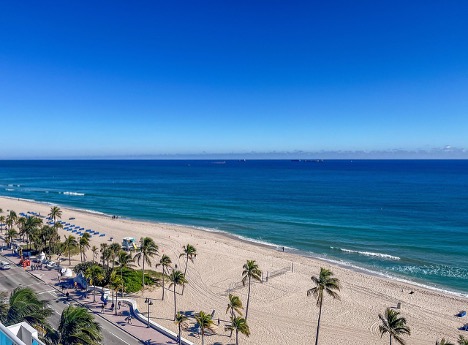
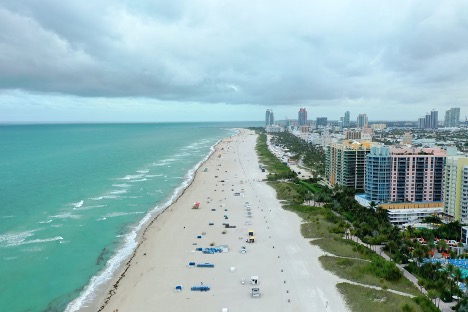
Here is another Florida destination that is among the family-friendly destinations that actually live up to the hype. We are all familiar with Miami’s electric nightlife scenes and beach parties. But there is another separate side that is truly family-friendly. There are numerous parks, kid-friendly beaches, and many other attractions to explore. So, if this is what you want, it’s time to book your holidays in Miami from the UK and start preparing for the most incredible family holidays. 

3. San Diego, California


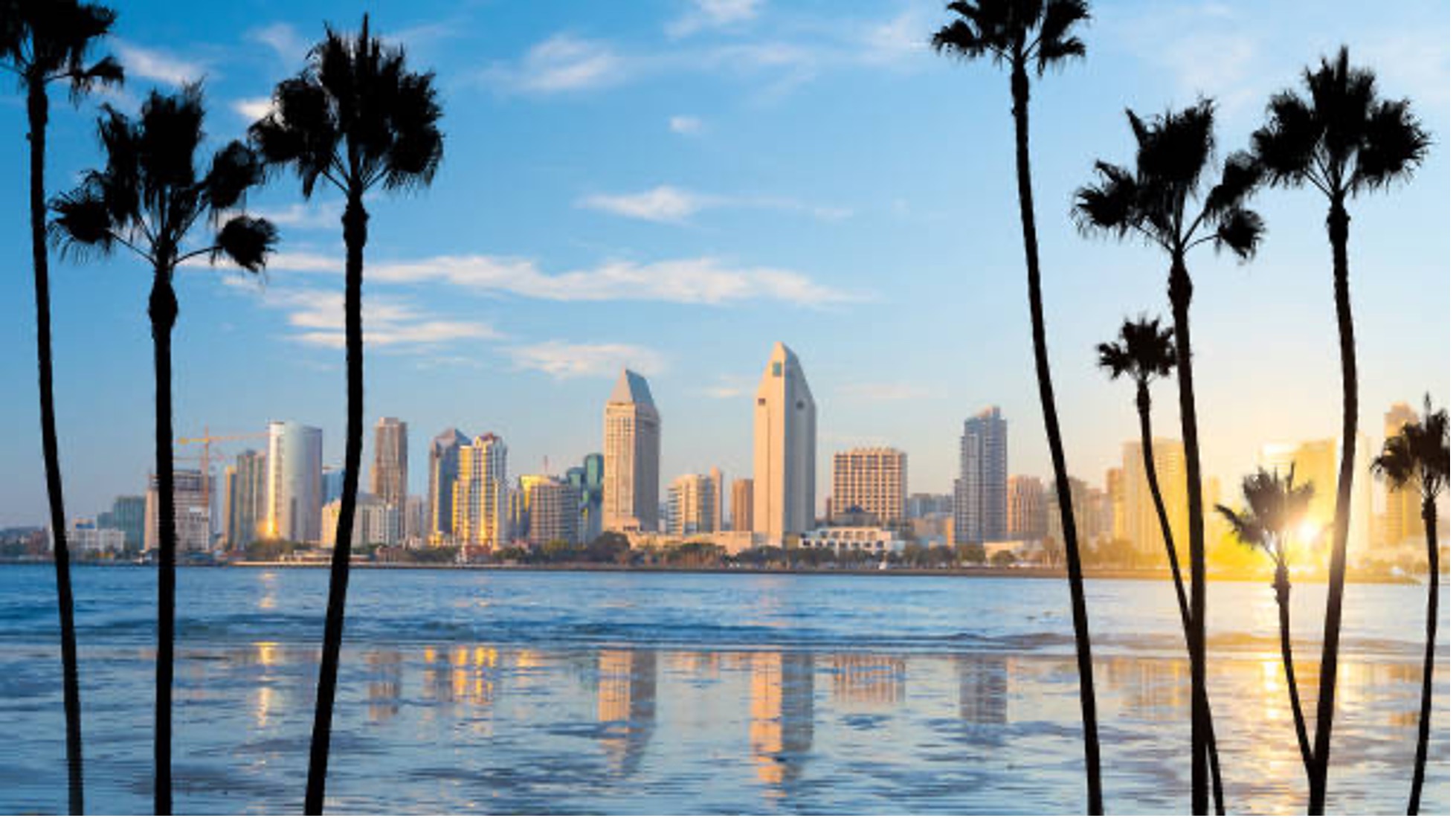
If beaches, sun, and the perfect weather are what your family is looking for in their holidays, San Diego is truly the most incredible option. Everyone loves the family-friendly beaches and the laid-back vibes of the region, along with endless activities that will make your family holiday worthwhile. In addition to the glorious beaches, you get numerous other attractions like the San Diego Zoo, the USS Midway Museum, Balboa Park, and many others that you must explore with your family. 

4. Yellowstone National Park, Wyoming/Montana/Idaho

Yellowstone National Park is quite a popular destination among families for all the right reasons. You will be glad to know that it surely justifies its hype. The natural beauty, diverse wildlife, and a wide range of activities make it perfect to spend some unforgettable time with your family. There are only a few destinations like this one that seamlessly blend education, adventure, and relaxation in a natural setting. You and the kids will surely fall in love with the pure nature here that gives you time to bond and have a screen detox. 

5. New York City, New York


You can never go wrong with planning a trip to New York City with your family. There are magical parks and Broadway shows in the city that your family will enjoy. Also, the bustling city charm of this incredible world-famous destination makes everyone fall in love with it. There are also numerous museums and iconic landmarks to explore while in the city. Every year, many people plan holidays in New York from the UK to experience its charm. 

6. Myrtle Beach, South Carolina

There is no denying that Myrtle Beach is ideally suited for family holidays. You get the perfect beaches here, along with amusement rides that add to the whole experience. Another great thing about this destination is that the beachfront boardwalk is lined with ice cream shops, arcades, and mini golf courses. Additionally, you can easily find affordable accommodation here, which also attracts many families. 

7. Williamsburg, Virginia


Williamsburg is another incredible US destination that lives up to the hype. This is the place where history combines with hands-on fun to create an unforgettable experience for your family. Don’t miss out on visiting Colonial Williamsburg, where kids can dress up, try colonial crafts, and interact with the actors. There are also numerous modern entertainment opportunities here that you won’t want to miss.

8. Chicago, Illinois


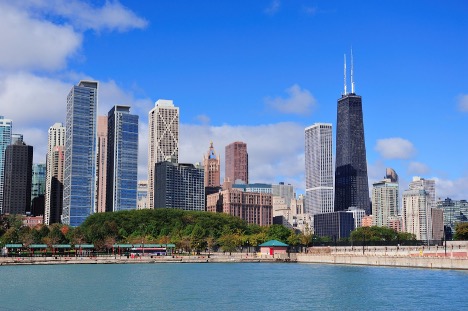
If you’re looking for urban fun in the USA, Chicago won’t disappoint. This beautiful city is full of family-friendly attractions and scenic boat rides that will give you some unforgettable time with your family. Get ready to explore the famous attractions like Navy Pier, the Field Museum, and the Shedd Aquarium. Also, treat yourself and your family to some of the delicious deep-dish pizza while you’re in Chicago. 

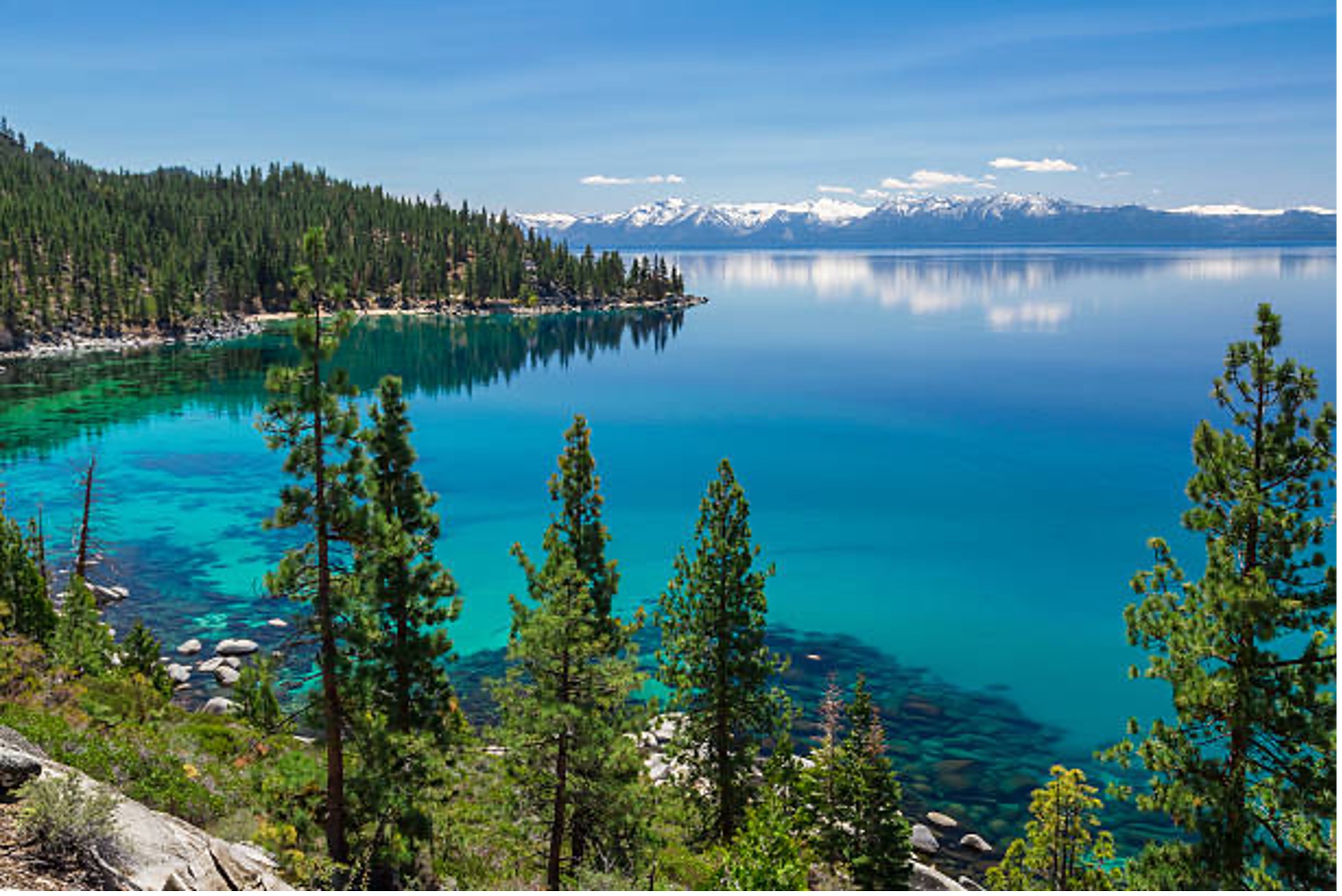
9. Lake Tahoe, California/Nevada


Families looking forward to spending time in glorious nature and indulging in adventurous activities will fall in love with Lake Tahoe. This natural wonder is breathtaking in all seasons. Also, you can indulge in endless thrilling activities around this natural wonder. From hiking, swimming, and skiing to paddleboarding and snowboarding, countless adventures await you at Lake Tahoe. 

10. Asheville, North Carolina


Another beautiful destination that lives up to its hype is Asheville, known for its natural charm. It is located in the Blue Ridge Mountains, which are not only unmatched in their natural beauty but also offer a quirky charm and a rich culture that is truly worth exploring. There are numerous kid-friendly trails here that you and your kids will enjoy. Also, visit the fascinating Biltmore Estate. 

Summing Up…

The US is full of incredible family-friendly destinations, but not all of them live up to the hype. We have mentioned some of the destinations that truly live up to the hype and will give your family the most unforgettable time. Now is the time to decide on a destination and contact Zippy Holidays to make your dream family holiday a reality. 

Guest post by Elsie. Elsie is a passionate travel blogger who explores the world one city at a time. Through her stories and tips, she shares hidden gems, cultural insights, and travel inspiration to help others make the most of every journey. Follow her adventures and get inspired to explore beyond the map. She can be reached at elsieblogger5@gmail.com.

Images courtesy of pixabay.com, freepik.com and istockphoto.com

Digital Nomad Hotspots: Best Cities to Work and Travel in 2025

So, you’ve got a remote job, a reliable laptop, and an itch to see the world, now the big question is, where do you go next? If you’re tired of the same café down the street and you’re dreaming of sipping espresso in Italy or working from a beachside bungalow in Bali, you’re not alone. Digital nomadism isn’t just a trend anymore, it’s a lifestyle, and in 2025, more people than ever are packing up their gear and hitting the road in search of the perfect work-meets-adventure balance.

But not every city is built for digital nomads, and let’s be honest some places look dreamy on Instagram but turn out to be digital duds when you factor in slow Wi-Fi, high costs, or no coworking spaces. That’s why we’ve rounded up the best digital nomad hotspots for 2025. These cities are not only beautiful and vibrant, but they also tick all the boxes for productivity, connectivity, community, and unforgettable experiences.

What Makes a City a Great Digital Nomad Hotspot?

Before diving into the list, let’s talk about what makes a place truly “digital nomad-friendly.” It’s not just fast internet or cheap rent (though those help). It’s about the entire experience, how easy it is to meet people, how welcoming the locals are, whether there’s a vibe that makes you want to stay a bit longer than planned. The best digital nomad hotspots in 2025 share a few key ingredients:

  • Reliable and fast internet (because no one likes to freeze on a Zoom call)
  • Affordable cost of living
  • Coworking spaces or laptop-friendly cafes
  • Strong digital nomad community
  • Great weather or natural beauty
  • Fun stuff to do when you close your laptop
  • Good quality of life and safety
  • Ease of getting a visa or staying longer

Alright, let’s get to the good stuff–your future favorite cities to live, work, and explore.

Top Digital Nomad Hotspots for 2025

1. Chiang Mai, Thailand

Let’s start with a classic that’s only gotten better over the years. Chiang Mai has been a digital nomad darling for over a decade, and in 2025, it’s still going strong. The city blends affordability with culture, offering everything from night markets and temples to lush green mountains.

The internet is fast, the coffee scene is thriving, and coworking spots like Punspace and Yellow are filled with friendly remote workers. Chiang Mai’s digital nomad community is massive, which makes it super easy to find friends, accountability buddies, or even potential collaborators for your next big idea. Oh, and let’s not forget the food $2 Pad Thai and fresh fruit smoothies all day? Yes, please.

Vibe: Chill, cultural, and very budget-friendly
Best for: First-timers, long-term stays, and creators who need inspiration

2. Lisbon, Portugal

Lisbon is sunshine, sea breeze, and startup energy all rolled into one. It’s the kind of place where you can take client calls in the morning and catch a golden sunset by the ocean in the evening. In 2025, Lisbon continues to attract digital nomads from around the world, thanks to its strong Wi-Fi, English-friendly vibe, and lively coworking scene.

Neighborhoods like Bairro Alto and Alfama are brimming with charming cafés, while areas like LX Factory offer coworking spaces and networking events. Plus, Portugal’s new digital nomad visa makes staying longer totally doable. Add in the pastel de nata and that warm Atlantic breeze, and you might never want to leave.

Vibe: Creative, historical, and slightly bohemian
Best for: Startups, creatives, and freelancers who enjoy European city life

3. Medellín, Colombia

Colombia might not have been on your radar a few years ago, but Medellín is having a serious moment. Once known for its turbulent past, the city has transformed into a tech-savvy, green, and buzzing destination for remote workers.

The “City of Eternal Spring” lives up to its name with perfect weather year-round. There are coworking spaces in nearly every neighborhood, with places like Selina and Atom House attracting both locals and nomads. The exchange rate works in your favor, too, which means you get way more bang for your buck, think stylish apartments, incredible food, and weekend trips to lush coffee regions.

Vibe: Urban jungle with a heart
Best for: Adventurous souls, startup folks, and anyone who loves a good arepa

4. Tbilisi, Georgia

If you haven’t heard about Tbilisi yet, buckle up this charming capital in the Caucasus is stealing hearts left and right. It’s got a thriving digital nomad scene, excellent Wi-Fi, low cost of living, and best of all: Georgia offers a one-year visa-free stay to citizens of over 90 countries.

The blend of East-meets-West culture, historic architecture, and modern cafes makes this place feel both ancient and fresh at the same time. You can work in a hip coworking space by day and explore hidden wine cellars at night. Georgian hospitality is the real deal, and you’ll quickly feel like part of the community.

Vibe: Mysterious, warm, and endlessly fascinating
Best for: Slow travelers, writers, and those who want to live well for less

5. Canggu, Bali (Indonesia)

Bali has been on digital nomad radars for a while, but Canggu is where the magic is right now. This coastal town is filled with surfboards, smoothie bowls, scooters, and MacBooks. It’s where beach life meets hustle mode, with coworking spaces like Dojo and BWork packed full of remote workers building businesses between surf sessions.

The culture is welcoming, the sunsets are unbelievable, and the food scene? Absolutely fire. From vegan cafés to Indonesian warungs, there’s something for every palate (and budget). Bali’s community vibes are strong, and if you’re into yoga, nature, or simply chilling hard after work, Canggu is calling.

Vibe: Laid-back but buzzing
Best for: Creatives, solopreneurs, and online coaches

6. Buenos Aires, Argentina

If you like European architecture but also want your money to stretch, Buenos Aires should be high on your list. In 2025, it’s become one of the most underrated gems for digital nomads, especially thanks to the favorable exchange rate for foreign income earners.

The city has excellent public transport, tons of coworking spaces, and a nightlife that starts late and goes later. You’ll find tango in the streets, empanadas on every corner, and some of the friendliest people you’ve ever met. Plus, the new digital nomad visa makes it easier than ever to live and work there legally.

Vibe: Elegant, electric, and a little dramatic in the best way
Best for: Culture lovers, night owls, and people who don’t mind working a slightly shifted timezone

7. Tallinn, Estonia

Estonia might not be the warmest place on the list, but don’t let that stop you. Tallinn is tech-forward, incredibly efficient, and packed with charm. It was the first country to launch an e-residency program, making it perfect for digital nomads who want to incorporate their business while exploring Europe.

The Old Town feels straight out of a fairytale, but the coworking and startup scene is all modern hustle. With digital nomad visas available and solid infrastructure for remote workers, Tallinn is a cold-weather destination that’s totally hot right now.

Vibe: Quietly confident, tech-savvy, and fairytale-level pretty
Best for: Founders, developers, and efficient dreamers

8. Cape Town, South Africa

Few cities can match Cape Town’s dramatic natural beauty. Mountains meet the sea, wine country’s a drive away, and the energy is completely contagious. In 2025, more digital nomads are discovering that Cape Town is not just a vacation destination, it’s a place where you can actually get things done.

Coworking spaces like Workshop17 and Cape Town Office are thriving, and there’s an amazing food and coffee culture to fuel your workdays. Yes, you’ll need to manage time zones if your team is in Europe or the US, but waking up early is worth it when your post-work hike involves Table Mountain.

Vibe: Wild, scenic, and a little adventurous
Best for: Explorers, surfers, and folks with flexible schedules

9. Da Nang, Vietnam

Quietly rising as a star among digital nomad hotspots, Da Nang is perfect for those who want the affordability of Southeast Asia without the chaos of larger cities. It’s got wide beaches, modern apartments, tasty Vietnamese food, and reliable internet.

Coworking spaces like Enouvo Space are modern and comfortable, and there’s a solid community forming around remote work here. The city feels clean, walkable, and refreshingly manageable. Bonus? You can take weekend trips to Hoi An or the Marble Mountains, just a short drive away.

Vibe: Underrated, peaceful, and seriously affordable
Best for: Introverts, couples, and deep workers

10. Mexico City, Mexico

Don’t sleep on CDMX. This massive, colorful, chaotic city is a dream for digital nomads who thrive in an urban jungle. Fast Wi-Fi, trendy coworking spaces, endless taco joints, and creative energy make Mexico City a haven for remote workers in 2025.

There’s a reason why more creatives and freelancers are setting up shop here. It’s relatively affordable, culturally rich, and bursting with flavor in every sense of the word. You can dive into street food, art galleries, and rooftop bars all in the same day.

Vibe: Bold, busy, and brilliant
Best for: Digital creatives, foodies, and social butterflies

One Unexpected Bonus for the Road

While city-hopping, don’t forget to pack your creature comforts. A lot of digital nomads swear by their favorite snacks, especially when local options can be hit or miss. One fun recommendation? Popped hulless popcorn. It’s light, crunchy, easy to carry, and won’t leave you digging hulls out of your teeth mid-Zoom call. Trust me, having a little taste of home can go a long way during long workdays abroad.

Final Thoughts: Pick a City That Fits You

Here’s the truth: the “best” digital nomad hotspot really depends on you. Your ideal location might not be the cheapest or trendiest, it could be where you feel the most yourself. Maybe you crave waves and wellness retreats, or maybe your version of paradise is a rooftop coworking space in a buzzing city.

In 2025, the options are endless and the digital nomad lifestyle is more accessible than ever. So take a chance, book that one-way flight, and let your laptop take you on the greatest adventure of your life. Whether you start in Chiang Mai, Lisbon, or somewhere completely unexpected, you’ve got the world at your fingertips and Wi-Fi in your backpack.

Image courtsey of www.freepik.com.

Best Time to Visit the Caribbean During Festivals and Cultural Activities

The Caribbean is a region in the Americas, centered around the Caribbean Sea in the North Atlantic Ocean, and mostly covering the West Indies. The Caribbean region is renowned for its diverse marine life, rich cultural mix, cobalt blue waters, and glorious beaches. The United States, part of this region, is home to some important coral reef ecosystems.

Visit the Caribbean During Festivals and Cultural Activities

Geographically, the Caribbean region is mainly a chain of islands surrounding the Caribbean Sea. To the north, the region is enclosed by the Gulf of Mexico. To the south lies the coastline of the mainland of South America. It is a culturally diverse area with a complex history shaped by imperialism, and the region’s identity is affected by things like language, economy, and geopolitics. If you’re wondering about the closest Caribbean island from the UK, this region offers several fascinating options to explore. Learn about Caribbean culture through festivals.

Caribbean culture is profoundly intertwined with its colourful festivals, particularly carnival, which provides a window into the region’s history, traditions, and identity. These celebrations offer a unique mixture of African, European, and domestic influences, reflected in music, dance, costumes, and food.

January – History and Music in Jamaica

Jamaica greets the start of the year with a music festival. Jamaican music history reflects the island’s complex cultural heritage. Especially in January, Jamaica is a vibrant mixture of history and music. The music scene is rich with festivals and events that celebrate the island’s musical heritage.

February – Carnival Magic Starts

February is carnival time. Many Caribbean islands celebrate carnivals in February. Famous locations are Trinidad and Tobago, Puerto Rico, and Martinique. These carnivals are often timed to coincide with the Catholic Lenten season. Music, costumes, and joy fill the streets. Most visitors arrive in the region on British Airways or connect from Asia on flights to Manila with Philippine Airlines.

March – Jazz and Seafood

In March, the Caribbean offers several options for experiencing jazz and seafood. Especially, the St Lucia Jazz and Art Festival is a prominent event. Shellfish, including mussels, oysters, langoustine, and lobster, are plentiful for your March platters.

April – Spring Carnivals Bloom

April is colour and culture. Many Caribbean islands host carnivals in April. Notable examples are the Jamaica Carnival, which usually falls in the week after Easter. And one of the main carnivals is St. Thomas Carnival of the U.S. Virgin Islands. These carnivals are known for colourful parades, parties, and celebrations of culture and music.

May – Crystal Clear Water

May is a magical time in the Caribbean. As the winter season winds down, islands begin to offer quieter, vibrant, and sunny weather. May is the time for a holiday in the Caribbean. The crystal clear blue waters are warm at this time of the year, perfect for snorkelling or swimming.

June – Hurricane Season

June in the Caribbean usually marks the start of the wet season and hurricane season, but with warm, sunny, and bright weather, often with occasional showers. June is also a low season travel time, with lower prices and fewer tourists.

July – Big Celebrations Arrive

July is a good and fun time to visit the Caribbean. Each year in July, the island of St Lucia turns into a massive celebration filled with elaborate costumes, spirited rhythms, parades, and pure Caribbean energy. Book early because British Airways and Philippine Airlines flights are popular.

August – The Festivals’ Peak

North America’s largest festival happens in August. August is party time. The Havana Carnival, a long-standing tradition, is held in August. From late July to early August, Antigua Carnival is an important cultural event.

September – A Quiet Cultural Escape

September is known for many festivals, including the Belize Carnival, which celebrates the mix of Mayan, African, and European roots with street theater, music, and costumes. In September you should be aware of potential weather conditions.

October – Music and Food

October in the Caribbean generally offers warm temperatures and fewer crowds, but also comes with the potential for increased rainfall and the tail end of the hurricane season. October is Creole Heritage Month in the Caribbean. This event is a celebration of the richness and diversity of St Lucia culture.

November – Reflection and Celebration Time

In the Caribbean, November is a month of various cultural celebrations. The second week of November marks the start of carnival celebrations in St Kitts known as Sugar Mas. November marks the end of hurricane season. It is a great time to find travel discounts. British Airways and Philippine Airlines offer discounts earlier in the year.

December – Holiday Joy Caribbean Style

December is a festival of lights, starting with a lantern competition in the first week of December, leading up to a parade of lanterns on December 12, the evening of Saint Lucia Day, which is followed by a Christmas show. Many tourists come early to lock in good prices.

Planning a Trip for Culture

Double-check the dates before booking. Festival dates change each year. If you are travelling from Asia, Manila flights can take you to the Caribbean. Both Philippine Airlines and British Airways offer efficient service with easy transfers.

Feel the Heart of the Caribbean

To feel the heart of the Caribbean, one needs to experience its vibrant culture, natural beauty, and unique blend of influences. This can be done through exploring local markets and enjoying the music and dance – tasting the diverse cuisines and interacting with warm people.

Post courtesy of Luna Jack. Luna Jack is a passionate travel blogger who explores hidden gems and iconic destinations worldwide. Her blog shares travel tips, cultural insights, and captivating stories to inspire others to embark on their adventures. From bustling cities to tranquil escapes, Luna brings each journey to life with vibrant storytelling and practical advice.

Featured image courtesy of: Unsplash.

Top 7 Sustainable Travel Destinations for Eco-Conscious Explorers

If you’re the kind of person who loves the idea of exploring the world while treading lightly on the planet, you’re not alone. More and more travelers are starting to realize that being a tourist doesn’t have to mean being wasteful. You can actually travel in a way that protects the places you visit, supports local communities, and helps preserve nature for future generations. Sounds good, right? Well, if you’re looking to plan your next adventure and want to make it as green as possible, you’re in luck. This guide is all about the Top 7 Sustainable Travel Destinations that are perfect for eco-conscious explorers like you.

These places have made it a mission to embrace sustainability, encourage mindful tourism, and create unforgettable experiences that don’t come at the environment’s expense. Ready to pack your bags and your reusable water bottle? Let’s go!

1. Costa Rica – Nature’s Playground with a Green Heart

When it comes to sustainable travel, Costa Rica is basically the poster child. This small Central American country is famous for its biodiversity, lush rainforests, volcanoes, and incredible wildlife, but what makes it really stand out is how serious it is about sustainability.

Costa Rica has committed to being carbon-neutral, and nearly 98% of its electricity comes from renewable sources. That’s right, while you’re ziplining through the jungle, chilling on the beach, or soaking in a natural hot spring, you can rest easy knowing you’re in a country that genuinely cares about the environment.

You’ll find plenty of eco-lodges that are designed to blend into nature instead of bulldozing through it, and local guides are usually trained in environmental conservation and wildlife protection. Whether you’re hiking in Monteverde Cloud Forest or watching sea turtles nest in Tortuguero, every step of your journey supports conservation efforts and local communities.

Eco-tip: Try staying in a sustainable lodge like Lapa Rios, which sits on a private rainforest reserve and runs entirely on solar power.

2. Slovenia – Europe’s Hidden Green Gem

If you’re dreaming of a European getaway that doesn’t involve massive crowds or tourist traps, Slovenia might just be your new favorite destination. It’s a small country tucked between Italy, Austria, Hungary, and Croatia, and it’s packed with mountains, lakes, forests, and charming towns all with a strong focus on sustainability.

The capital, Ljubljana, was named Europe’s Green Capital in 2016, and it has one of the most pedestrian-friendly old towns you’ll ever see. Cars are mostly banned from the city center, and there are plenty of green spaces, bike rentals, and public transportation options that make exploring super easy and low-impact.

But it’s not just about the cities, Slovenia’s countryside is just as impressive. Think eco-farms where you can stay with local families, organic vineyards in the rolling hills, and kayaking on crystal-clear rivers. Plus, the country’s national parks are pristine and peaceful, perfect for slow travel and serious nature appreciation.

Eco-tip: Visit Lake Bled or Lake Bohinj and stay at an eco-friendly guesthouse that uses rainwater collection and solar panels.

3. New Zealand – Adventure and Sustainability Rolled into One

If you’re looking for jaw-dropping landscapes and outdoor thrills without compromising your eco-values, New Zealand absolutely delivers. The country has long been a top destination for nature lovers and adventure seekers, but what many people don’t realize is how committed it is to sustainability.

New Zealand’s Māori culture is deeply rooted in respect for nature, and that attitude shines through in the way many tourism businesses operate. You’ll find tons of eco-certified tour operators, conservation-focused experiences, and eco-lodges that work hard to preserve the surrounding land.

From hiking the legendary Milford Track to spotting rare wildlife in the Otago Peninsula, every part of your trip can be low-impact and high-reward. And let’s be real, nothing beats waking up in a remote eco-cabin, sipping coffee with views of snowcapped peaks, and knowing your visit is helping protect the very land you came to see.

Eco-tip: Choose operators that are part of New Zealand’s Qualmark Sustainable Tourism Business program for a trip that’s both fun and environmentally responsible.

4. Bhutan – The Kingdom that Measures Happiness and Carbon

Bhutan might just be the most unique place on this list not just because it’s tucked high in the Himalayas and full of stunning monasteries, but because it’s the only country in the world that’s carbon-negative. That’s right, not just neutral but negative.

How do they do it? Bhutan has protected over 60% of its land as forest, banned single-use plastics, and limited the number of tourists through a “High Value, Low Impact” tourism policy. This means you’ll have to pay a daily sustainable tourism fee to visit, but it also ensures that tourism doesn’t overwhelm the environment or culture.

What you get in return is priceless: unspoiled landscapes, peaceful temples, vibrant festivals, and a truly authentic experience. Hiking the Tiger’s Nest Monastery is bucket-list worthy, and you’ll be doing it in a country where sustainability is literally written into its constitution.

Eco-tip: Use local guides and stay in homestays to support communities while experiencing Bhutanese life up close.

5. Sweden – Scandinavia’s Eco Trailblazer

If you’re into cool cities, wild landscapes, and a culture that genuinely lives and breathes eco-friendly living, Sweden is the place for you. With its vast forests, thousands of lakes, and stunning northern lights, it offers a perfect mix of urban sophistication and untouched nature.

Stockholm, Gothenburg, and Malmö are consistently ranked among the world’s most sustainable cities. Public transportation runs on renewable energy, recycling is basically a religion, and plant-based food options are everywhere. You can even drink the tap water, it’s some of the cleanest in the world.

Outside the cities, Sweden’s “Right of Public Access” law allows you to camp, hike, and explore almost anywhere, as long as you do it respectfully. Imagine paddling through the lakes of Dalarna or hiking through Lapland, with nothing but fresh air, birdsong, and the occasional moose for company.

Eco-tip: Try staying in a treehouse hotel like the iconic Treehotel in Harads. Each room is designed with sustainability and minimal impact in mind.

6. Kenya – Safari with a Sustainable Twist

A lot of people dream of going on safari in Africa, but not all safari experiences are created equal when it comes to sustainability. Kenya is leading the way in offering eco-friendly wildlife adventures that also benefit local communities and conservation projects.

Places like the Maasai Mara, Amboseli, and Laikipia have incredible wildlife from lions and elephants to rhinos and giraffes and many lodges in these areas are built to run off solar power, recycle water, and fund local education and conservation programs.

What’s great is that these sustainable lodges and tour operators don’t just talk the talk, they actually walk the walk. Many of them are owned or co-managed by local communities, so your money goes directly into supporting the people and ecosystems that make these safaris possible.

Eco-tip: Choose community-based lodges or wildlife conservancies like the Ol Pejeta Conservancy for a safari that gives back.

7. Japan – Ancient Traditions Meet Modern Sustainability

Japan might not be the first place that pops into your head when you think of sustainable travel, but it’s definitely worth a second look. The country’s deep-rooted respect for nature, minimalistic lifestyle, and efficient public transport make it a surprisingly great destination for eco-conscious travelers.

Outside the neon lights of Tokyo, you’ll find regions like the Japanese Alps, Shikoku, and Kyushu, where sustainability is woven into everyday life. Traditional inns called ryokan often source food locally and use minimal energy, and many rural areas are turning to green tourism to boost local economies without damaging the environment.

Japan’s impressive train system makes it super easy to get around without flying, and cities like Kyoto and Kanazawa offer plenty of low-impact cultural experiences like cycling through temples, staying in paper-walled houses, or learning how to cook vegan Japanese meals using seasonal ingredients.

Eco-tip: Stay in a ryokan with eco-certifications and take the Shinkansen (bullet train) to travel fast, comfortably, and cleanly across the country.

Quick Sustainable Travel Tips Before You Go

Now that you’re inspired by these awesome destinations, here are a few friendly reminders to help you stay green while on the move:

  • Pack light and avoid single-use plastics. Bring your own water bottle, bamboo utensils, and cloth bags.
  • Support local businesses-eat at family-run restaurants, shop at local markets, and use guides from the community.
  • Choose eco-friendly stays like lodges, hostels, or hotels with green certifications.
  • Offset your carbon emissions from flights or better yet, take a train or bus when possible.
  • Travel slowly. It’s not about ticking places off a list, it’s about enjoying where you are and making meaningful connections.

Final Thoughts (But Not Really “Final”)

Sustainable travel isn’t about being perfect. It’s about being aware, making conscious choices, and doing your best to leave a place better than you found it. The destinations on this list are proof that you can have breathtaking adventures without breaking the planet and that’s something to celebrate.

So whether you’re hiking through Bhutan’s mountains, watching elephants in Kenya, sipping coffee in Sweden, or lounging on a Costa Rican beach, you can do it all while being a responsible traveler.And hey, when you’re done wandering for the day and you’re back at your cozy eco-lodge watching the sunset, there’s nothing wrong with kicking back with a little snack. You might even find yourself wondering about new microwave popcorn flavors you’ve never tried before while swapping travel stories with fellow adventurers. Because after all, even eco-warriors deserve a little treat.

Explore Dunfermline: Another Great Day Trip from Edinburgh

Dunfirmline is only 18 miles from Edinburgh and makes a great day-trip destination combined with Blackness Castle. Dunfirmline is a very important city in Scottish history (it was essentially the capital of the Kingdom of Scotland from the 11th century to the 15th century) and today the town has almost become a suburb of Edinburgh, growing quite rapidly over the past 10-15 years. In addition to being the final resting place for several royal figures, Dunfirmline is the birthplace of Andrew Carnegie, the titan of the U.S. steel industry who emigrated with his family to Pittsburgh, PA when he was 12 years old.

We visited Dunfirmline on our way to St. Andrews and so while we did not have a lot of time in the town, we were able to see the Abbey and walk through the main town before driving to St. Andrews.

Dunfirmline Abbey and Palace

View of Dunfirmline Abbey’s graveyard.

Dunfermline’s Abbey houses the remains of seven Scottish Kings and other royals, including the famous Robert the Bruce who died in 1329 and was the last king to be buried here. Robert the Bruce is known for his major victory over the English at Bannockburn, Scotland in 1314 (Bannockburn battlefield can be visited near Stirling, Scotland and is well worth a stop). Robert’s heart was taken to Melrose Abbey, which I will write about in a separate post (he wanted his heart taken to the Holy Land, but it never made it). The grounds of the Abbey include a few remaining walls of a 12th-century royal palace, ruins of the huge refectory and nave of the original Benedictine Abbey and a newer 19th-century rebuilt section after part of the original Abbey collapsed and fell into disrepair in the 1600’s and 1700’s.

At the top of the Abbey’s tower, you can see the inscription “King Robert The Bruce” on the four sides.

Connected to the Abbey are the ruins of the Benedictine Refectory and Palace.

Above – the western facade of the old Abbey.

If you’re in Edinburgh and would like a short side trip to explore the countryside, Dunfirmline is a great stop. We found a car park close to the Abbey and there were just a few visitors at the Abbey in late August, even though Edinburgh was packed during that same time.

5 Unique Food Festivals Around the World You Need to Attend

If you love traveling and eating (let’s be honest, who doesn’t?), then food festivals are your dream come true. They’re the perfect combo of culture, chaos, community and of course, calories. But not all food festivals are created equal. Some are super local, others are ridiculously extravagant, and a few are just so quirky that you can’t help but grab a fork (and maybe a raincoat) and dive in.

Whether you’re into cheese rolling, fiery spice challenges, or want to slurp noodles in the middle of a lantern-lit street, we’ve got the bucket-list-worthy festivals you need to know about.

Get ready to drool, laugh, and maybe even book a flight. Here are 5 unique food festivals around the world you absolutely need to attend.

1. La Tomatina – Buñol, Spain

Okay, let’s kick things off with a festival that’s not just about food it is food. Or more precisely, throwing it. La Tomatina is the world’s largest food fight, and it goes down in the tiny Spanish town of Buñol every August.

Picture this: tens of thousands of people packed into narrow streets, wearing goggles and white shirts, absolutely drenching each other in overripe tomatoes. Sounds messy? Oh, it is. But it’s also insanely fun.

How It Works:

  • Trucks roll in loaded with over 100 metric tons of squishy tomatoes.
  • A jamón (Spanish ham) is placed on top of a greasy pole. When someone climbs it and grabs it, the tomato-throwing chaos begins.
  • For one hour, it’s a full-on tomato war. Then, fire hoses come in to wash everyone and the streets off.

Why You’ll Love It:

Besides being wildly entertaining, La Tomatina is a sensory overload in the best way possible. After the tomato storm, the town turns into a massive street party with paella, cold drinks, and live music.

Pro Tip: Don’t wear anything you care about. That tomato juice isn’t coming out.

2. Night Noodle Markets – Australia

Let’s switch gears to something a little less intense (and a lot more delicious). If you find yourself Down Under between October and November, you have to hit the Night Noodle Markets in Sydney or Melbourne.

This vibrant, open-air Asian street food festival turns local parks into a glowing paradise of lanterns, sizzling woks, and savory goodness.

What You’ll Find:

  • Dishes from across Asia: think bao buns, pad thai, pho, dumplings, ramen, Korean fried chicken you name it.
  • Fusion magic: Laksa-loaded fries? Kimchi tacos? Yes, please.
  • Craft beers, cocktails, and bubble tea to wash it all down.

It’s like taking a food tour through Asia without leaving the city.

Why You’ll Love It:

There’s something magical about slurping noodles under lanterns while live music plays and the smell of garlic and sesame floats through the air. Plus, the festival is totally cashless, just tap and chow down.

Pro Tip: Go early. The lines for the trendiest stalls get loooong, and you’ll want to try everything.

3. Cheese Rolling Festival – Gloucestershire, England

Let’s be honest: British cuisine doesn’t always get the best rep. But one thing they do incredibly well? Cheese. And they’re willing to risk their lives for it.

Every spring, the Cooper’s Hill Cheese Rolling Festival takes place in Gloucestershire, and it’s every bit as bizarre and glorious as it sounds.

What Happens:

  • A 9 lb wheel of Double Gloucester cheese is rolled down a steep hill.
  • Dozens of brave (or slightly unhinged) people throw themselves down after it.
  • First person to cross the finish line at the bottom wins the cheese.

It’s wild. It’s muddy. And yes, people actually get hurt. But it’s also one of the most uniquely British things you’ll ever see.

Why You’ll Love It:

Even if you don’t join the chase, it’s worth going just for the spectacle. There are stalls with local food and cider, and everyone’s in a great mood probably because they’re either eating cheese or watching people tumble down a hill for it.

Pro Tip: Don’t run unless you’ve signed the waiver. Watching from the sidelines with a sandwich is a perfectly respectable choice.

4. Salon du Chocolat – Paris, France

This one’s for the sweet tooths (or is it sweet teeth?). If chocolate is your love language, then Salon du Chocolat is basically your soulmate. Held annually in Paris, it’s the world’s largest event dedicated entirely to chocolate and cocoa.

Yes, it’s as dreamy as it sounds.

What’s Inside:

  • Over 500 participants from 60 countries, including top chocolatiers, pastry chefs, and cocoa producers.
  • Workshops, demos, tastings, and even chocolate fashion shows are, yes, actual clothes made of chocolate.
  • Chocolate sculptures are so beautiful you’ll question whether it’s legal to eat them (spoiler: it is).

You’ll learn everything from bean-to-bar production to fancy ganache techniques. And you’ll probably leave with a suitcase full of treats.

Why You’ll Love It:

Aside from the obvious chocolate overload, Salon du Chocolat is surprisingly educational. You’ll discover ethical cocoa farming, meet artisans, and even try rare single-origin bars. And the vibe? Pure Willy Wonka.

Pro Tip: Don’t go on an empty stomach you’ll think you can eat it all. You can’t. (Trust me, I tried.)

5. Pizzafest – Naples, Italy

When it comes to iconic food cities, Naples might just top the list. It’s the birthplace of pizza, after all. And every September, it throws an epic celebration known as Pizzafest.

Ten days of pure, cheesy, crusty heaven.

What’s Cookin’:

  • Dozens of pizzerias from Naples (and beyond) set up shop along the city’s seafront.
  • Thousands of pizzas are baked in traditional wood-fired ovens.
  • You’ll get everything from the classic Margherita to crazy, modern twists with truffle cream or fried dough.

There’s also music, fireworks, pizza-making workshops, and contests for the best slice.

Why You’ll Love It:

Pizzafest is unapologetically joyful. The locals are proud, the pies are piping hot, and the vibe is pure Naples. If you’re a true pizza nerd, this is the pilgrimage you’ve been waiting for.

Pro Tip: Pace yourself. It’s tempting to try every stall in the first hour, but that’s a rookie move. You’ve got ten whole days to eat your way through pizza paradise.

Bonus Mention: Albuquerque International Balloon Fiesta – New Mexico, USA (With a Side of Green Chile)

Okay, this one isn’t a food festival per se, but it deserves a mention because of the way food plays into the overall experience. Every October, Albuquerque fills the sky with hundreds of hot air balloons during its world-famous Balloon Fiesta and on the ground? It’s a feast of New Mexican flavors.

We’re talking:

  • Green chile everything: burgers, fries, tamales, and even green chile lemonade.
  • Navajo fry bread topped with sweet or savory goodness.
  • Local coffee, cinnamon buns the size of your face, and roasted corn on the cob.

There’s something about eating spicy food while watching giant balloon animals float above your head that just feels… right.

Food Festivals: A Feast for the Senses (and Your Passport)

Here’s the thing: food festivals aren’t just about food. They’re about culture, people, stories, laughter, and a shared love of things that taste amazing. Whether you’re rolling in tomatoes, chasing cheese, or swirling chocolate on your tongue, you’re doing more than eating, you’re experiencing something unforgettable.

So if you’re planning your next adventure, skip the tourist traps and try a food fest instead. You’ll meet locals, discover new dishes, and maybe even fall in love with a flavor you never expected.

Oh, and a pro tip for the plane ride home? Don’t forget to pack snacks. Something like Farmer Jon’s microwave popcorn makes for a great travel buddy when you’re reminiscing about all the wild and wonderful food you’ve tasted on your trip.

Final Thoughts: Bring Your Appetite (and Your Camera)

Let’s be real. Most of us travel for food anyway. So why not build your whole trip around it?

There’s something magical about eating a bowl of noodles under the stars in Sydney, or clinking glasses of wine after a pizza tasting in Naples. It’s about connection between cultures, people, and your taste buds.

Note: Image courtesy of: https://www.freepik.com/

A Few Historic Sites in Cagliari You Must Visit

Located at the south end of Sardinia the city of Cagliari is the island’s capital, main city and port. Its population is roughly 150,000. Some cruise lines do make a port call at Cagliari. My recommendation would be to give the city itself 1-2 days and spend the rest of your time in Sardinia elsewhere because there is so much to see on this lovely island, one of Italy’s many treasures.

Unfortunately we didn’t get to do a lot of sightseeing in Cagliari; I had eight hours of business webinars to facilitate from my hotel room which took a chunk of the two days we had planned for our visit here. In spite of my work commitments, we still were able to get out and see a few things in Cagliari.

Cripta Santa Restituta

This church doesn’t look like much until you enter the crypt, and then you realize what a historical gem it is. The crypt is a natural limestone cavern that has a history dating back about 3,500 years to an era of pagan worship. The crypt is named for Restituta, a martyr who made cavern her home in the 5th century. You can see a few faded frescoes from the 13th century and World War II – era graffiti when local residents used the crypt as an air-raid shelter. This crypt was definitely a highlight of our time in Cagliari.

View of the Church above the Cripta Santa Restituta.

Thirteenth century fresco of John the Baptist in Cripta Santa Restituta.

Tuvixeddu Necropolis

If you’d like to see something a bit off the tourist radar, check out Tuvixeddu Necropolis. It is on the edge of the older part of Cagliari and does not seem to get many visitors. There is no fee to visit, and the walking paths are used by locals taking their dogs for a walk. For some reason, the informational placards have been allowed to fade and are hard to read. I understand you can get a tour guide to assist you with your visit and that could be very helpful. There are about 1,000 tombs here, originally developed in the 6th to 3rd centuries BC by the Carthaginians and then reused in Roman times. These tombs were also used as air-raid shelters in WWII. The necropolis is definitely worth a visit! A few images below.

This image shows how deep some of the rock tombs are – I’m guessing this one is about 15 feet deep, over twice my height. Other are deeper. I would love to explore these, but it’s clear the local authorities don’t want you doing that from the signs and access barriers.

Bastione San Remy

This 19th-century structure is one of Cagliari’s iconic locations. From the terrace, you are rewarded with a sweeping view of Cagliari and the shoreline. There are a number of restaurants below Bastione San Remy, this is a good area to wander in the evening as the sun sets.

View of Cagliari from the Bastione San Remy.
View of Bastione San Remi from the street level.
The terrace archway at Bastione San Remi.

Il Castello

This is Cagliari’s hilltop citadel, surrounded by huge walls with several towers and gates. The interior of the citadel seemed pretty quiet – there is a university here and cathedral and some small squares, but not many tourists!

The massive walls of the Il Castello, Cagliari.

Other Views of Cagliari

This is about the only view I could get of the Roman amphitheater in Cagliari, which dates from the 2nd century AD. Unfortunately, it was closed during the time of our visit for restoration work. The amphitheater is just outside the Il Castello.

I would have also liked to visit Poetto Beach – just to the south of Cagliari’s old town. It looks lovely. However, we had visited many other beaches in Sardinia so we decided to prioritize our time to see the city’s other sights.

Hotel

We stayed at the Palazzo Tirso hotel in Cagliari, a beautiful hotel right on the waterfront and close to everything we visited above. The service was excellent and the room was very comfortable. I wanted to ensure I had good internet capability and I needed an early check-in, so we chose this hotel. Definitely recommended!

The pool and lounge area on the rooftop of the Palazzo Tirso Hotel.

Outside Cagliari

There are several other interesting sights not too far from Cagliari that could make nice day-trips, including the ancient Su Nuraxi di Barumini (which you can read more about here). Also, the Roman settlement of Nora (west of Cagliari) is definitely worth visiting and the fantastic resort area of Villasimius, southeast of Cagliari – with so many beautiful beaches it’s hard to know where to begin! I will be posting about Nora and Villasimius soon.

Explore Blackness Castle: A Historic Day Trip Near Edinburgh

Blackness Castle is only 17 miles west of Edinburgh, Scotland and makes a great day trip, especially combined with a visit to Dunfermline, the final resting place of Robert the Bruce (highly recommended, more information will be forthcoming on Dunfermline in future posts). The 15th century castle has gained fame in recent years as a filming location for the TV show “Outlander”. However, the castle has served as a filming location for movies as well. The castle sits on a prominent point on the Firth of Forth and was a strategic location for protecting the nearby village which was a major port in past centuries. It also served as a prison starting in the 1500’s and as a munitions depot.

The castle is unique for its ship bow-shaped defensive walls facing the Firth of Forth.

A little hard to tell, but the castle walls on the left form a sharp bow-shaped point, very appropriate giving the setting on the water!
Another view of the castle from the “bow”.
Robyn admiring the tower keep “Prison Tower” of Blackness Castle.
An informational sign indicating the use of the central tower (keep) as a prison for many years, especially for “high status” prisoners.

We visited Blackness Castle in early September. We got there as it opened and pretty much had the whole castle to ourselves. Compared with busy Edinburgh, Blackness Castle’s quiet surroundings were a nice change of pace.