
Following an awesome 10-day trip to the islands of Mallorca and Menorca, Spain, we flew to Barcelona directly from Menorca to spend a few days there before heading home. This was our first time in Barcelona. There is a lot to do in here, and we decided to take one day and visit several sights that represent the influence Antoni Gaudi (1852 – 1926) had on the architecture of this beautiful city. He was an extraordinary architect and designer who incorporated design elements he found in natural forms (such as the shape of shells and trees) into his architectural work – hence the unique elements you find in his buildings.
Please note it is worth planning ahead and getting your tickets for the sights below in advance, especially during the summer months. We were in Barcelona in October and the city was quite busy with tourists.
La Sagrada Familia
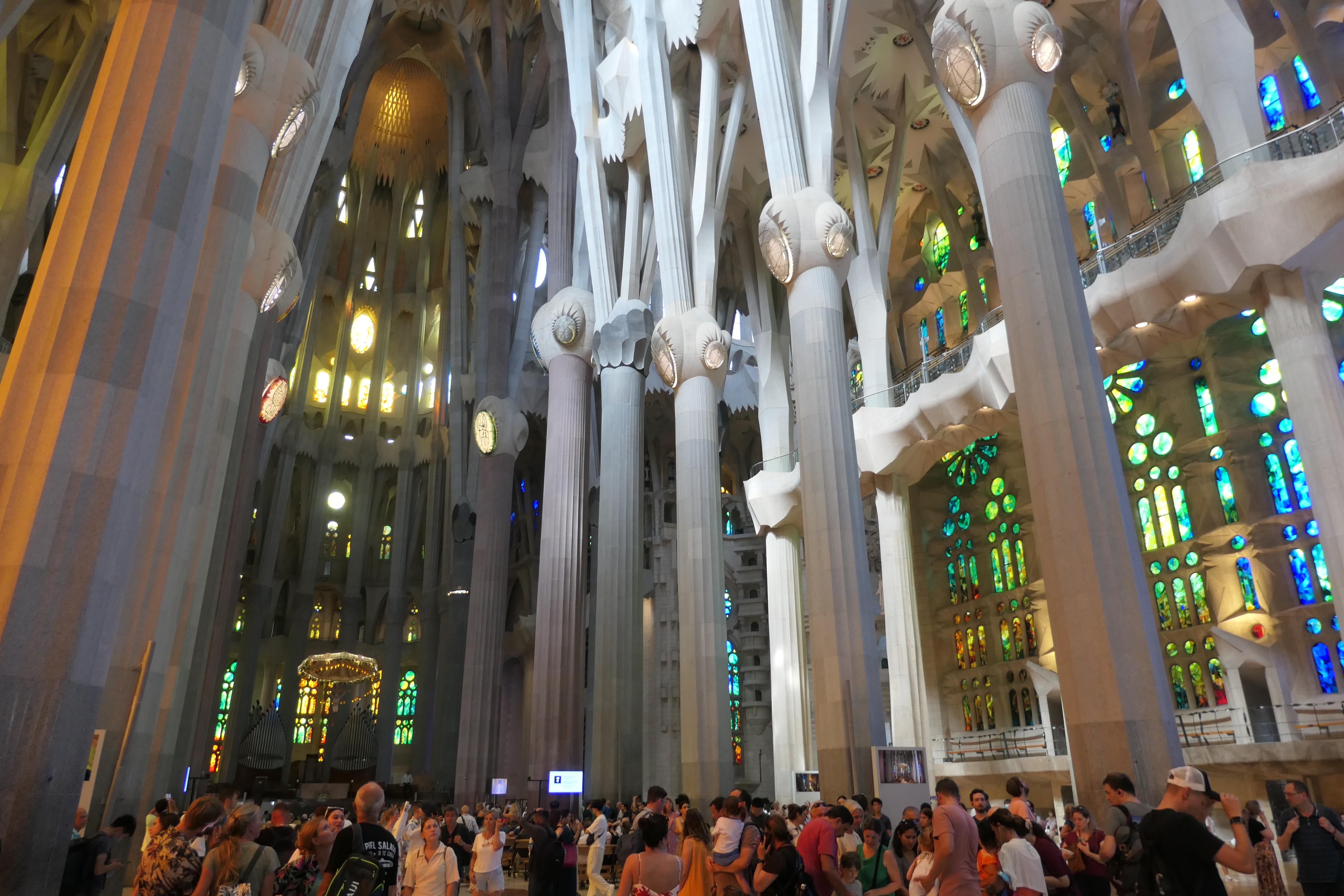
This is likely the most famous landmark in Barcelona (as attested by the large crowds) and is the largest unfinished Catholic Church in the world. This church has been under construction since 1882. The hope was to complete its construction by 2026, the centennial anniversary of Gaudi’s death; however it is likely to extend beyond this date. The Church has a layout similar to a typical medieval European Gothic Cathedral, but the interior design is very unique. The completion of the tallest spire, the Jesus Christ spire, will make La Sagrada Familia the tallest church in the world (approximately 173 meters).
Side note: We paid for a “tower view” as part of our entry ticket and were disappointed. Very little was visible – you could see a little bit of construction work going on and some obstructed views of Barcelona, but that was about it. Perhaps at some point there will be a view or tour available from the top of the tallest spire – now that would be worth it!




Park Güell
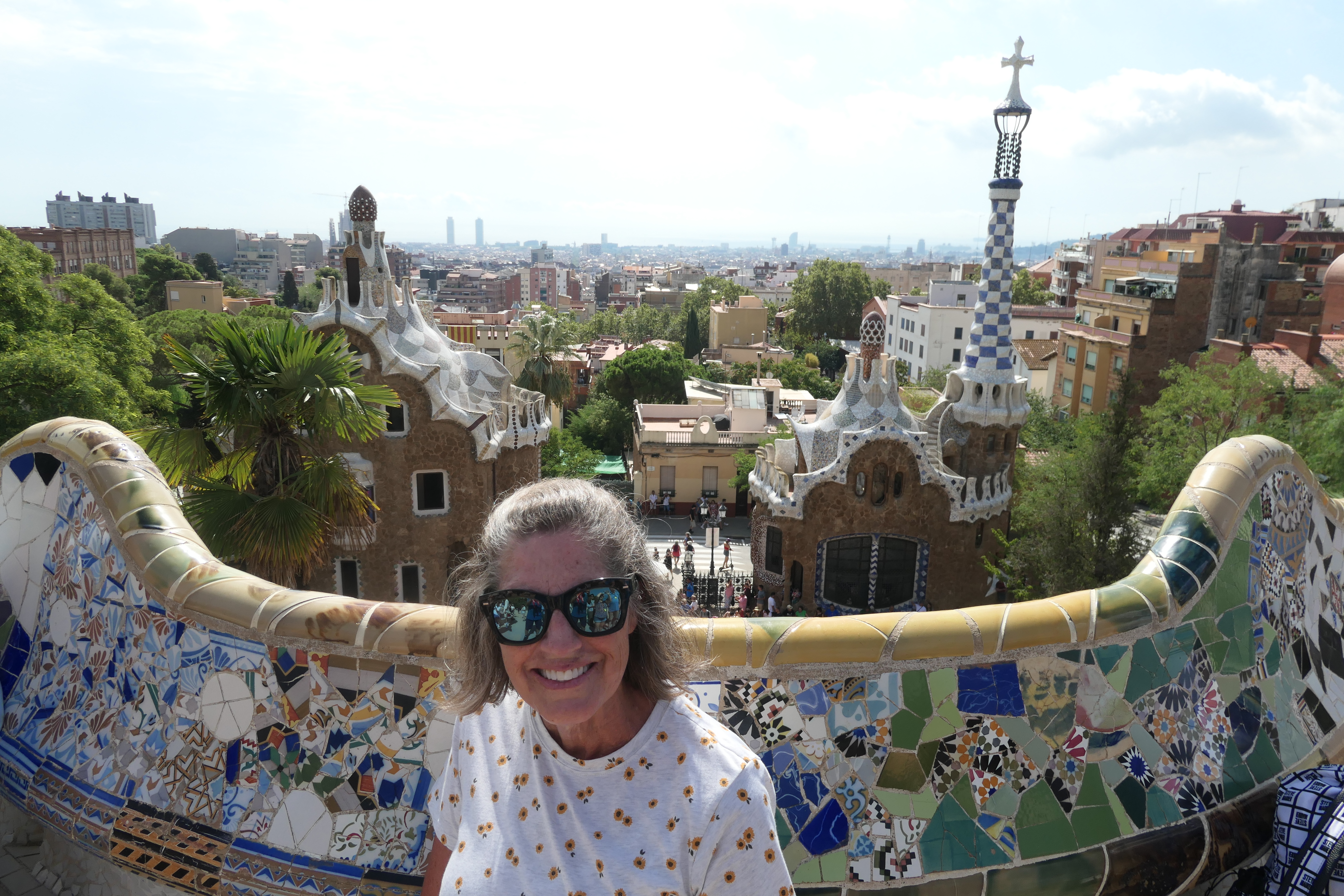
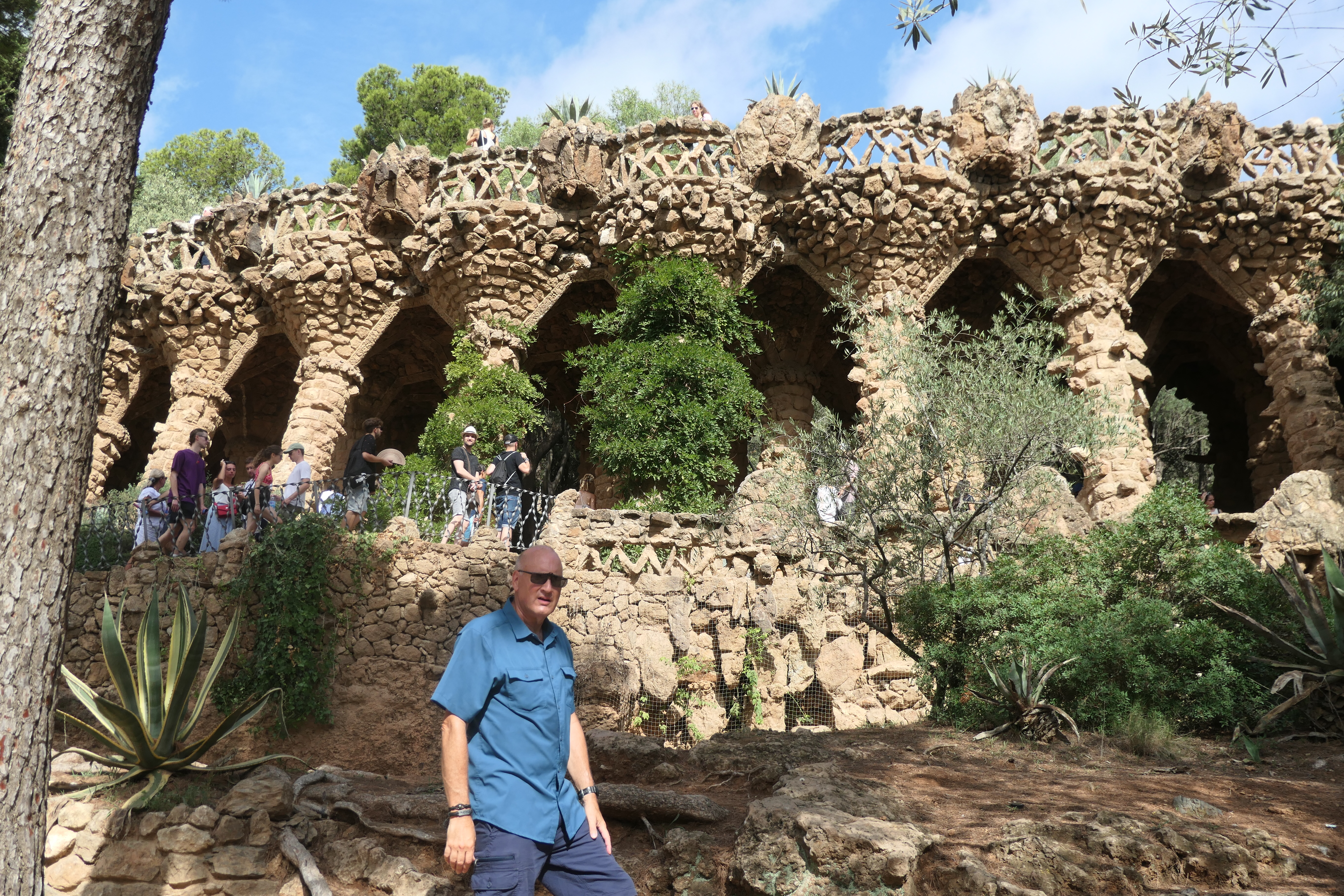
This famous park on a hill overlooking the main part of Barcelona, was named for Eusebi Güell, who partnered with Gaudi on several projects. Park Güell was originally going to be a residential neighborhood and Gaudi was commissioned by Güell to design it, in the early part of the 1900’s. Rather than becoming a residential neighborhood, this area became a park, and like La Sagrada Familia, it is now a major tourist attraction. The Park has many interesting architectural design features and it is worth a couple hours to just wander and explore. The Park reminded me a bit of a gingerbread house – you can imagine all the various features found in the park being part of a fairytale land!
Note: The park does require a ticket and they do sell out, so plan your visit in advance.




La Pedrera – Casa Milà
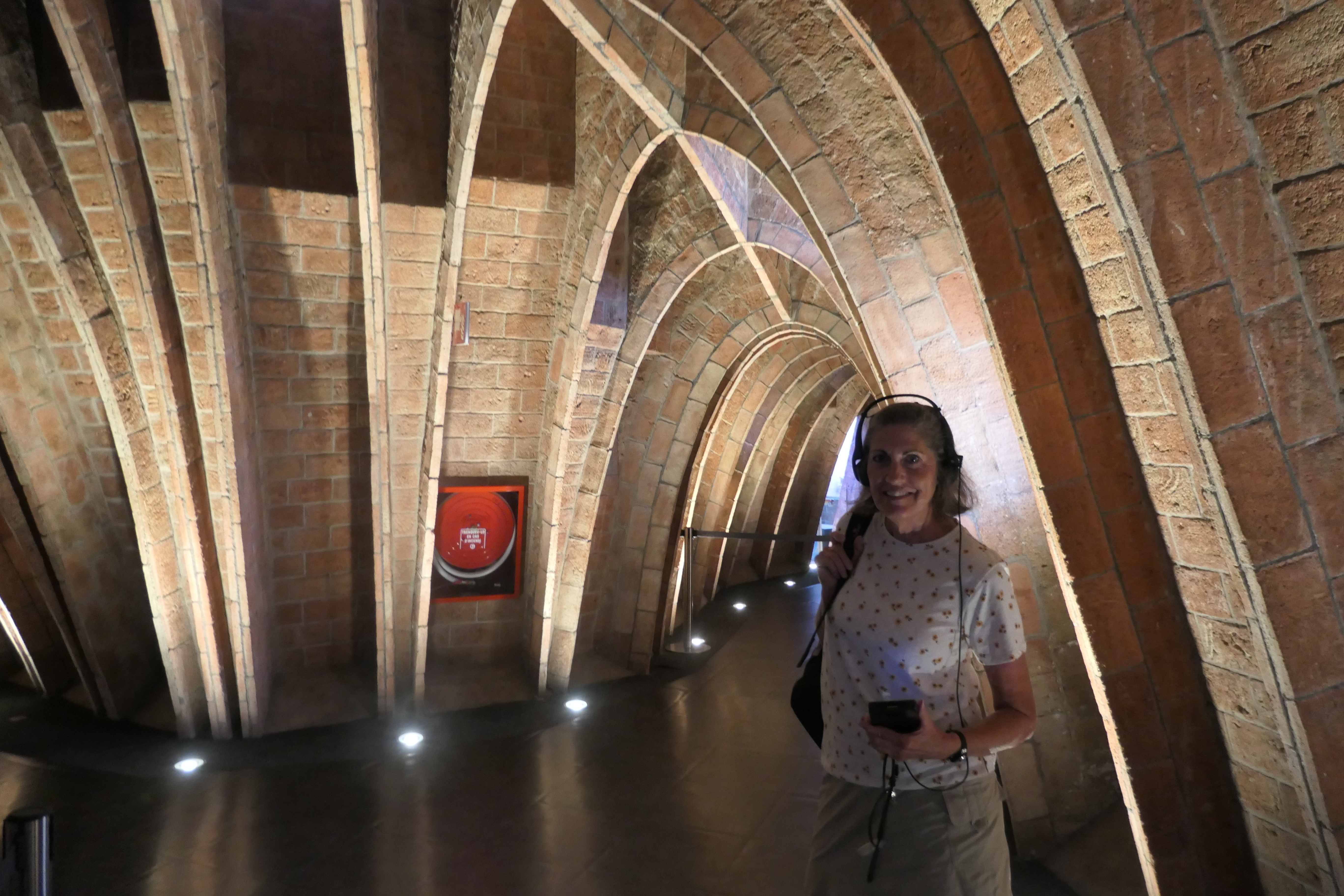
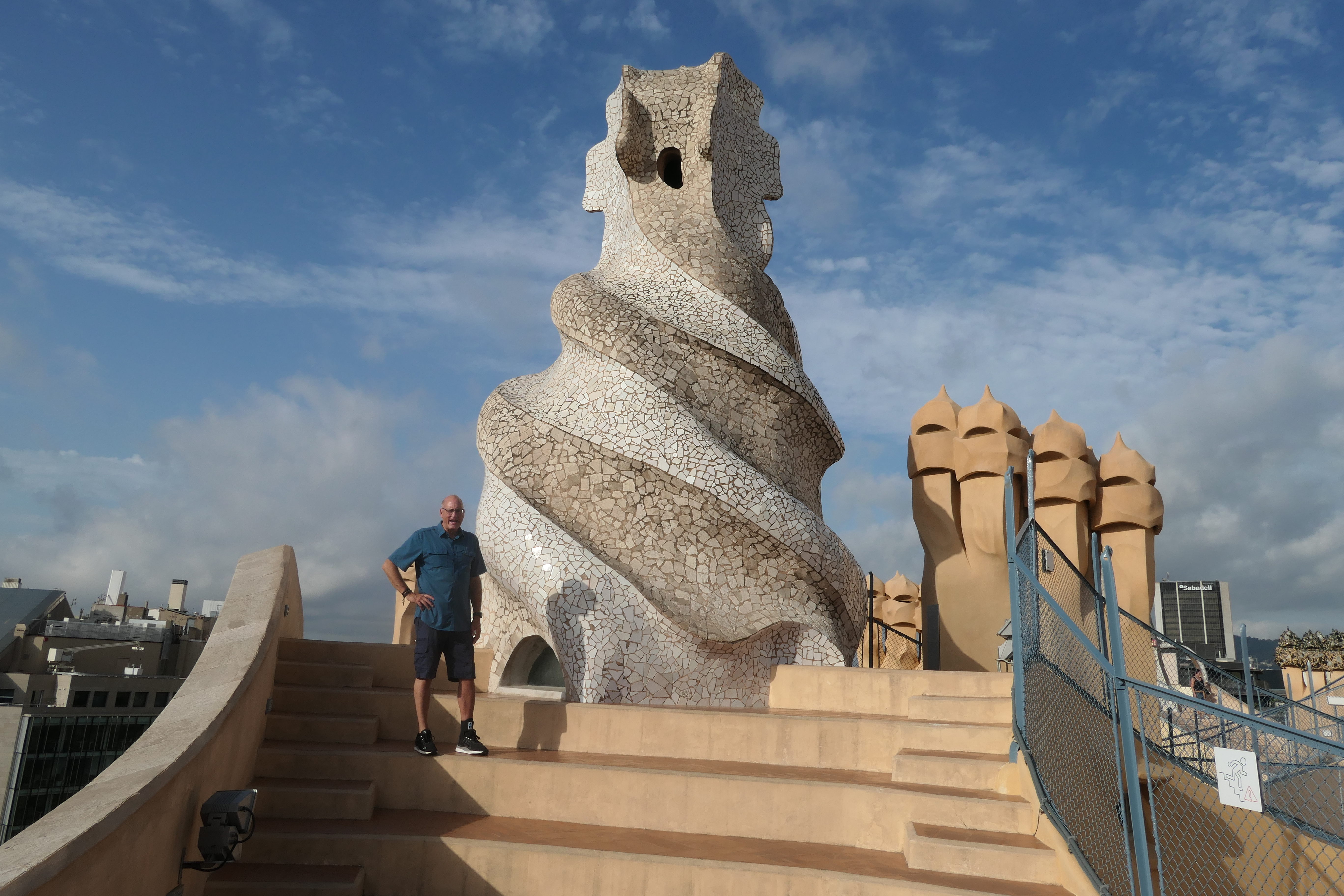
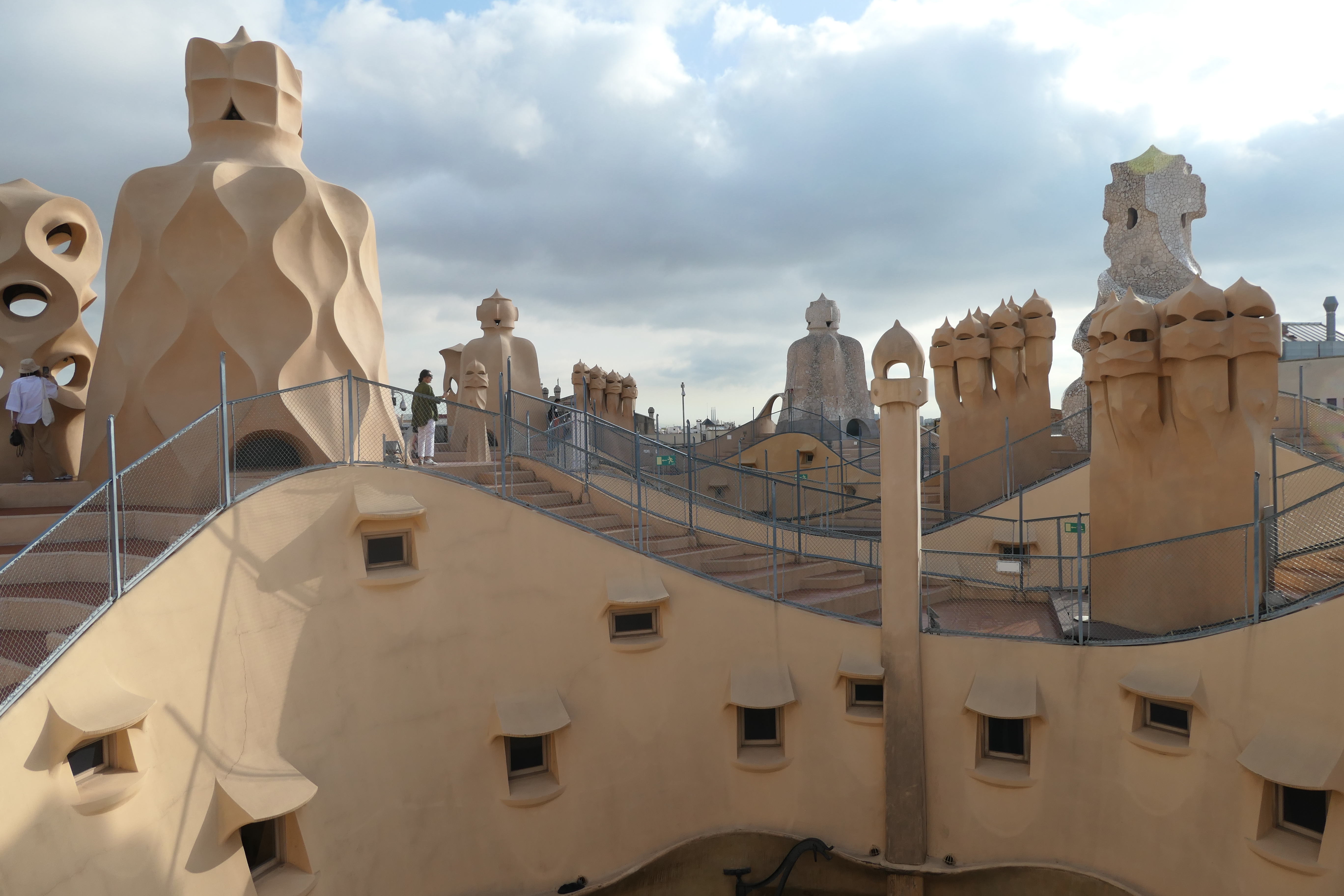
About 10 blocks southwest of La Sagrada Familia is Passeig de Gràcia, a street on which are located several buildings showcasing Gaudi’s designs, including La Pedrera – Casa Milà, the last private residence designed by Gaudi (built 1906 – 1912), now an apartment building that represents how Gaudi envisioned living quarters. In addition to the apartment rooms, I highly recommend going to the attic and then the rooftop. The attic is a small museum showcasing how they designed the support structure for the building and the rooftop is unique and provides some great views of La Sagrada Familia. I also recommend getting the audio tour, it will help immensely with understanding the things you see.



Casa Batlló
Just down the street from La Pedrera – Casa Milà is Casa Batlló, another Gaudi creation. In the attic museum of La Pedrera – Casa Milà you learn how Gaudi renovated the original building to create what we see today as Casa Batlló. You can also tour this building, we did not do so, it’s just a question of how many Euros you feel like spending in a day seeing Gaudi’s architecture!

 The Independent Tourist