Spain’s Balearic Islands

Menorca’s Amazing Prehistoric Ruins

Menorca, Spain has about 1,500 prehistoric sites – a higher concentration per square kilometer than any where else in the Mediterranean Sea, this is why Menorca is known as an “open air museum”. Numerous ancient stone structures dot the island, especially the southern half. A map of many of the sites can be found here. A number of these sites have been quite well preserved, considering they’ve been around for nearly 3,000 years! The Talayotic (or Talaiotic) period (when many of these structures where built) was lasted from about 1200 B.C. to 123 B.C. (when the Roman conquest took place).

The locations in brown font indicate the four prehistoric sites discussed below.

While Menorca’s beaches are incredible (more on these in a future post), it’s also fun to explore other sights on the island, and we decided to visit four of these prehistoric ruins during a “day off” from the beach. These archeological sites typically charge a small fee and provide informational brochures for your visit. Why did I choose these particular sites? I just did a little research on Menorca’s prehistoric ruins and decided on these four as reasonable sampling of what can be visited relatively easily. The road signage on the island to these historical sites is quite good.

Naveta des Tudons

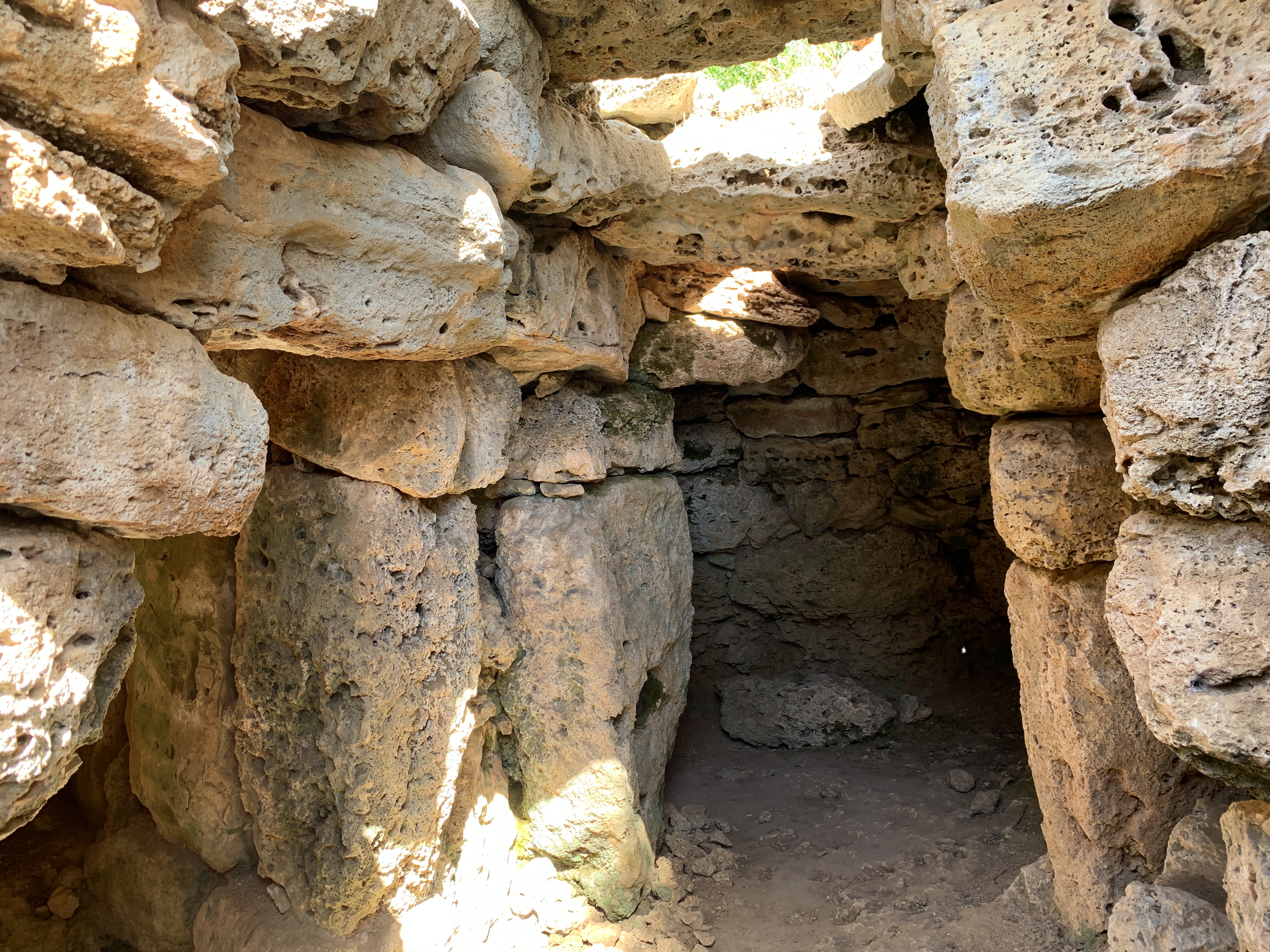
This ruin is on the western side of the island, not far from the city of Ciutadella. Navetas are tombs that are unique to Menorca, and are typically one to two levels high and round or elongated. Naveta des Tudons is the largest of all known Navetas on the island and is considered the oldest existing building in Europe. It dates from 1000 – 800 BC, and was in use for about 500 years. Archeologists found the remains of over 100 individuals inside. We had the site to ourselves late one afternoon.
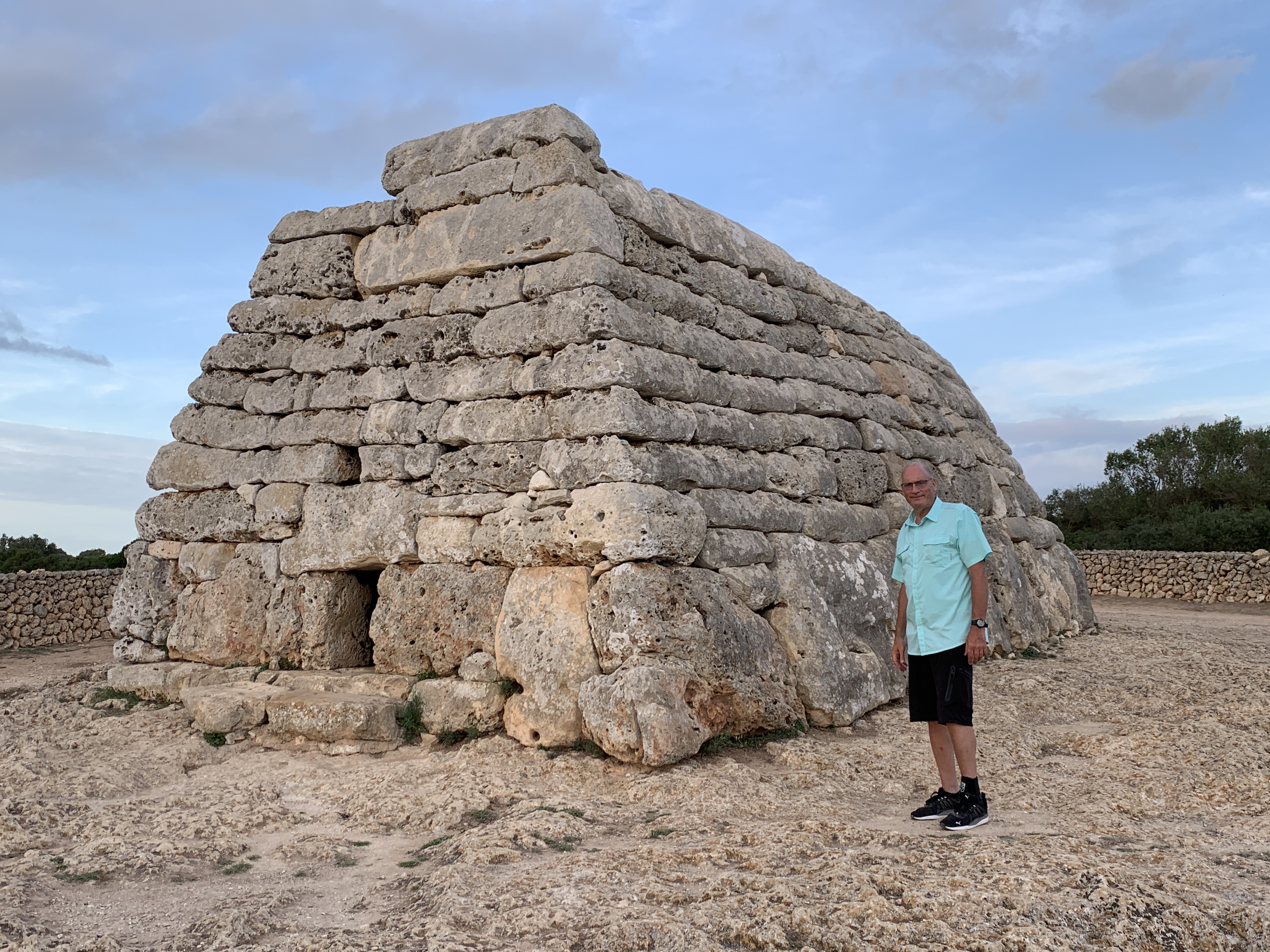
A view of the front of the Naveta. Note the careful stone fitting and placement work.
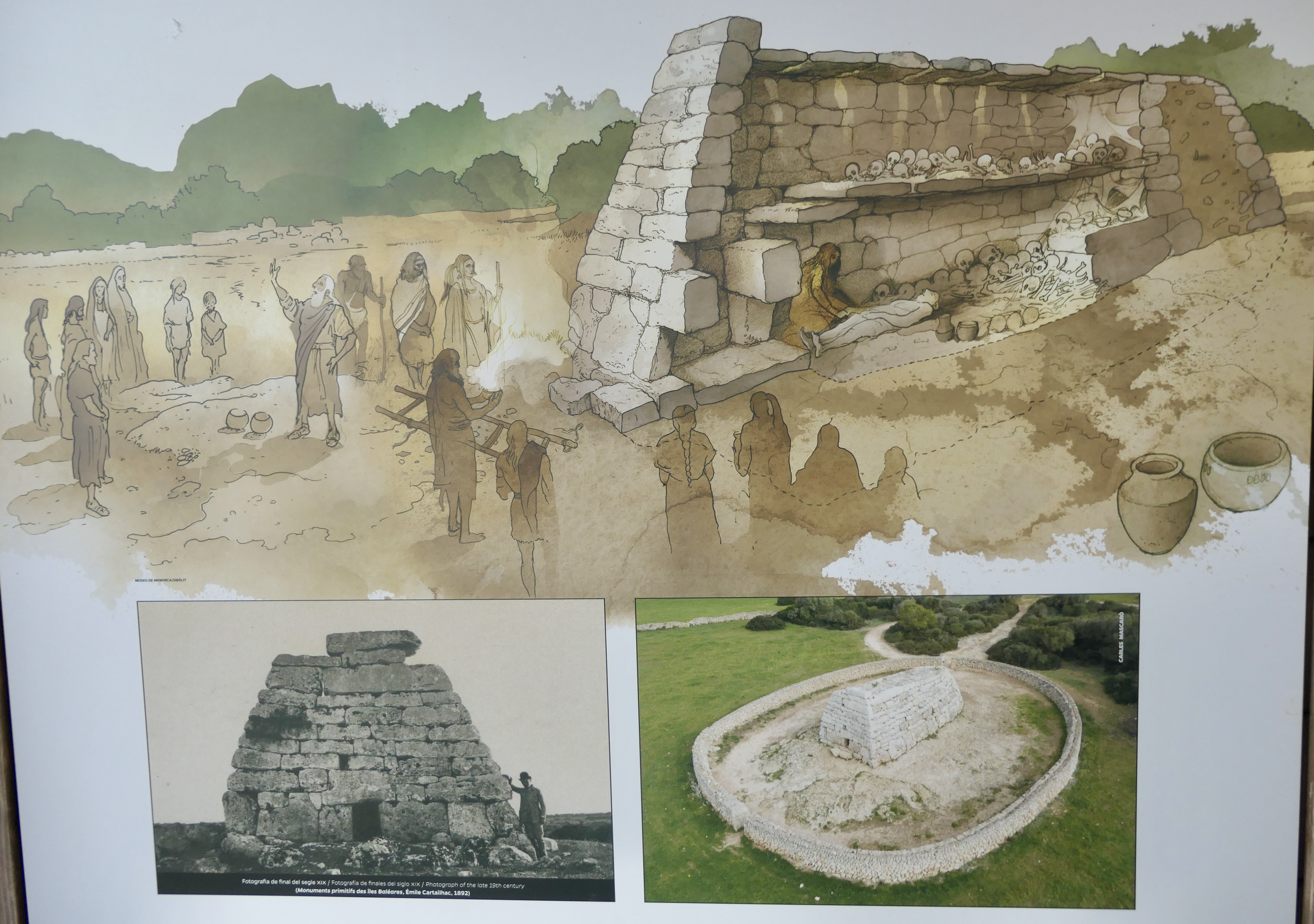
This image shows the burial ceremony and process and the layout of the interior of Naveta des Tudons.

Trepucó

The settlement of Trepucó is one of the largest on the island, covering an area of around 49,240 square metres. However, what can be viewed today is only a small part of the site, dating from 1200-700 B.C. It is located near Mahón (or Maó) on the eastern side of the island.

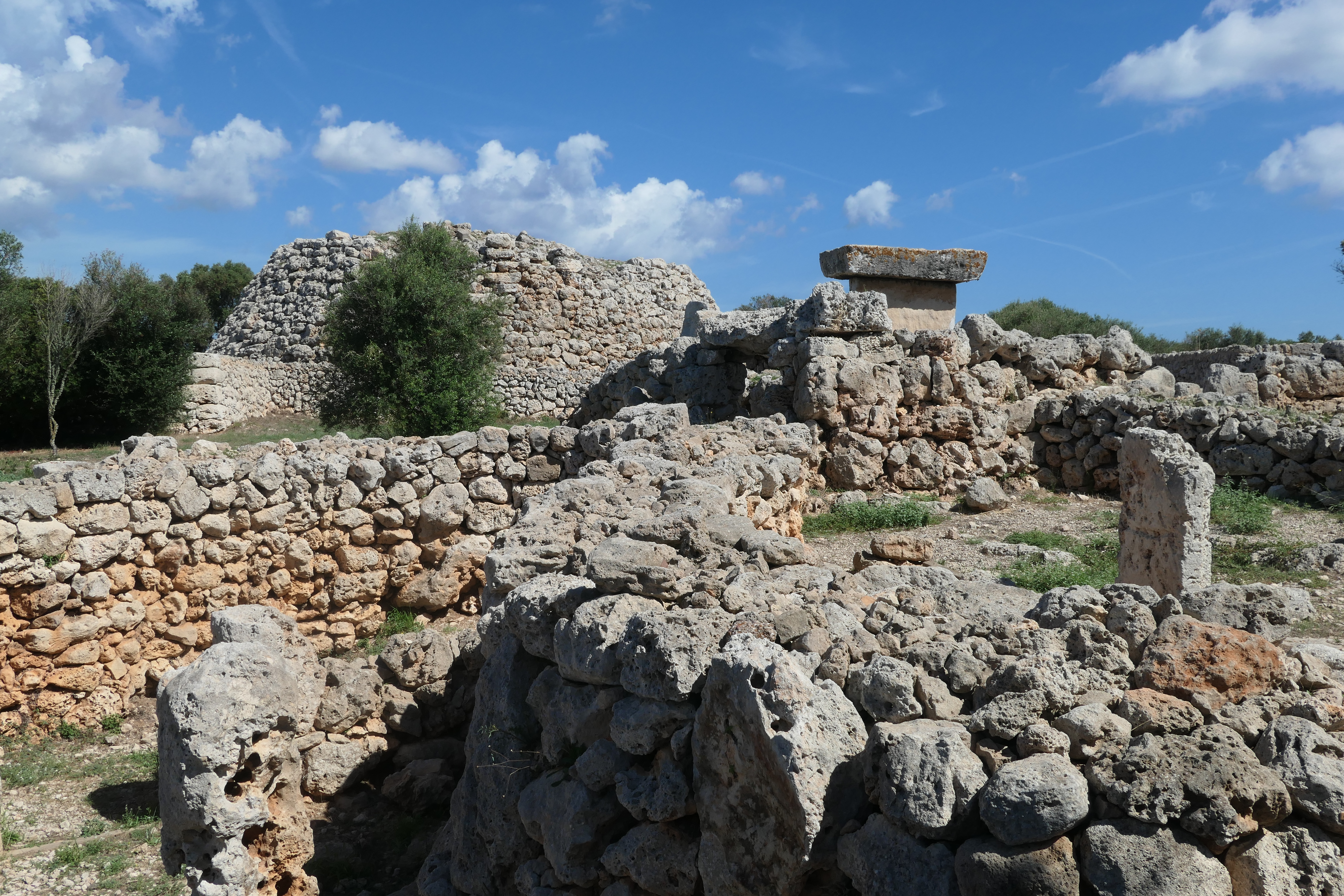
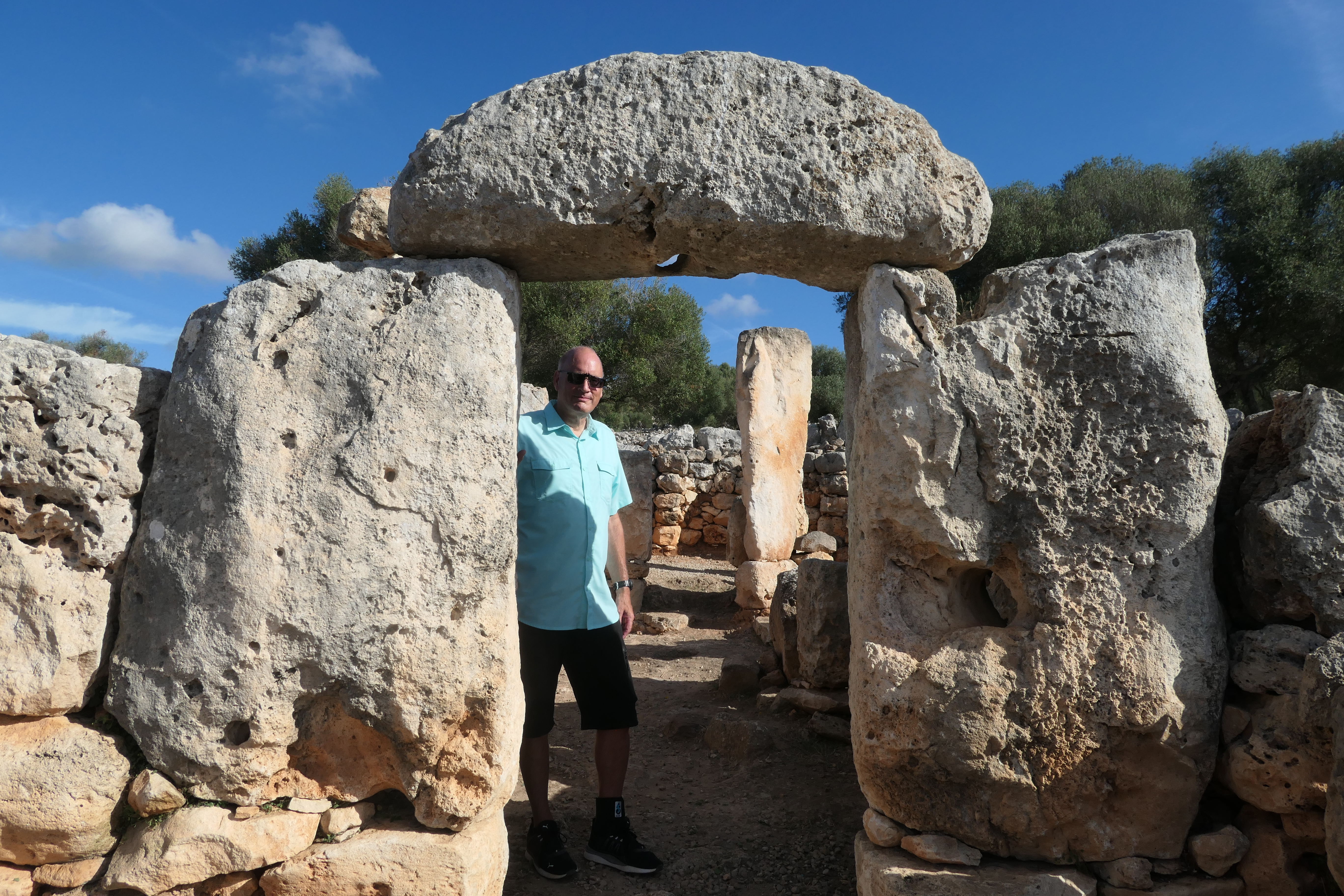
This taula in Trepucó one of the largest on Menorca. Taulas are usually seen as a standing stone combined with a horizontal slab resting on top, forming a large T-shaped monument. Archaeologists suggest these monuments were used to represent Talaiotic deities, occupying central positions in sanctuaries where rituals were performed. Thirty-three taula enclosures are known but only seven retain their vertical taula.

Talatí de Dalt 

This ruin is only 4 km (or about 2 miles) from the city of Mahón (or Maó) on the eastern side of Menorca. It’s about the same age as the other talaiotic ruins on the island, and reached its peak between the 4th and 2nd century B.C.
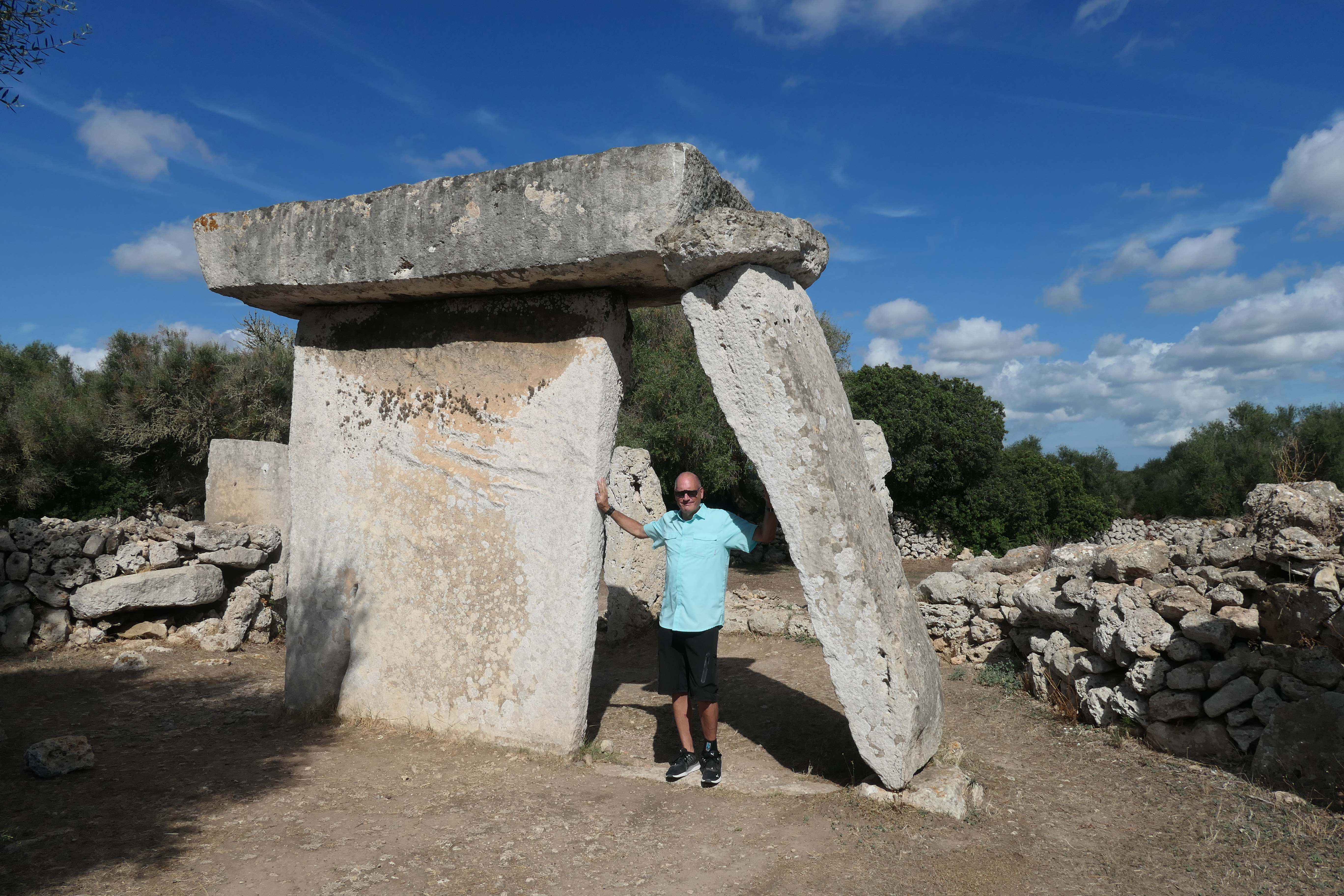
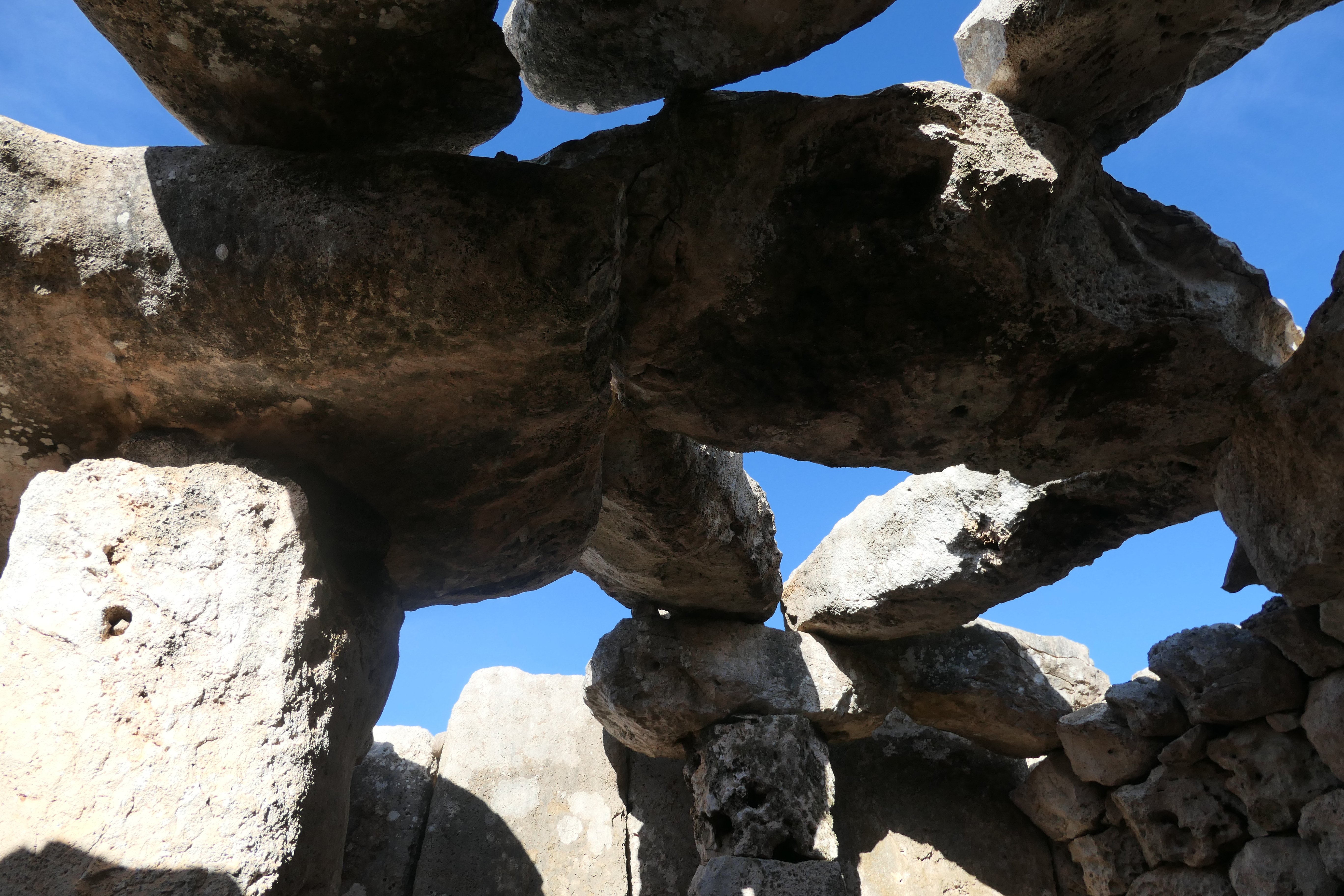
The taula in Talatí de Dalt. I don’t know if there is an explanation for the diagonal support – perhaps it’s been there since the beginning.
This talayot (or talaiot) at Talatí de Dalt is representative of those found in many of Menorca’s ruins – their function is not completely understood – they may have been watchtowers, meeting places, or related to other ceremonial events.

Torre d’en Galmés

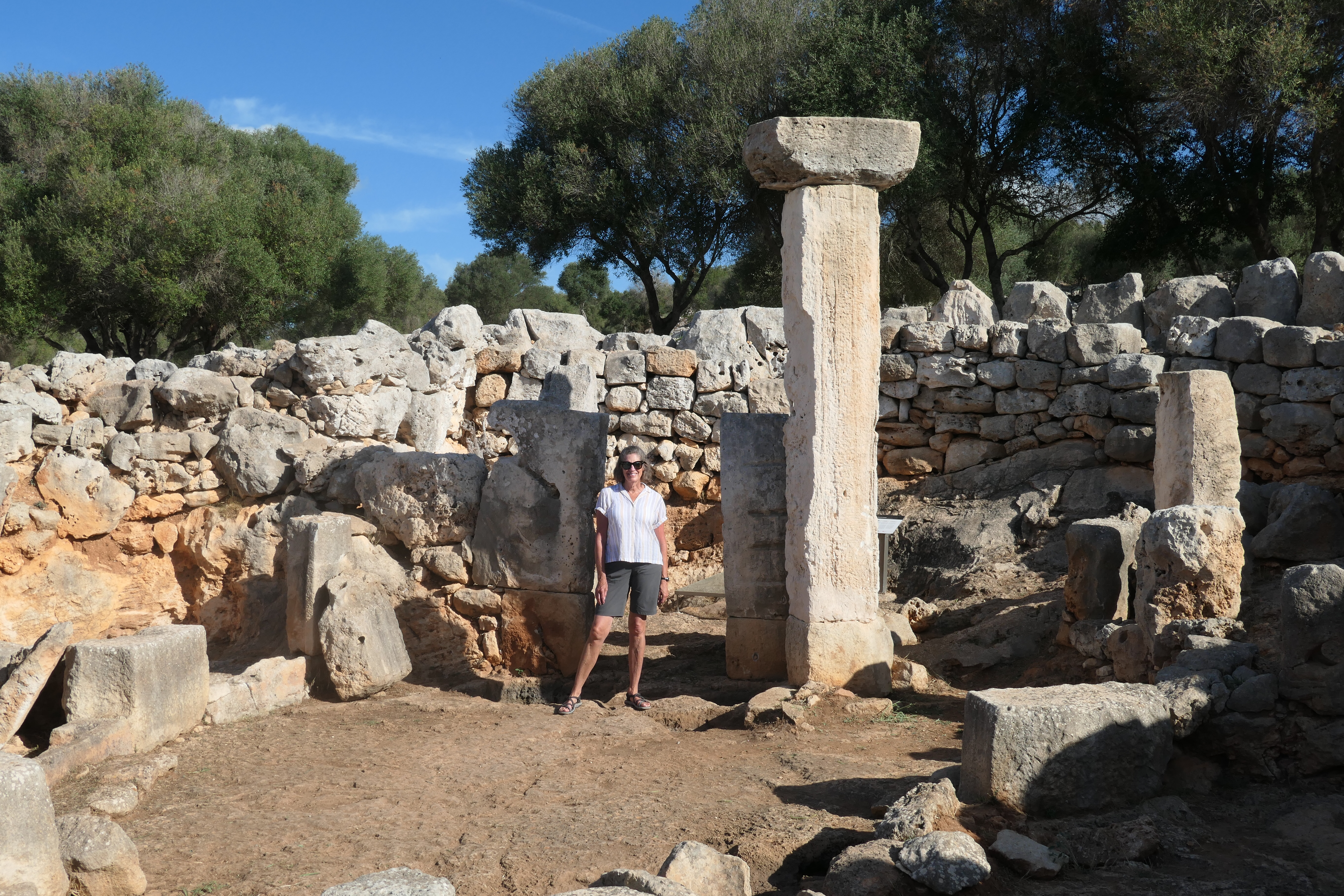
Torre d’en Galmés was probably my favorite of the Talayotic prehistoric sites we visited, due to its immense size and location. Lots of ruins to explore here. It is located in south-central Menorca, not far from Son Bou beach. It is believed that Torre d’en Galmés was a principal site and had oversight of many of the other settlements.

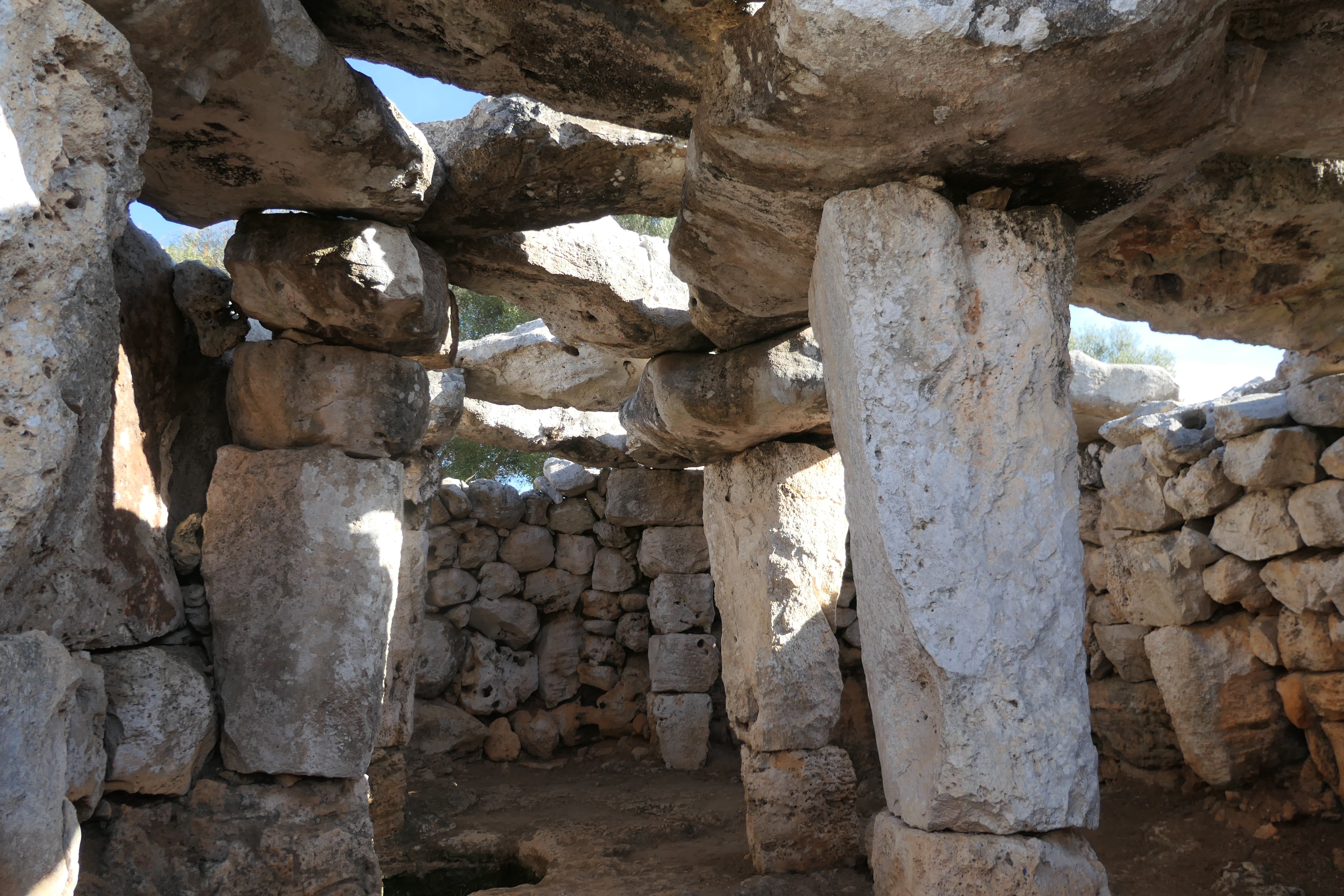
Torre d’en Galmés. Note the taula on the left, one of several in Torre d’en Galmés.

If you get a chance and can tear yourself away from the beach for a day, don’t miss Torre d’en Galmés, or any of the other Talayotic sites on Menorca – they are the premier prehistoric ruins in the Balearic Islands, if not the entire Mediterranean Sea.

Tips for Visiting Menorca, Spain – Mallorca’s Somewhat Quieter (Yet Beautiful) Neighbor Island

When planning our trip to Spain’s Balearic Islands, we decided to visit Menorca in addition to Mallorca and I’m so glad we did! Menorca is quite different than Mallorca – much smaller in geographic size and population, with rolling hills (vs Mallorca’s mountains) and fewer, quieter roads. Yet Menorca has amazing beaches, quaint towns and other interesting sights definitely worth checking out. I will be sharing posts on all these sights in the coming weeks!

This map shows the locations of places we visited while on Menorca. More information to come soon in future posts.

I say “somewhat quieter” in this post’s title because even though the local population is only 1/10th of Mallorca’s (about 100,000 people live on Menorca vs. about 1 million on Mallorca), tourists (especially Europeans) have discovered Menorca and some of the most popular beaches can get pretty crowded during the summer months. You need to plan ahead (like going to the beach early (7 am) to get close parking spots or waiting until the late afternoon (5-6 pm)). That said, there are so many beach/cove options you won’t have trouble finding a spot to lay down your towel, even if it’s not where you originally planned to go.

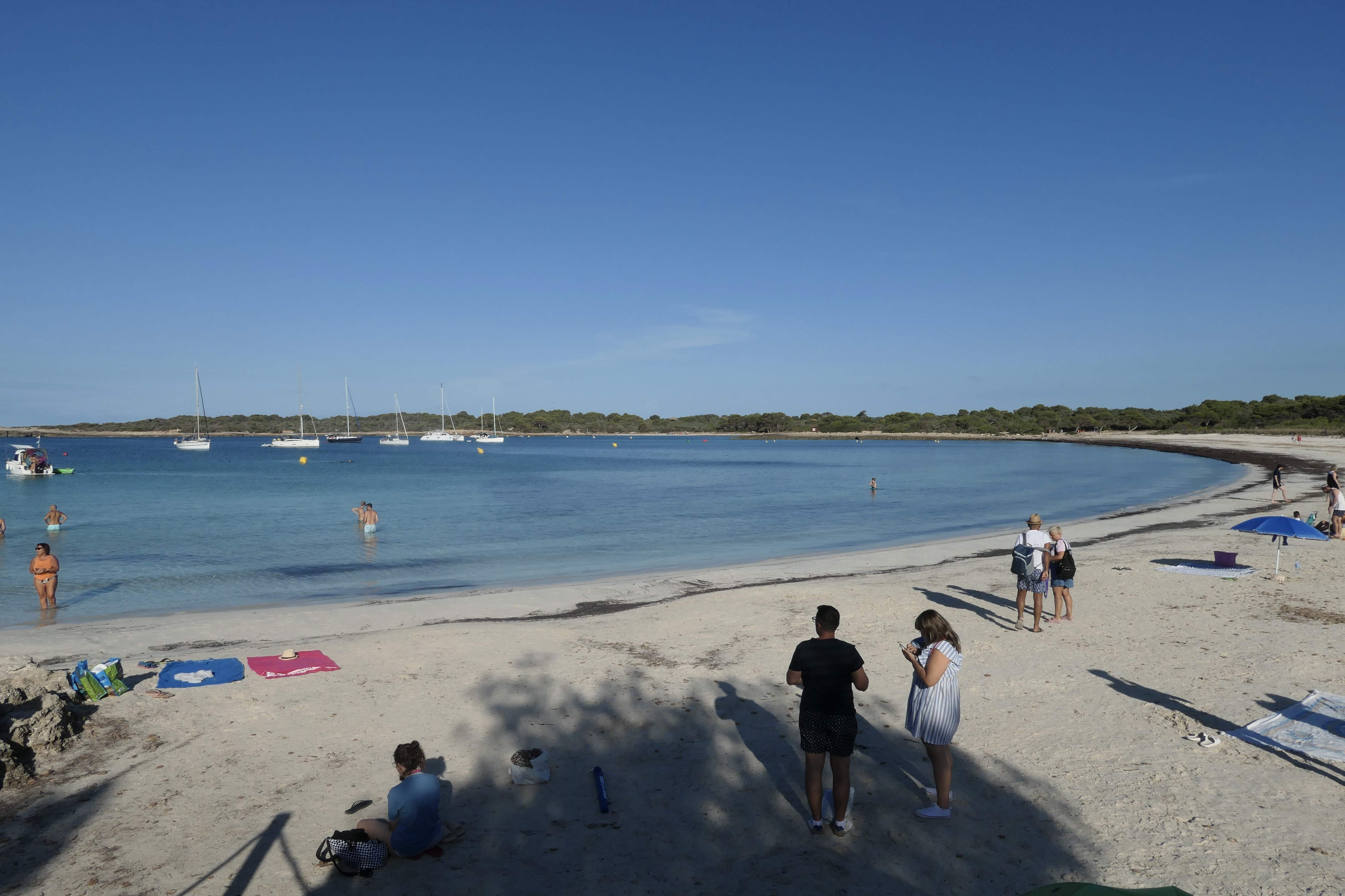
This gorgeous beach, Son Saura, was largely ignored as tourists walked further on the coastal trail to the more famous Cala Turqueta (we’re guilty as charged!).

Menorca Travel Tips

Menorca is on of the three primary Balearic Islands, and only 43 nautical miles (80 km or 50 miles) from Mallorca. The other primary island is Ibiza, which is a little more geographically separated from Mallorca and Menorca (although closer to mainland Spain) and we did not visit it.

Location of Menorca relative to Mallorca, Ibiza and mainland Spain.

Getting There: Menorca is a short flight (about 20-30 minutes) or ferry ride from Mallorca. We flew to save time, and the flight was enjoyable because you could see a lot of the island from the flight path. You can also fly to Menorca directly from Barcelona and other locations.

Transportation: We rented a car on Menorca and this was a convenient way to get around, since we wanted to explore as much of the island as we could in 4 days. The roads are in good condition and fairly quiet, there’s not a lot of traffic. There is a bus system, but since we didn’t use it I don’t know how convenient or frequent the buses are.

Where to Stay: There are many options and we decided to stay in an apartment in the Cala Galdana area on the south coast. Besides being a beautiful location with a lovely beach, it was easy to get from Cala Galdana to almost anywhere on the island in less than an hour, including some amazing coves and beaches that are just short hikes away along a coastal trail.

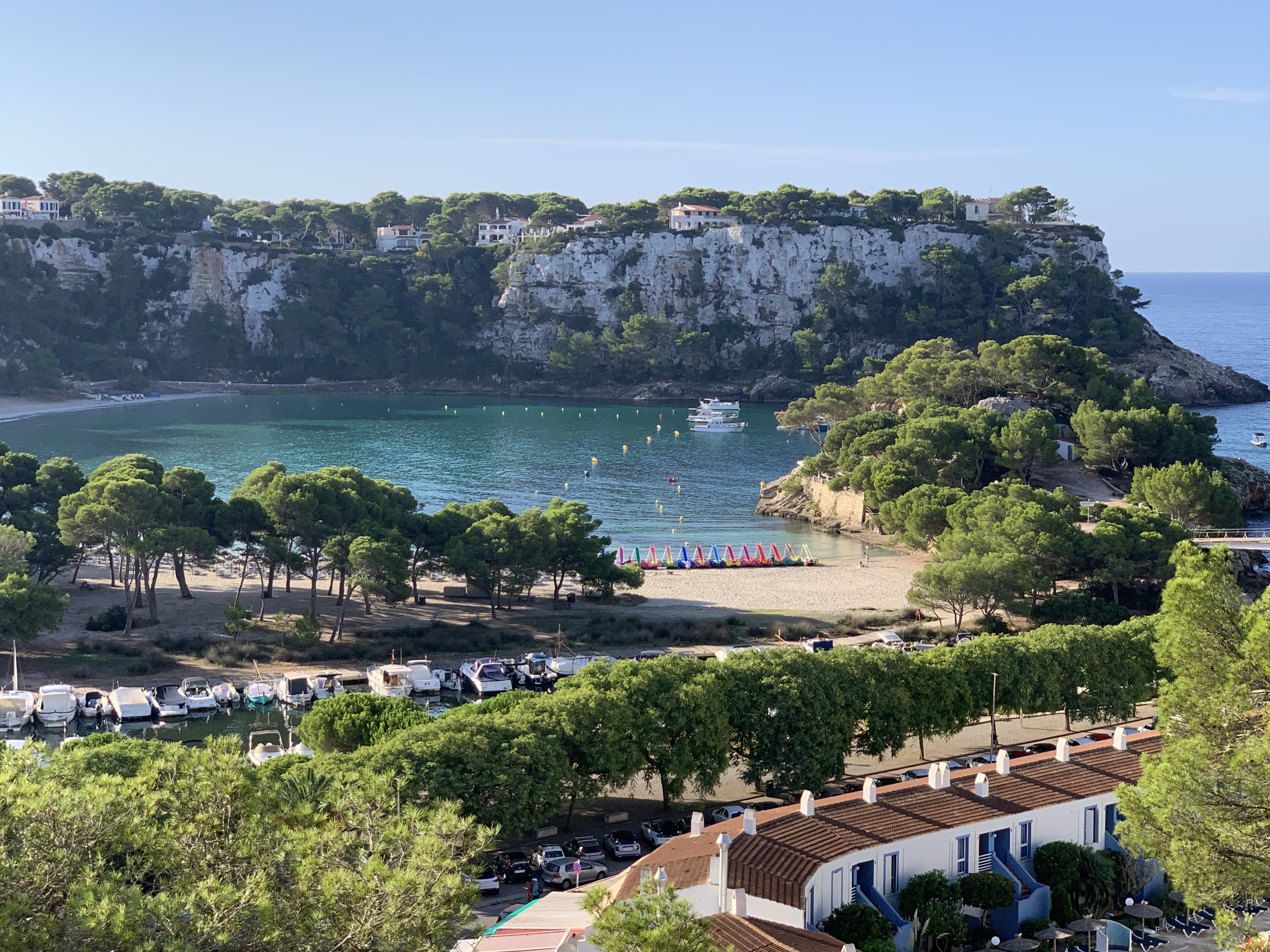
View of Cala Galdana from the pool area of the Comitas Floramar Aparments, where we stayed.

There were a number of hotels, restaurants and shops in Cala Galdana, including various tour agencies for diving and other water-related activities. I think the best swimming beaches are on the southern coast, since they seem more protected than the north shore.

Menorca’s main towns of Ciutadella and Mao (or Mahón) are on either end of the island and seemed less tourist-oriented. However, they were both fun to explore and lovely towns. It seems that most tourists make their home base in one of several main resort locations on the south coast, except for the town of Fornells on the north shore, which has its own vibe and is a tourist hub as well. We noticed at least one campground not far from Cala Galdana.

Island Trail System: There is a trail system (Cami de Cavalls) than circumnavigates the island along the coast and provides access to many of the beaches and coves. There are signs along the trail indicating distances (in kilometers) between major beaches and towns.

The coastal trail is shown on this map – the green route that circles the entire island on the coast. No motorized vehicles allowed on this trail system.

We found the trails very useful. If one parking area was full, then we just parked at another accessible parking area and took the trail back to our desired beach – it may mean a slightly longer walk, but the tradeoff is enjoying the coastal scenery.

View from the south coastal trail on the way to Cala Turqueta.

If you want a little quieter getaway in the Mediterranean Sea, Menorca may be your spot! In future posts, I will share information on the island’s sights – beaches, towns and amazing prehistoric ruins.

Note: Featured Image is Cala Mitjana, just a few kilometers east of Cala Galdana.