
Menorca, Spain has about 1,500 prehistoric sites – a higher concentration per square kilometer than any where else in the Mediterranean Sea, this is why Menorca is known as an “open air museum”. Numerous ancient stone structures dot the island, especially the southern half. A map of many of the sites can be found here. A number of these sites have been quite well preserved, considering they’ve been around for nearly 3,000 years! The Talayotic (or Talaiotic) period (when many of these structures where built) was lasted from about 1200 B.C. to 123 B.C. (when the Roman conquest took place).

While Menorca’s beaches are incredible (more on these in a future post), it’s also fun to explore other sights on the island, and we decided to visit four of these prehistoric ruins during a “day off” from the beach. These archeological sites typically charge a small fee and provide informational brochures for your visit. Why did I choose these particular sites? I just did a little research on Menorca’s prehistoric ruins and decided on these four as reasonable sampling of what can be visited relatively easily. The road signage on the island to these historical sites is quite good.
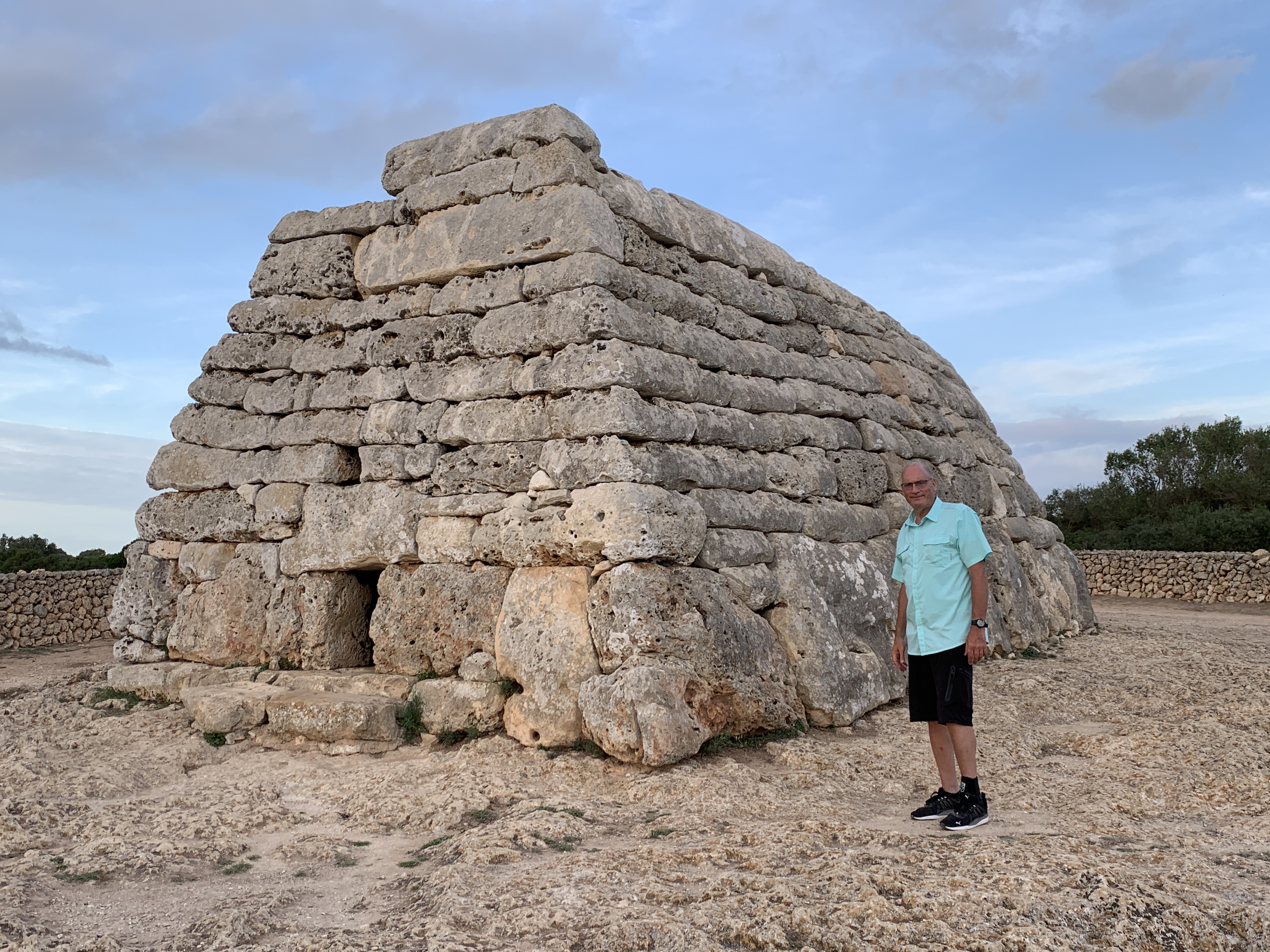
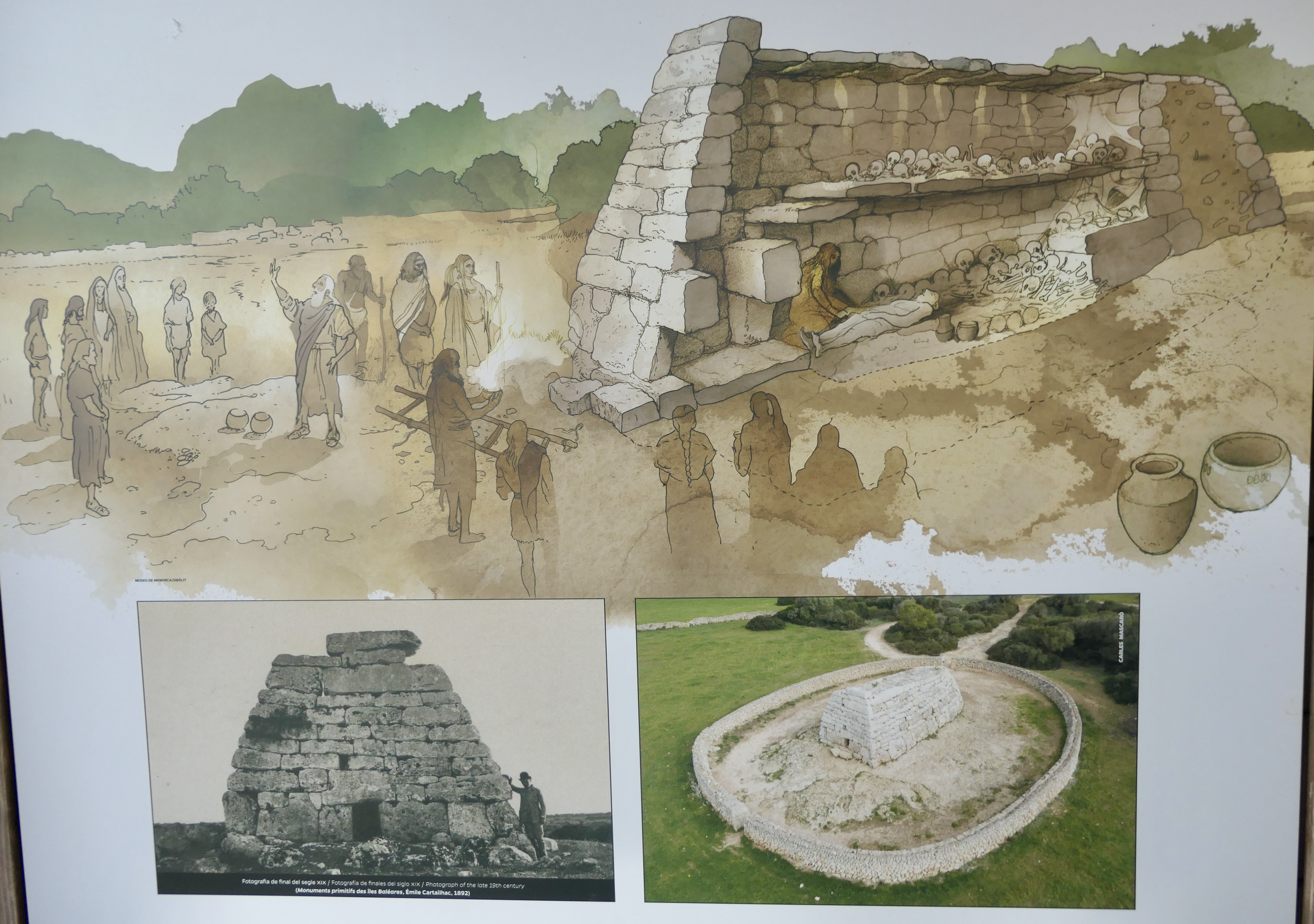
Naveta des Tudons
This ruin is on the western side of the island, not far from the city of Ciutadella. Navetas are tombs that are unique to Menorca, and are typically one to two levels high and round or elongated. Naveta des Tudons is the largest of all known Navetas on the island and is considered the oldest existing building in Europe. It dates from 1000 – 800 BC, and was in use for about 500 years. Archeologists found the remains of over 100 individuals inside. We had the site to ourselves late one afternoon.


Trepucó
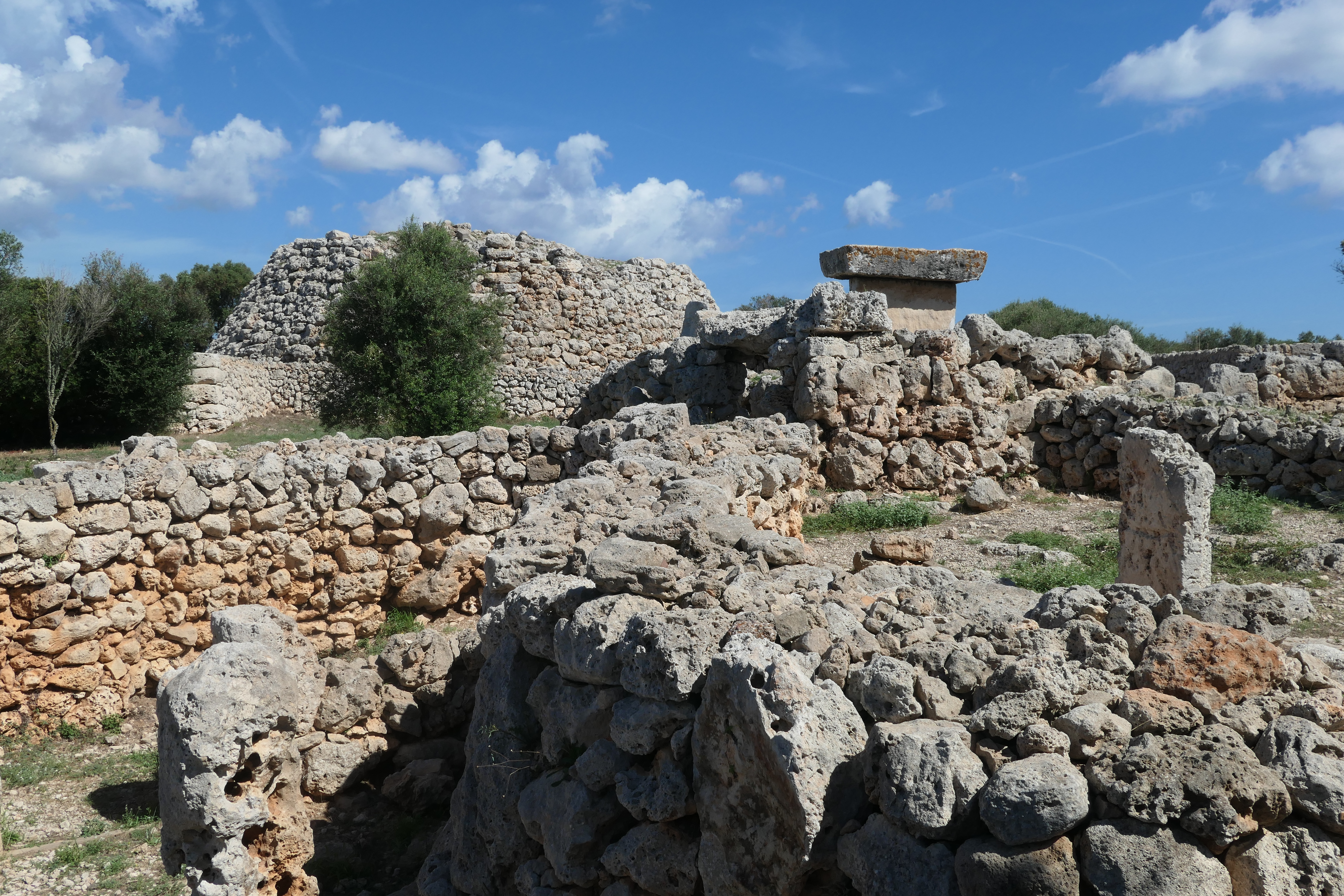
The settlement of Trepucó is one of the largest on the island, covering an area of around 49,240 square metres. However, what can be viewed today is only a small part of the site, dating from 1200-700 B.C. It is located near Mahón (or Maó) on the eastern side of the island.




Talatí de Dalt
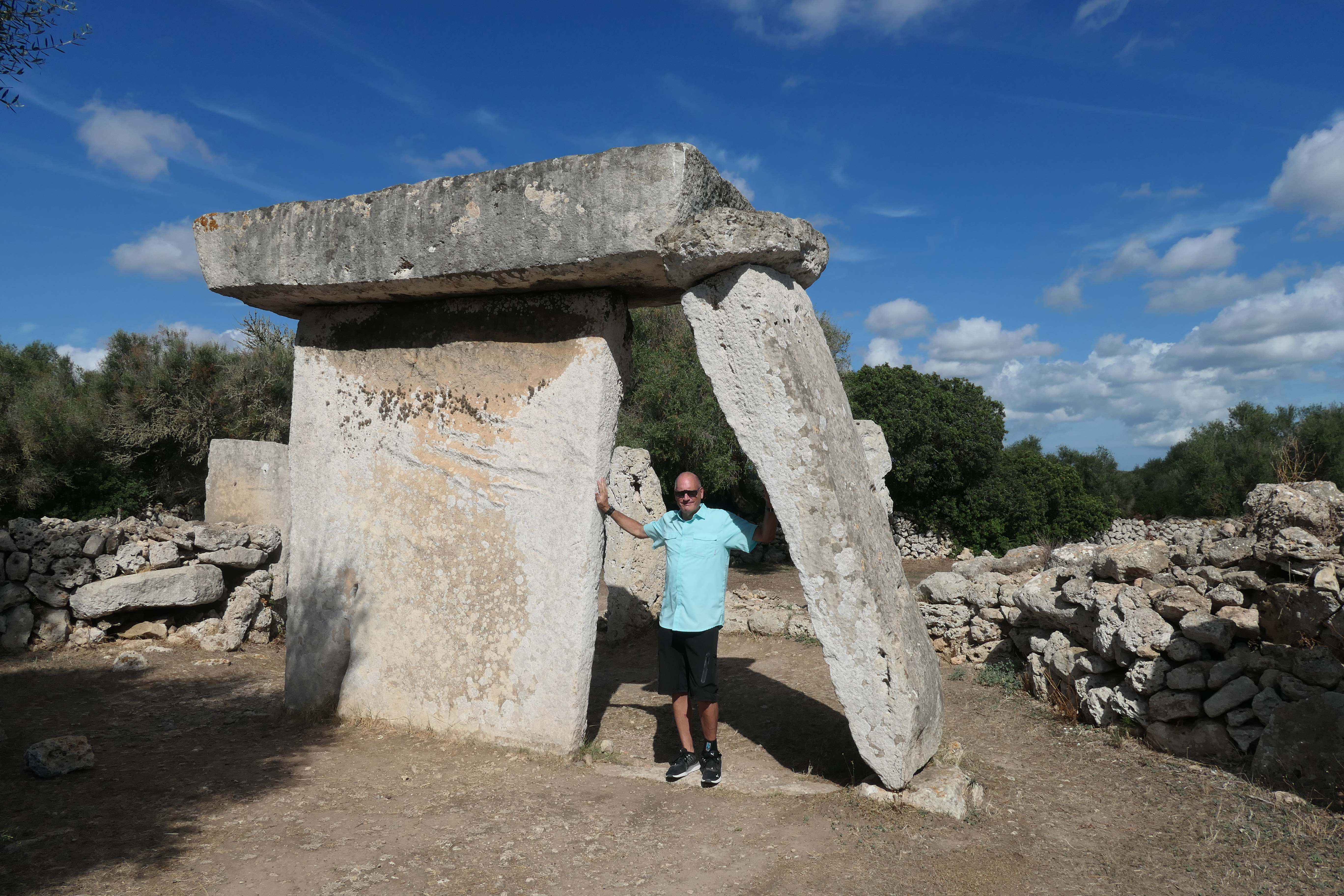
This ruin is only 4 km (or about 2 miles) from the city of Mahón (or Maó) on the eastern side of Menorca. It’s about the same age as the other talaiotic ruins on the island, and reached its peak between the 4th and 2nd century B.C.


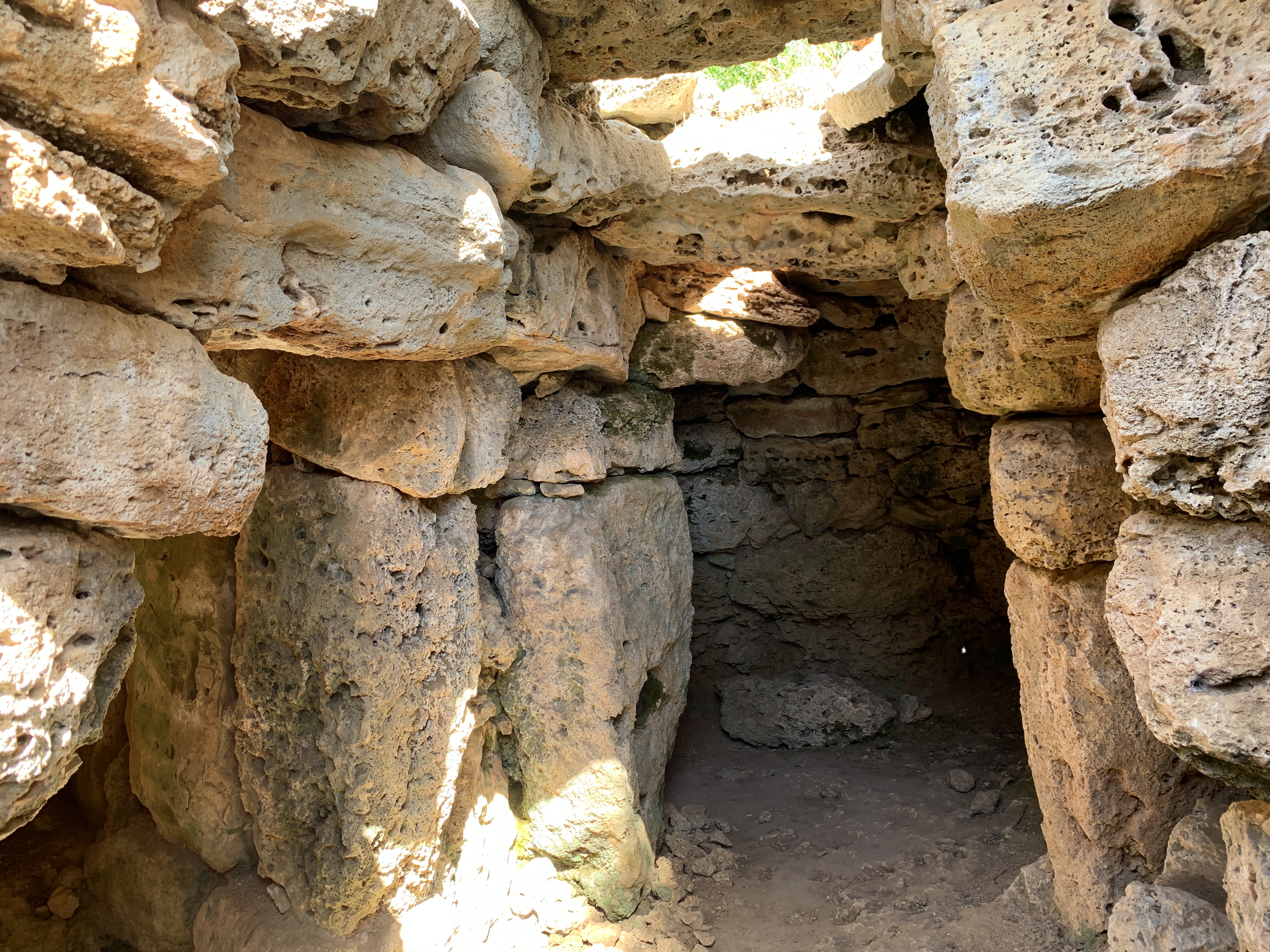


Torre d’en Galmés
Torre d’en Galmés was probably my favorite of the Talayotic prehistoric sites we visited, due to its immense size and location. Lots of ruins to explore here. It is located in south-central Menorca, not far from Son Bou beach. It is believed that Torre d’en Galmés was a principal site and had oversight of many of the other settlements.

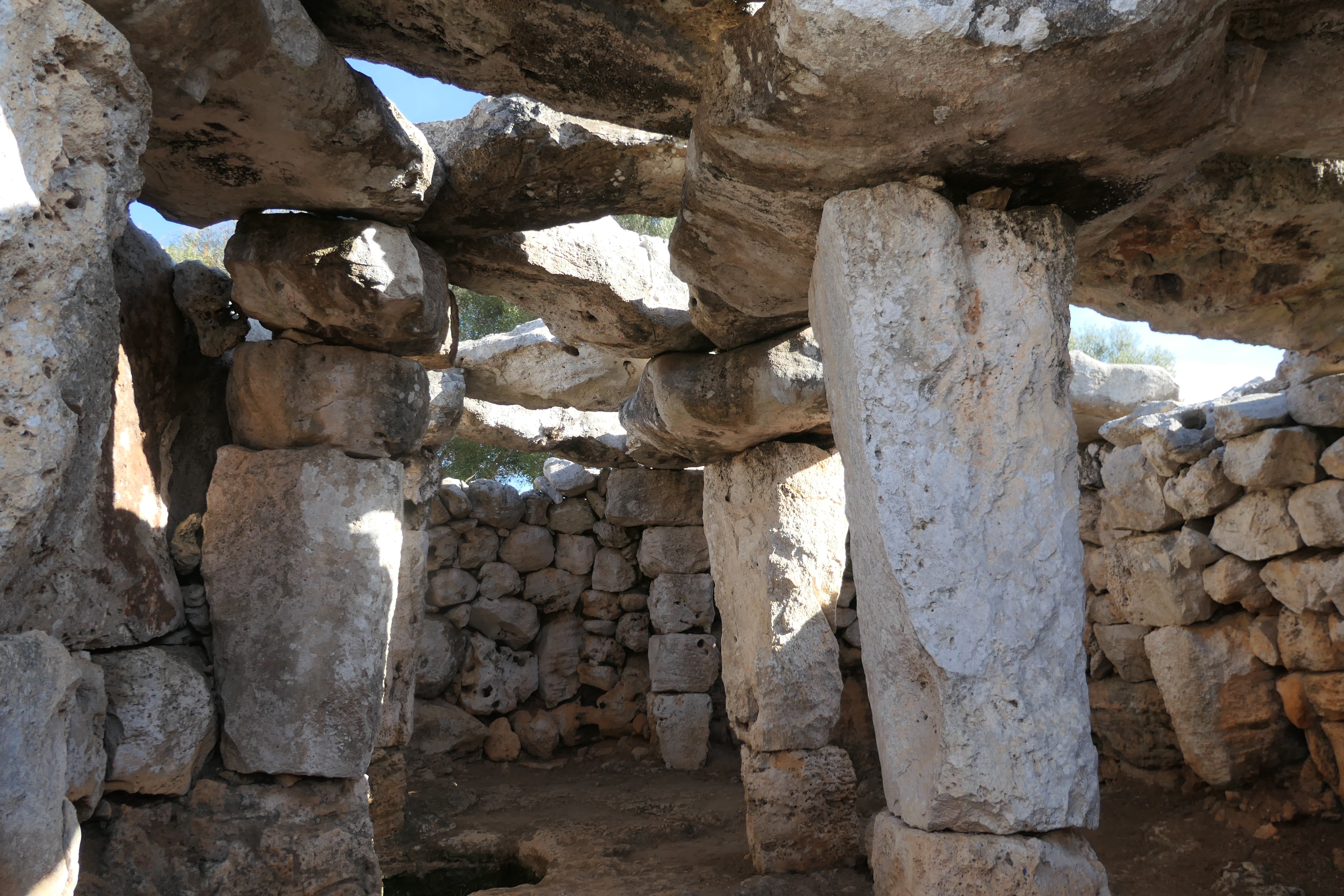
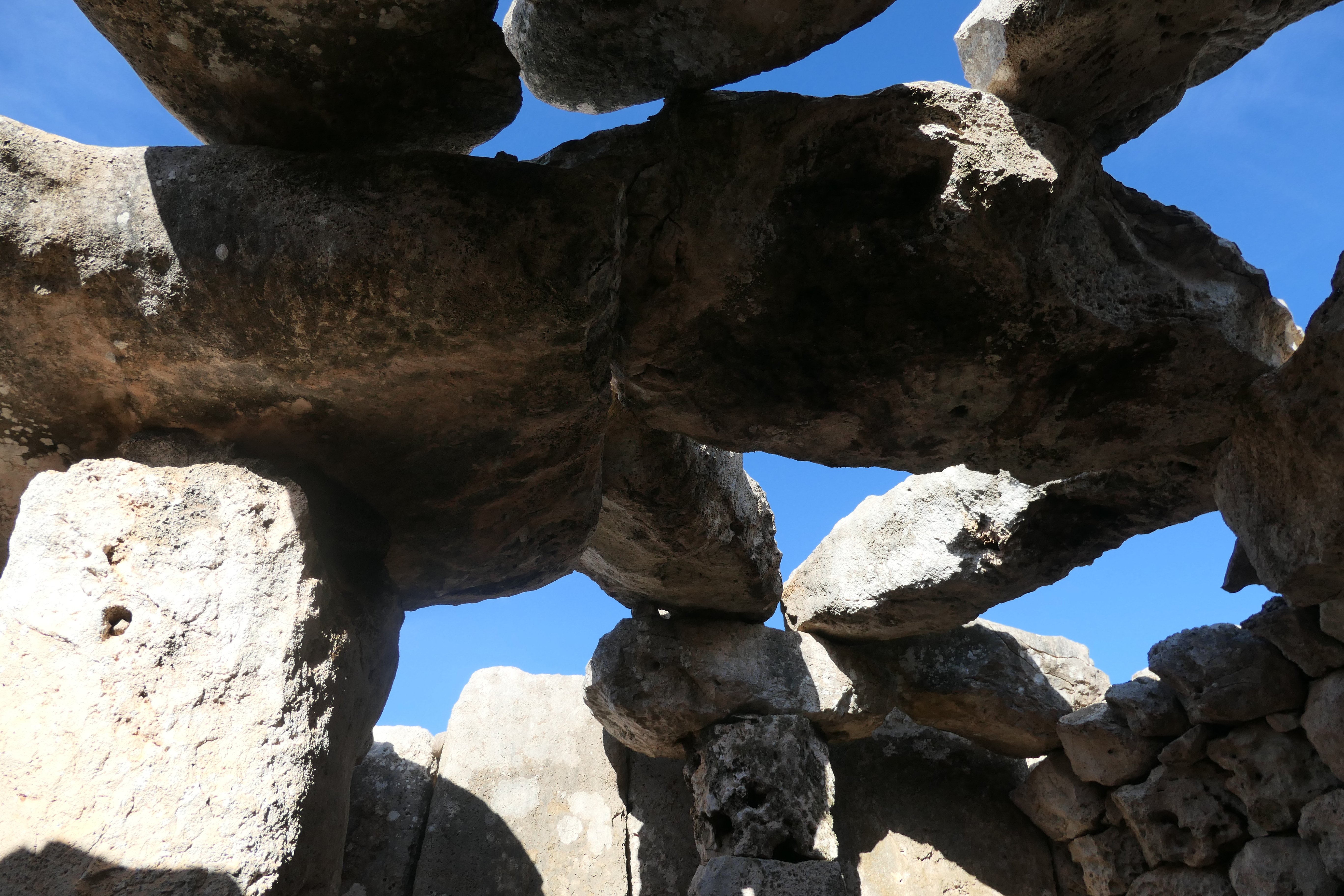


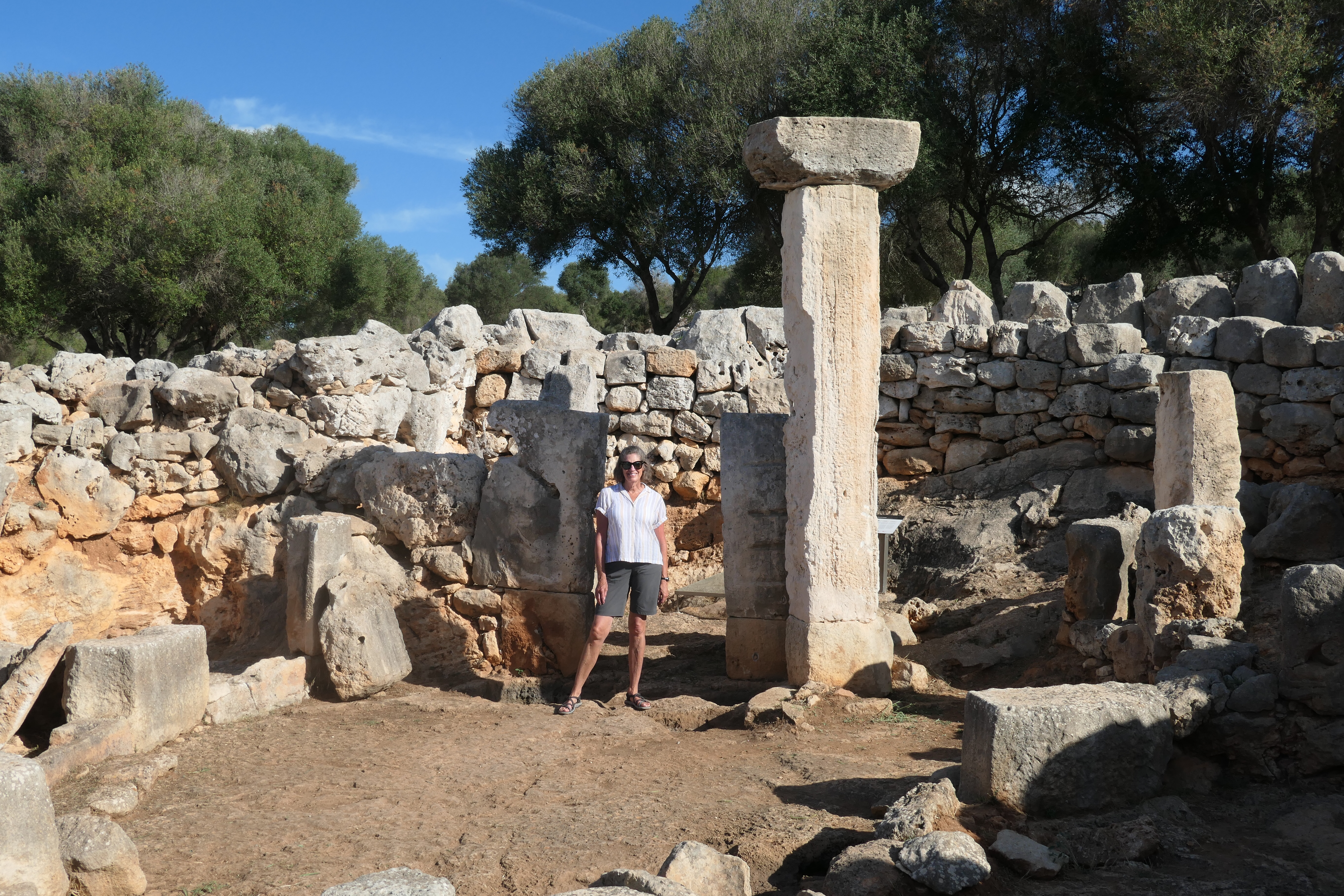


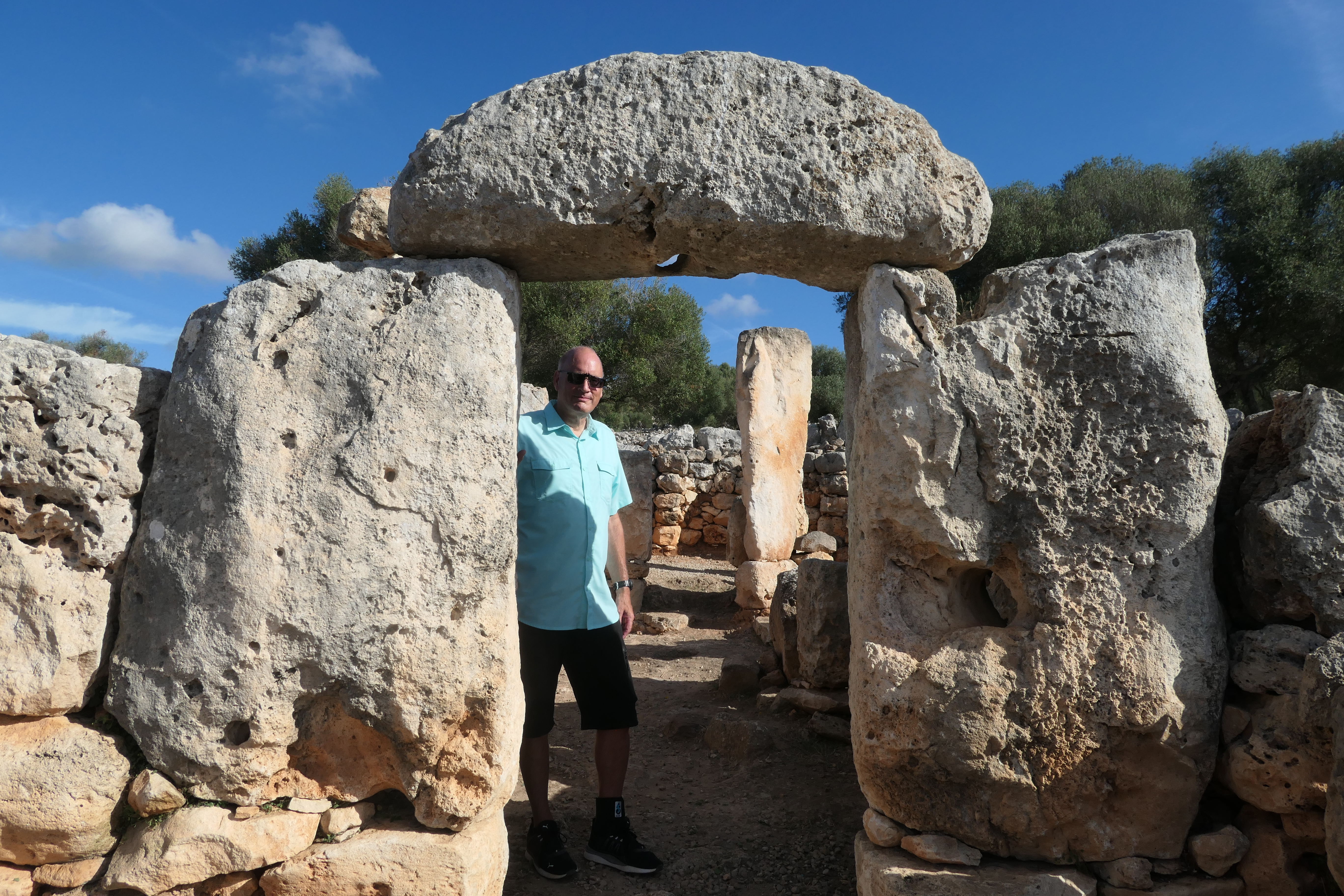
If you get a chance and can tear yourself away from the beach for a day, don’t miss Torre d’en Galmés, or any of the other Talayotic sites on Menorca – they are the premier prehistoric ruins in the Balearic Islands, if not the entire Mediterranean Sea.
 The Independent Tourist