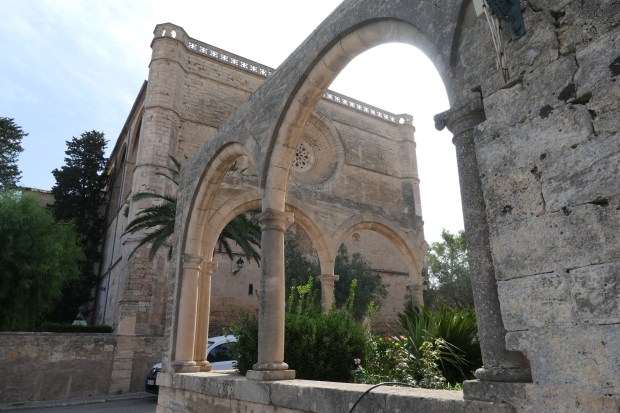
Things to do in Mallorca Spain

Three Quiet Inland Sights in Mallorca

Although most tourists to Mallorca, Spain flock to the beach or the mountains to bike on their holidays in Mallorca, there are several “off the radar” spots to visit if you’d like to spend a quieter day during your stay. These three towns and nearby sites are relatively close to each other in the north-eastern part of the island and make good short stops if your traveling from the east coast to the north coast, which is exactly what we were doing. See other posts on Mallorca here.
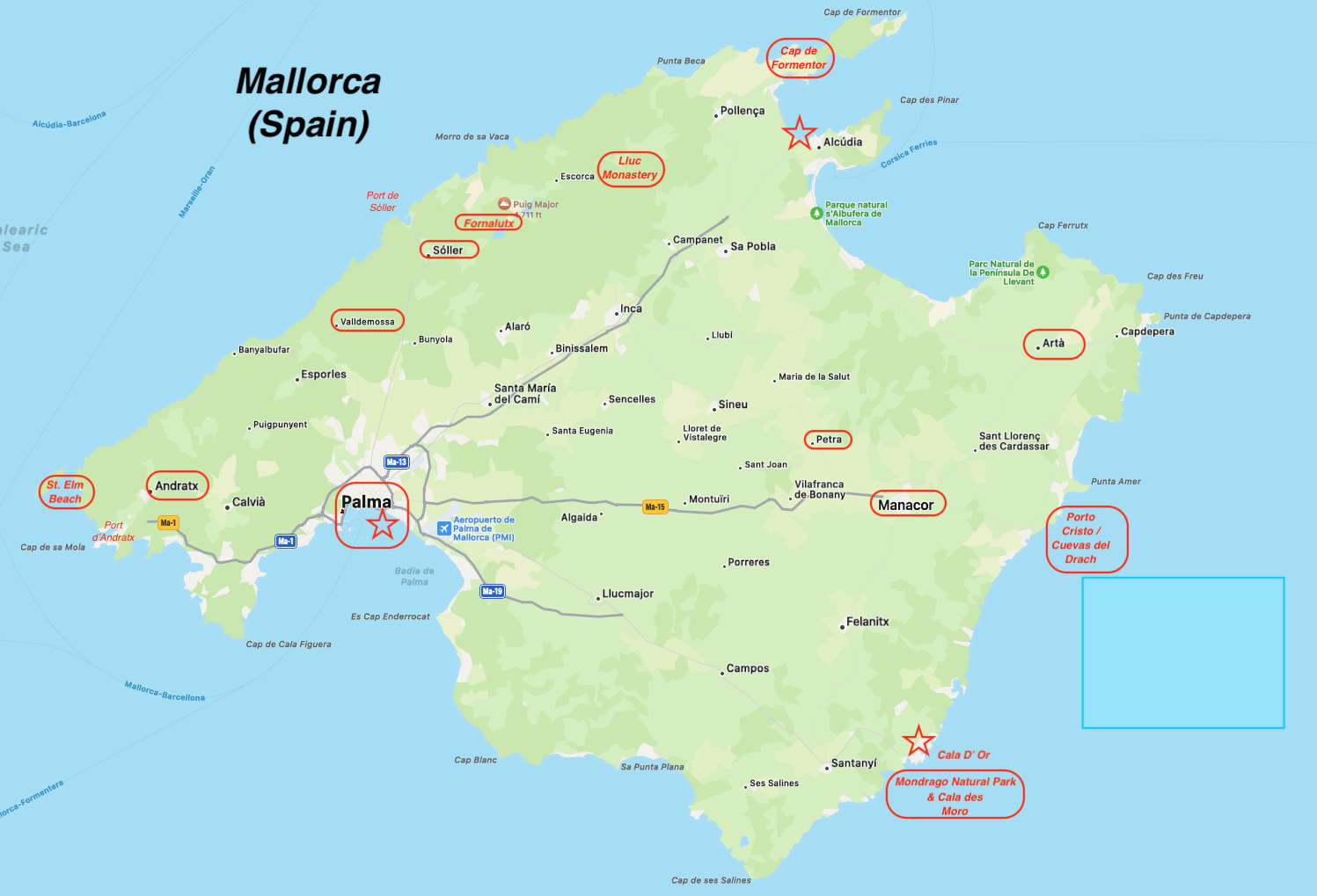
Locations of Manacor, Petra and Artà – center right in image.

Manacor

If you enjoy professional tennis, you may have heard of Rafael Nadal, a former #1 ranked tennis player and winner of 22 Grand Slam Men’s Singles titles, including 14 French Open titles. Just amazing. Manacor is his home town and he has built a tennis academy there, just on the outskirts of town. We stopped by to take a look and visit the Academy store to pick up some souvenirs. The academy appeared fairly quiet while were there (September) and the facility was in the midst of expansion. If you or your children or friends are looking for some serious game improvement, this might be your place!
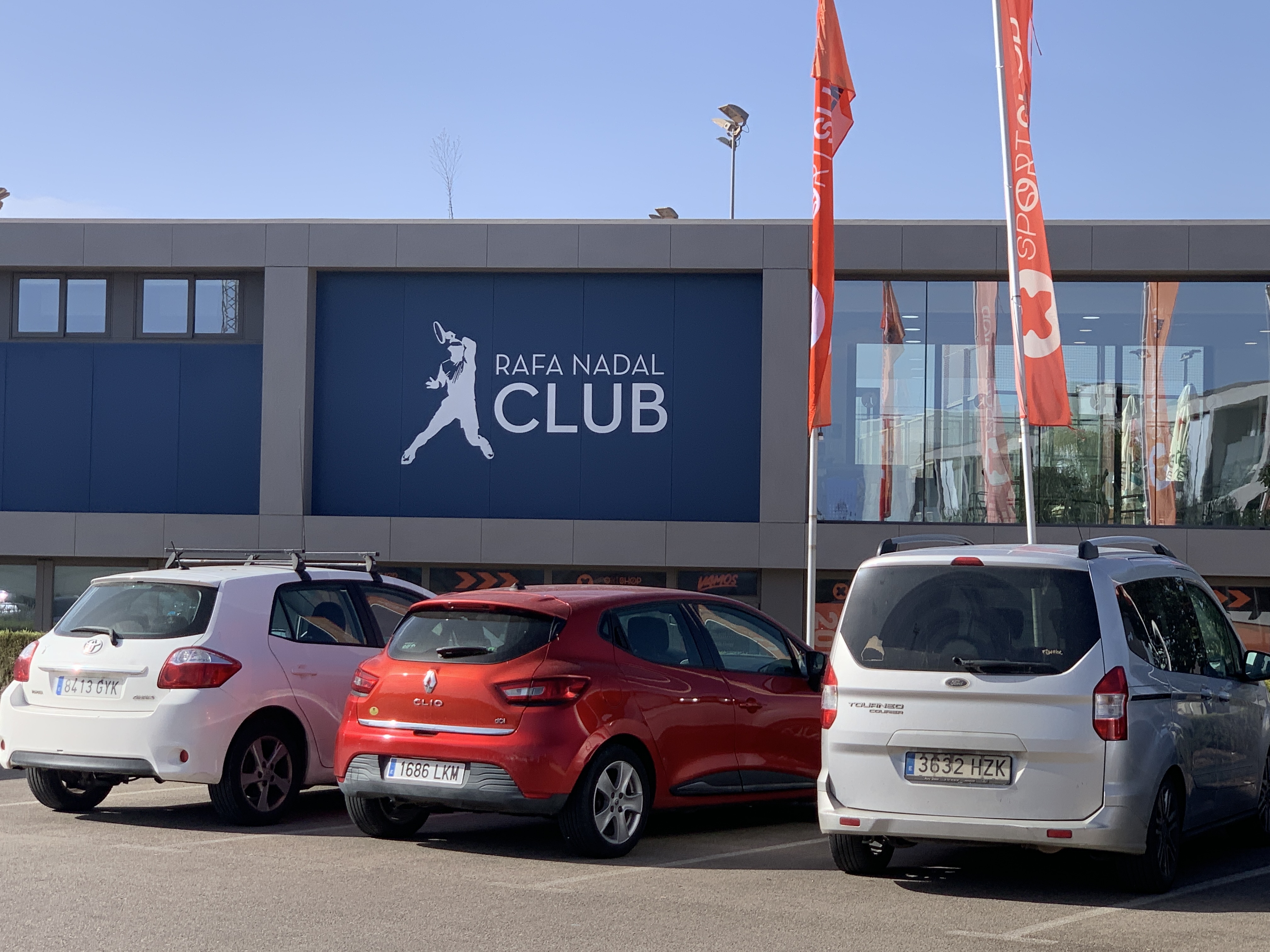
While there is more to Manacor than tennis, this was our main stop.

Petra

This little town is the birthplace of Franciscan Friar Junípero Serra, born in 1713, who made it all the way to what later became the state of California and established missions that led to the founding of the cities of San Diego and San Francisco. He represented the Catholic Church on what was known as the Portolá expedition (1769–1770).

Parish Church of Sant Pere in Petra, where Fray Junípero Serra was baptized.

Just outside of Petra, you can visit Bonany Monastery/Sanctuary, which sits on a hill (elevation 1,000 ft) above Petra and affords a lovely view of the island’s interior landscape. Signs from the town will lead you on the narrow road up to the monastery.

The monastery and church date to the 17th century when locals would ascend the hill to pray for rain for growing their crops, and a statue of the Virgin Mary was found on the hillside. The main church’s hours are short (10 am – 2 pm), so arrange your visit accordingly if you’d like to go inside. I believe the Sanctuary also offers some accomodations if you’d like to have some solitude during your stay on Mallorca.

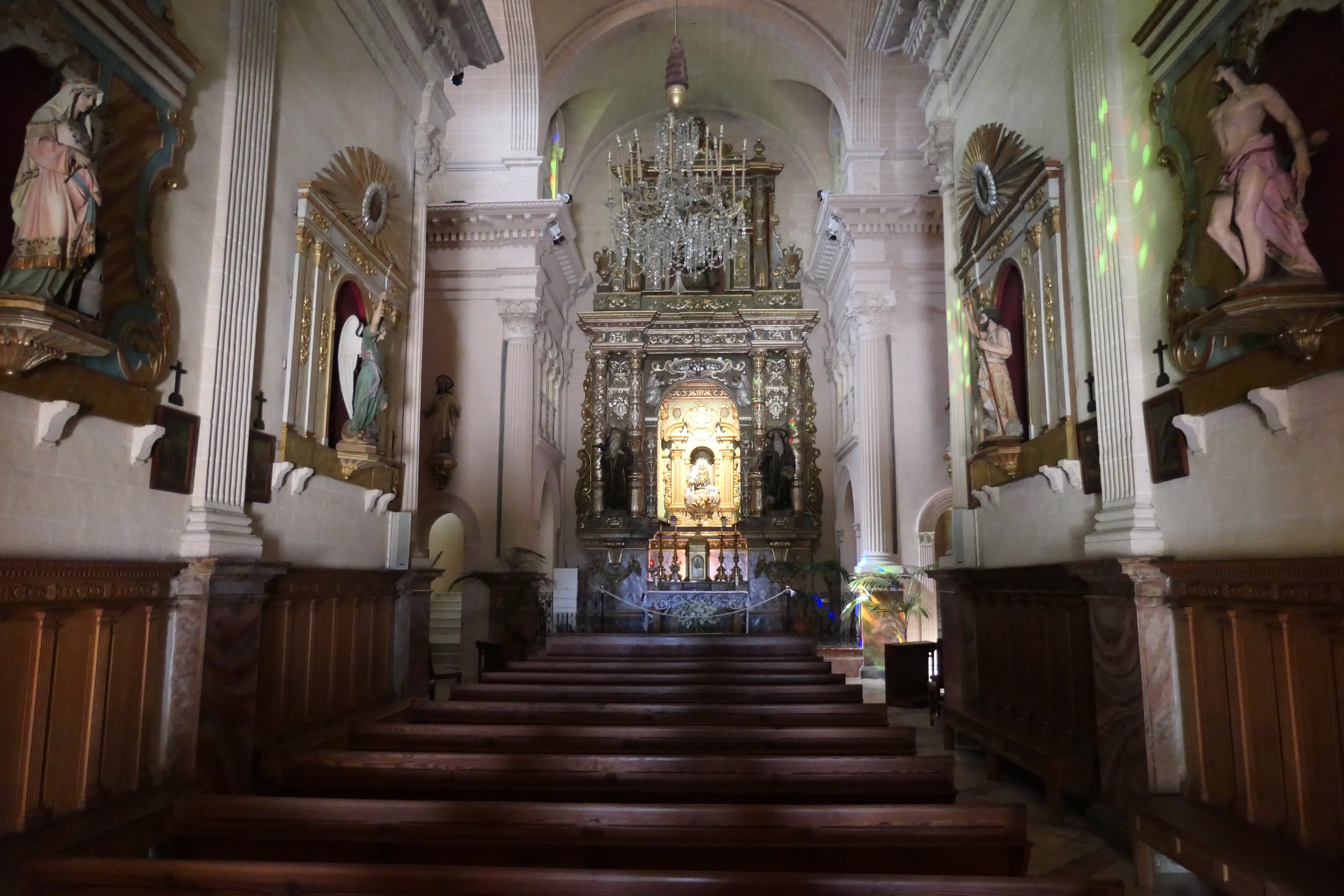
View of the Bonany Monastery.

Artà

Artà is a larger town than Petra but still easy to cover on foot and only 15-30 minutes from some lovely beaches on the northeastern shore of Mallorca.

Artà’s pedestrian main street.

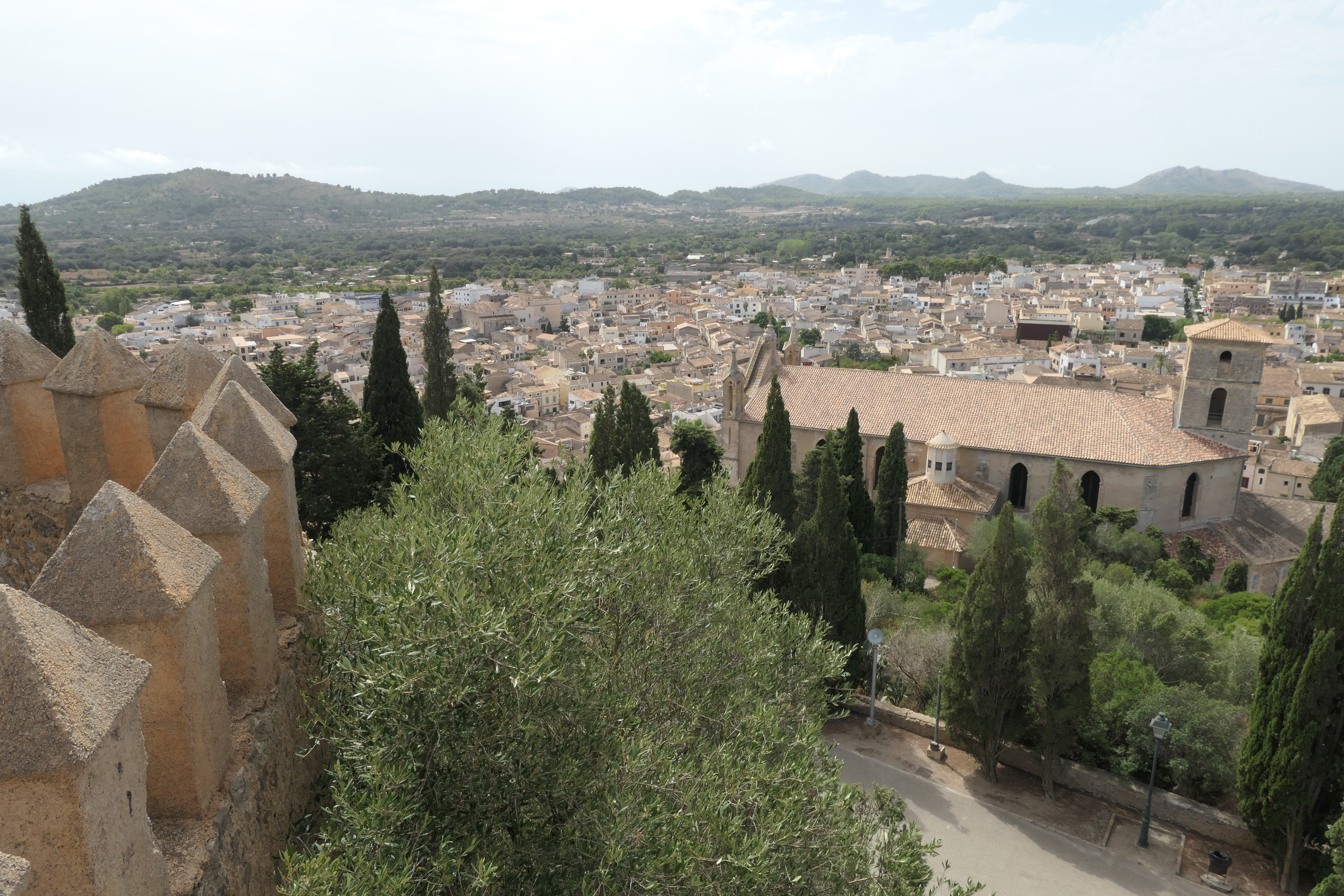
Artà has a nice pedestrian street with fun and classy shops that leads towards the hill topped by the Sanctuary of San Salvador (Sant Salvador) with medieval walls surrounding it; this is one of the town’s main sights.
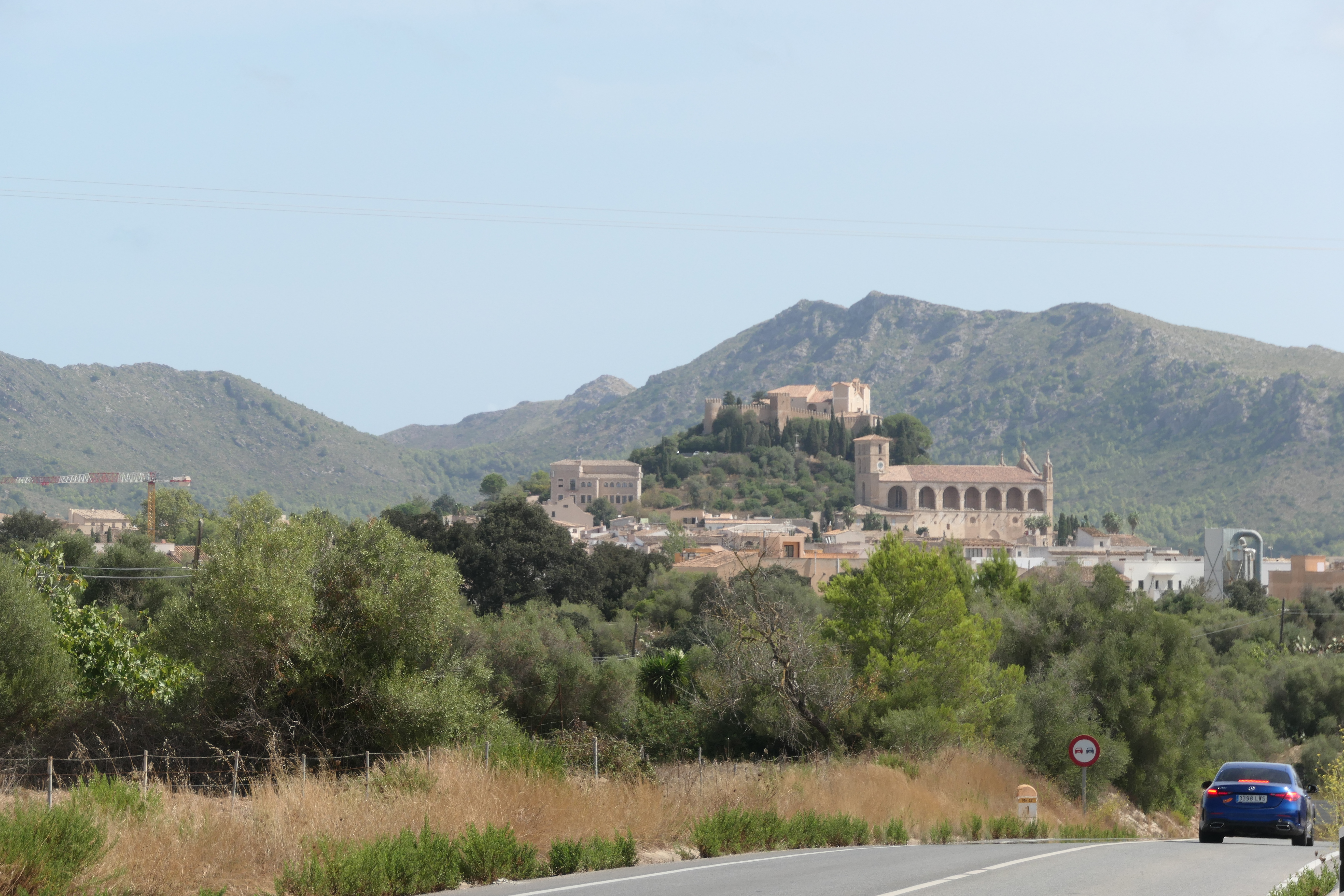
The town of Artà with the Sanctuary of San Salvador dominating the hilltop.

Ses Païsses

While exploring one of the shops in Artà, I saw a post card with a photo of some prehistoric ruins and I inquired about those ruins, and learned about Ses Païsses, a Bronze Age (approximately 900 BC) settlement, which is less than 2 km (or less than a mile) outside of Artà. This is one of the most important prehistoric sites in Mallorca and the Balearic Islands for that matter. This was an unexpected find and we enjoyed seeing this site. Ses Païsses was a prelude to what we were going to see in Menorca, which is home to a number of interesting prehistoric sites.
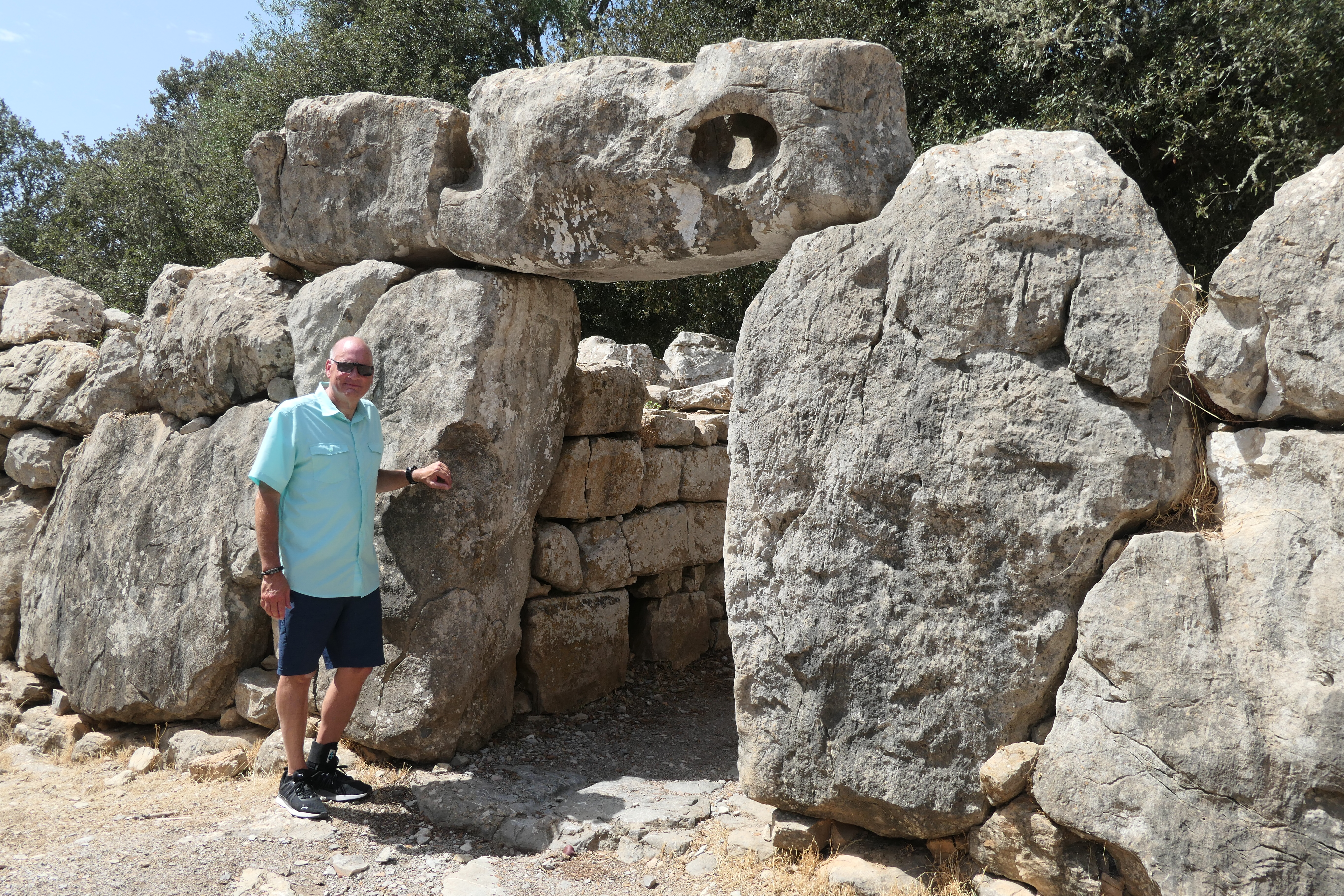
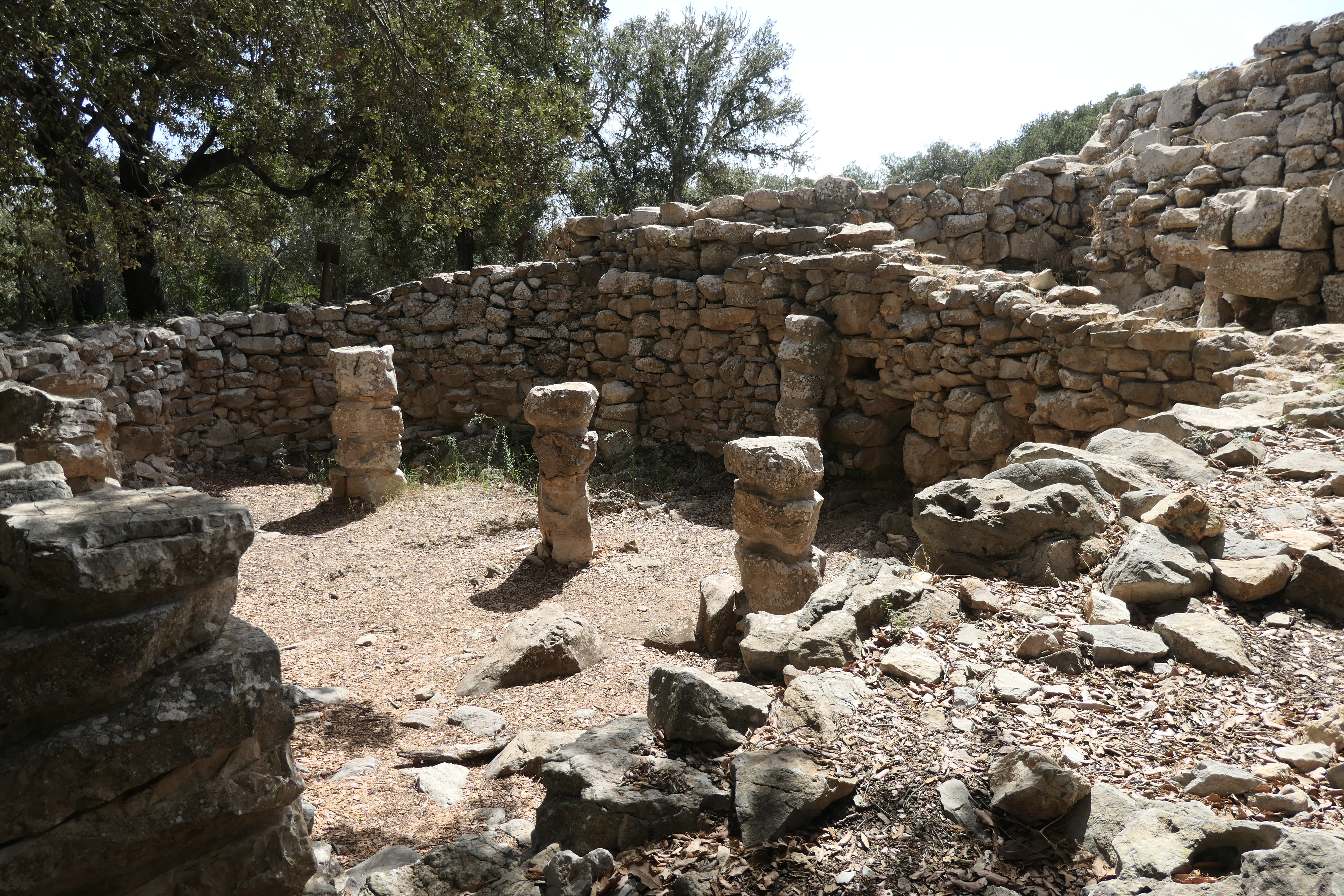
The entrance to Ses Païsses.

Artà would make a great place to call home for a night or two if you plan to visit this part of the island. We stopped here for a couple hours on our way to Alcúdia, our last stay on Mallorca.

Beyond Palma – Touring North/Western Mallorca – Part 2

North/Western Mallorca (island of Spain) has some really lovely and historic towns as well as amazing scenery. In continuing our visit to this part of the island, here are a few other gems in addition to those listed in my Part 1 post. For an overview of our Mallorca (and Menorca) visit my post here.

Map showing the locations of the towns visited in this post on the north/west coast of Mallorca – Valldemossa, Soller and Fornaluxt. In future posts, we will continue to share insights about other locations we visited on Mallorca.
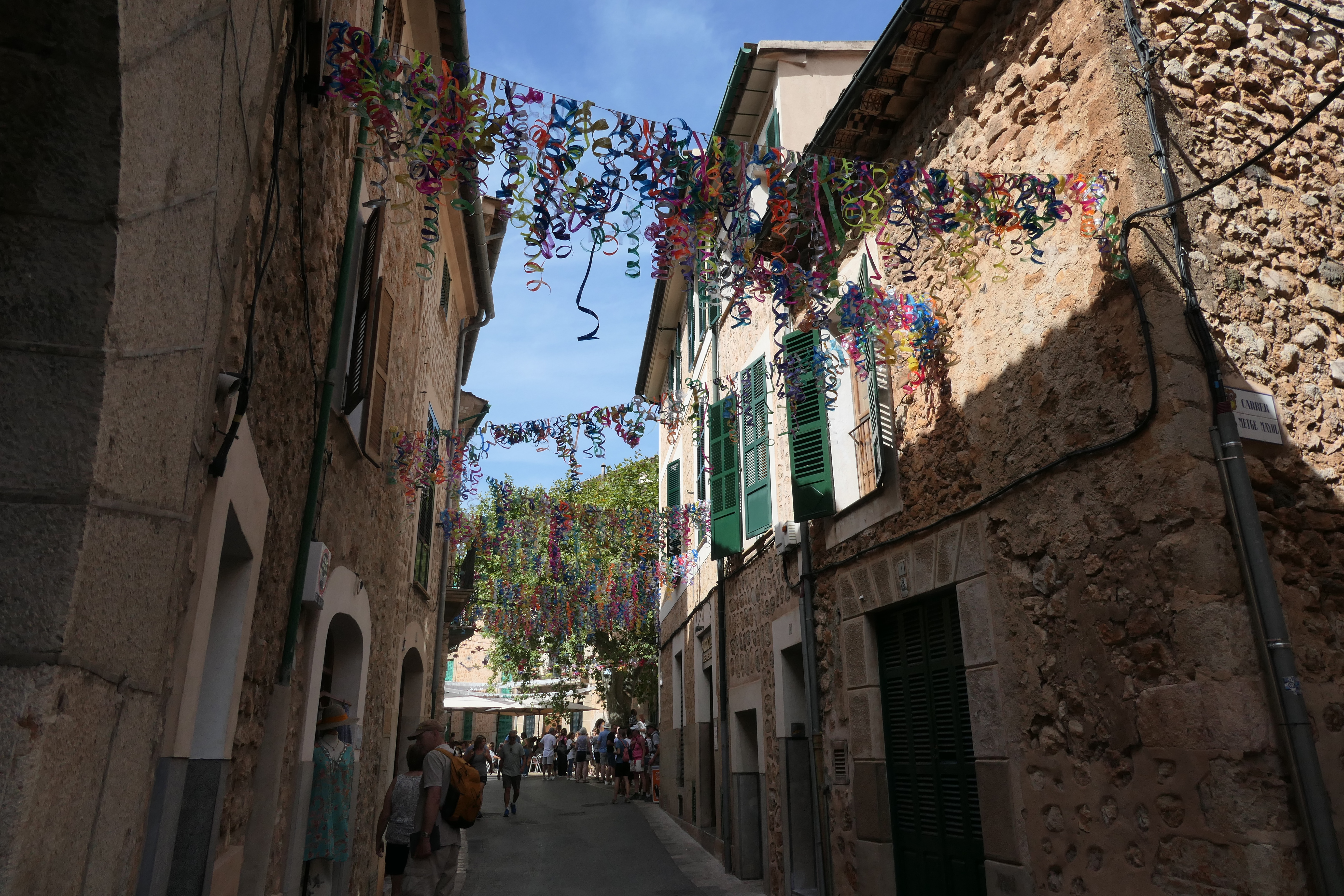
Valldemossa

Valldemossa is the quintessential European mountain village. In visiting this town, you wouldn’t know that you are just a few kilometers away from some of the most beautiful and touristy beaches in the world. As we drove into town I stopped to take a photo of the village, and I could hear bells tinkling as sheep quietly grazed in the hillsides, oblivious to their surroundings.

A view of Valldemossa.

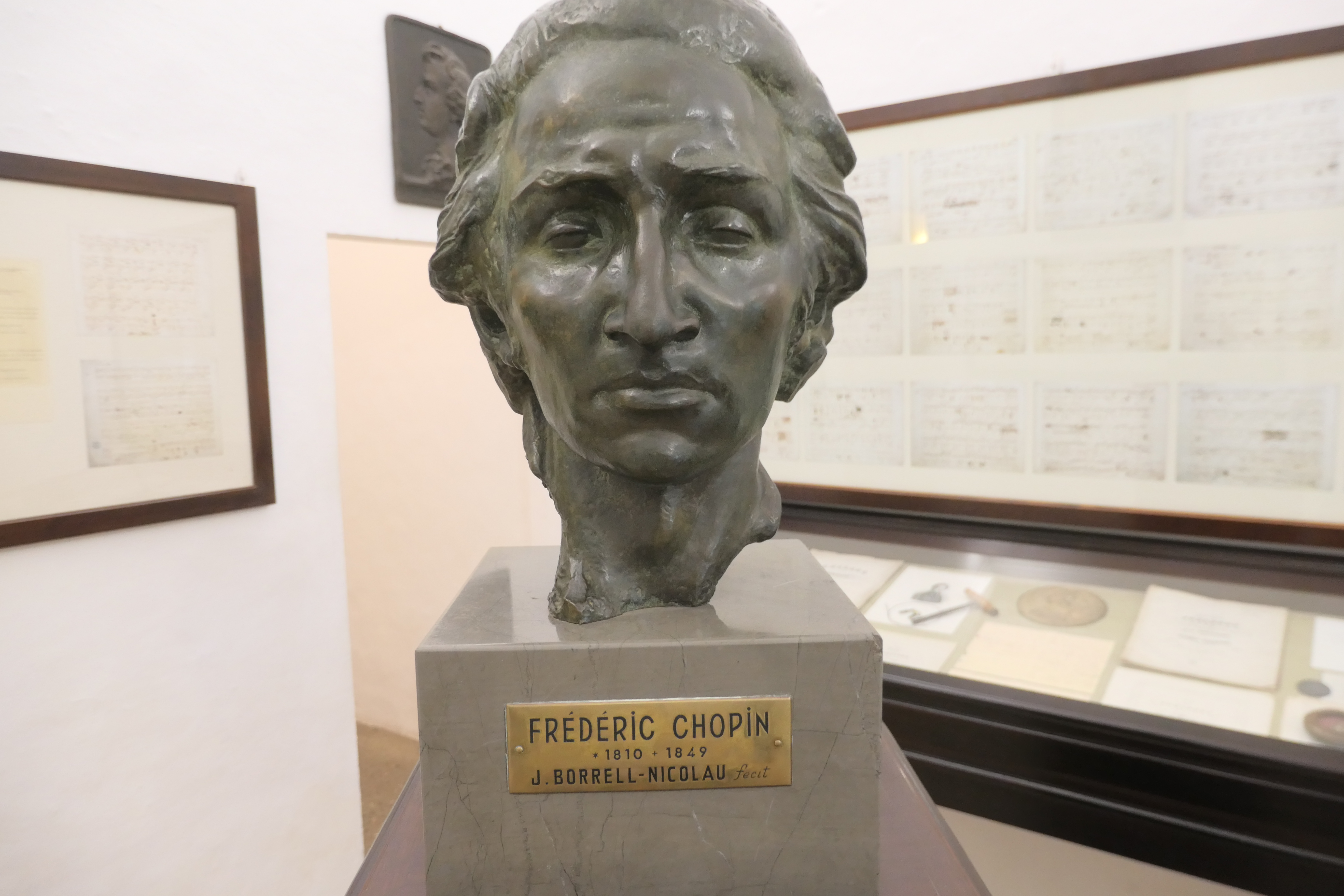
In addition to its scenic location, Valldemossa is famous for one of its most illustrious short-term residents, Frédéric Chopin, one of the preeminent composers and pianists of the 19th century, who was from Poland. He and his girlfriend (known by her pen name of George Sand) lived in Valldemossa during the winter of 1838 – 1839. George (her real name: Amantine Lucile Aurore Dupin de Francueil) was a French novelist and quite a respected and well-known author in her lifetime.

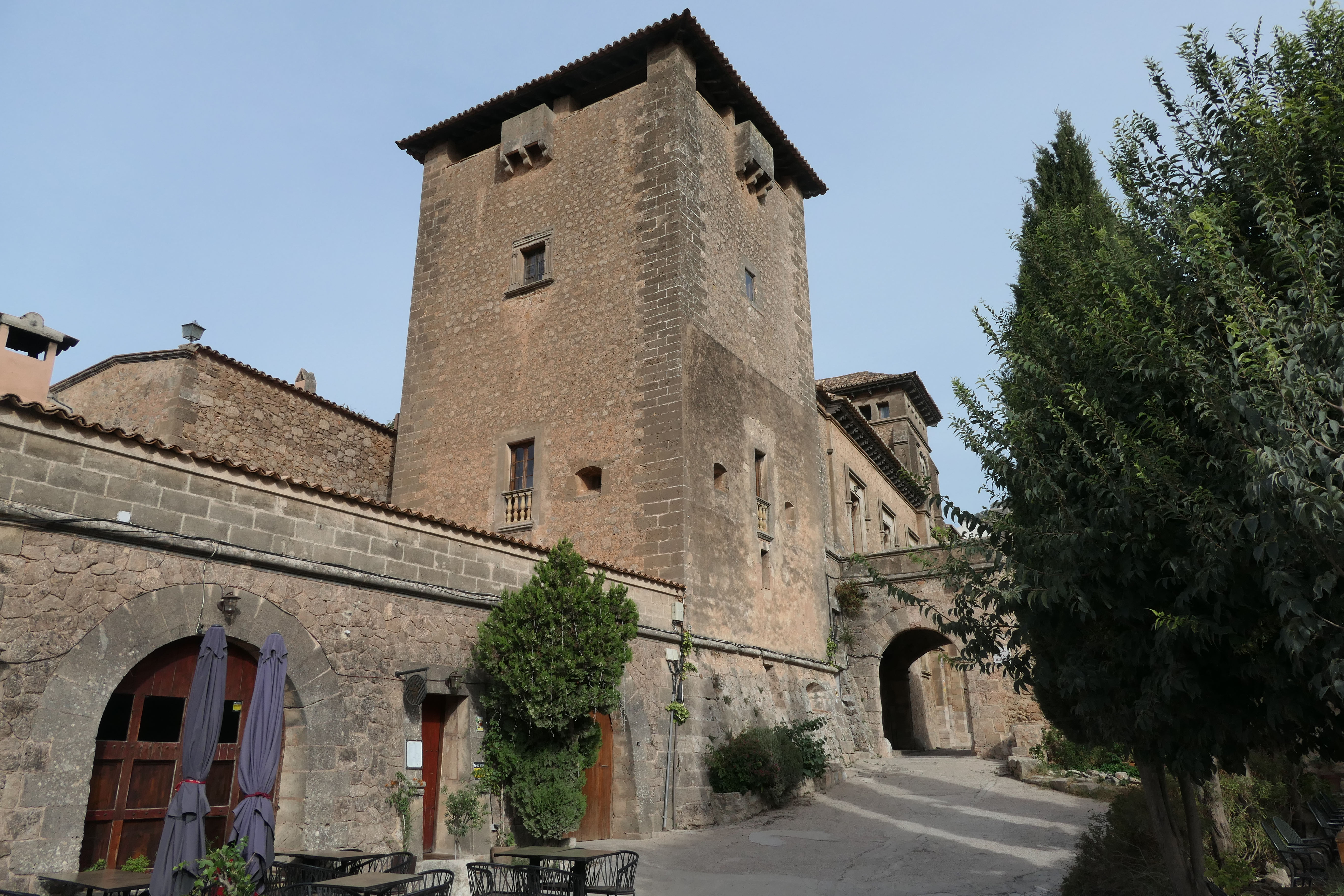
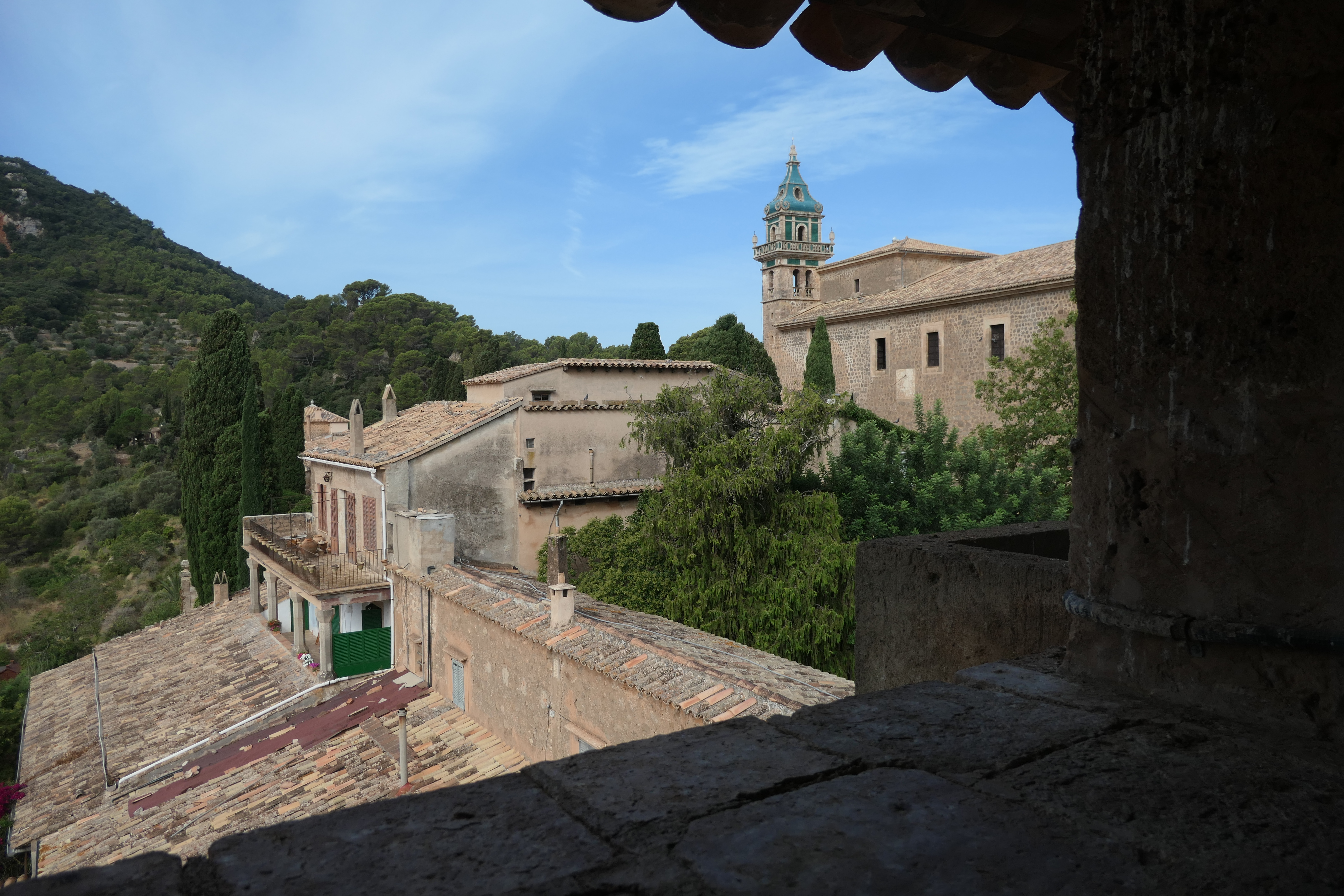
They came to Mallorca with hopes to improve Chopin’s health, but the accommodations and cold winter weather did not help. The palace-monastery (Royal Charterhouse of Valldemossa) where they lived is the main sight in this little village. A tour of the Charterhouse includes dormitory rooms dedicated to Chopin’s stay and his works as well as George Sand’s.

Royal Charterhouse of Valldemossa

This 13th century Palace was donated to the Carthusian Order of the Catholic Church in 1399. The Carthusian monks inhabited the Monastery until 1835 when the facilities were sold into a private estate and the small dormitory rooms then became available for rent. Chopin and Sand were not married, and after this was discovered they sought seclusion from the disapproving public in Palma and rented a room at the Charterhouse in Valldemossa, a very remote village at the time.

In addition to the cells and displays dedicated to Chopin and Sand, you also have an opportunity to tour some of the features of the monastery and elegant rooms of the palace.

And at certain times of the day, a short (15 minute) beautiful recital is given of Chopin’s music. We were fortunate that the recital timing coincided with our visit perfectly. You can then tour the gardens of the Charterhouse.

Recital of Chopin’s music at the Charterhouse in Valldemossa, Mallorca.

This was a really interesting stop, we enjoyed our visit.

Sóller & Porto Sóller

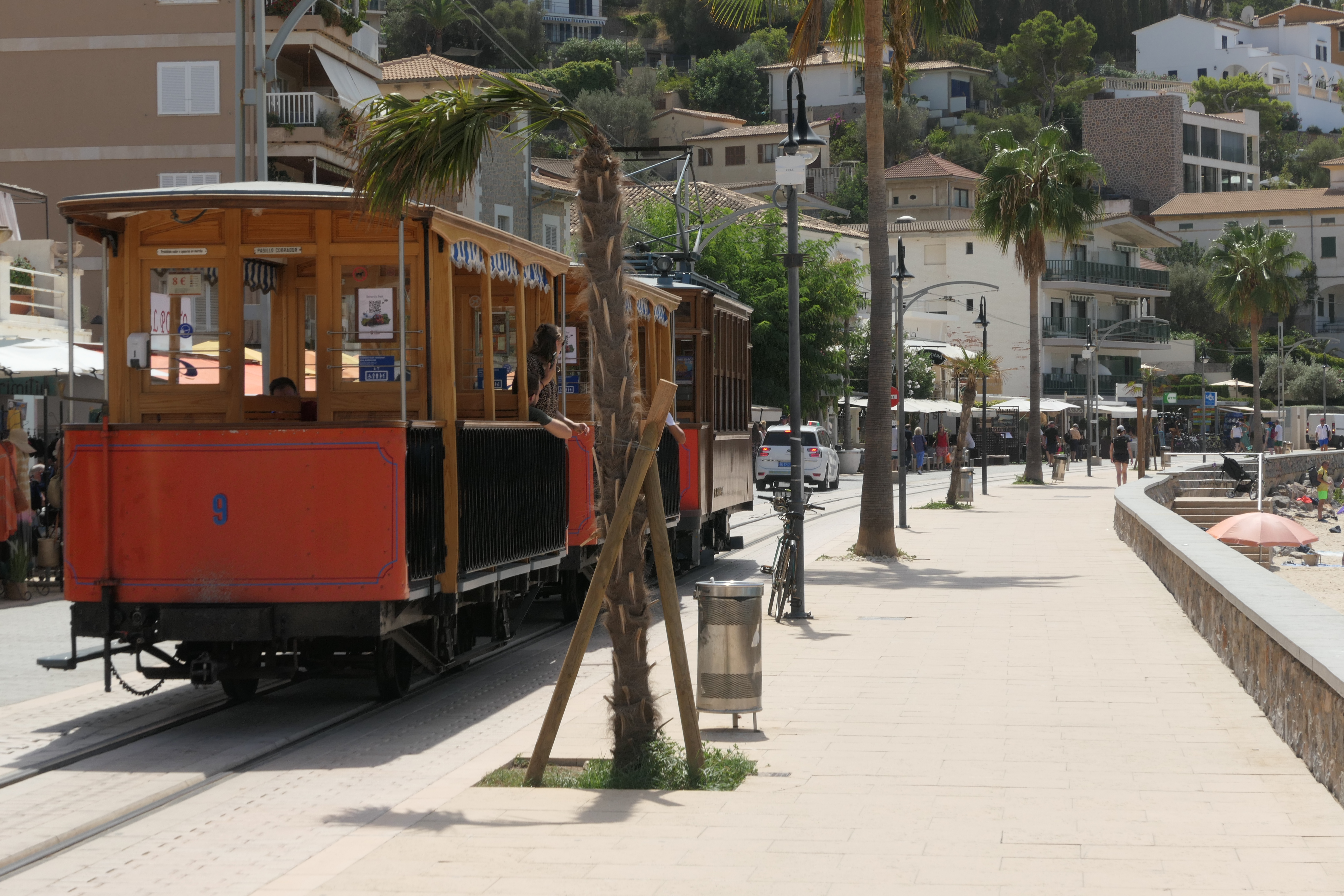
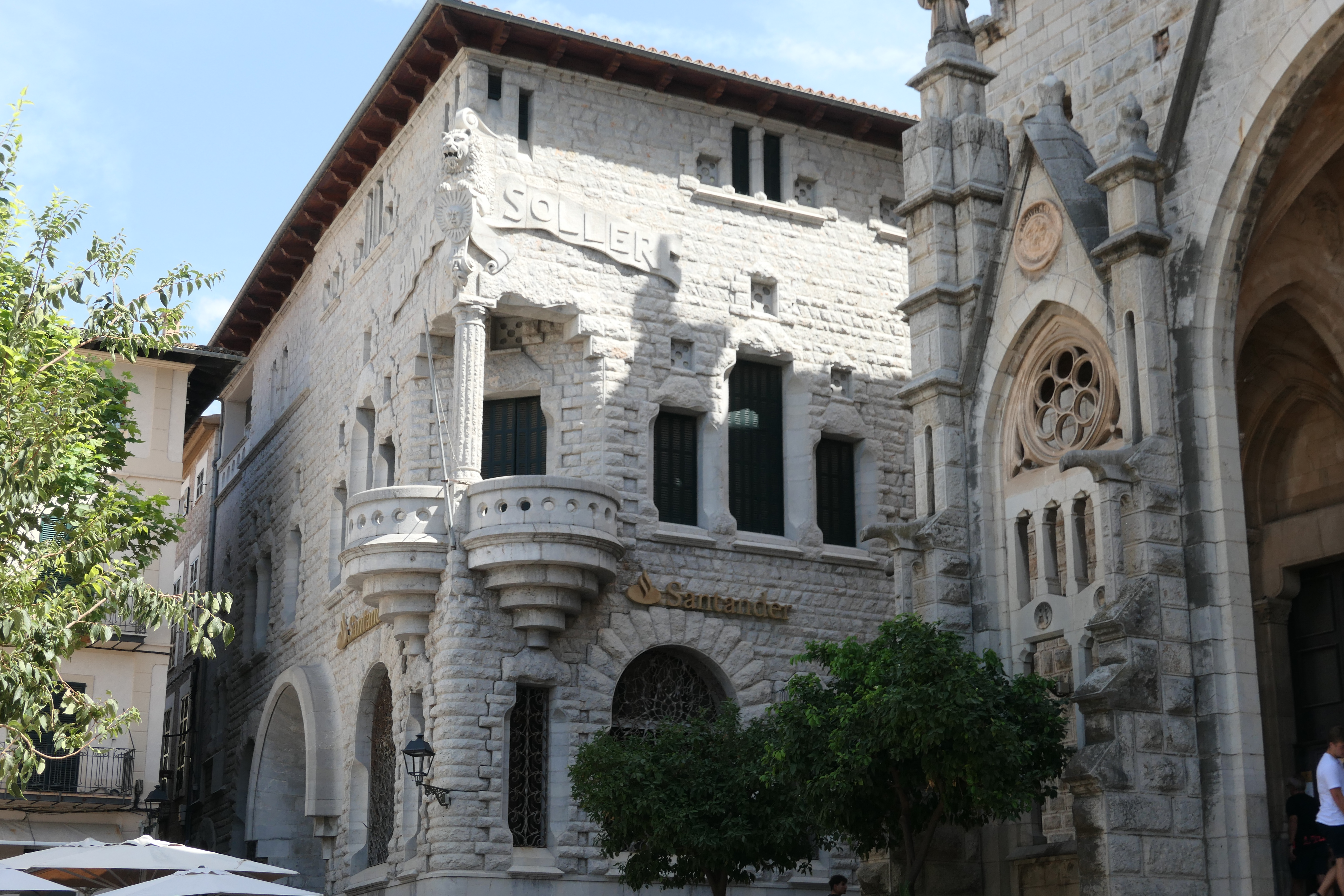
Just 24 km (15 miles) north of Valldemossa is the pretty town of Sóller. Like Andraxt, there are two parts to Sóller. The inland town and port are both attractive and popular tourist spots, especially for hikers and cyclists and for those seeking some beach time. Sóller became wealthy in the 19th century due to its citrus groves and fruit exports to France. Today beautiful small hotels and apartments surround the peaceful harbor and beach.

The inland town is also quite picturesque and worth a stroll. I bought some great Mallorcan shoes from a local cobbler – they have a unique style!

My Mallorcan shoes! I wear a size 11.5 – 12 and it was a little hard to find that big of a shoe (44 in European sizes).

Fornalutx

This image shows how close Sóller (in the distance) and Fornalutx (in the lower part of the image) are. The Mediterranean Sea is visible beyond the mountains.

One little town we passed through quickly (we visited it on our last day in Mallorca as we were headed to the airport) was Fornalutx, which is only 4 km from Sóller. It is another little scenic town and worth a stroll of its main street. It might be a great place to stay on the north/west coast of the island and perhaps less expensive and quieter than Sóller or Deià.