What to See in Menorca Spain

Exploring Menorca’s Unique and Fun Coastal Towns

In addition to beautiful beaches, Menorca, Spain has some interesting and scenic towns to explore. During our short visit, we mixed in visits to the island’s towns, historic sites and beaches. The island is small and it only takes about 45 minutes by car to get from one end of the island to the other. Since the island is not large, any of these towns would be a good “home base” during your stay in Menorca. We decided to say in Cala Galdana, more of a resort area for our first time in Menorca which was also a good choice.

Map showing the relative locations of the major towns in Mencorca.

Ciutadella de Menorca

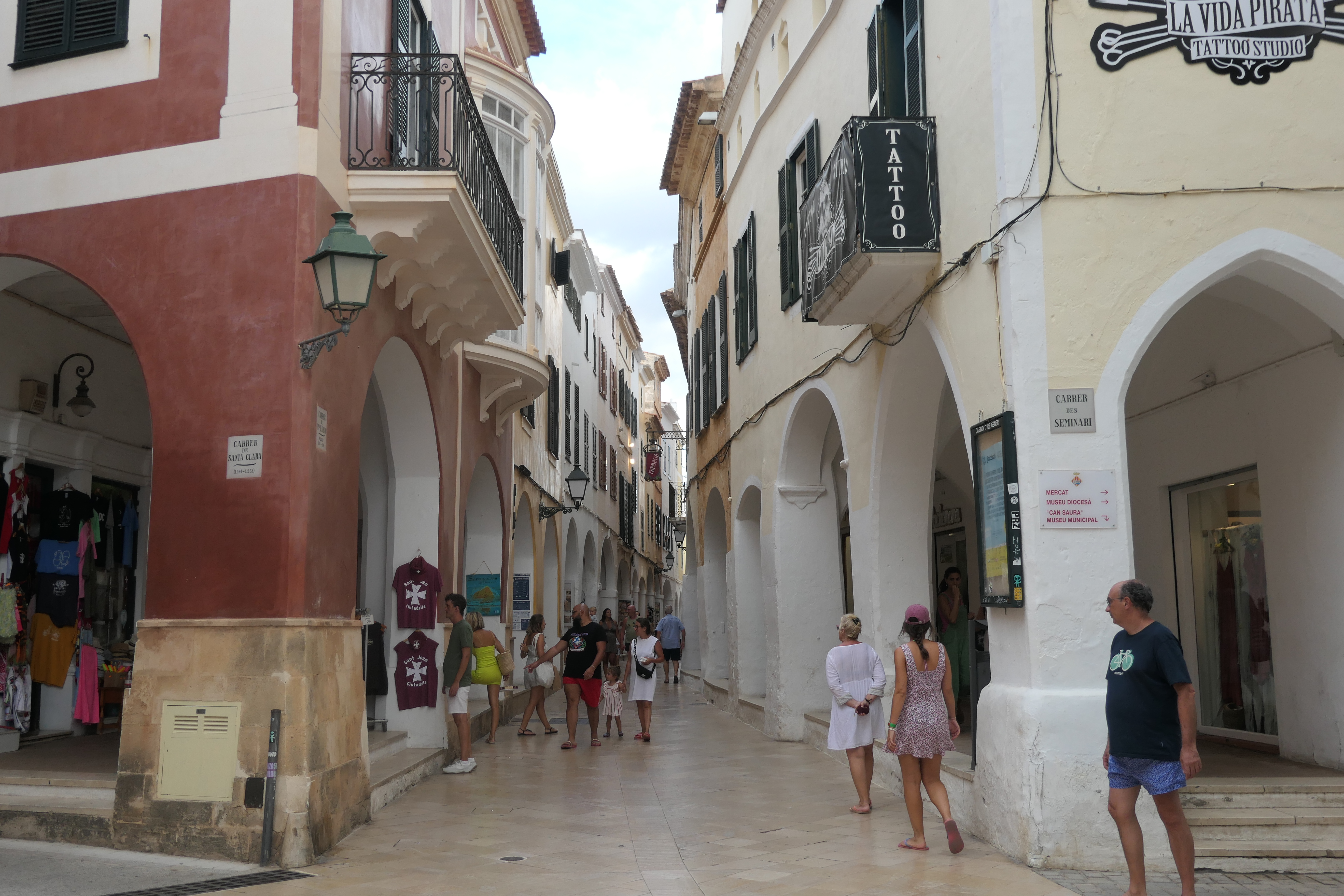
Ciutadella is located on the western end of Menorca and was a busier town than Mahón (discussed below), although that may have been due to the time of day we visited (early evening). Ciutadella is home to the main ferry route connecting Menorca to Mallorca. The town is ancient, dating back to the Carthaginians (~300 BC), and has a long (and at times sad) history, particularly in the 1500’s when the town came under siege by the Turks, who took the survivors and sold them into slavery in Constantinople (Istanbul).

This windmill stands out as a primary landmark as you enter Ciutadella.
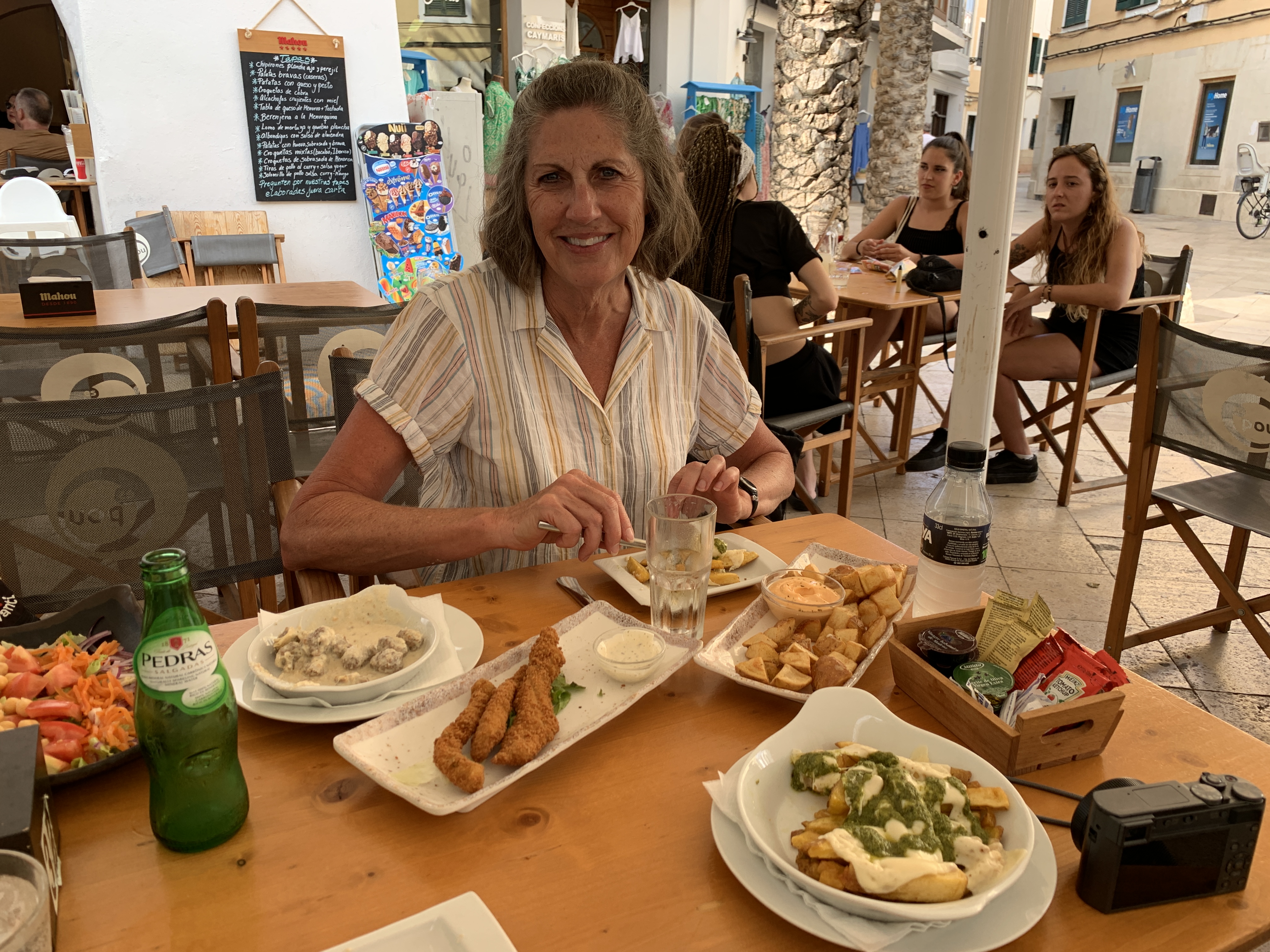
We enjoyed a great tapas meal in Ciutadella!

Mahón (or Maó)

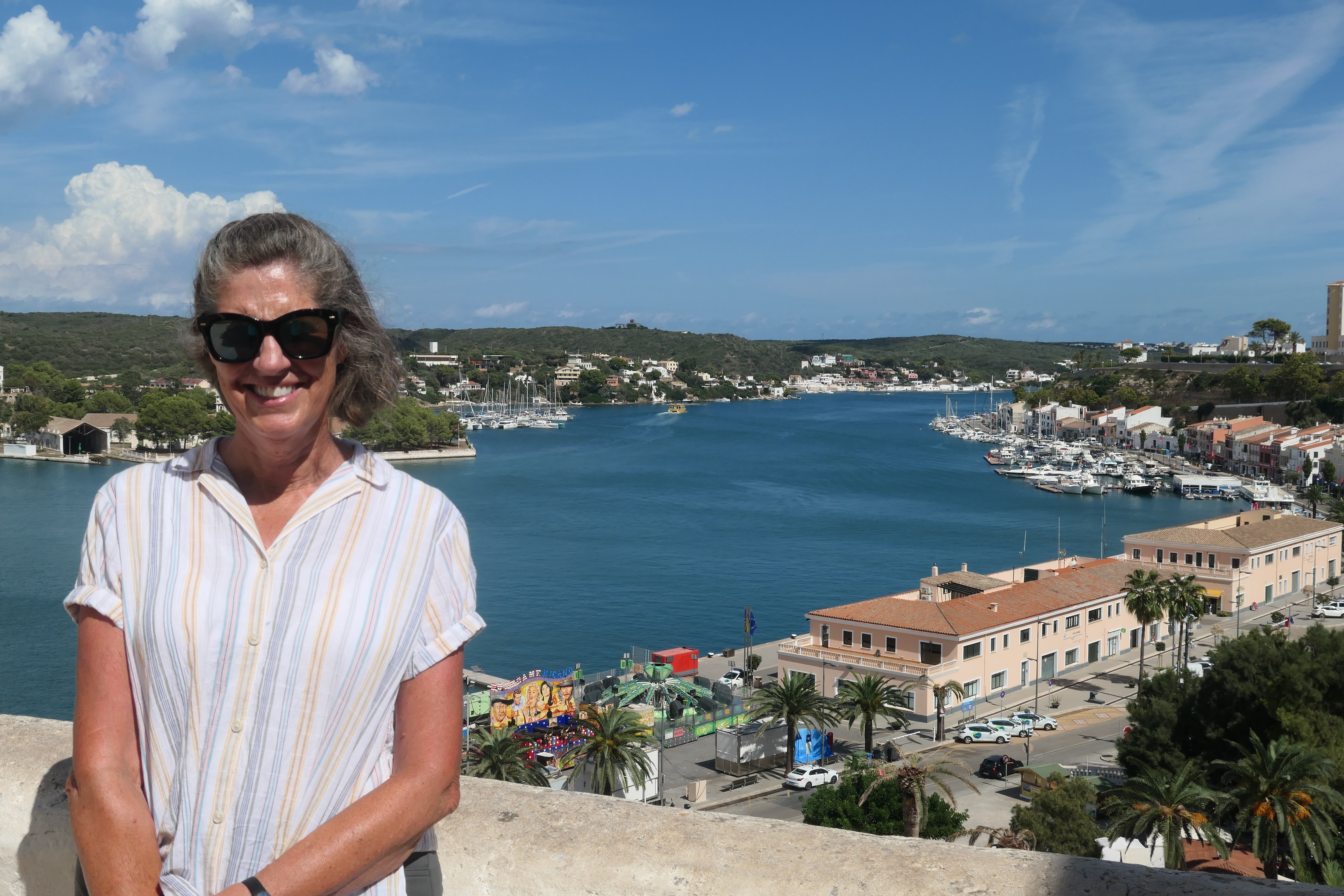
Mahón is the largest town in Menorca and the island’s capital, located on the eastern edge of the island. It’s also the location of the island’s airport if you fly here. The town is quite pretty, with a lovely setting and harbor. There are some rumors that the word mayonnaise originated here! We found the town to be pretty quiet, with few tourists wandering about. Numerous boat tours are available from Mahón and perhaps most tourists were out for the day.

We had fun wandering the streets along the harbor and admiring the yachts at berth and enjoying some great gelato! Nearby are a number of prehistoric sites that may be visited.

Binibeca (or Binibeca Vell)

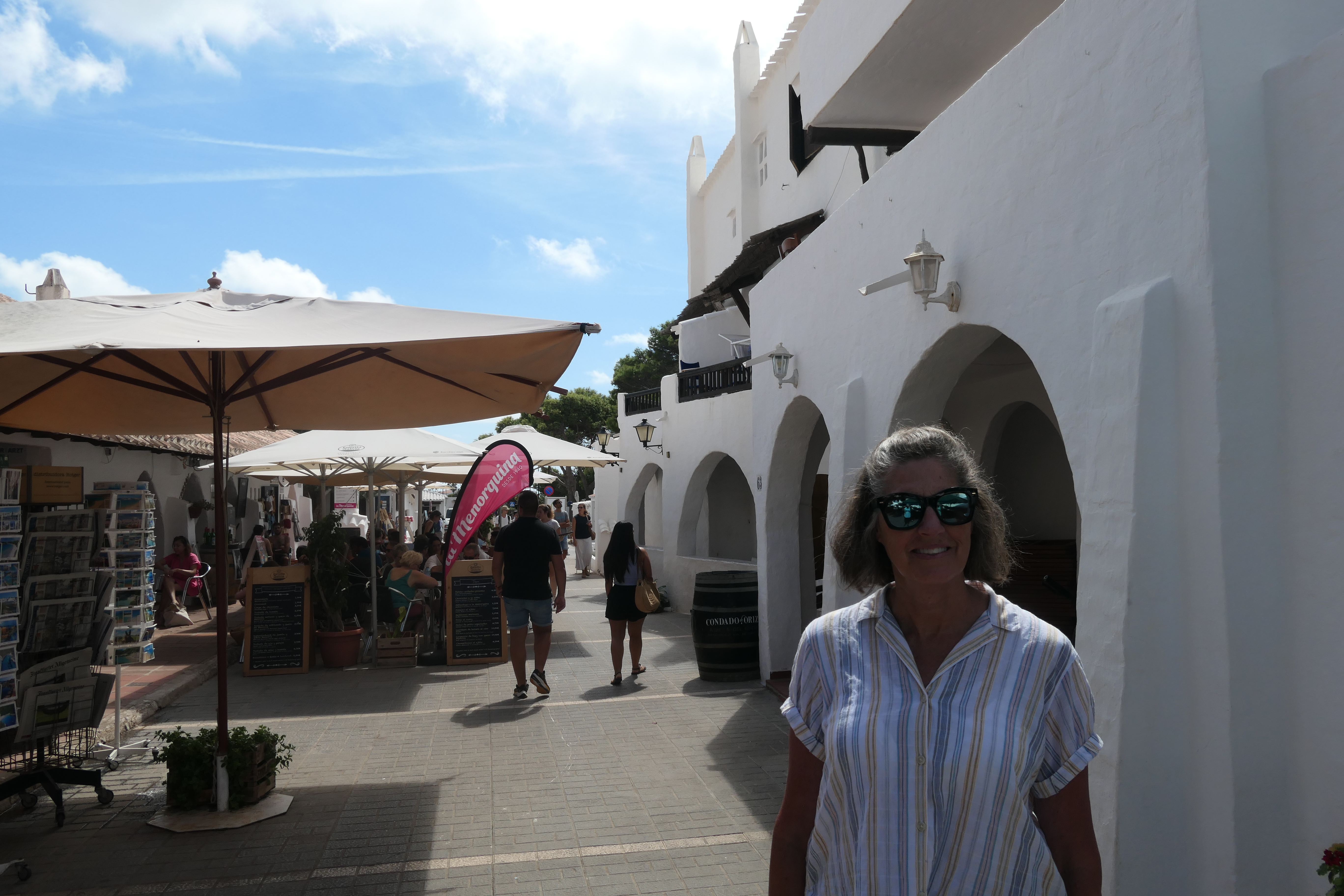
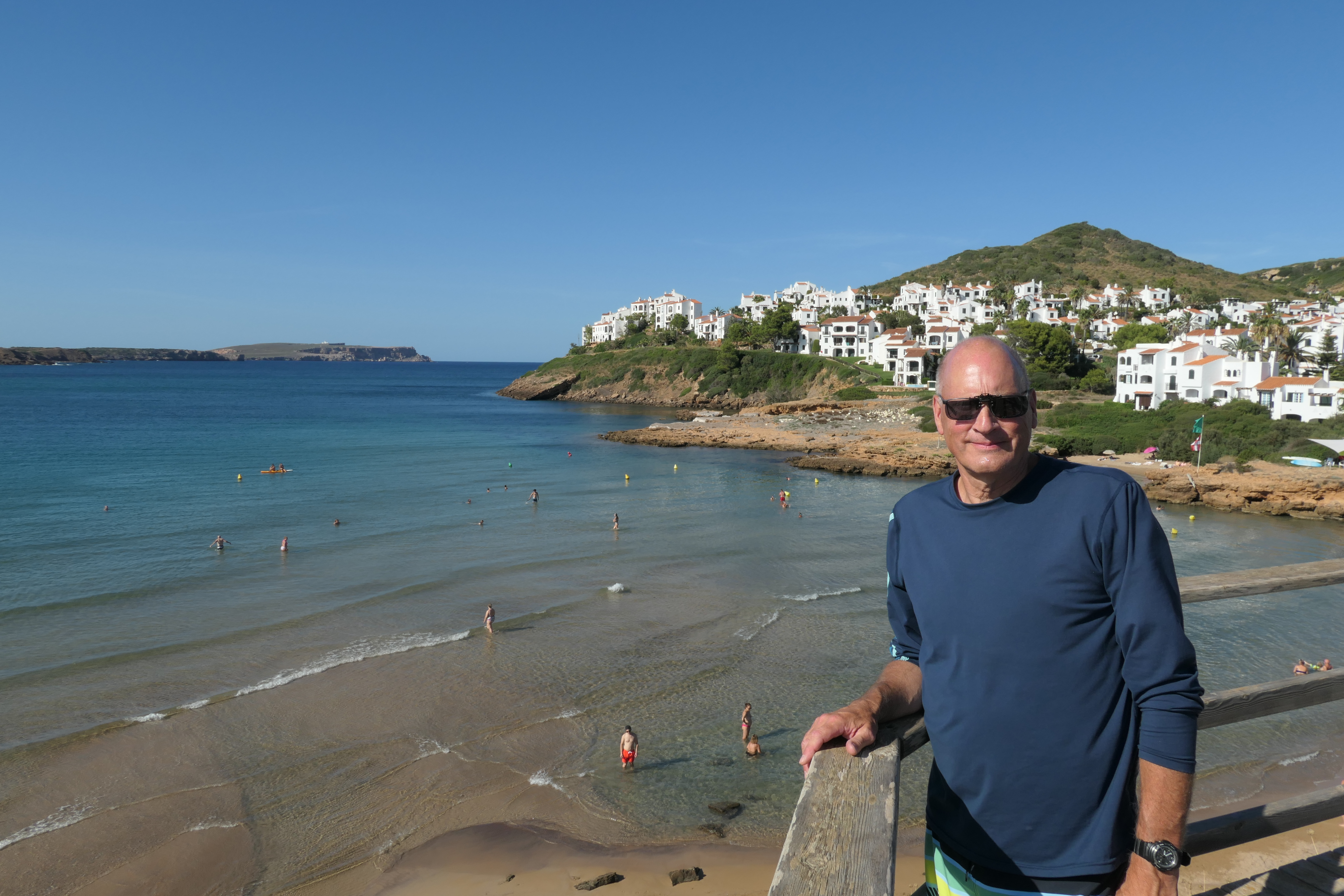
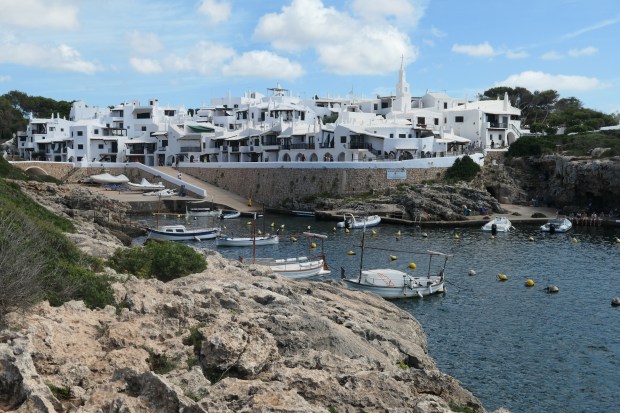
Binibeca is a white town on Menorca’s southeast shore that is relatively new but looks like an old fishing village! It reminded me a bit of the Greek islands. It certainly makes for a postcard view. The town was built in 1968, and is in a great location – close to Mahón and yet it feels somewhat remote. The area near Binibeca is a growing tourist spot, with many small hotels/resorts and homes popping up nearby in the years since the village was built. In addition, there are numerous beaches and coves within a short distance if you want to enjoy the warm clear water.

View of Binebeca and its small harbor.
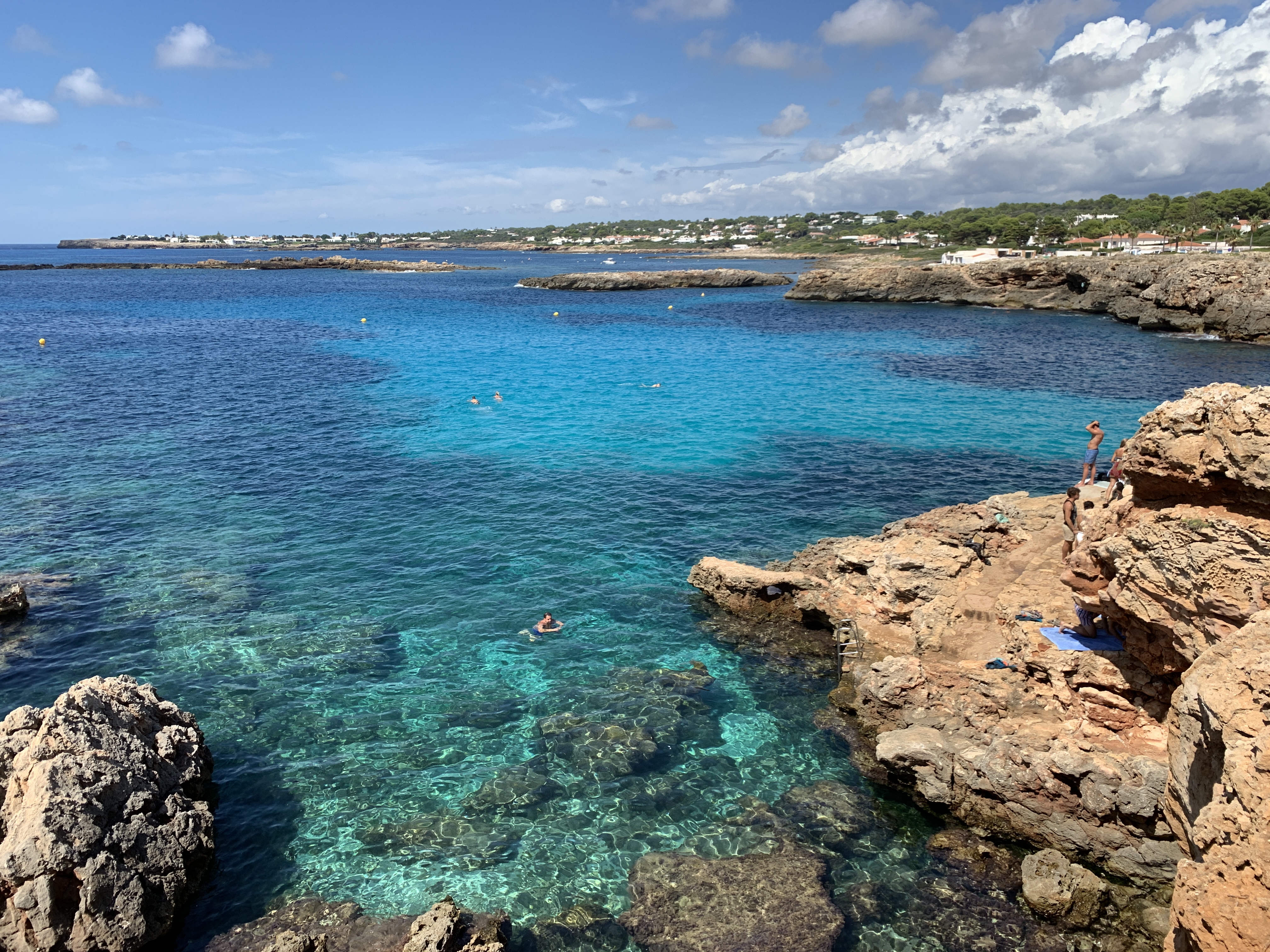
A short walk from Binibeca will take you to some amazing coves and clear water – inviting you to stay and take a dip! We came back on another day and took advantage of these clear, warm waters.

Fornells

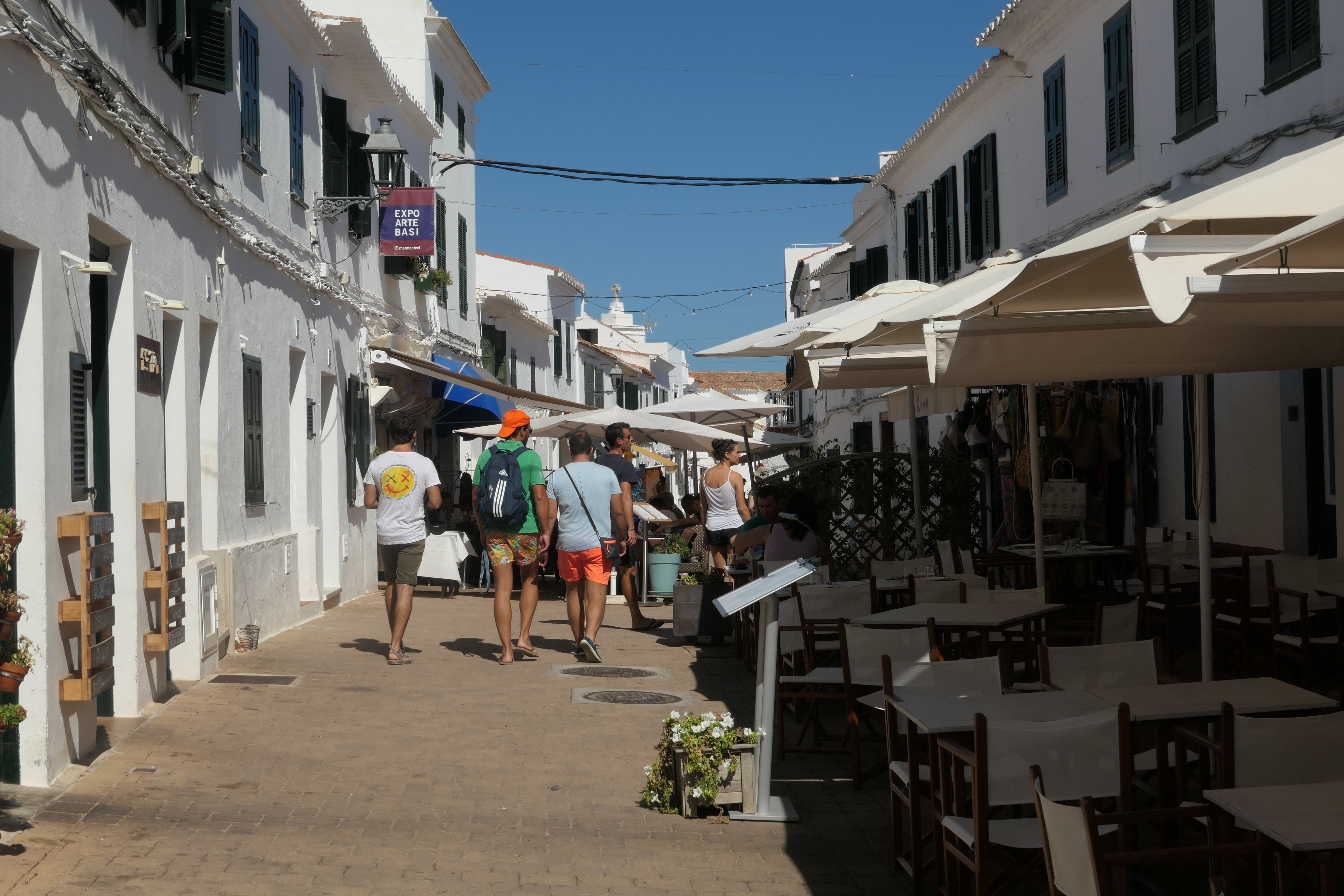
Fornells is the only major town on Menorca’s north shore and would make a great home base for visiting Menorca, if you want to enjoy a quieter experience and slower pace. Unlike Binibeca, this is an authentic fishing village and it’s known for its great seafood restaurants.

View of Fornells’ harbor.
Residences and vacation homes near Fornells on Menorca’s north shore – this area had a “California coast” feel.
One doesn’t have to go far from Fornells to find a great beach – Cala Tirant is just a couple kilometers as the crow files from Fornells, or an 8 km (4.5 mile) drive.

Menorca’s Amazing Prehistoric Ruins

Menorca, Spain has about 1,500 prehistoric sites – a higher concentration per square kilometer than any where else in the Mediterranean Sea, this is why Menorca is known as an “open air museum”. Numerous ancient stone structures dot the island, especially the southern half. A map of many of the sites can be found here. A number of these sites have been quite well preserved, considering they’ve been around for nearly 3,000 years! The Talayotic (or Talaiotic) period (when many of these structures where built) was lasted from about 1200 B.C. to 123 B.C. (when the Roman conquest took place).

The locations in brown font indicate the four prehistoric sites discussed below.

While Menorca’s beaches are incredible (more on these in a future post), it’s also fun to explore other sights on the island, and we decided to visit four of these prehistoric ruins during a “day off” from the beach. These archeological sites typically charge a small fee and provide informational brochures for your visit. Why did I choose these particular sites? I just did a little research on Menorca’s prehistoric ruins and decided on these four as reasonable sampling of what can be visited relatively easily. The road signage on the island to these historical sites is quite good.

Naveta des Tudons

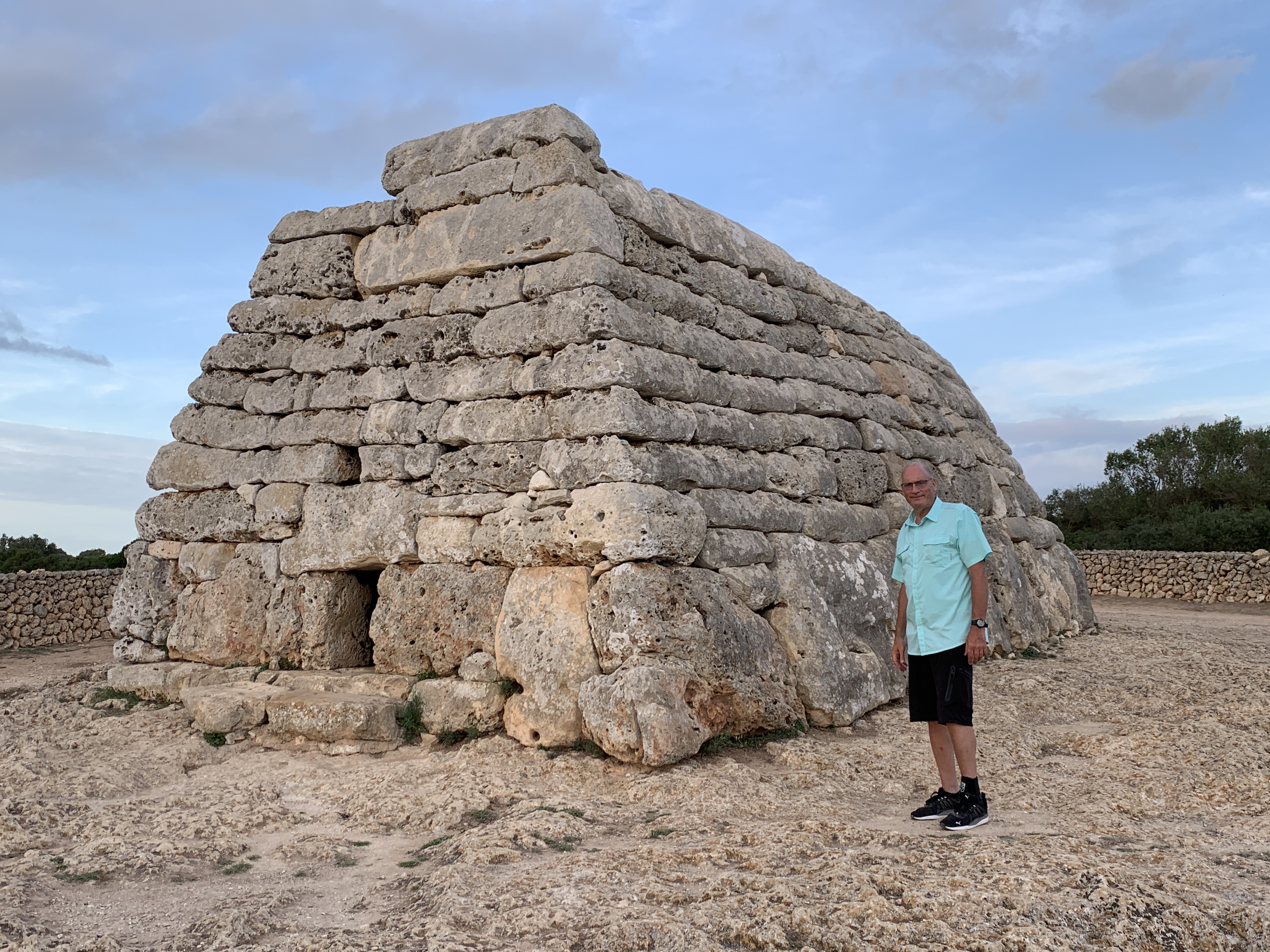
This ruin is on the western side of the island, not far from the city of Ciutadella. Navetas are tombs that are unique to Menorca, and are typically one to two levels high and round or elongated. Naveta des Tudons is the largest of all known Navetas on the island and is considered the oldest existing building in Europe. It dates from 1000 – 800 BC, and was in use for about 500 years. Archeologists found the remains of over 100 individuals inside. We had the site to ourselves late one afternoon.

A view of the front of the Naveta. Note the careful stone fitting and placement work.
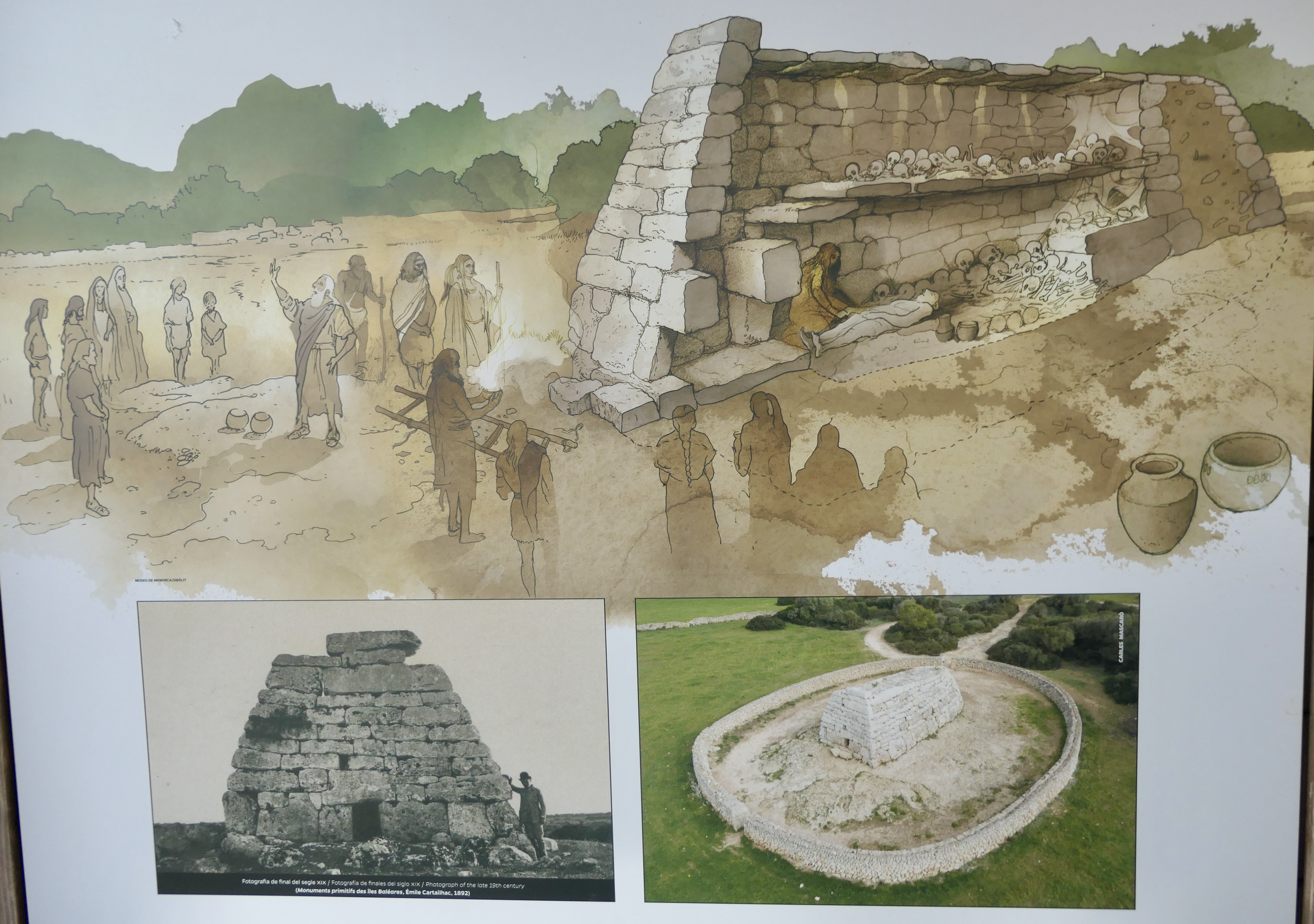
This image shows the burial ceremony and process and the layout of the interior of Naveta des Tudons.

Trepucó

The settlement of Trepucó is one of the largest on the island, covering an area of around 49,240 square metres. However, what can be viewed today is only a small part of the site, dating from 1200-700 B.C. It is located near Mahón (or Maó) on the eastern side of the island.

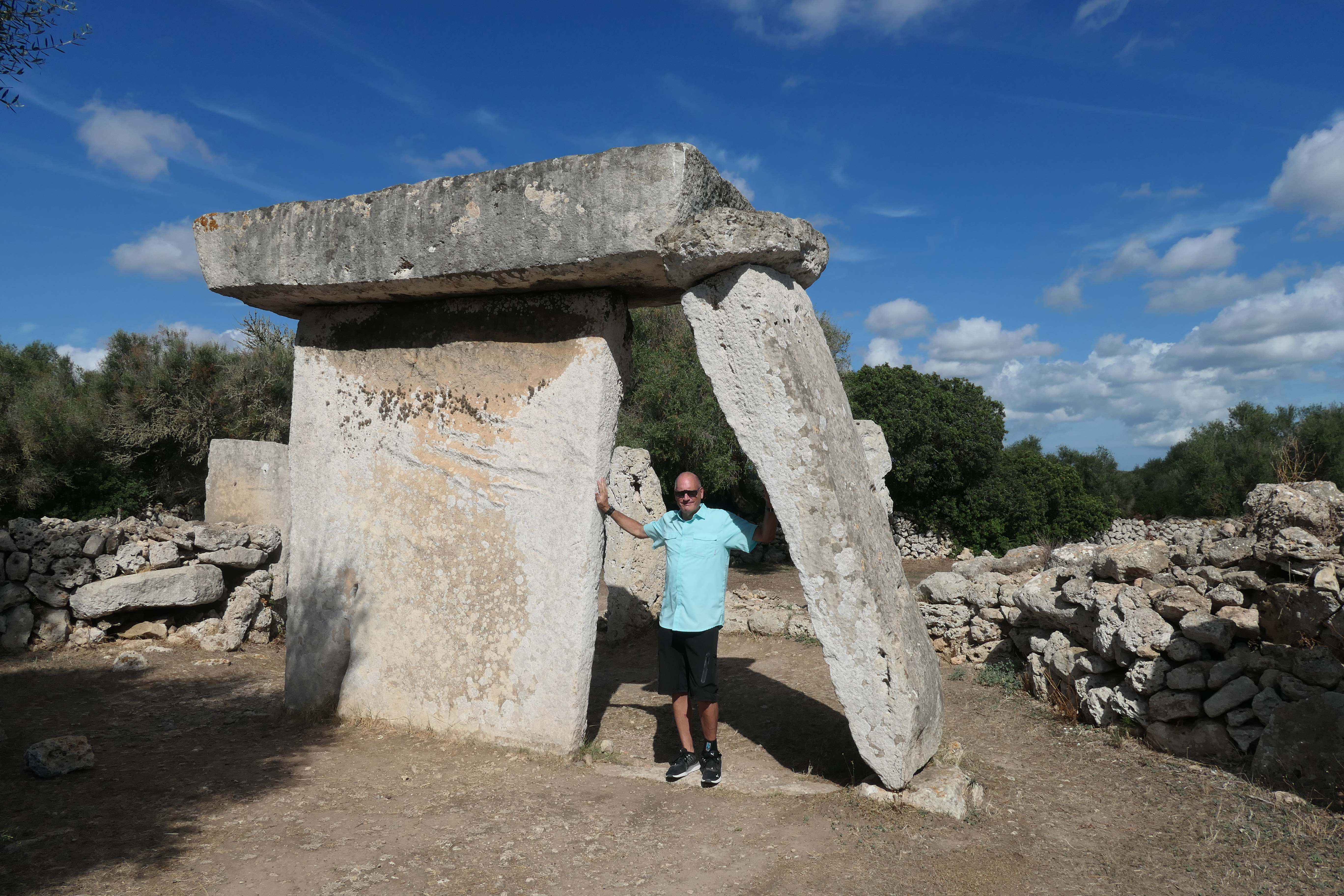
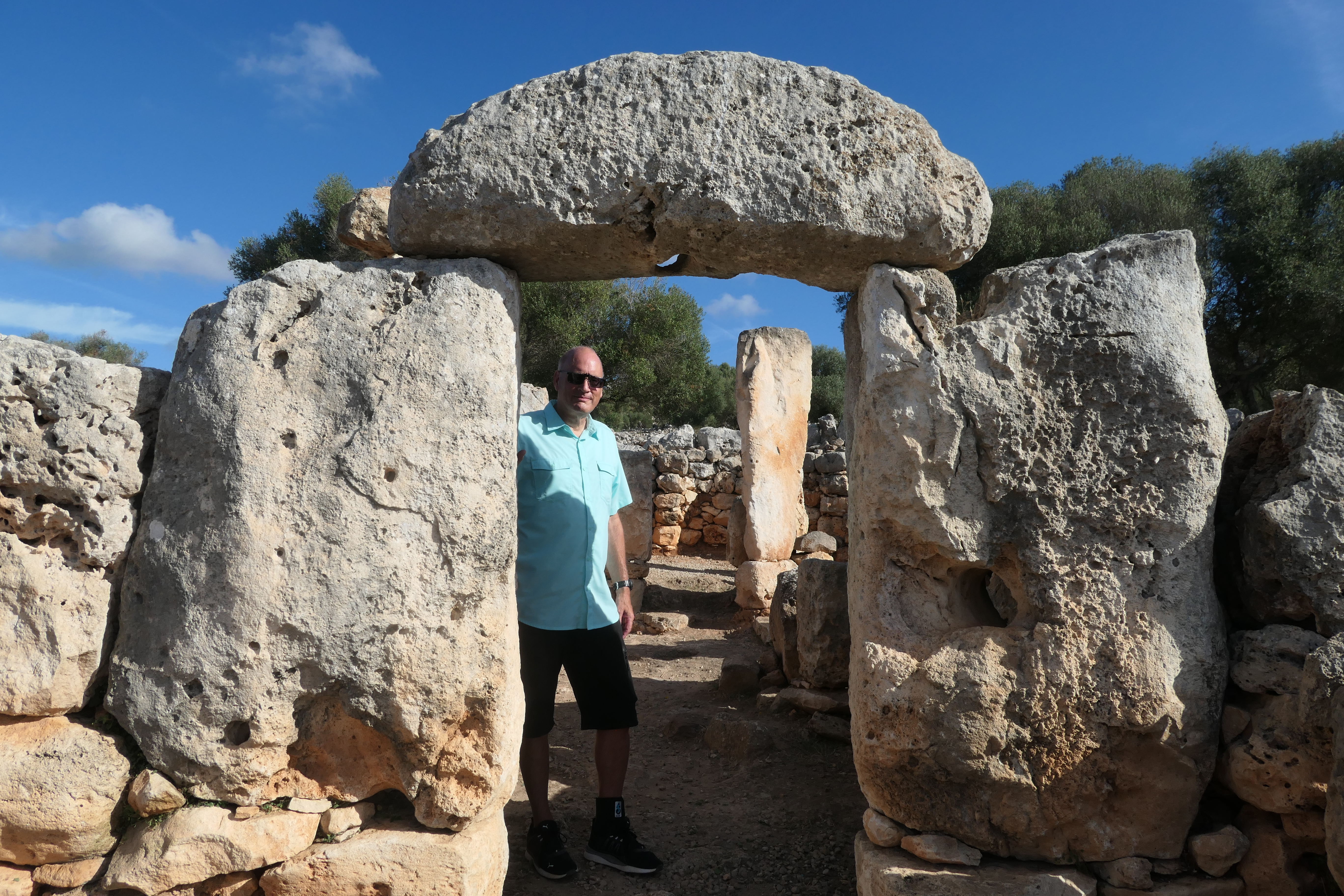
This taula in Trepucó one of the largest on Menorca. Taulas are usually seen as a standing stone combined with a horizontal slab resting on top, forming a large T-shaped monument. Archaeologists suggest these monuments were used to represent Talaiotic deities, occupying central positions in sanctuaries where rituals were performed. Thirty-three taula enclosures are known but only seven retain their vertical taula.

Talatí de Dalt 

This ruin is only 4 km (or about 2 miles) from the city of Mahón (or Maó) on the eastern side of Menorca. It’s about the same age as the other talaiotic ruins on the island, and reached its peak between the 4th and 2nd century B.C.

The taula in Talatí de Dalt. I don’t know if there is an explanation for the diagonal support – perhaps it’s been there since the beginning.
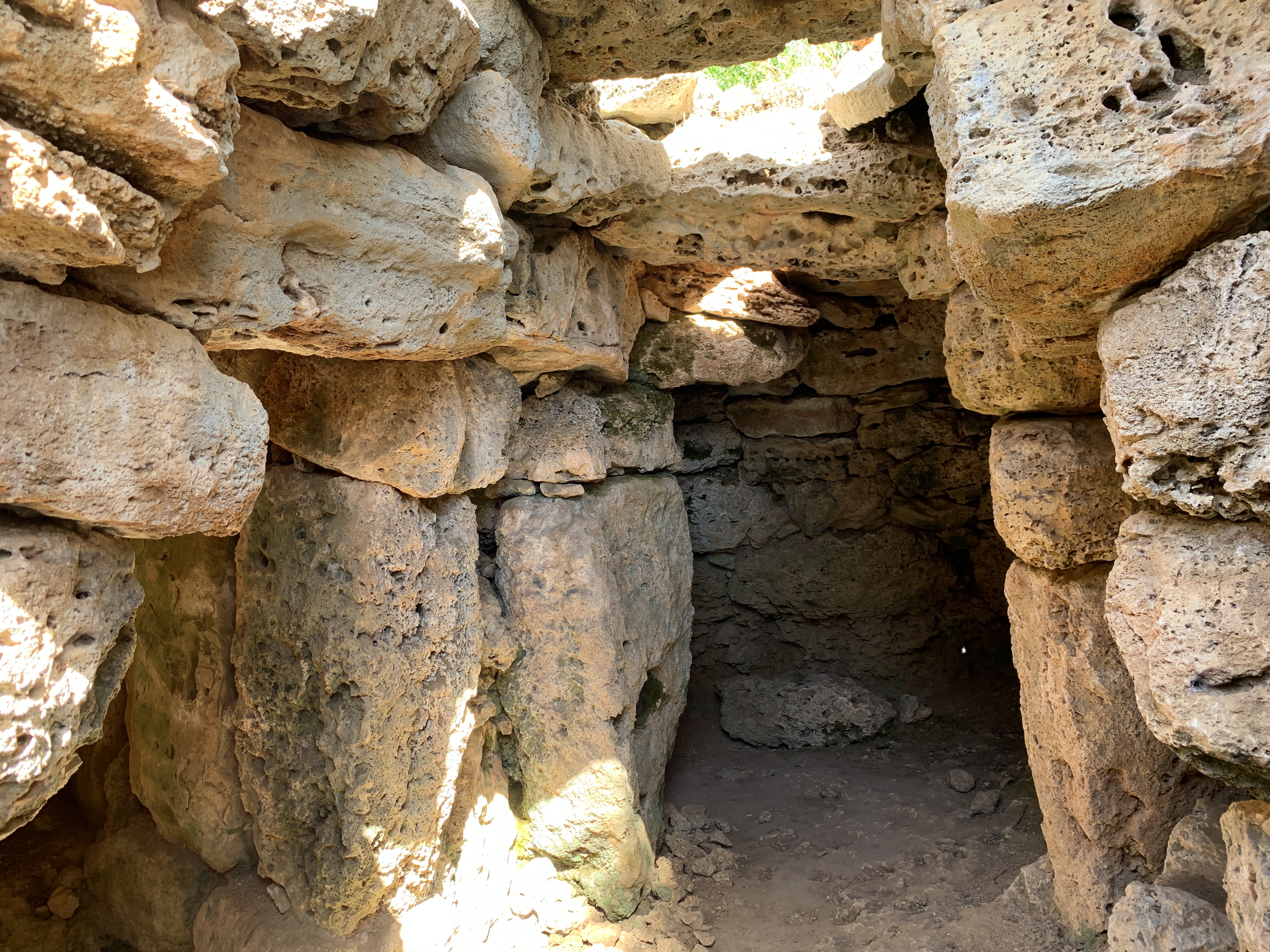
This talayot (or talaiot) at Talatí de Dalt is representative of those found in many of Menorca’s ruins – their function is not completely understood – they may have been watchtowers, meeting places, or related to other ceremonial events.

Torre d’en Galmés

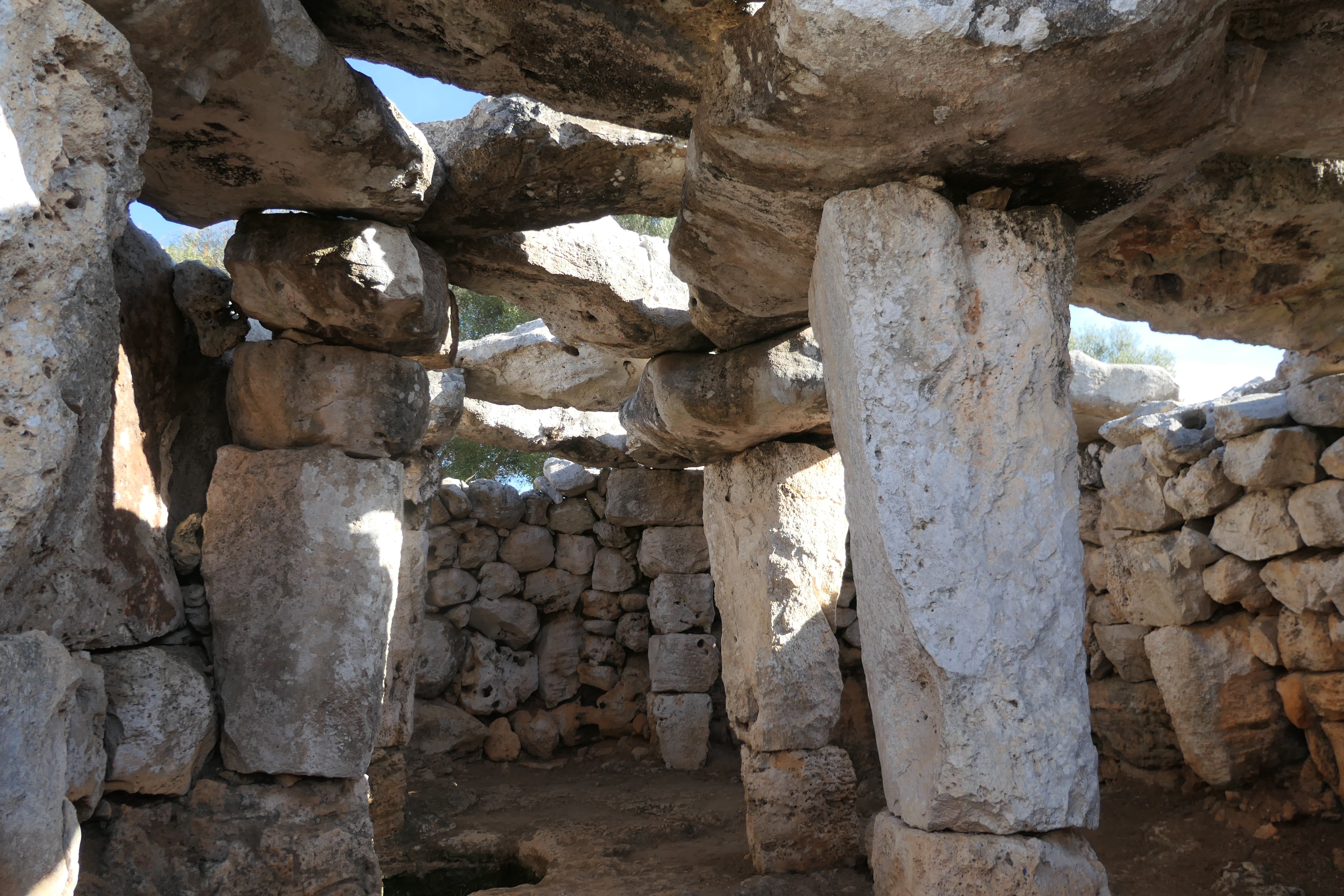
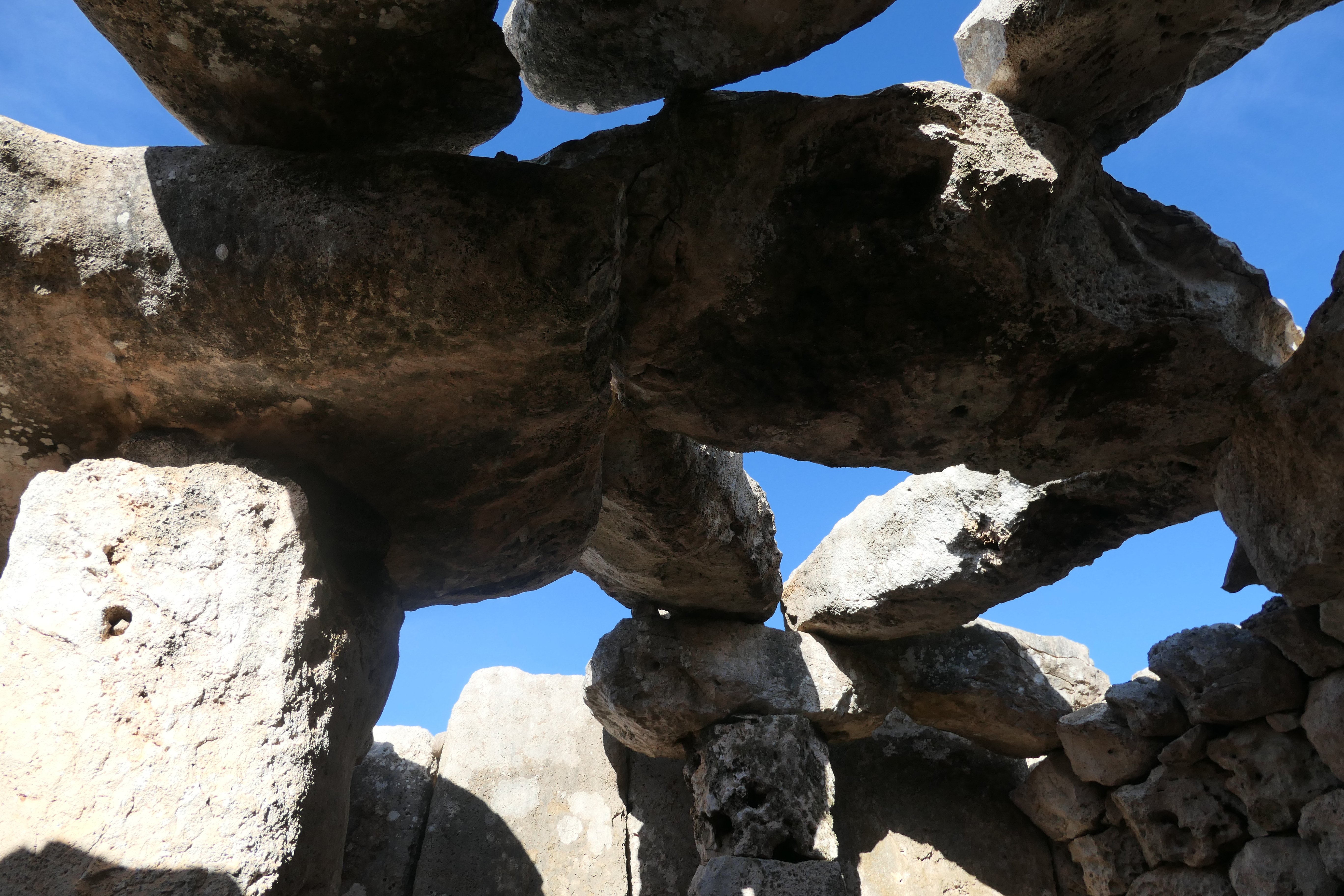
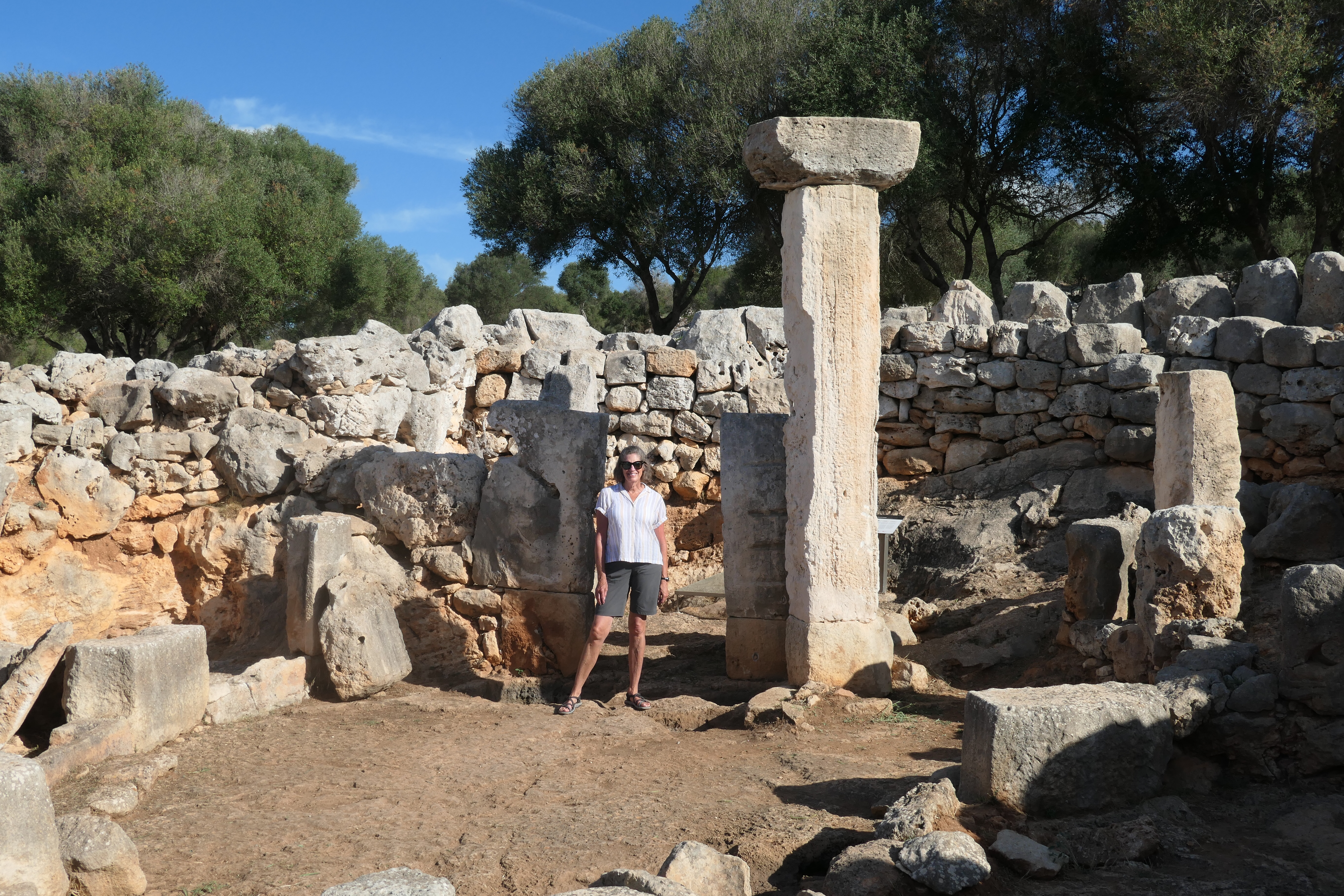
Torre d’en Galmés was probably my favorite of the Talayotic prehistoric sites we visited, due to its immense size and location. Lots of ruins to explore here. It is located in south-central Menorca, not far from Son Bou beach. It is believed that Torre d’en Galmés was a principal site and had oversight of many of the other settlements.

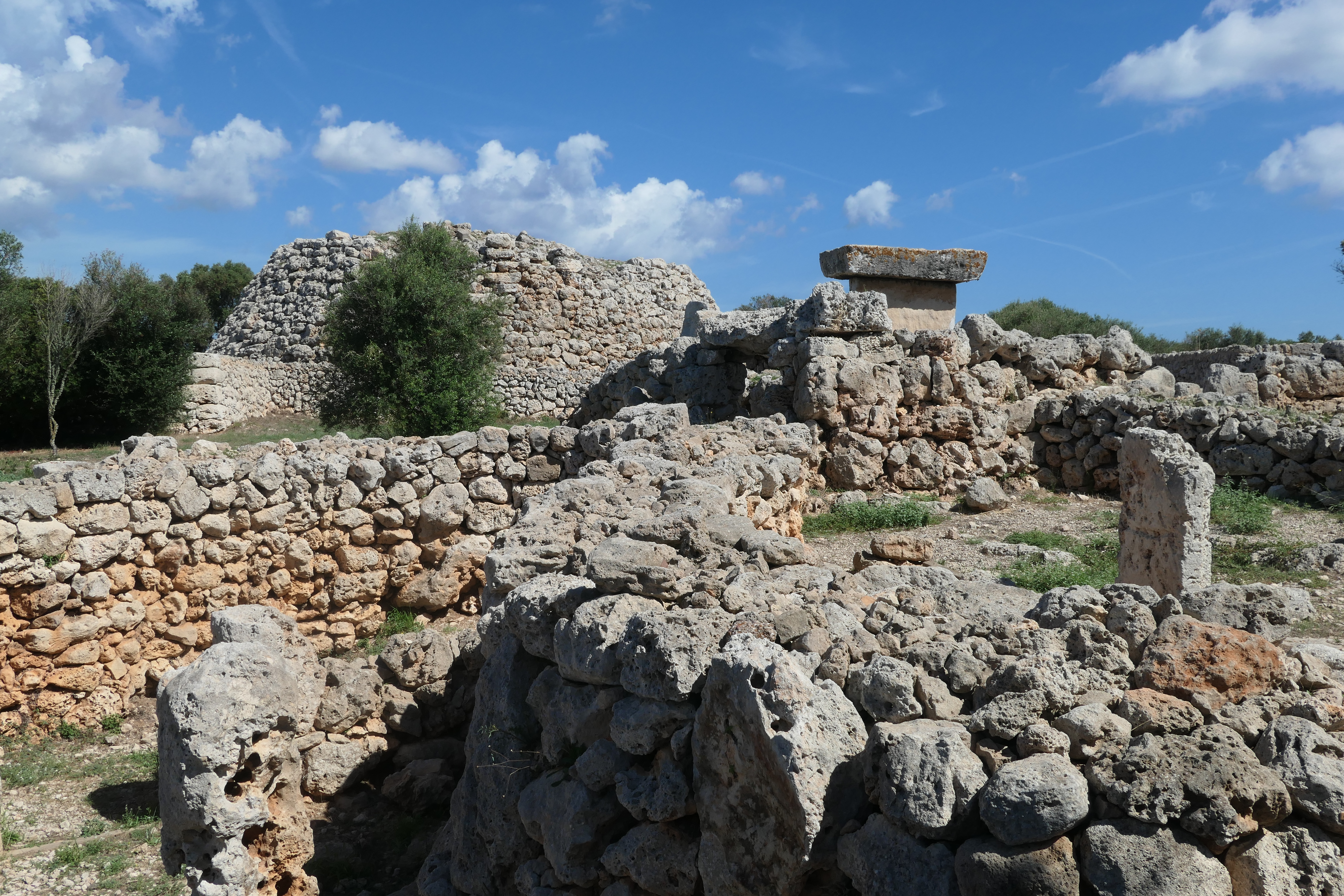
Torre d’en Galmés. Note the taula on the left, one of several in Torre d’en Galmés.

If you get a chance and can tear yourself away from the beach for a day, don’t miss Torre d’en Galmés, or any of the other Talayotic sites on Menorca – they are the premier prehistoric ruins in the Balearic Islands, if not the entire Mediterranean Sea.