Picturesque Sights along the Lot River in South Central France

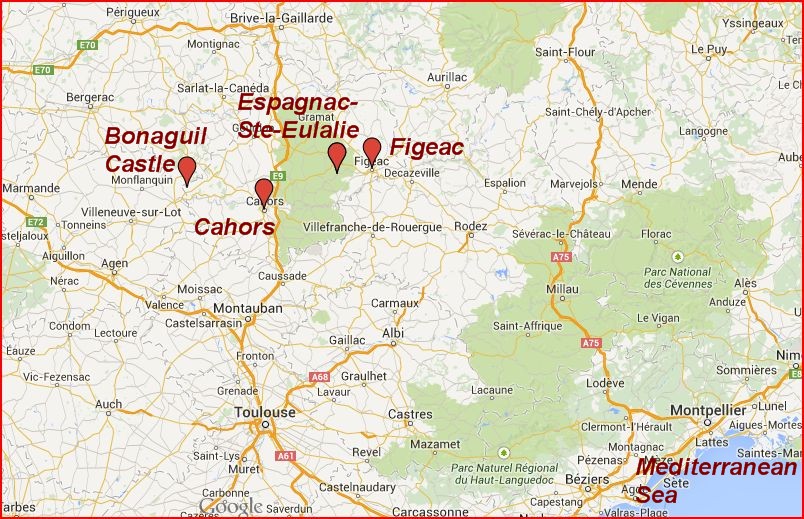
The Lot River region of France is filled with many beautiful sights –natural scenery, attractive villages and historical sights. The sights below are south of the beautiful town of Sarlat-la-Caneda and north of the city of Toulouse.

The sights in this post are in a small area just north of Toulouse, France.

The sights in this post are in a small area just north of Toulouse, France.

Bonaguil Castle

Bonaguil Castle is 60 km (37 miles) to the west of Cahors. It was one of the last defensive medieval castles built. Although it was originally constructed in the 1300’s, it was extensively rebuilt at the end of the 15th century.

A view of Bonaguil Castle from the village.

A view of Bonaguil Castle from the village.

A view of the entrance to Bonaguil Castle.

A view of the entrance to Bonaguil Castle.

The moat around Bonaguil Castle.

The moat around Bonaguil Castle.

The castle sits in a very picturesque spot on a hillside overlooking a tiny village. Underneath the front edge (closest to the town) of the castle are some interesting tunnels. Be sure to explore them.

Looking down from the castle ramparts.

Looking down from the castle ramparts.

Puy –l’Evêque

Just a scenic little village on the Lot River, near Bonaguil Castle. Worth a short stop to wander the charming streets.

One of the many quaint streets in Puy l'Eveque.

One of the many quaint streets in Puy l’Eveque.

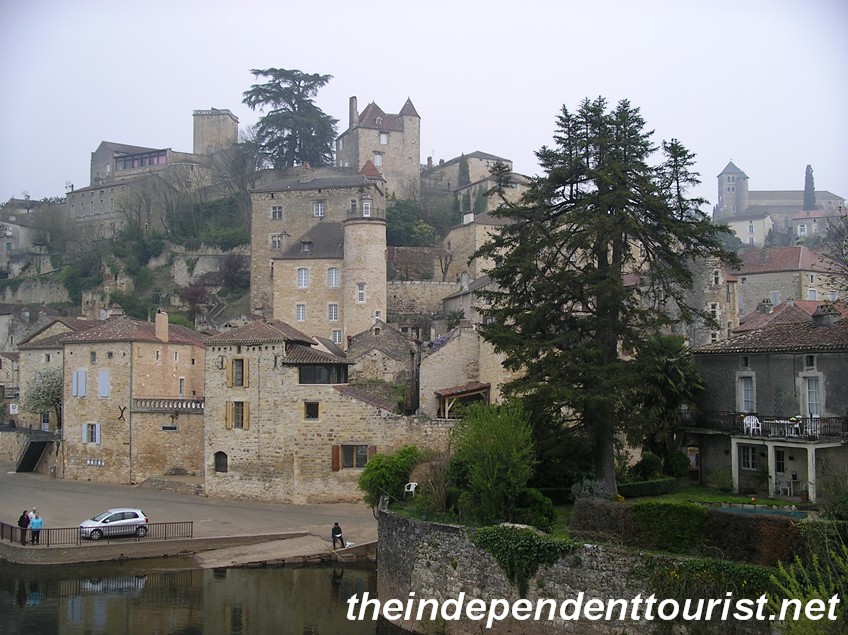
A view of the town from the Lot River.

A view of the town from the Lot River.

Cahors

Cahors is a 2,000 year-old town. Its famous fortified medieval bridge (Pont Valentre) over the River Lot is one of the most photographed monuments in all of France. It has 7 pointed arches spanning the river and three towers.

The medieval bridge crossing the Lot River in Cahors.

The medieval bridge crossing the Lot River in Cahors.

Another view of the bridge (Pont Valentre) in Cahors.

Another view of the bridge (Pont Valentre) in Cahors.

It was built between 1308 and 1360.There is also a great cathedral here, the Cathédrale de St-Etienne.

Figeac

Another picturesque town along the Lot River, with number of small hotels, making this town a good base for exploring the area.

A view of the town of Figeac.

A view of the town of Figeac.

In the center of Figeac.

In the center of Figeac.

Just outside of town are a number of picturesque villages, including Espagnac-Ste-Eulalie (see below).

A village outside of Figeac.

A village outside of Figeac.

An old mill outside Figeac.

An old mill outside Figeac.

Espagnac-Ste-Eulalie

This is a tiny village with a beautiful 12th century Priory of Notre-Dame-Ste-Eulalie and an elaborate bell tower.

The beautiful hamlet of Espagnac-Ste-Eulalie.

The beautiful hamlet of Espagnac-Ste-Eulalie.

Ten Tips for Visiting India on Your Own

We toured India in March 2014. While I had visited the country once before on business, we decided to explore more of this fascinating country as tourists.

Why go?

Before our trip, I had several people ask me “why are you going to India (for vacation)?” In response, I would say the following: We love to experience the variation that exists in our world. To us, vacations are not just about lying on the beach (which certainly we enjoy), but also about getting to experience cultures that are different from our own.
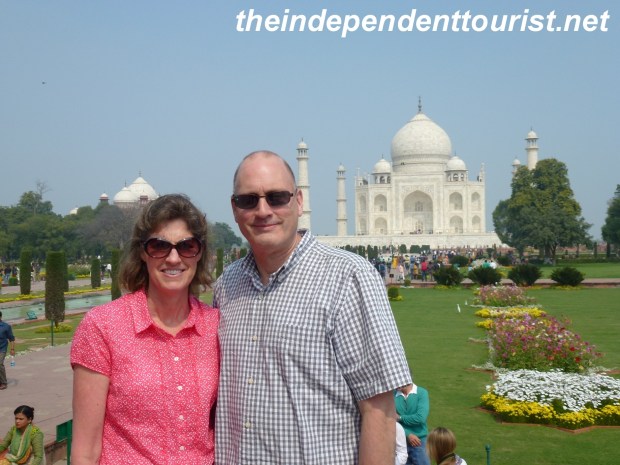
The Taj Mahal is only one of many incredible sights in India.

The Taj Mahal is only one of many incredible sights in India.

India is an amazing country with some of the most stunning sights in the world. Add to that the cultural and religious diversity, the history, and the landscape, and for us those were enough reasons to go. We were not disappointed.

I will say that India is a bit more of a challenging country to visit on your own than some other places. Below are a few tips that should help make your visit enjoyable.

Decide on a region to visit. There is a reason they call India the “subcontinent” – it’s big. While it’s possible to fly between major destinations all over the country, this eats up time and money and takes away from some of the cultural aspects gained while traveling through the countryside. We decided to concentrate mostly on the state of Rajasthan. It’s the most popular tourist region in India, and we figured it would be a good introduction to the country.

Our major destinations in India. We drove between the locations in the north, and then flew from Jodhpur to Mumbai and Aurangabad.

Our major destinations in India. We drove between the locations in the north, and then flew from Jodhpur to Mumbai and Aurangabad.

We flew in to New Delhi and out of Mumbai with Rajasthan being the main focus in between. Rajasthan (which is in the northwest part of the country) has a lot to offer and is home to many incredible 15th century forts (or Indian castles).

The amazing Amber Fort in Jaipur. It looked so surreal, like a movie set prop rather than a real palace.

The amazing Amber Fort in Jaipur. It looked so surreal, like a movie set prop rather than a real palace.

Determine your mode(s) of transportation. Traveling by train or bus certainly would be inexpensive, but there are a lot of hassles associated with train travel in particular – such as needing advance reservations (due to the volume of passengers traveling by train), navigating the details of the Indian train system website from the U.S., and then the logistics of getting from the train station to your hotel and to the various sights. Air travel is good in India. The local airlines and airports are efficient and good, with newer planes and on-schedule departures and arrivals. We took a few internal flights when needed.

The modern airport in Aurangabad.

The modern airport in Aurangabad.

Recommendation: Get a car and driver. Originally, I was going to hire a car and driver to get us from one location to the next, and then get another car and driver at the next stop. However, as it worked out, after a conversation with the company who drove us to Agra from New Delhi, we gave them our whole itinerary for the two weeks in Rajasthan and agreed on a price of $700, inclusive of the driver, comfortable van (there were four of us plus our luggage), gas, tolls, parking fees, etc. Quite a deal.

Our van and driver (Bhuipnder) for our two weeks in Rajasthan.

Our van and driver (Bhuipnder) for our two weeks in Rajasthan.

This meant we had our own personal chauffeur to navigate the Indian traffic and roads (quite an experience), take us to all the sights, recommend restaurants, etc. Visit www.kumarindiatours.com for more information. Splitting this cost by two couples meant our transportation for two weeks and about 1,600 kilometers or so (1,000 miles) was $350. We gave the driver about a 10% tip at the end of the trip.

Visit between November and March. We went at the end of March, and the weather was perfect. Even out in the Thar desert, the temperatures were just in the mid 80’s F. If you go later than this, you will end up being scorched in the desert or sweating in the oppressive humidity. The monsoon rains start in July or so.

Brace yourself for overwhelming poverty, chaos and crowds. The juxtaposition of incredible wealth next to destitute poverty is jarring. Although the economy of India is growing quite rapidly, there are millions of people living on next to nothing. Many towns look like they have been ‘bombed out’. There is rubble everywhere and numerous dilapidated or unfinished buildings. Some roads end all-of-a-sudden with no explanation/signage. You will see pigs going through piles of trash, cows, rickshaws, elephants, camels, and everything else you can imagine on or beside the roads.

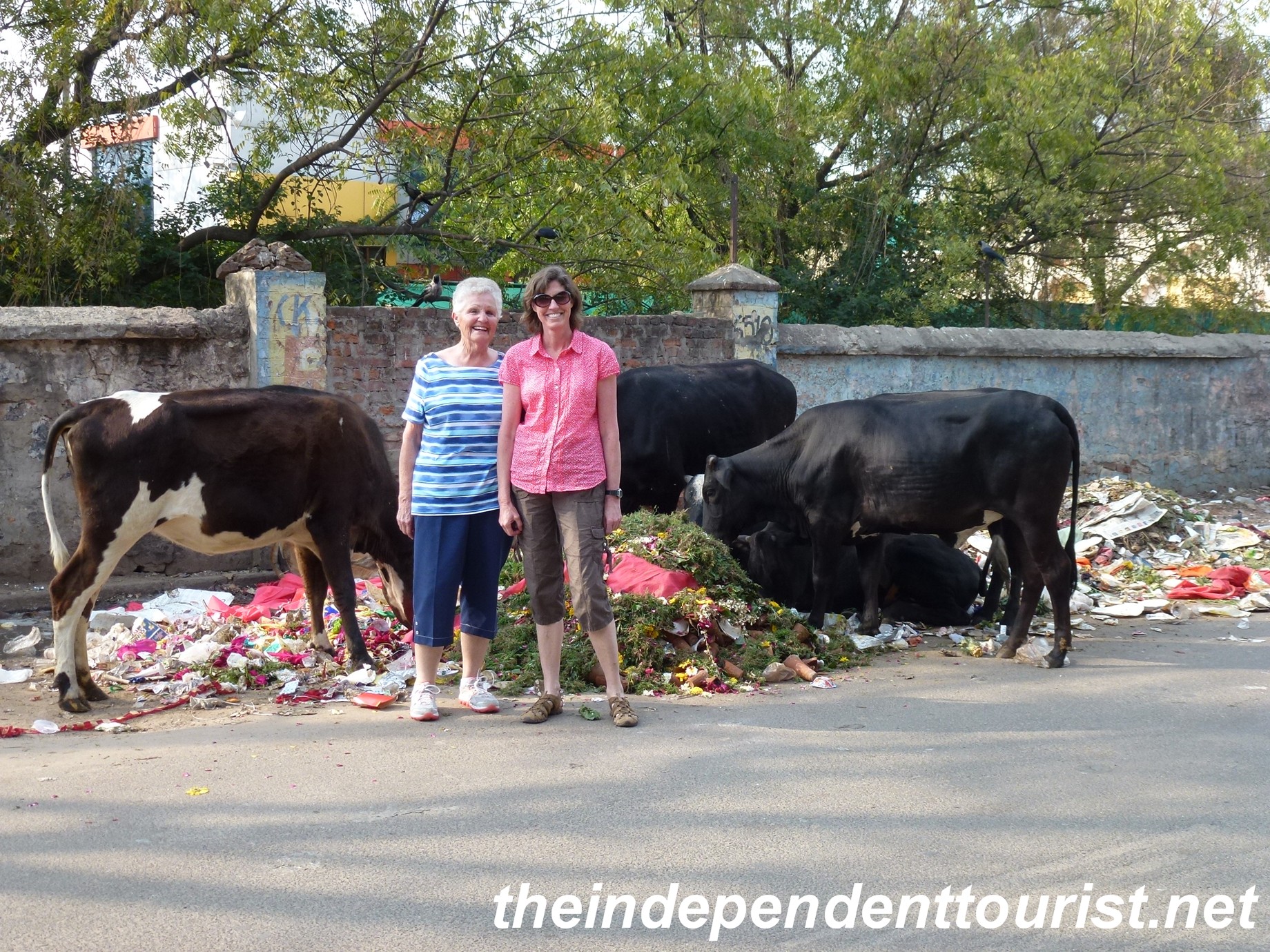
Cows grazing on the street in Jaipur.

Cows grazing on the street in Jaipur.

Taking a rickshaw ride through the busy Chandni Chowk area of Delhi.

Taking a rickshaw ride through the busy Chandni Chowk area of Delhi.

The crowds I’m talking about are the locals. India has over one billion people and in the major cities the streets are teeming with seas of local folks buying, selling, wandering, eating, washing, urinating, sleeping and just living.

Women bathing and washing by Lake Pichola in Udaipur.

Women bathing and washing by Lake Pichola in Udaipur.

Learn to like (if you don’t already) Indian food. The Indian dishes (which we already loved) were great and there were typically two cuisine choices on the menus: Indian and Chinese. The Chinese dishes were good too. You might occasionally find pizza. Due to the variety of religions in India, you won’t find a lot of beef or pork.

Some examples of the yummy food - combinations of Indian and Chinese dishes are common.

Some examples of the yummy food – combinations of Indian and Chinese dishes are common.

Vegetarian dishes were very common and good. We did not have a problem with any food-related illnesses. Grocery stores are hard to come by, most locals buy their supplies from small markets. You can find little kiosks for snacks and drinks, but don’t expect to see a Safeway grocery store or Carrefour.

Dress conservatively but comfortably. The temperatures of our locations were in the 70’s and 80’s, I wore shorts most places, but in a few temples, long pants were appropriate. For women, capris and shoulder-covering tops are a good choice. Avoid calling too much attention to yourself.

The stunning Jain temple of Ranakpur was one of the sites where very conservative clothing is expected.

The stunning Jain temple of Ranakpur was one of the sites where very conservative clothing is expected.

Even tourist areas are non-touristy. Probably one of our biggest surprises was that even in cities with major tourist sites, the cities beyond the tourist attractions were just regular chaotic Indian towns.
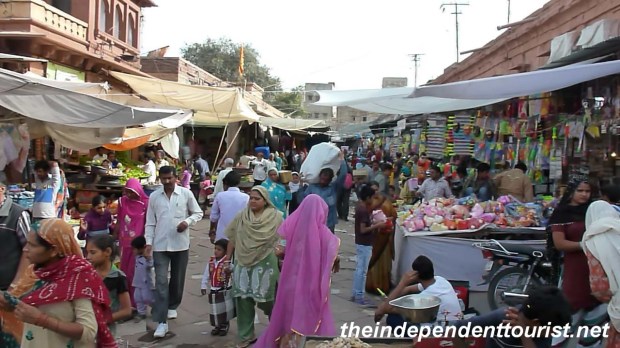
The local market in Jodhpur.

The local market in Jodhpur.

While locals will want to take you to rug, jewelry and clothing shops, for the most part you’ll be hard pressed to find many “tourist traps” that often accompany major sights. We were surprised that Agra, the home of the world-renowned Taj Mahal, (except near the parking area for the Taj), was pretty much like any other Indian city, even with some dirt roads.

Take reasonable safety precautions. In our three weeks visit, we never felt in danger in any way, and felt very comfortable walking around even crowded streets and markets, including at night. However, be smart—don’t wear expensive jewelry, keep your wallet, money and phone protected. Be aware of your surroundings and keep track of your personal items just as you would in any populated area. I took a small laptop and iPad on the trip and when I didn’t have them with me, I just locked them up in my suitcase at the hotel. We did not have any problems.

Tipping is everything to the locals. Be prepared to tip small amounts for just about any type of courtesy or service. This is how many people make their living.

Auschwitz – Birkenau

The main gate to Auschwitz-Birkenau. The trains full of Jews and others from across Europe would stop either outside this gate or pass through to unload their unfortunate passengers.

The main gate to Auschwitz-Birkenau. The trains full of Jews and others from across Europe would stop either outside this gate or pass through to unload their unfortunate passengers.

In my previous post, I shared some photos and thoughts about Auschwitz I, the well-known “original” Auschwitz concentration camp. Auschwitz II (or Auschwitz-Birkenau) is located just 3 kilometers from Auschwitz I and was designed more specifically as a death factory and for some, a slave labor camp. More than 1.1 million people passed through here, about 700,000 of which were immediately sent to the gas chambers. When the Soviet Army liberated the camp in January 1945, only 7,000 inmates were left alive.

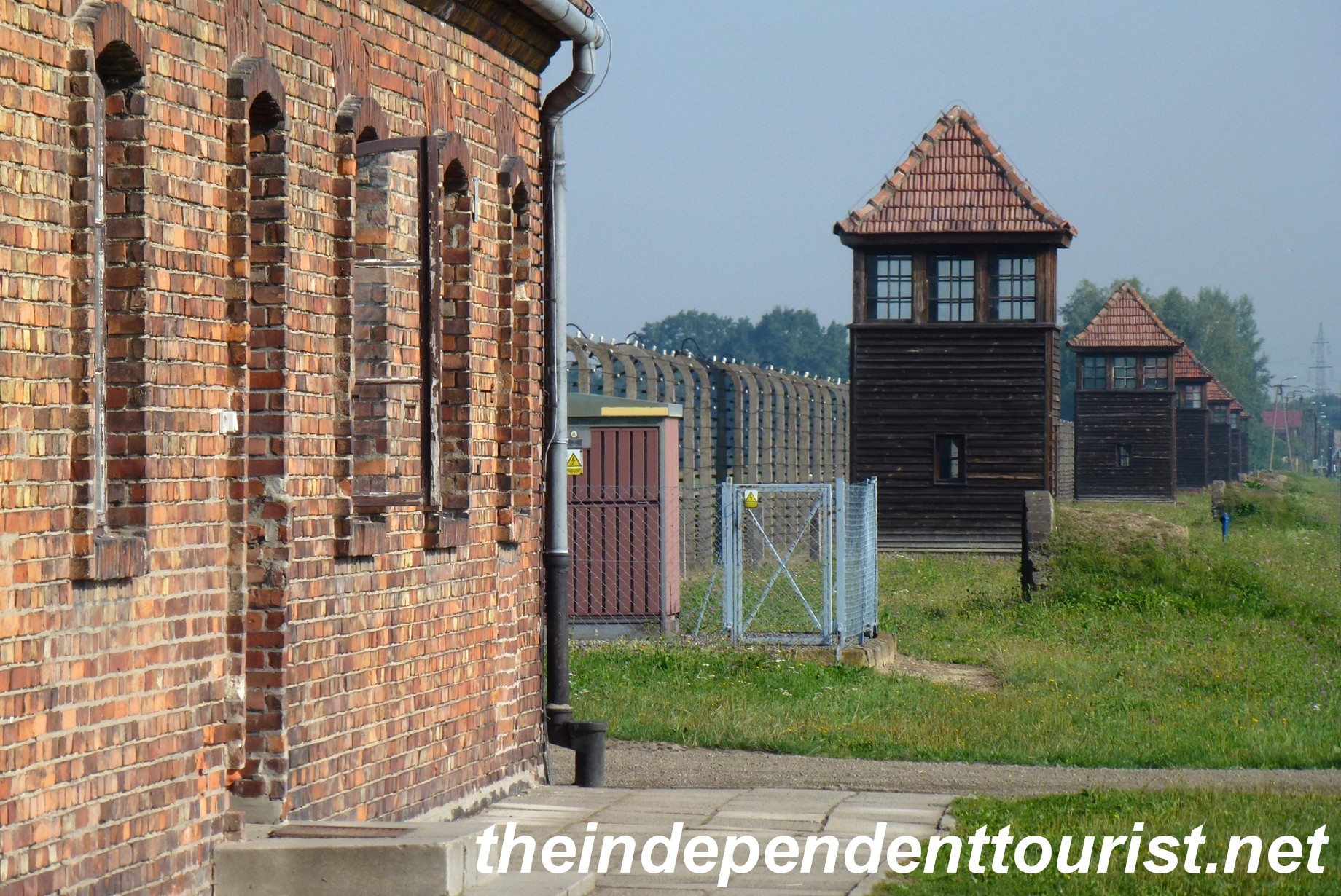
Guard towers along the 12 kilometers of fence at the camp.

Guard towers along the 12 kilometers of fence at the camp.

The camp could hold about 100,000 people at any given time. Below I provide some images in more or less the order of the process of events that happened to those who suffered this terrible fate.

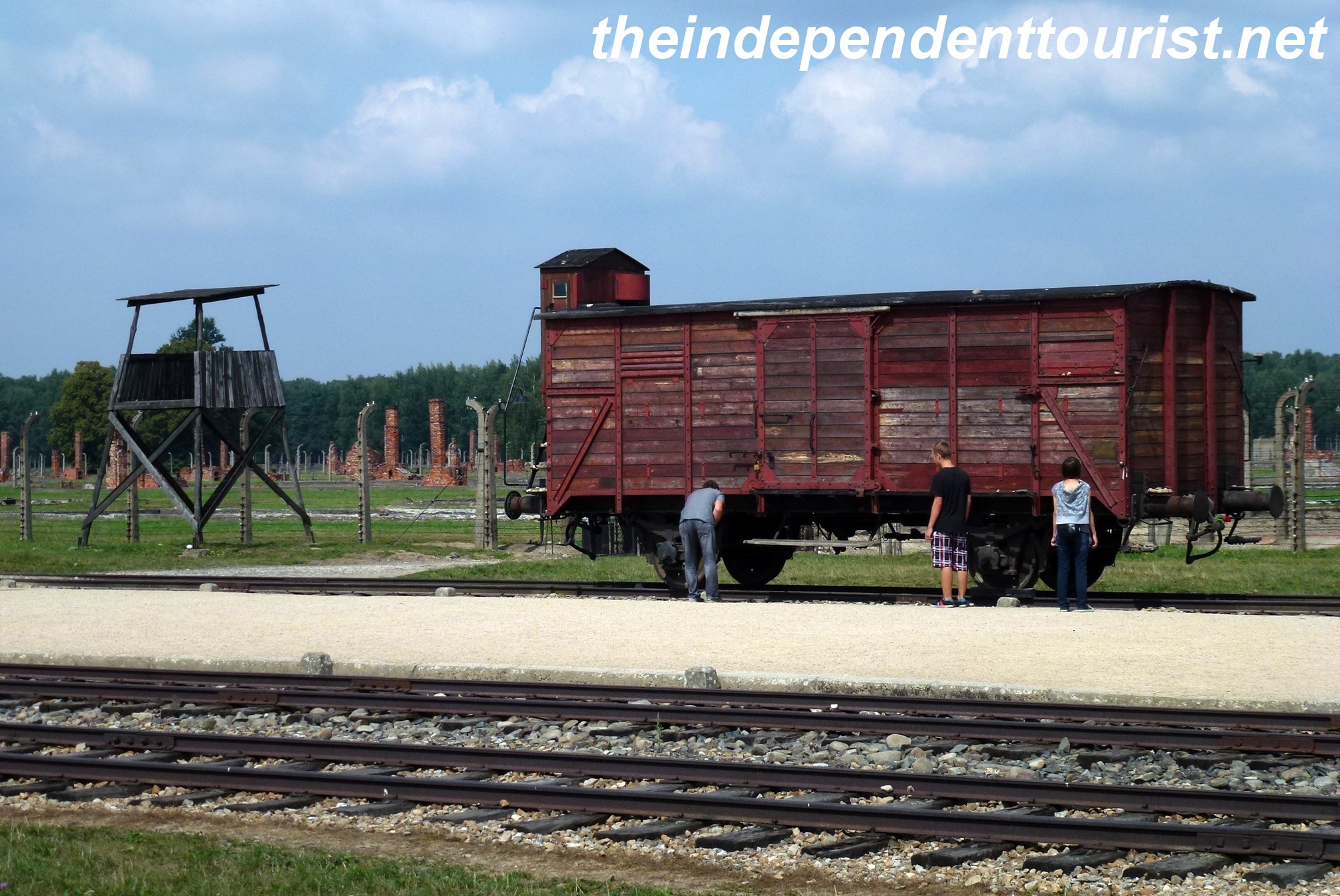
An example of a freight car that would bring the prisoners to the camp. The prisoners would unload at this spot after long and cramped journey, and after a quick examination, most would be herded to the gas chambers.

An example of a freight car that would bring the prisoners to the camp. The prisoners would unload at this spot after long and cramped journey, and after a quick examination, most would be herded to the gas chambers.

The road from the train unloading area to the gas chambers and crematoria where hundreds of thousands walked to their deaths.

The road from the train unloading area to the gas chambers and crematoria where hundreds of thousands walked to their deaths.

After walking the long road, the victims would wait in these peaceful woods for their turn in the gas chambers.

After walking the long road, the victims would wait in these peaceful woods for their turn in the gas chambers.

A photo of the victims waiting patiently in the woods for the end.

A photo of the victims waiting patiently in the woods for the end.

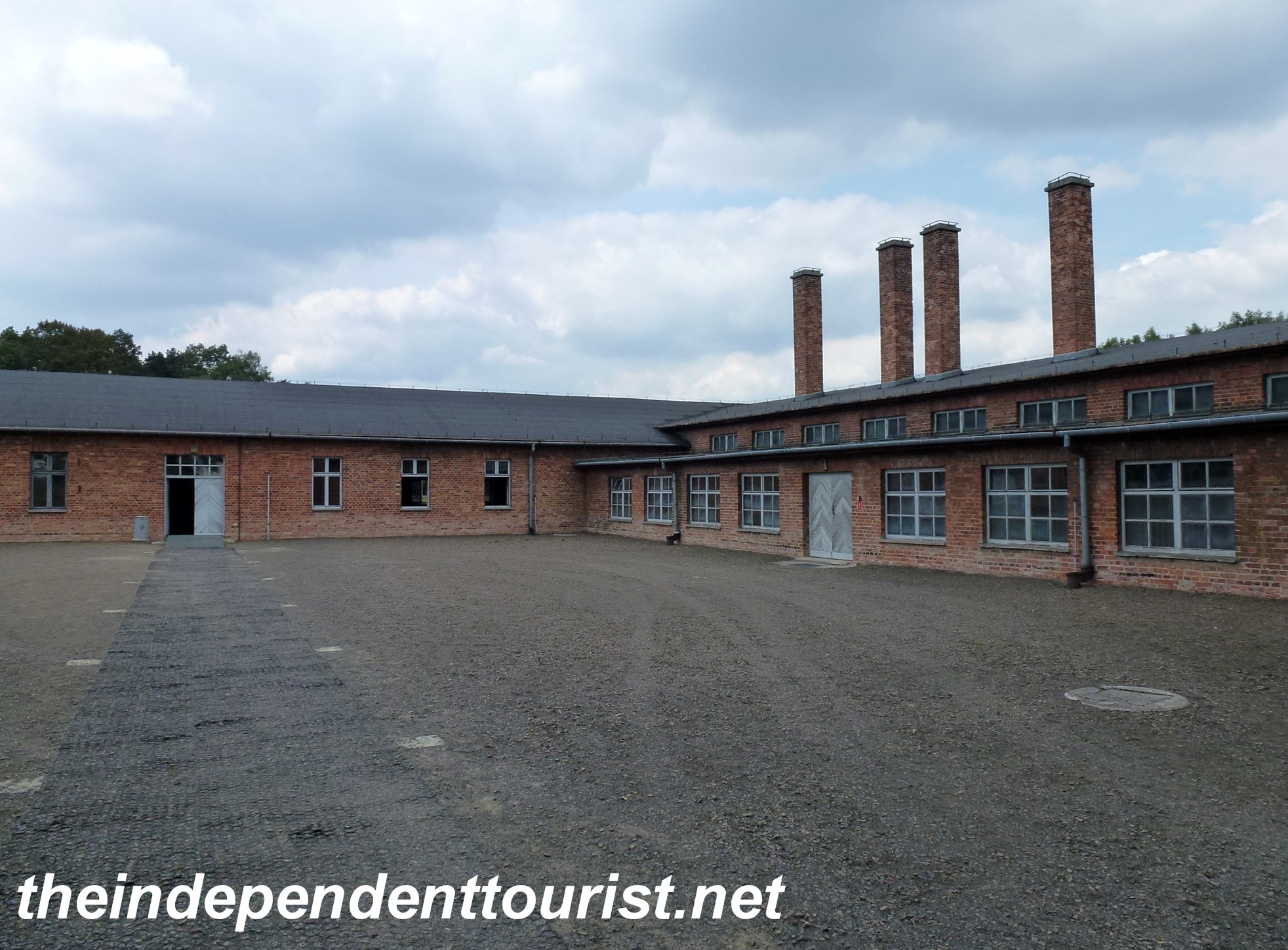
A picture of the crematoria where the bodies would be burned after gassing.
A picture of the crematoria where the bodies would be burned after gassing.

The ruins of Crematoria II. The building was blown up by the Nazis to try to cover up its purpose.

The ruins of Crematoria II. The building was blown up by the Nazis to try to cover up its purpose.

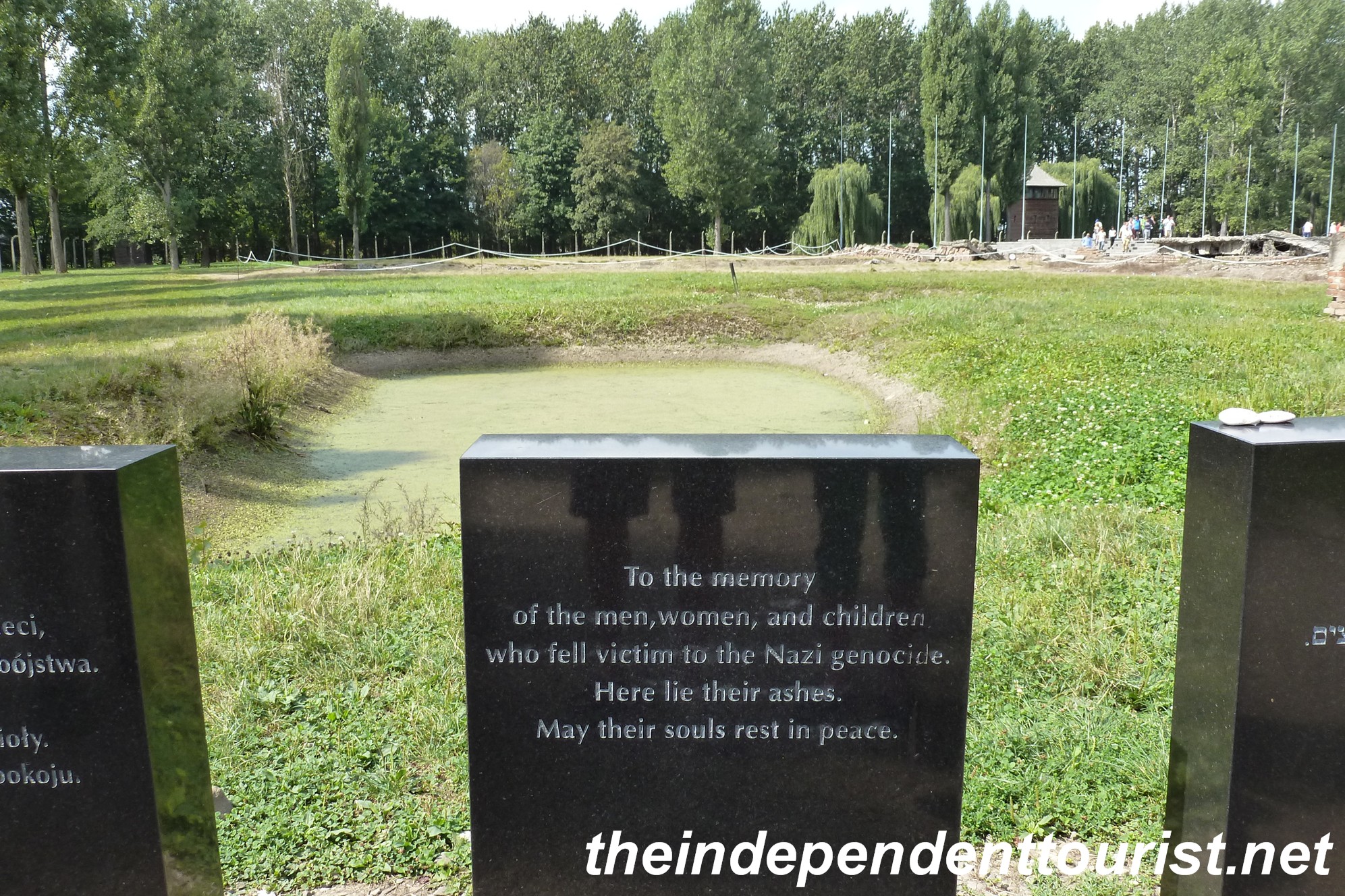
A plaque noting the pond in the background, where the ashes of thousands were dumped from the crematoria.

A plaque noting the pond in the background, where the ashes of thousands were dumped from the crematoria.

If you were "fortunate" enough to be selected for slave labor, you were processed through this building where you were stripped, shaved, tattooed, showered and given your prison uniform. All of your remaining  possessions were taken away.

If you were “fortunate” enough to be selected for slave labor, you were processed through this building where you were stripped, shaved, tattooed, showered and given your prison uniform. All of your remaining possessions were taken away.

Many women were housed in these brick barracks, with 8 prisoners to a "shelf" covered by rotting straw in a swampy area with no actual floor other than hardened dirt.

Many women were housed in these brick barracks, with 8 prisoners to a “shelf” covered by rotting straw in a swampy area with no actual floor other than hardened dirt.

Most men where housed in these wooden barracks, some of which were horse stables originally.

Most men where housed in these wooden barracks, some of which were horse stables originally.

Inside the wooden barracks. 1,000 men would be housed in a building that previously held 52 horses.

Inside the wooden barracks. 1,000 men would be housed in a building that previously held 52 horses.

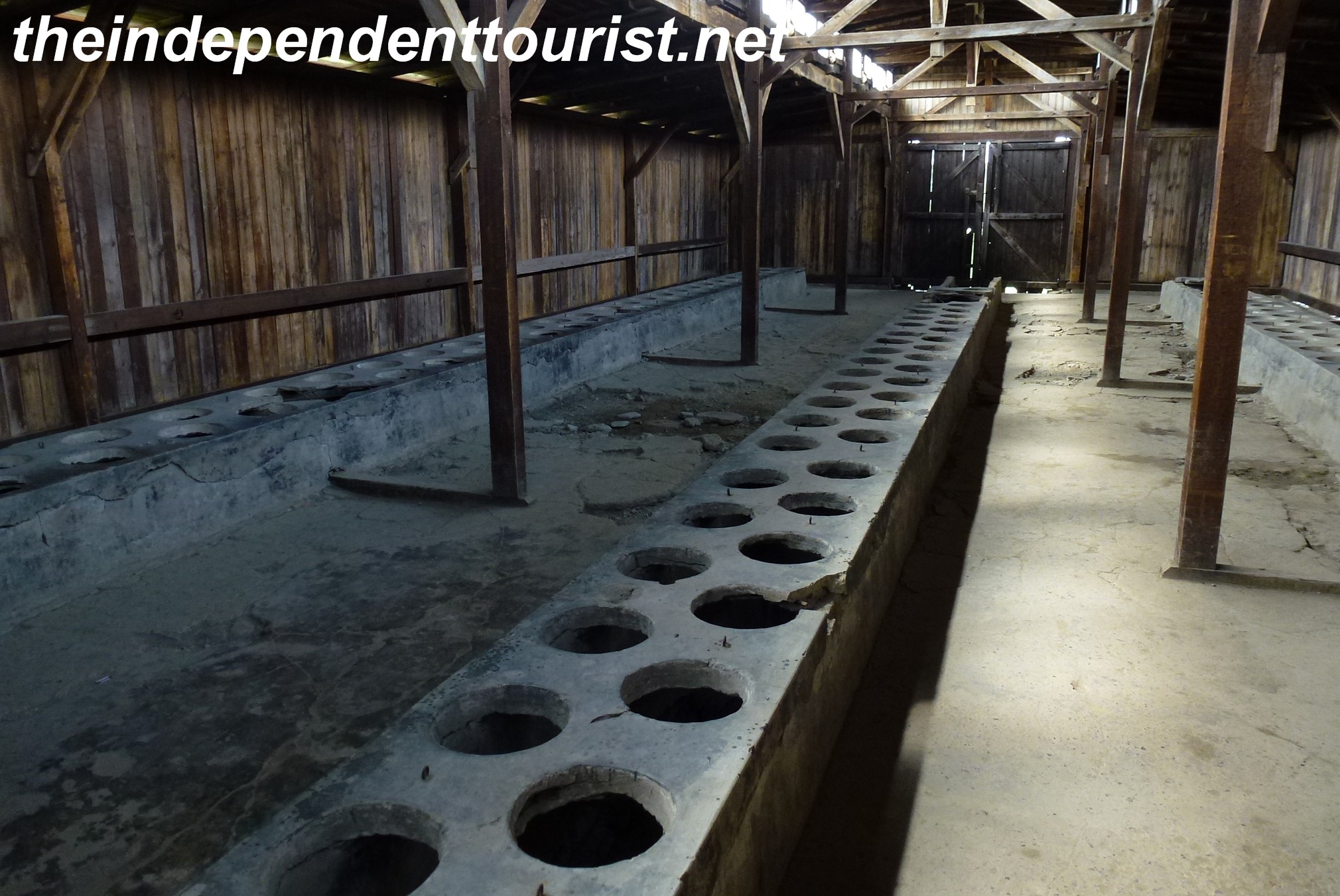
The latrines in the barracks. I can't imagine the horror of the living conditions.

The latrines in the barracks. I can’t imagine the horror of the living conditions.

The literal end of the rail line, between Crematoria II and III. On this spot there is now the International Monument to the Camp Victims.

The literal end of the rail line, between Crematoria II and III. On this spot there is now the International Monument to the Camp Victims.

Practical Information:

I would highly suggest starting your visit at Auschwitz I and then driving over to Auschwitz II to continue your tour (lots of parking available outside the camp). The excellent map and guide book you can purchase at the first camp will provide a good overview and directions at Auschwitz II, which is a huge site (425 acres, 98 buildings with ruins of 300 more–be prepared for a lot of walking). Also, Auschwitz II is very well sign posted (as is Auschwitz I), providing information (and some photos) in English, Hebrew as well as Polish and German.

A Visit to Auschwitz

The main gate with its archway which says "Freedom Through Work" or "Work Makes You Free". New arrival prisoners would pass under this sign and hear a "orchestra" playing. Every day thousands would march out to their slave labor assignments and return carrying their dead fellow prisoners.

The main gate with its archway which says “Freedom Through Work” or “Work Makes You Free”. New arrival prisoners would pass under this sign and hear a “orchestra” playing. Every day thousands would march out to their slave labor assignments and return carrying their dead fellow prisoners.

Auschwitz is one of the most infamous and well known set of Nazi concentration camps from World War II. There are actually two main camps open to tourists, known as Auschwitz I and Auschwitz II (or Auschwitz-Birkenau). This post will focus on Auschwitz I. I will share more about Auschwitz-Birkenau in a separate post.

One of the fence lines at Auschwitz I. The building behind me was where the confiscated belongings of the prisoners were kept, along with the supplies of the poison gas.

One of the fence lines at Auschwitz I. The building behind me was where the confiscated belongings of the prisoners were kept, along with the supplies of the poison gas.

Auschwitz I was originally a Polish Army barracks and was turned into a concentration camp in 1940 on the orders of Heinrich Himmler, after the fall of Poland in 1939. The first prisoners were mainly Polish men who were political prisoners of the Third Reich.

Eventually others were sent here, including Polish women, Jews from all over Europe as well as Soviet prisoners of war. Soviet POW’s came to number about 10,000 starting in 1941 and were sectioned off in the camp to certain blocks (buildings). Within 5 months, 9,000 had died, due to hunger, brutality, exposure to freezing weather or being gassed.

In the center of this area, the SS officer in charge of the roll-call would receive reports of the prisoners present. If anyone was missing, the prisoners would have to stand at attention until the SS were satisfied, regardless of the weather and sometimes for 12 hours or more.

In the center of this area, the SS officer in charge of the roll-call would receive reports of the prisoners present. If anyone was missing, the prisoners would have to stand at attention until the SS were satisfied, regardless of the weather and sometimes for 12 hours or more.

The gallows, where many prisoners were hung as a warning to others. In July 1943, 12 Poles were hung, suspected of helping 3 prisoners escape.

The gallows, where many prisoners were hung as a warning to others. In July 1943, 12 Poles were hung, suspected of helping 3 prisoners escape.

Anne Frank (whose diary as a young girl about life in hiding from the Nazis in Amsterdam has been widely published) was held here but was later transferred to Bergen-Belsen camp where she died. Her father, Otto, somehow survived Auschwitz and returned to Amsterdam after the War. Another famous prisoner was Viktor E. Frankl, who wrote the book Man’s Search for Meaning based on his experiences at Auschwitz.

The crammed barracks. Sometimes 200 people were crowded into rooms mean to house 40 or 50 people.

The crammed barracks. Sometimes 200 people were crowded into rooms mean to house 40 or 50 people.

Lavatories at Auschwitz I.

Lavatories at Auschwitz I.

Some photos of victims at Auschwitz I.

Some photos of victims at Auschwitz I.

All in all, about 400,000 men, women and children were sent to Auschwitz I. At any given time, 13,000 – 16,000 would be housed in the camp. Due to the horrific conditions as well as the outright execution of numerous prisoners, the mortality rate was high, about two-thirds of the prisoners did not survive.

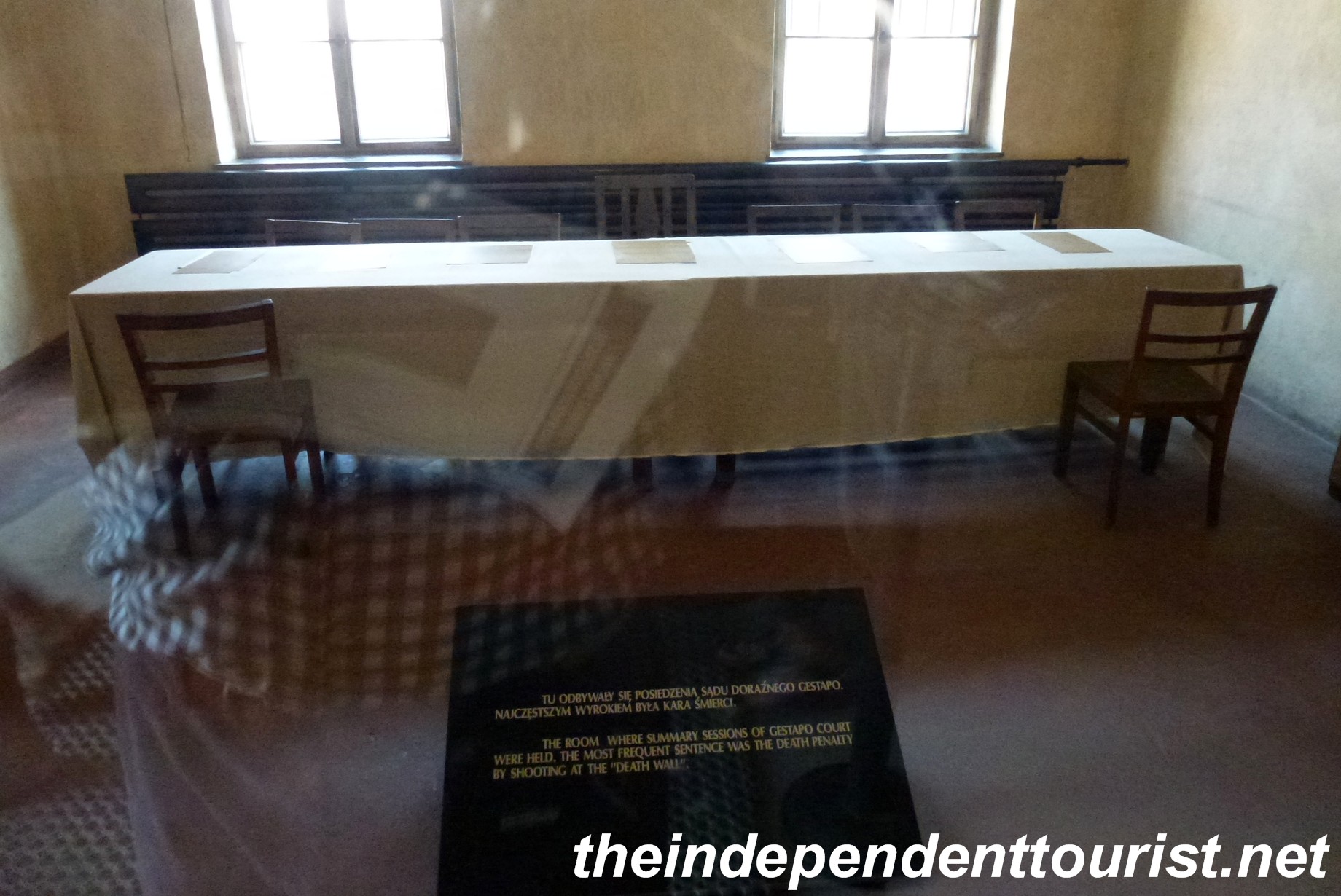
The room where execution decisions were made. (The poor picture quality is due to reflections on the glass in front of the room).

The room where execution decisions were made. (The poor picture quality is due to reflections on the glass in front of the room).

The infamous yard bertween cell Blocks 10 and 11. Block 11 was known as the "death block." Prisoners were tortured and shot here. From 1941 to 1943 several thousand were shot by the SS on this spot. Floggings also took place here and torture, such as being hung from a post by your wrists tied behind you. In the basement of cell Block 11 are a number of torture rooms. We were not allowed to take pictures inside that area.

The infamous yard bertween cell Blocks 10 and 11. Block 11 was known as the “death block.” Prisoners were tortured and shot here. From 1941 to 1943 several thousand were shot by the SS on this spot. Floggings also took place here and torture, such as being hung from a post by your wrists tied behind you. In the basement of cell Block 11 are a number of torture rooms. We were not allowed to take pictures inside that area.

This was the only concentration camp where prisoners were tattooed to aid in identification due to the large number of corpses.

There were 700 attempted escapes, about 400 were recaptured. If a Polish prisoner escaped, his family was rounded up and sent to Auschwitz, and made to stand under a sign indicating why they had been arrested, as a warning to other prisoners.

Initially, the mass killing of Jews was not part of the purpose of Auschwitz; it wasn’t until about 1943 that the Germans started perfecting their gassing techniques and killing Jews by the hundreds of thousands in Auschwitz-Birkenau. However, Auschwitz I was one of the experimental locations for large scale gassing operations.

Originally an ammunition bunker, this room became a gas chamber during the years 1941 – 1943. Thousands were gassed here, some immediately upon their arrival, including Jews, Soviet POW’s and some Polish prisoners as well.  Pellets of Zyklon B were dropped through the ceiling.

Originally an ammunition bunker, this room became a gas chamber during the years 1941 – 1943. Thousands were gassed here, some immediately upon their arrival, including Jews, Soviet POW’s and some Polish prisoners as well. Pellets of Zyklon B were dropped through the ceiling.

The ovens at Auschwitz I, which each could burn 2-3 corpses at a time and up to 350 per day. In July 1943, the burning of corpses stopped as the killing operations were moved to Auschwitz II.

The ovens at Auschwitz I, which each could burn 2-3 corpses at a time and up to 350 per day. In July 1943, the burning of corpses stopped as the killing operations were moved to Auschwitz II.

Practical Information:

Auschwitz (Oświęcim is Polish) is about 67 km (41 miles) southwest of Kraków and can be done as a day trip. We visited on our way into Kraków from Częstochowa. Allow at least four hours to see both camps, which are about 3 km (2 miles) from each other. Get your tickets and guide maps (essential) at Auschwitz I which is right next to the town. Auschwitz-Birkenau (also called Auschwitz II) is a much larger site, slightly farther out of town. Tours are available, but we felt the guidebooks did a great job explaining the history and operations of the camps. Also note if you get to Auschwitz I after 10 am (as I recall) you’ll be required to take a tour and won’t be able to walk around on your own. In Auschwitz I, many of the barrack buildings house different exhibits on life in the camp, the history of the holocaust, and experiences of different cultures and countries during the War.

Be forewarned: A visit here is gut-wrenching and depressing. However, the exhibits and information are well organized and almost overwhelming. Understanding this dark period of the world’s history is important so that we will never allow something like this to happen again.

References: Site plaques and brochures from Auschwitz. For an excellent review of the history of Auschwitz, read Auschwitz: A New History by Laurence Rees.


Patarei Prison – One of the Strangest Tourist Sites I’ve Visited

The entrance sign to the prison.

The entrance sign to the prison.

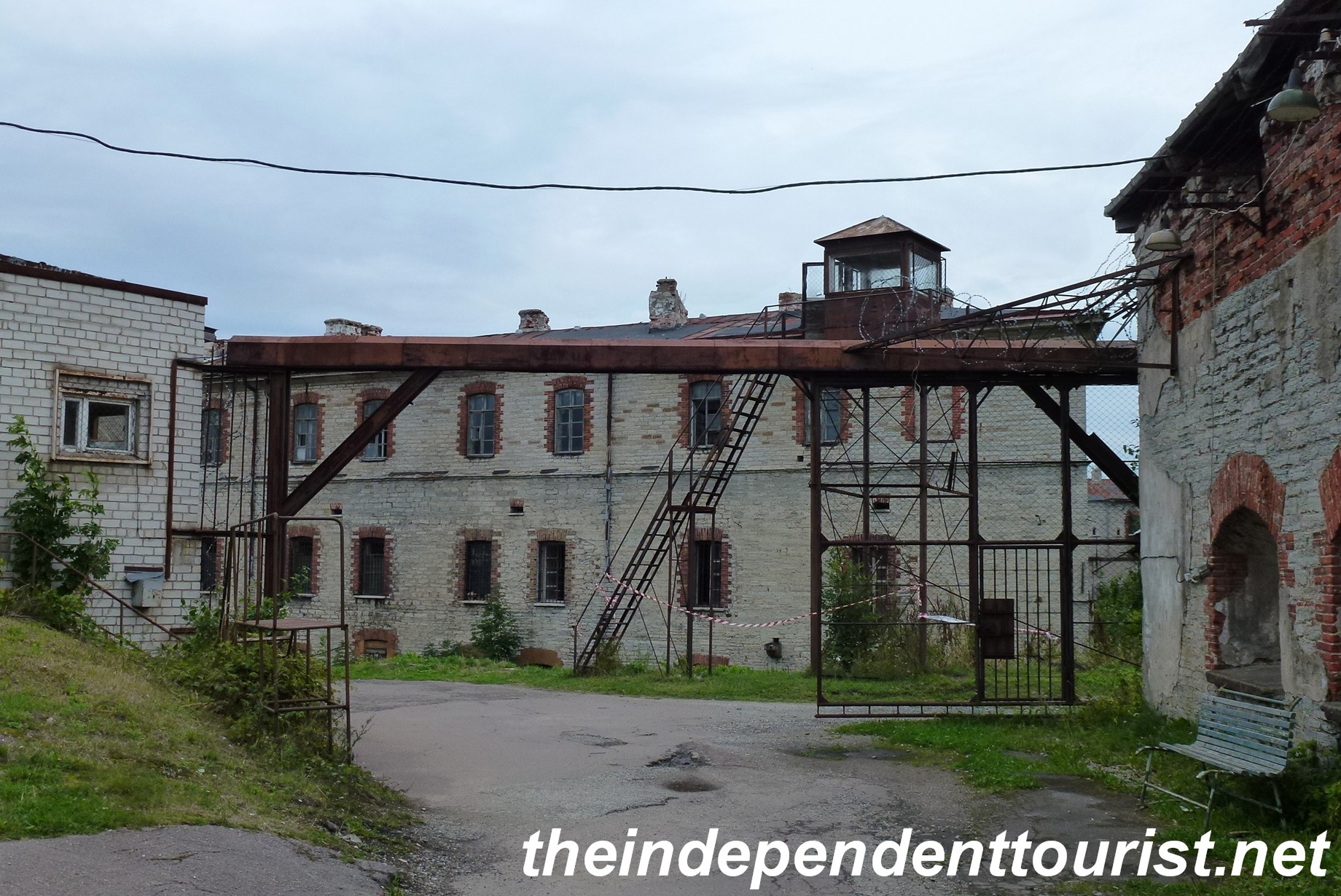
Just a 15-20 minute walk from the Old Town of Tallinn, Estonia is Patarei Prison, which was in use from 1920 to 2002. After paying a small entrance fee (about 3 euros), you can wander the dark (and I mean dark) hallways, decrepit cells, infirmary, library, offices, execution rooms and other areas.

My wife and son near the entrance to Patarei Prison.

My wife and son near the entrance to Patarei Prison.

Another view of the prison grounds and buildings.

Another view of the prison grounds and buildings.

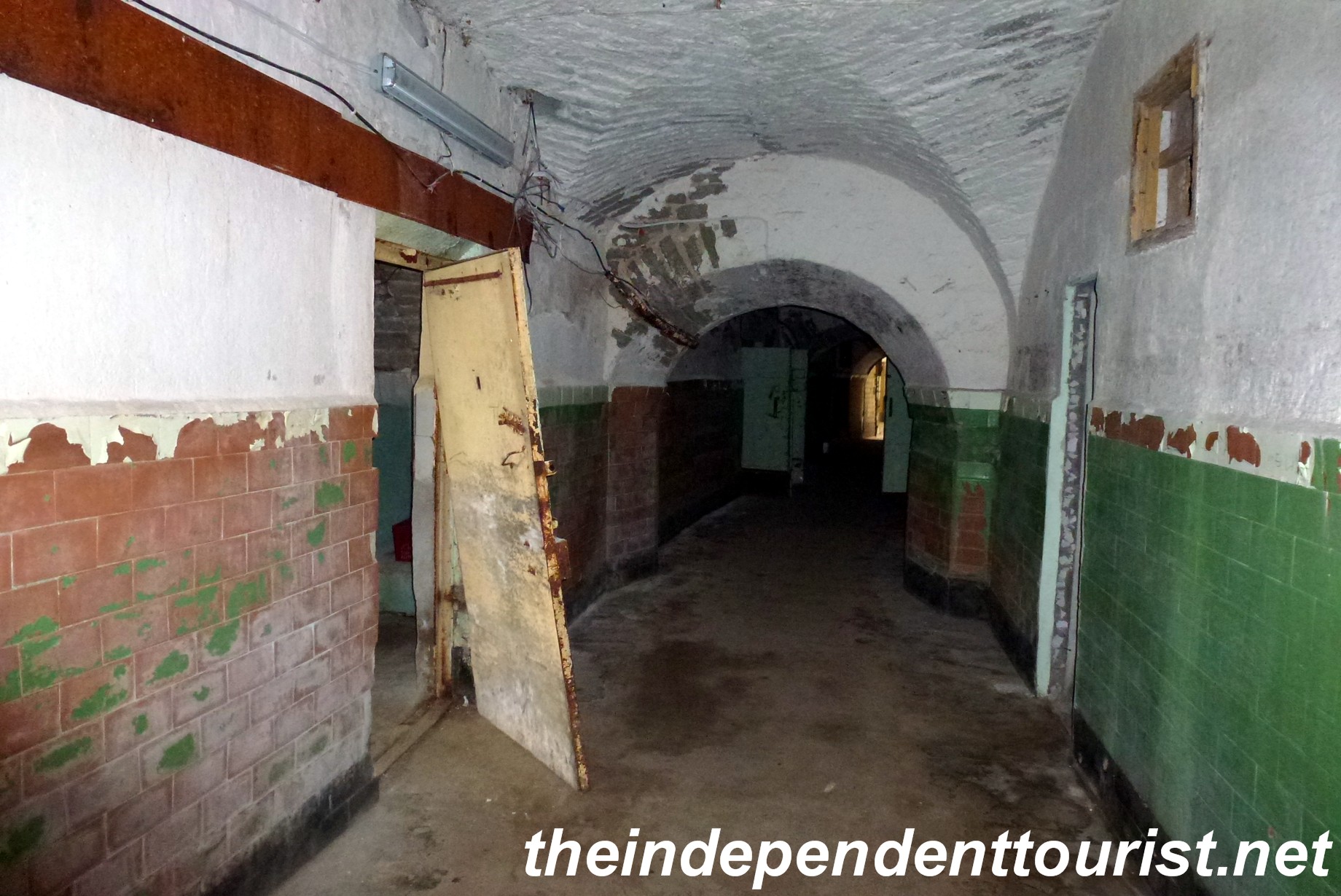
One of the prison's hallways, Notice how it's curved, this was a feature of the original fortress from the 1800's, so a shot could not be fired straight a long distance.

One of the prison’s hallways, Notice how it’s curved, this was a feature of the original fortress from the 1800’s, so a shot could not be fired straight a long distance.

A cell door with a small opening for sliding food to the prisoner.

A cell door with a small opening for sliding food to the prisoner.

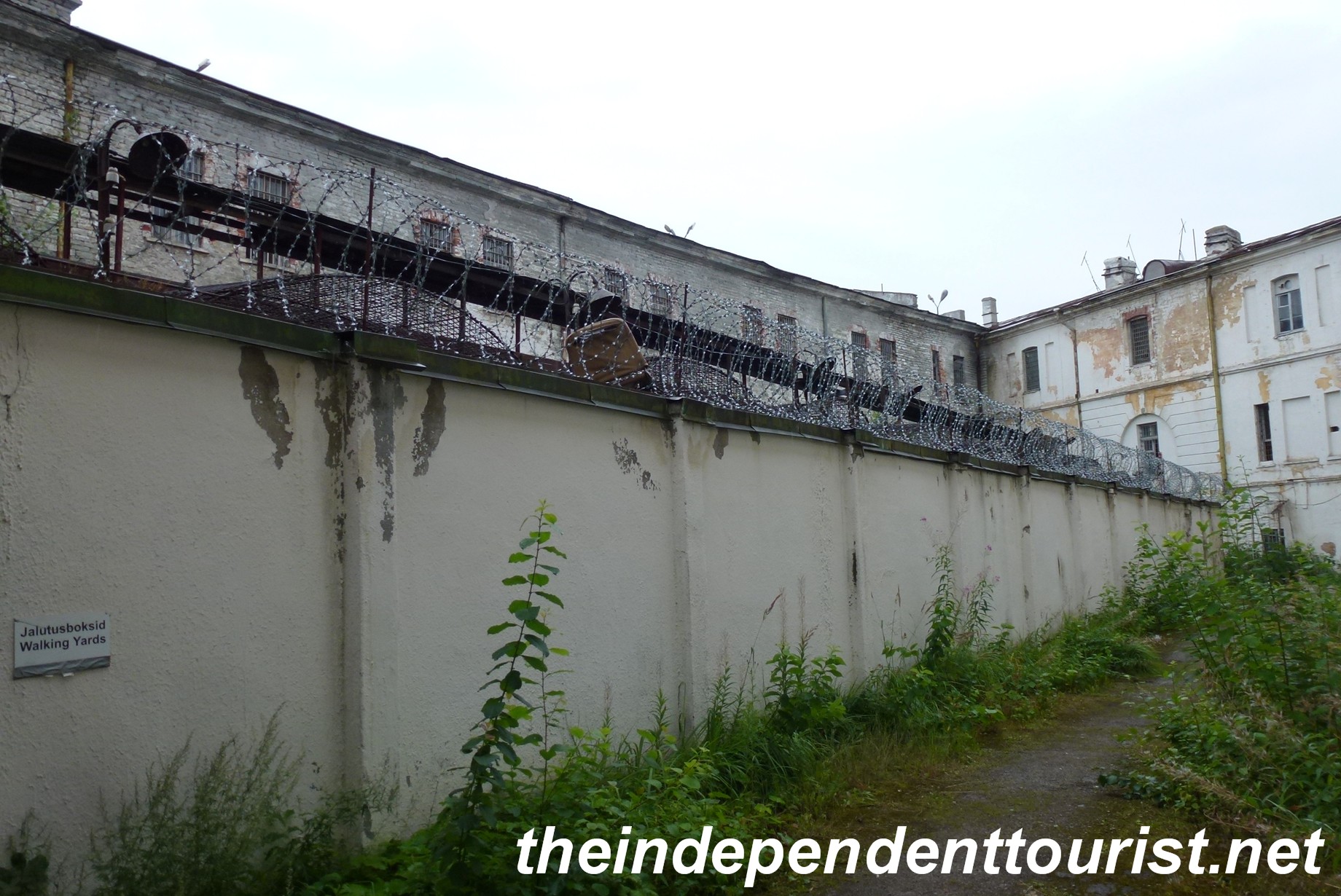
This is the courtyard and up until World War II the prisoners could walk in open space here. After the start of the Soviet occupation, the open-roof cells to the left were built. Prisoners would be crammed in these small "boxes" for an hour of fresh air.

This is the courtyard and up until World War II the prisoners could walk in open space here. After the start of the Soviet occupation, the open-roof cells to the left were built. Prisoners would be crammed in these small “boxes” for an hour of fresh air.

As can be seen from the images below, it’s as though the prisoners just up and left everything where it was, in its “natural” state. The fact that a visitor can wander through these buildings (which have no light other than the daylight coming through the windows) with no escorts is quite unusual.

One of the cell blocks with a lot of left over clothes and other items.

One of the cell blocks with a lot of left over clothes and other items.

The library - a number of books still on the shelves.

The library – a number of books still on the shelves.

The infirmary - I think I'll keep my own doctor and medical plan!

The infirmary – I think I’ll keep my own doctor and medical plan!

A small guidebook is available at the entrance, and a few rooms are sign posted, but for the most part you’re left with your imagination.

Toilet area - comfy!

Toilet area – comfy!

One of the cell areas - note the bedding and pillows still in place.

One of the cell areas – note the bedding and pillows still in place.

Many prisoners were held here while awaiting trial. Hundreds of people were also executed at the prison, the last execution taking place in 1991. One of the rooms used for shooting people was later painted over in brown paint to hide the blood stains.

One of the execution rooms. Hangings and poisonings took place here. Note the floorboards in the center of the picture, these would allow for the person to fall enough distance to complete the hanging.

One of the execution rooms. Hangings and poisonings took place here. Note the floorboards in the center of the picture, these would allow for the person to fall enough distance to complete the hanging.

The prison faces the sea, and was originally a fortress built to protect the city of Tallinn in 1840. It’s been open as a Cultural Park since 2007 to preserve the memory of what life was like for some unfortunate people during the Soviet occupation.

One of the guard's quarters.

One of the guard’s quarters.

For more information, visit: http://www.patarei.org.

Kraków—Part 3—Schindler’s Factory and the Jewish Quarter

The front facade of Schindler's Factory.

The front facade of Schindler’s Factory.

One of the highlights of a visit to Kraków is a stop at Schindler’s Factory, on the southeastern edge of the city in the district of Podgórze.  Oskar Schindler was immortalized in Steven Spielberg’s movie Schindler’s List (1993) as the man who saved about 1,200 Jews during World War II by employing them in his factory making goods for the German military.

Sign in front of the Factory Museum. "Whoever saves one life, saves the world entire."

Sign in front of the Factory Museum. “Whoever saves one life, saves the world entire.”

Photos of Jews saved by Oskar Schindler.

Photos of Jews saved by Oskar Schindler.

A photo of Oskar Schindler (left).

A photo of Oskar Schindler (left).

“For some, war leaves no choice; for others it makes choosing a must. A small gesture can yield irreversible consequences. It can either save a life or ruin it.” (A quote from the Schindler museum)

The factory building is still standing and is now an excellent museum, describing the invasion and occupation of Poland by Nazi Germany (1939 to 1945) and daily life in the huge Jewish Ghetto of Kraków, where thousands of Jews were crammed into tiny quarters after their homes and possessions were confiscated by the Nazis. There are numerous pictures, exhibits, stories and displays of what life was like during the Nazi occupation. I really can’t imagine the constant terror of not knowing what will be your fate – will you live through the night, will your family be taken from you, or will you be shot to death on a whim?

Prior to my visit, I had hoped to see the actual factory floor as an exhibit, but all that remains of the actual factory are a few machines, Schindler’s office and some of the goods manufactured in the factory. However, the well-organized museum is definitely worth visiting. Plan a few hours to see and absorb all the information.

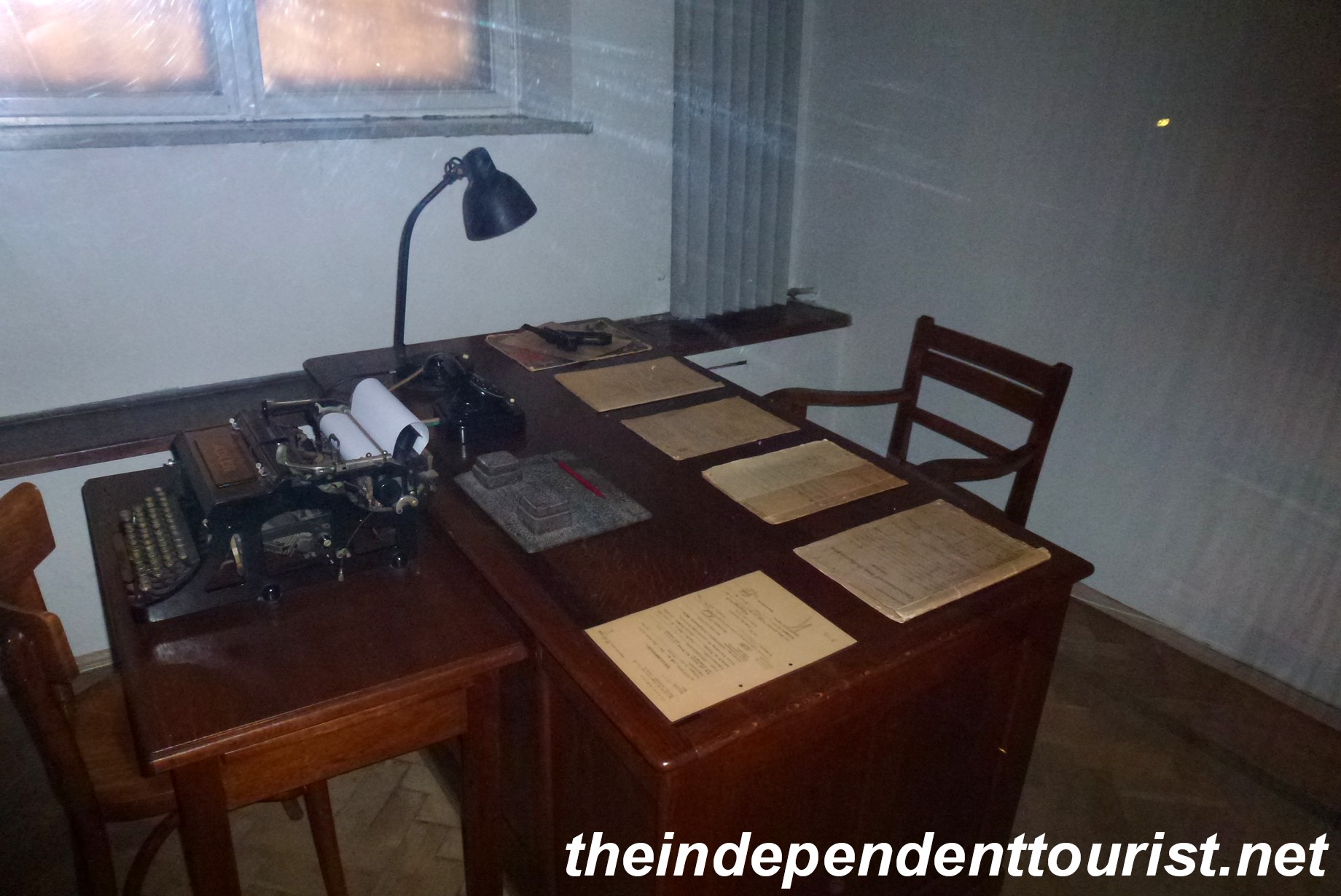
Schindler's office and desk.

Schindler’s office and desk.

Some of the products Schindler's Factory produced.

Some of the products Schindler’s Factory produced.

One of the metal-working machines from Schindler's Factory.

One of the metal-working machines from Schindler’s Factory.

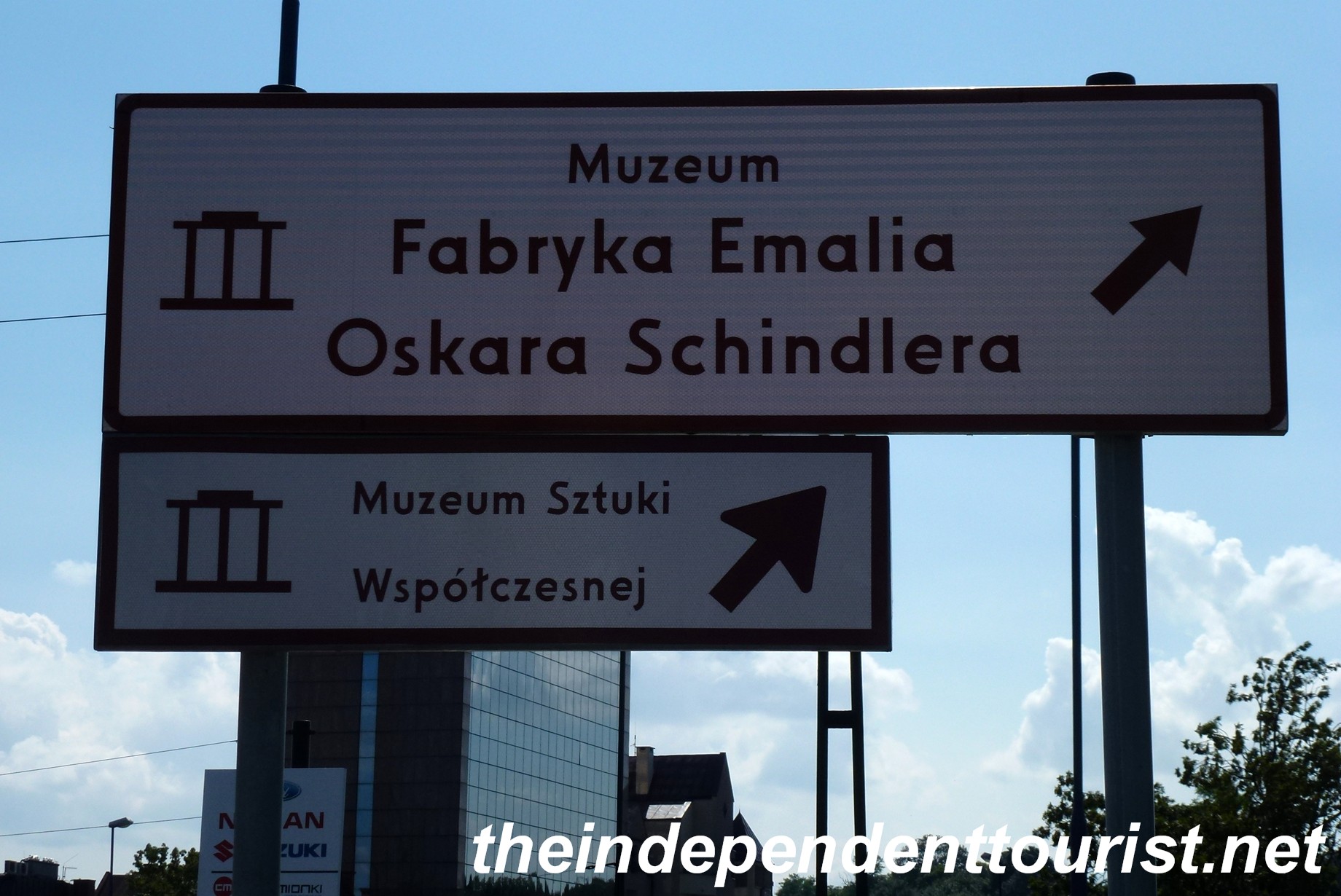
Schindler’s Factory is a long walk from the center of Kraków, or take a tram from the main post office in the Old Town. There are signs marking the way to the Factory from the tram stop.

A sign pointing the way to Schindler's Factory.

A sign pointing the way to Schindler’s Factory.

Jewish Quarter

The Kraków district of Kazimierz (in between Old Town and Podgórze) is known as the Jewish quarter and it was a vibrant area prior to the deportation and extermination of the Jewish population during World War II.

ul Szeroka. The wide street or square that is the heart of the Jewish Quarter.

ul Szeroka. The wide street or square that is the heart of the Jewish Quarter.

Only about 10% of the Jews living in Kraków survived the war. The community has undergone something of a revival since the release of Schindler’s List.

The Remuh Cemetery. Dates from the mid-16th century. Many of the tombstones were buried to avoid desecration. One of the best-preserved Renaissance Jewish cemeteries in Europe.

The Remuh Cemetery. Dates from the mid-16th century. Many of the tombstones were buried to avoid desecration. One of the best-preserved Renaissance Jewish cemeteries in Europe.

Remuh Synagogue. The smallest synagogue in this area. Completed in 1558.

Remuh Synagogue. The smallest synagogue in this area. Completed in 1558.

Isaac's Synagogue interior. Kraków's largest synagogue, completed in 1644. A close inspection reveals the original wall paintings.

Isaac’s Synagogue interior. Kraków’s largest synagogue, completed in 1644. A close inspection reveals the original wall paintings.

We enjoyed visiting the synagogues, wandering the streets and squares in this community. On some of the houses, information is provided on the families who lived there during World War II and their fate.

Reference: Lonely Planet Travel Guide – Poland

Kraków – Part 2 – Wawel Castle

A miniature layout of Wawel Castle. The main castle and cathedral are at the far end of the display.

A miniature layout of Wawel Castle. The main castle and cathedral are at the far end of the display.

One of the premier tourist sites in Kraków is Wawel Castle, located on a hill above the Vistula River on the southern edge of the old town. Wawel Castle was the home of the Polish kingdom for about 500 years (12th century to 16th century).

A view of Wawel Castle from the Vistula River.

A view of Wawel Castle from the Vistula River.

A great way to see Wawel Castle's exterior is by a carriage ride.

A great way to see Wawel Castle’s exterior is by a carriage ride.

The Bernardyńska Gate to Wawel Castle.

The Bernardyńska Gate to Wawel Castle.

Although a few foundation remnants of the original Castle still exist, what we see today is mainly from the 16th century. Wawel suffered many attacks and lootings by the Swedish and Prussian armies over the centuries. It underwent significant restoration after World War I. Although the Castle sits on a bit of a hill, it cannot be seen from the main square in old Kraków.

The arcaded courtyard of Wawel Castle.

The arcaded courtyard of Wawel Castle.

One of the ceilings in Wawel Castle.

One of the ceilings in Wawel Castle.

In the Hall of the Senators, with its magnificent Biblical tapestries.

In the Hall of the Senators, with its magnificent Biblical tapestries.

In the Hall of the Deputies - although it's hard to tell, this is an image of the ceiling with 30 individually carved human heads, representing the cycle of life from birth to death. There were originally 194 carved heads (completed around the year 1535), these 30 are all that remain.

In the Hall of the Deputies – although it’s hard to tell, this is an image of the ceiling with 30 individually carved human heads, representing the cycle of life from birth to death. There were originally 194 carved heads (completed around the year 1535), these 30 are all that remain.

A major draw to the castle grounds is Wawel Cathedral, where numerous royal coronations and funerals have taken place. Inside, many of the tombs of Polish kings are seen. The current Cathedral dates from 1364, and is the third church on the site.

The exterior of Wawel Cathedral has a number of interesting facades.

The exterior of Wawel Cathedral has a number of interesting facades.

One of the chapels in Wawel Cathedral.

One of the chapels in Wawel Cathedral.

Another view of Wawel Cathedral, with its ornate decorations.

Another view of Wawel Cathedral, with its ornate decorations.

The Castle is very busy, so plan ahead – we bought our tickets the day before we wanted to visit, and each ticket has a specific entry time (you can wander the grounds for free). There are five different ticket options, so you have to decide what you want to visit, such as the State Rooms, the Royal Private Apartments, the Crown Treasury & Armory, Oriental Art Exhibit, or Lost Wawel (where you see some of the old original foundations and other artifacts found at Wawel from ancient times). We toured the State Apartments and really enjoyed the artwork and beauty of the ornate chambers.

Note that backpacks are not allowed in the interior rooms, and must be checked into a locker. Due to severe restrictions on photographs, it’s almost impossible to take pictures inside the Castle and the Cathedral – I captured just the few above. So, you’ll have to take my word for it…visiting Wawel Castle and Cathedral are must-dos on a visit to Kraków.

Kraków, Poland – One of Europe’s Finest Cities – Part 1

When people think of great European cities, the standard list includes Paris, London and Rome, which of course all certainly belong on the list. Not too many people would name Kraków, and largely because they don’t know much about it.

The Royal Way in Kraków, which is the main thoroughfare through the old town. Very little vehicular traffic allowed in the old town, making it a pleasant place to walk.

The Royal Way in Kraków, which is the main thoroughfare through the old town. Very little vehicular traffic allowed in the old town, making it a pleasant place to walk.

Kraków was our favorite city in Poland and it’s one of our favorite cities in Europe. We love it because there are many things to see, it has a very classy feel to it, the people were wonderful, we had a great place to stay and the food (if you like hearty fare) was excellent. Kraków is a large, modern city, but the charming old town is relatively compact.

Our perfect apartment in Krakow, just a few minutes by foot from the old town. It is called Krakow Parkside Apartments. Highly recommended.

Our perfect apartment in Krakow, just a few minutes by foot from the old town. It is called Krakow Parkside Apartments. Highly recommended.

This is the first of three posts on Kraków. This great city also makes a good base for exploring the remains of the infamous Auschwitz Death Camps as well, which are located about 66 km (41 miles) west.

For a map of places we visited in Poland, click here.

Below are a few of the things that make Kraków a great place to visit. The list of things to see could go on and on, with a number of other museums, churches, statues and other historic places that we simply did not have time to visit.

Horse Carriage Rides. A highlight of visiting Kraków is taking a carriage ride around the old town. The rides start in Rynek Square and go to the north edge of old town before heading to south to Wawel Castle and returning to the Square.

The stately horse carriages in Rynek Square.

The stately horse carriages in Rynek Square.

The ride cost about $10 US per person. It was a fun way to see the city and to enjoy the atmosphere. The carriages, drivers and horses are dressed up and ready to show you the town.

Getting ready for our ride.

Getting ready for our ride.

Kraków Fortifications. Much of the original city was destroyed in the 13th century by the Tatar invasions. The walls and towers we see today were built afterwards in the 13th – 15th centuries.

The Barbican, one of the few surviving structures of its kind in Europe. It was built around 1498. It has seven turrets, 130 loopholes (for firing arrows) and the walls are 3 meters thick. It helped defend the Florian Gate, which is part of the remaining defenses on the north side of Kraków's old town.

The Barbican, one of the few surviving structures of its kind in Europe. It was built around 1498. It has seven turrets, 130 loopholes (for firing arrows) and the walls are 3 meters thick. It helped defend the Florian Gate, which is part of the remaining defenses on the north side of Kraków’s old town.

What remains of these fortifications is on the north side of the old town. Although many of the old walls were torn down in the 19th century, there is a ring-shaped park and walking paths that encircle old Kraków, following the foundations of the city walls.

Part of the old city walls, near the Florian Gate, the only one of the eight original gates remaining.

Part of the old city walls, near the Florian Gate, the only one of the eight original gates remaining.

For a pleasant stroll and variety in exploring the town, take advantage of these paths.

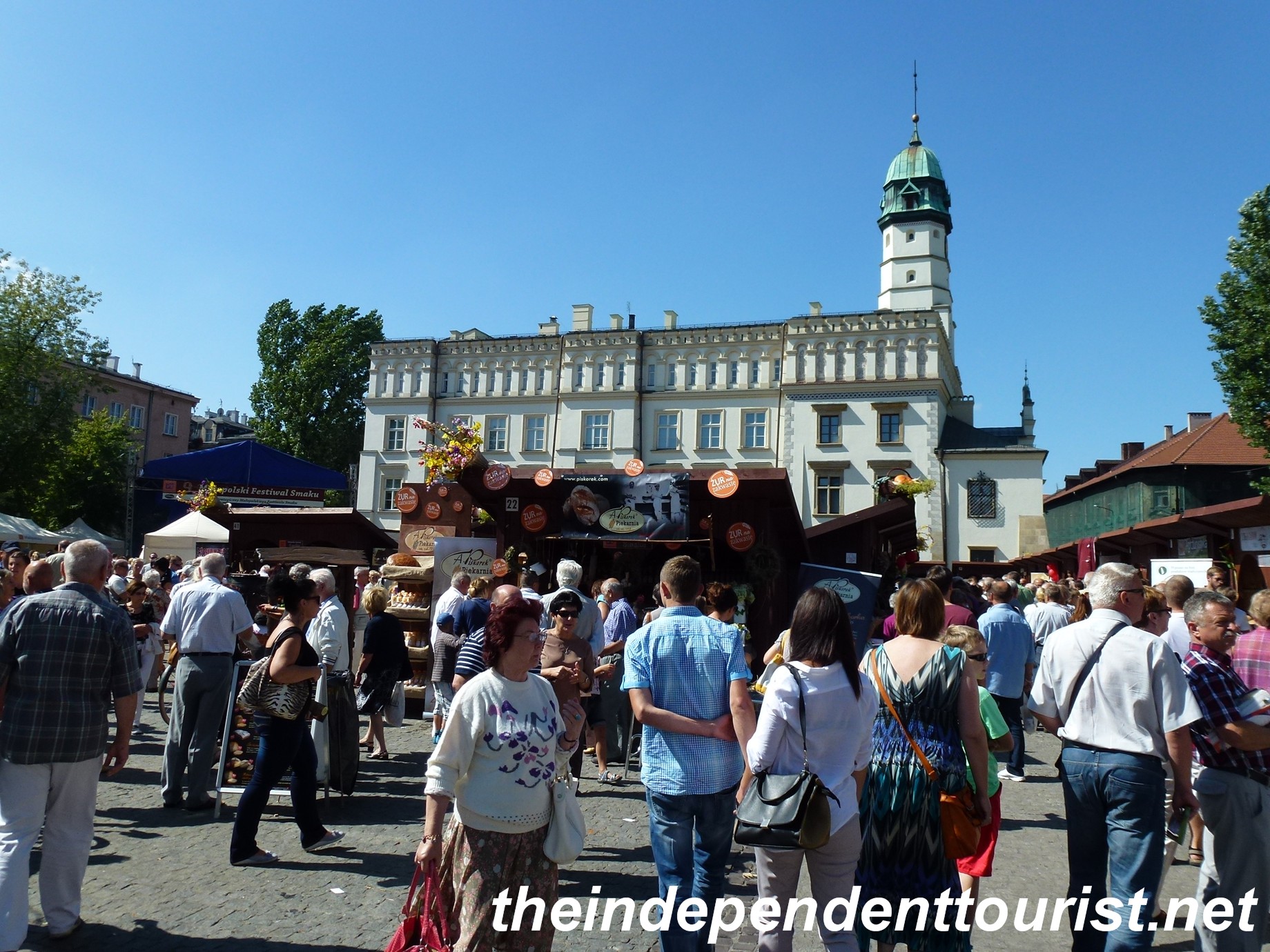
Rynek Główny (Square). This is the heart of old Kraków and is the largest medieval square in Europe. Its layout was drawn up in 1257. During our visit, there was a festival going on, with lots of music, dancing, and numerous food stalls – we found it hard to pass any of these up! Sausages, potatoes, breads, deserts and other Polish specialties were to be found everywhere.

A roasting pig on Rynek Square.

A roasting pig on Rynek Square.

The tower on the left is the only remaining part of the 15th century Town Hall. On the right is the Cloth Hall, both are in the central part of Rynek Square.

The tower on the left is the only remaining part of the 15th century Town Hall. On the right is the Cloth Hall, both are in the central part of Rynek Square.

Also in Rynek Square is the Cloth Hall, which was the center of Kraków’s medieval clothing trade. There are numerous shops here (and a good place to get gelato), as well as the ticket office and entrance for the “Rynek Underground” exhibit, which provides an extensive view of excavated ruins underneath the Square, and exhibits of medieval life in Kraków.

A view of some of the medieval ruins in the extensive underground displays. Hard to get good photos, pretty dark down there.

A view of some of the medieval ruins in the extensive underground displays. Hard to get good photos, pretty dark down there.

Come to the Square at night for special atmosphere. There are lots of good restaurants around the Square.

Rynek Square at night.

Rynek Square at night.

St. Mary's Church with its uneven towers faces Rynek Square.

St. Mary’s Church with its uneven towers faces Rynek Square.

Rynek Square is also the location of St. Mary’s Church, one of the most beautiful churches in Poland (and Europe for that matter). It is home of the Veit Stoss wood-carved pentaptych (three panel) altarpiece which took 10 years to complete and was consecrated in 1489. It is magnificent, and is considered one of the most important pieces of medieval art of its kind.

The marvelous Veit Stoss pentaptych in St. Mary's Church, Krakow.

The marvelous Veit Stoss pentaptych in St. Mary’s Church, Krakow.

The pentaptych is only opened at certain times during the day, so check across the street (to the south of the visitor’s entrance) for times and tickets.

Another view in St. Mary's Church - it takes awhile to absorb all the artwork in this church.

Another view in St. Mary’s Church – it takes awhile to absorb all the artwork in this church.

Church of SS Peter & Paul. This is a Jesuit church dating back to 1583. It’s on the Royal Way from Rynek Square to Wawel Castle, and has statues of the 12 apostles on columns at the front gate.

Church of SS Peter & Paul. Note the statues of the 12 apostles in front.

Church of SS Peter & Paul. Note the statues of the 12 apostles in front.

We were able to attend a concert in the large open interior on a Sunday evening, with a talented ensemble playing a number of classical compositions, including Vivaldi, Chopin, Bach, Mozart, Handel and others. This was particularly delightful given the setting and acoustics of the church.

The musicians at our concert in the Church of SS Peter & Paul

The musicians at our concert in the Church of SS Peter & Paul

In future posts I will share some images of Wawel Castle and the Jewish Quarter, including Schindler’s Factory (recall the epic Steven Spielberg movie “Schindler’s List”).

Reference: Lonely Planet Travel Guide – Poland


Tallinn, Estonia – A Medieval Gem

If Tallinn were located in France or Germany it would be overrun with tourists. Since it’s on the Baltic coast of Estonia, most tourist traffic comes via cruise lines and only over the summer, which is how and when we visited in 2013. I love historical places and Tallinn is high on my list of great medieval towns. It’s also a UNESCO World Heritage Site.

A view of Old Town Tallinn (Toompea Hill) from St. Olav's Church (described below).

A view of Old Town Tallinn (Toompea Hill) from St. Olav’s Church (described below).

The city was founded in 1154, and the historic part of town hasn’t changed much in over the past 600 years. Old Town is about a 10-minute walk from the cruise ship pier and has a number of things to see (including one of the weirdest tourist sights I’ve visited).

The Old Town is walled with a number of towers, gates and narrow streets.

A large map of Tallinn Old Town greets cruise ship visitors.

A large map of Tallinn Old Town greets cruise ship visitors.

Here are a few of Tallinn’s interesting sites:

Toompea Hill. The “Upper Town” is the setting for Tallinn’s oldest church (St. Mary’s Cathedral), a Russian Orthodox Cathedral (Alexander Nevsky Cathedral) and Toompea Castle, which is the home of Estonia’s Parliament. The Hill provides great views of the Lower Old Town.

Exterior view of the Cathedral of St. Mary, Estonia's main Lutheran church. Originally built in 1233.

Exterior view of the Cathedral of St. Mary, Estonia’s main Lutheran church. Originally built in 1233.

The interior of the Cathedral of St. Mary.

The interior of the Cathedral of St. Mary.

The Alexander Nevsky Russian Orthodox Cathedral was built in 1900, and although it's not ancient, it has a number of beautiful mosaics and is a testament to Russian influence in this country.

The Alexander Nevsky Russian Orthodox Cathedral was built in 1900, and although it’s not ancient, it has a number of beautiful mosaics and is a testament to Russian influence in this country.

Town Hall and Square. The Town Hall as built in the early 1400’s and is the best preserved Gothic town hall in Northern Europe.

The Town Hall and Square. The center of Old Town Tallinn.

The Town Hall and Square. The center of Old Town Tallinn.

Old Town Walls and Towers. Two kilometers of the old walls are still standing. Just walking around these walls is a pleasure, and several towers are open as small museums, with underground passages that can be explored near Toompea Hill.

Fat Margaret (or Stout Margaret) Tower. This is the first sight most visitors see, the tower guards a main entrance into the Old Town and is now a Maritime museum.

Fat Margaret (or Stout Margaret) Tower. This is the first sight most visitors see, the tower guards a main entrance into the Old Town and is now a Maritime museum.


Part of the Old Town towers and walls, an area called Towers Square.

Part of the Old Town towers and walls, an area called Towers Square.

My daughter and son by another part of the walls. The walls are 4 meters wide in this area.

My daughter and son by another part of the walls. The walls are 4 meters wide in this area.

Old Town Streets. It’s worth just wandering the streets to see what you come across – there are many lovely shops and old buildings to wander around.

St. Catherine's Passage, one of Tallinn's most picturesque streets and home to St. Catherine's Guild, a collection of craft workshops housed in 15th -17th century rooms.

St. Catherine’s Passage, one of Tallinn’s most picturesque streets and home to St. Catherine’s Guild, a collection of craft workshops housed in 15th -17th century rooms.

Street scene in Old Town, Tallinn.

Street scene in Old Town, Tallinn.

The entrance to the House of the Brotherhood of the Black Heads, a guild of unmarried German merchants that had responsibility for the town's defenses in medieval times.

The entrance to the House of the Brotherhood of the Black Heads, a guild of unmarried German merchants that had responsibility for the town’s defenses in medieval times.

St. Olav’s Church. For about 75 years (1549 – 1625) this 14th century Gothic church was the tallest building in the world. You can climb the tower for great views of the Old Town and surrounding area. The spire is 124 m (406 ft) high.

View of Tallinn's walls and towers from Toompea Hill. St. Olav's Church has the tall spire on the right.

View of Tallinn’s walls and towers from Toompea Hill. St. Olav’s Church has the tall spire on the right.

St. Olav's Church - it's hard to get a good picture - such a tall building in a compact space.

St. Olav’s Church – it’s hard to get a good picture – such a tall building in a compact space.

Taking the stairs up the tower at St. Olav's Church.

Taking the stairs up the tower at St. Olav’s Church.

Patarei Prison. This fortress, which was turned into a prison in 1920, warrants its own blog post. It is about a 15-minute walk from the Old Town and inside it looks like the prisoners just walked out – bedding, books and all kinds of things were left behind. The prison was closed in 2002 and is now a museum (of sorts). More to come on this fascinating place!

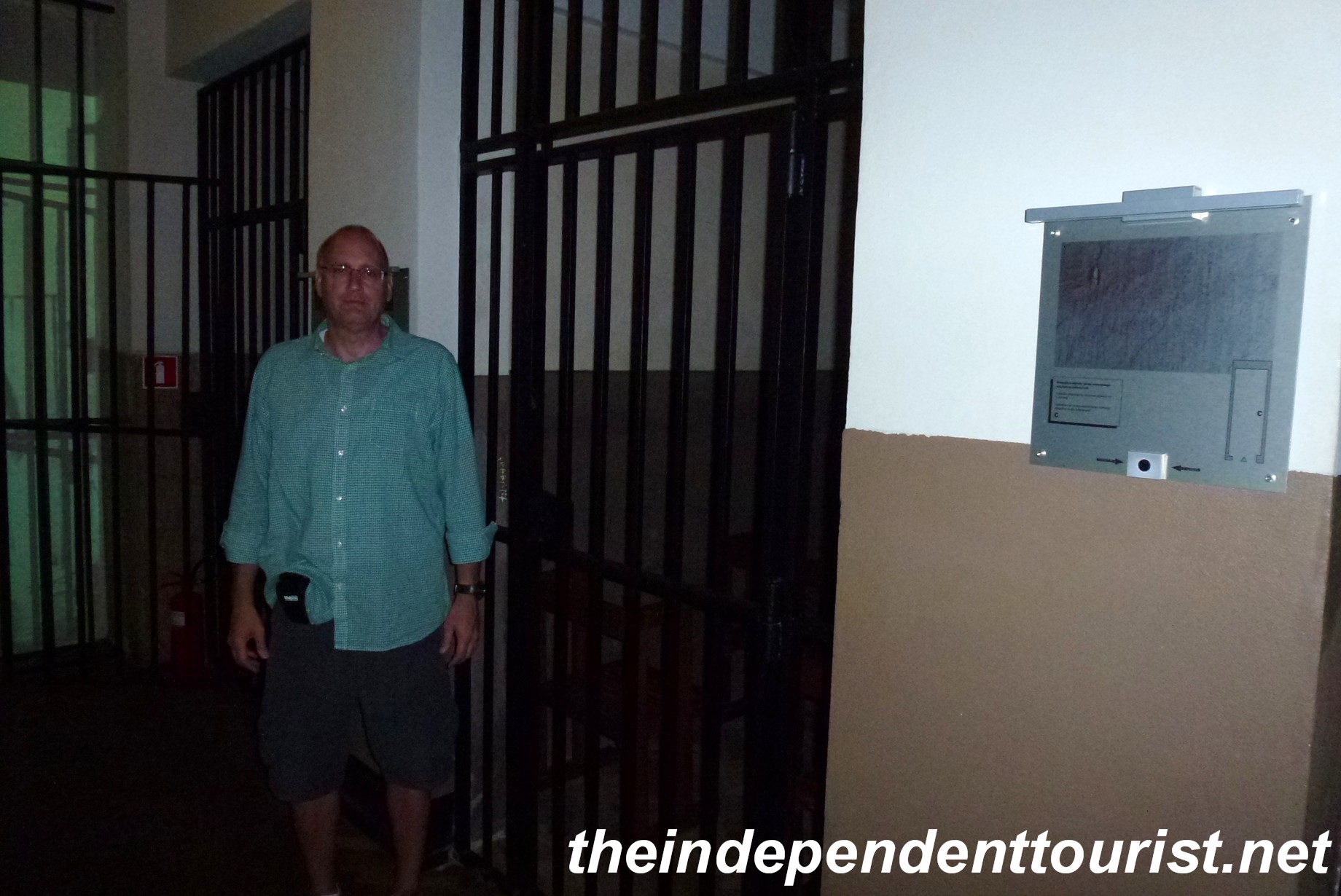
My new cell at Paterei Prison!

My new cell at Paterei Prison!

Alexandria – One of the Great Cities of Ancient Times

Out of all the places I’ve visited in Egypt, Alexandria probably had the least to offer the tourist, and yet there was no way I was going to pass up an opportunity to go there, given its illustrious history. I’ve read that “Alexandria is the greatest historical city with the least to show” and that seems to be true, unfortunately. For a map of places visited in Egypt, click here, scroll to bottom of page.

A typical street scene in Alexandria. Very non-touristy!

A typical street scene in Alexandria. Very non-touristy!

Buying some fruit from a local Egyptian vendor.

Buying some fruit from a local Egyptian vendor.

Alexandria was the home of Queen Cleopatra and the city rivaled Rome in beauty. It was the center of scientific learning with a world-renown library (700,000 volumes). It also had a huge lighthouse (called Pharos) that was a wonder of the ancient world (394 feet high) and was in working order for 1,700 years (until an earthquake toppled it in 1303).

Alexandria was founded by Alexander the Great (in 331 BC) and was one of the greatest cities of antiquity. Alexander is buried here, but the exact location of his tomb is not known. The city of Cleopatra’s time is now largely under water and about 18 ft. below street level. Every so often there are major finds, such as the Roman catacombs discovered in 1900 when a donkey disappeared through the ground.

Here are a few things to see in Alexandria:

Roman Amphitheater (Kom Al-Dikka). This is the only Roman Amphitheater in Egypt. It is well preserved and if you stand in the right spot on the center stage, the acoustics allow you to hear your voice being amplified around the theater. There are more excavations going on in this area.

The Roman Amphitheater in Alexandria.

The Roman Amphitheater in Alexandria.

Pompey’s Pillar and Serapeum. This area contains several above-ground ruins and underground chambers. The Pillar was erected in AD 291 to support a statue of the Emperor Diocletian and is still standing in its original spot. The pillar takes its name from the Roman general Pompey who was murdered by Cleopatra’s brother (although he has nothing to do with the pillar). The Serapeum was a large temple complex which also had a huge library. The underground chambers show the foundation and library remains.

Pompey's Pillar and the surrounding ruins of the Serapeum.

Pompey’s Pillar and the surrounding ruins of the Serapeum.

Roman Catacombs (Kom Ash-Shuqqafa). Close to Pompey’s Pillar are the Roman catacombs, which is probably the most fascinating historical site in Alexandria. Unfortunately, I could not take pictures in the catacombs (except for one quick shot below). There are three underground levels, the lowest of which is flooded, but the other two levels are open and can be visited with a guide—even the 2nd level has some water on the floor, which you avoid by walking on planks. You descend via a staircase and enter a large rotunda with numerous rooms branching off in every direction. The catacombs were constructed in the 2nd century AD and eventually housed the remains of 300 people. Before visiting, be sure to check opening hours and days of the week.

An ancient sarcophagus at the entrance to the Roman catacombs.

An ancient sarcophagus at the entrance to the Roman catacombs.

One sneaky photo in the Roman catacombs.

One sneaky photo in the Roman catacombs.

The Al-Corniche. Alexandria is a long narrow city built along the Mediterranean shoreline. The Corniche is a popular socializing spot for locals, especially after dark, with street vendors selling all kinds of snacks and young couples strolling hand in hand enjoying the fresh breeze.

The Corniche in Alexandria.

The Corniche in Alexandria.

From the Corniche you can glimpse Fort Qaitbey, which was built in 1480 on the remains of the ancient Pharos lighthouse. The fort is open to the public but our short visit (just one full day) did not afford us time to go out and see it.

Reference Source: Lonely Planet Egypt

Fort Qaitbey is in the far distance at the right edge of the picture.

Fort Qaitbey is in the far distance at the right edge of the picture.