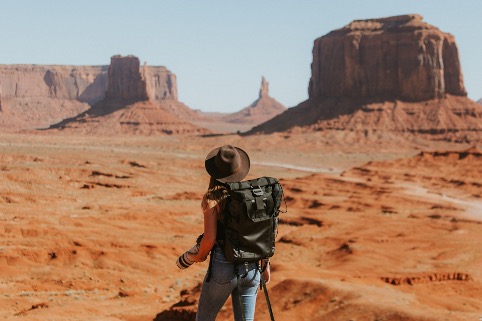
How to Start Your Journey as a Digital Nomad in 2023

In this post our frequent guest writer, Jesse Clark, provides tips for those seeking a digital nomad life/work style. Check out the links included, they contain useful resources. Jesse’s bio sketch is below. 

In a rapidly evolving world where technology has transformed the way we work, the digital nomad lifestyle has gained immense popularity. Working as a nomad provides individuals the freedom to work from the place of their choosing and on their schedule. For those wanting to begin their digital nomad journey, this article will explore a host of helpful strategies to get you started for long-term success.

1. Develop In-demand Skills

When starting out, it’s best to sell a wide array of services to test the market and ascertain the area(s) you are good at. For instance, in 2023, digital marketing, website development and programming are some in-demand skills among freelancers according to an Upwork Report. Before you start reaching out to prospects, invest time and effort towards developing in-demand skills. Consider obtaining relevant certifications to establish credibility and stand out from the competition.

2. Learn to Market Yourself

Along with producing high-quality work, you’ll also need to consistently promote your brand and services online. Self-promotion is one of the best ways to establish yourself as a freelancer and develop long-term relations with clients.

The following are the basics of self-promotion:

  • Networking websites such as LinkedIn are great for connecting with potential clients and fellow digital nomads to develop professional networking that you can rely on for advice, referrals, and collaborations.

3. Protect Your Finances and Assets

Working as a freelancer will give you considerably more freedom over your time and work compared to working a remote hourly-paid job. However, as a freelancer, you’ll need to take steps to protect yourself from unforeseen circumstances and remain financially healthy.

Before you start accepting clients, consider establishing a limited liability company (LLC). Given that an LLC is considered a separate legal entity from its owner (you), your finances and personal assets will be protected from any business-related liabilities.

Additionally, you’ll enjoy a host of tax benefits, potentially saving you hundreds if not thousands of dollars annually.

4. Sharpen Your Skills With a Degree

Being a digital nomad means you’ll be working as a one-person team. In addition to delivering high-quality work, you’ll be responsible for finding clients, managing finances, and a host of other business-related responsibilities.

While learning on the job is great, you can accelerate this process by going back to school and pursuing an online degree. Advance your career with an online cybersecurity degree, gaining in-demand skills to protect digital assets and information systems. Additionally, online degrees are affordable and allow you to run your business while furthering your education.

Image Credit: Pexels-Djordje-Petrovic-2102413

5. Choose a Location

Choosing a location as a digital nomad depends on your lifestyle preferences, work requirements, and budget. Consider factors like the cost of living, internet reliability, safety, and community to find a place that suits your needs. Exploring different locations can enhance your experience, providing opportunities to embrace new cultures, meet diverse people, and enjoy unique environments while maintaining your digital work.

When done right, working as a digital nomad can be a rewarding experience. In addition to creating a great online portfolio, remember to establish an LLC and upskill in key areas by earning a degree or developing a unique skill that can be applied effectively in virtual environments.

Unleash your wanderlust with The Independent Tourist! Dive into our comprehensive travel guides and start planning your next adventure today!

Jesse Clark is a traveler, so she’s no stranger to experiencing wanderlust and that strong desire to travel. She’s already had enough experiences to last a lifetime, but she’s not stopping anytime soon. Find out more and contact her through soulful-travel.com.

Featured Image Credit: Pexels.

Belmonte Castle and Alarcón – Two Medieval Gems Worth Visiting in Central Spain

From Conseugra we were headed to Cuenca, our last overnight stop on our two-week tour of southern Spain. We were sad to be coming to the end of such a wonderful adventure. On the way to Cuenca, we made two stops that were well worth our time, Belmonte (home of Belmonte Castle) and the village of Alarcón.

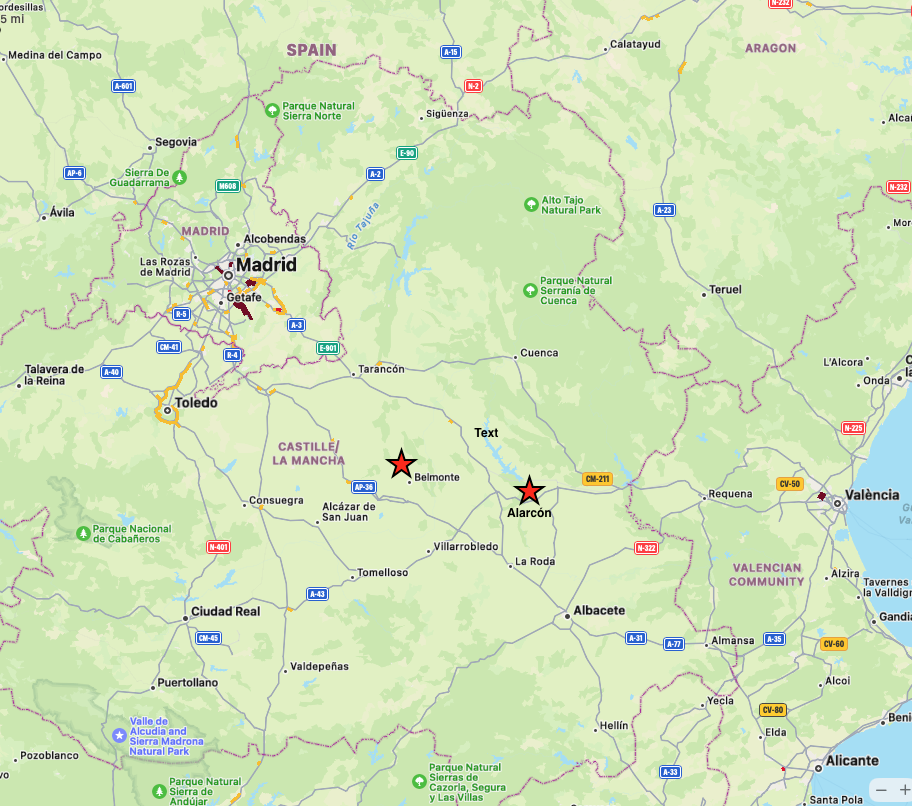
Belmonte and Alarcón are located southeast of Madrid, Spain.

Belmonte Castle

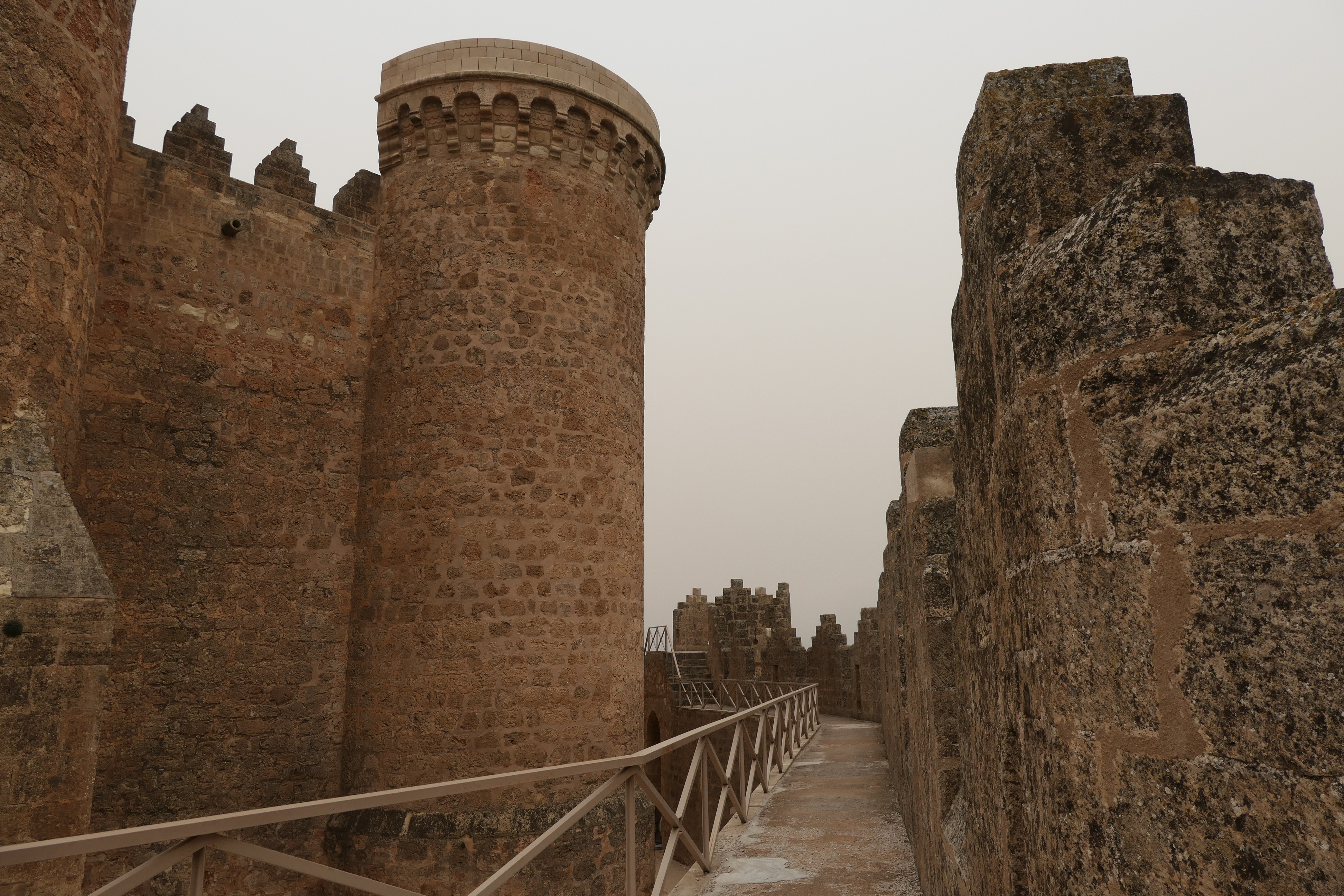
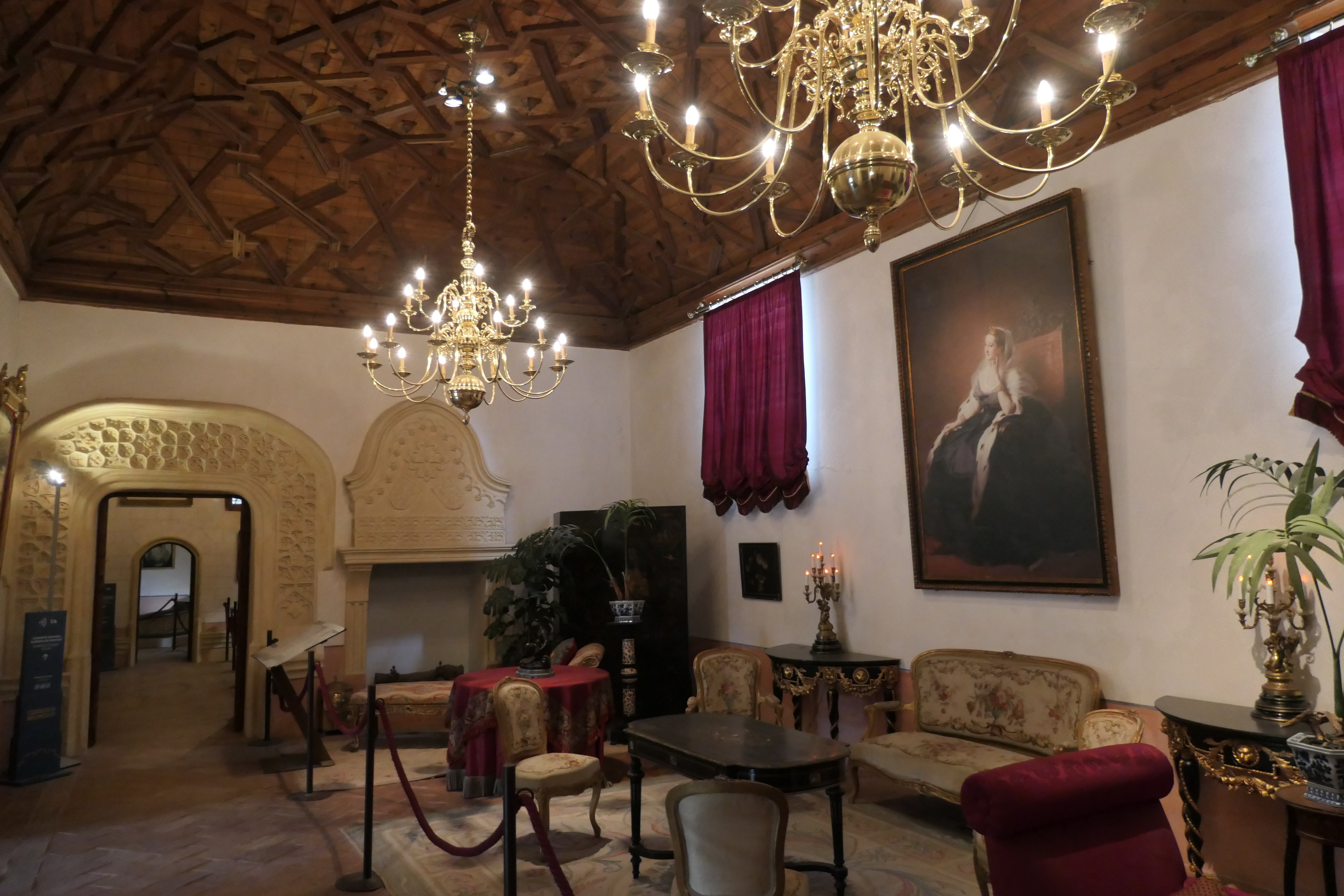
Belmonte Castle is a classic – from the exterior it’s exactly what you’d expect from a late medieval era castle. So classic in fact, that it has been the setting for many films, such as Lord of the Rings (1978), Flesh+Blood (1985), El Cid (1961) and others. The castle was originally built in the second half of the 15th century, but was never completed. It was pretty much abandoned until the mid 1800’s when restoration work was undertaken, and interestingly, the courtyard and interior of the castle were modified to the tastes of the 19th century, and therefore they look much different than the exterior. The castle is in private hands (the family that took over work on the castle in the 1800’s still owns it), and it has been open to the public since 2010.

View of Belmonte Castle as you drive up to the entrance – what an imposing sight!
View of Belmonte Castle’s courtyard – as mentioned above, it doesn’t look anything like the exterior!

Castle Interior

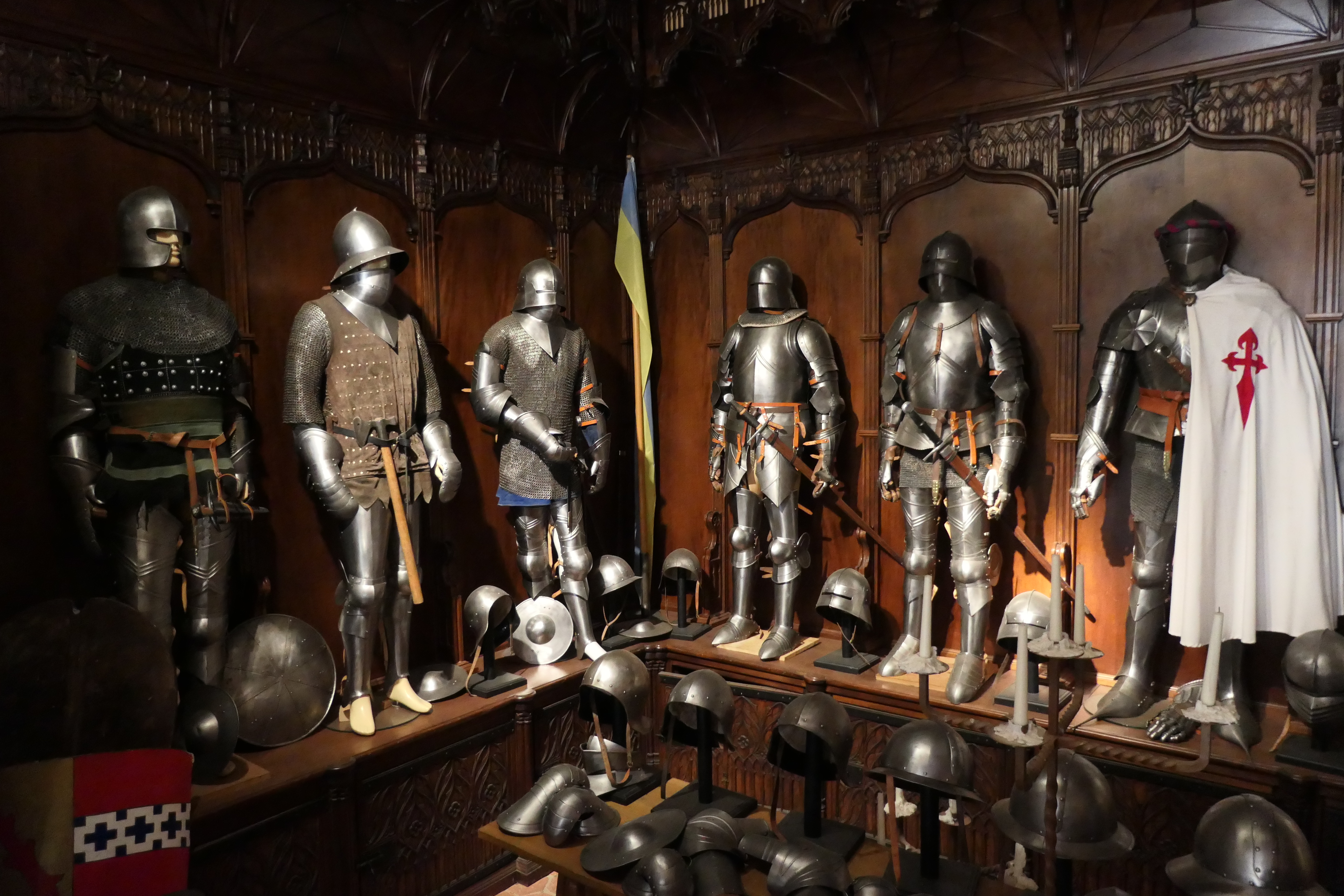
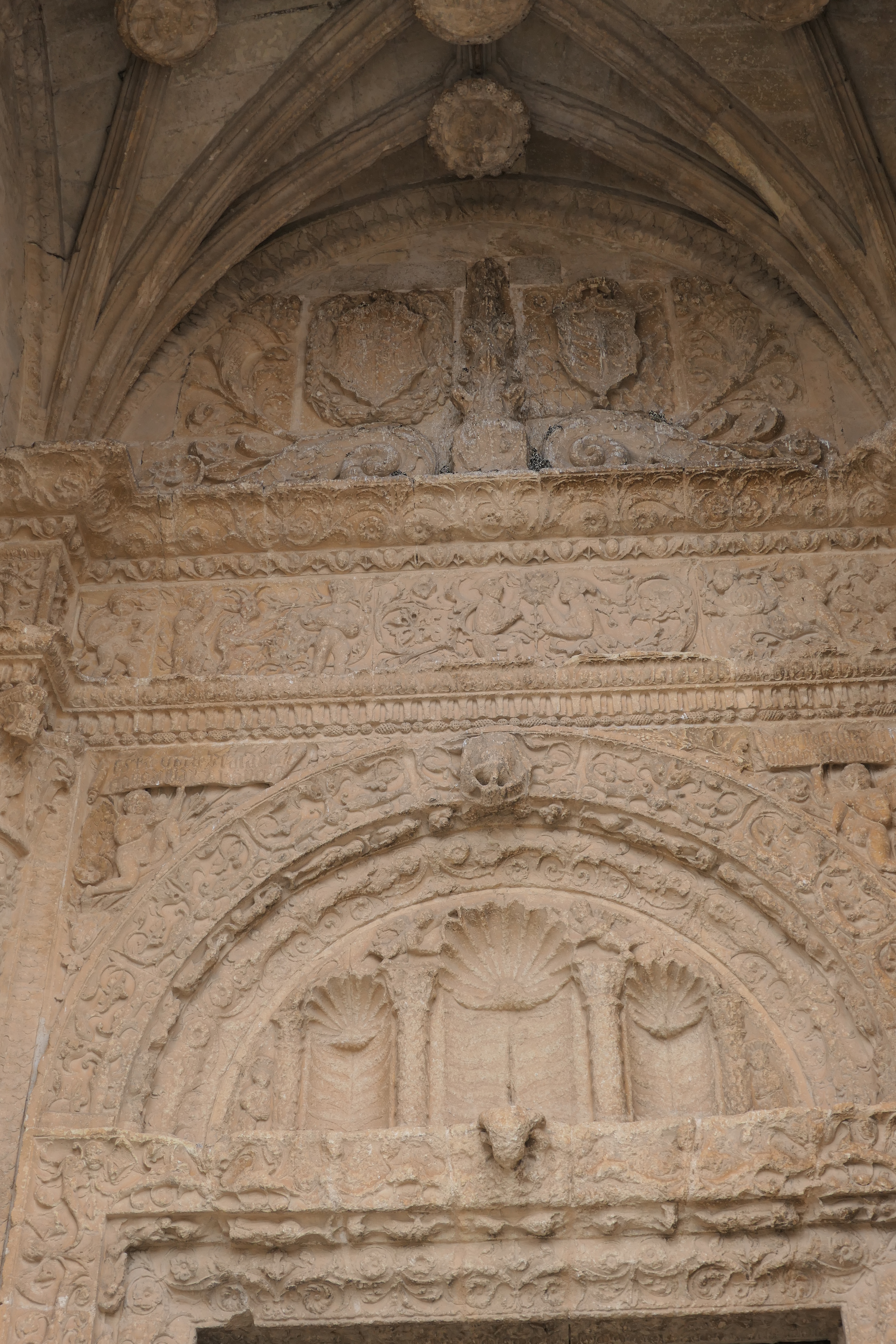
Many of the castle’s interior rooms are open for viewing and they are worth a visit – pay particular attention to the fine woodwork detail.

Alarcón

What is most stunning about this little picture-perfect village is its setting and the drive to up to the entrance. One can imagine what it was like hundreds of years ago, and I’m guessing the view has not changed much. The main castle keep is now a parador (hotel). A Moorish fortress was constructed here in the 8th century and forms the basis for the current castle. You certainly can see how this castle was in a perfect defensive location. The town is worth at least a half-hour stroll for its magnificent buildings and setting on a steep, narrow hilltop above a meandering river (Rio Júcar) with defensive towers seen in several directions from the village. Alarcón is about 2 hours southeast of Madrid by car (188 km or 117 miles).

The view as one enters the village of Alarcón.

If you’re in Madrid and would like to get out of the city for a bit, head to Alarcón, you won’t be disappointed!

Consuegra – Home to Spain’s Windmills

From Córdoba we headed northeast to Consuegra, a small town in the Castile-La Mancha region of Spain. As mentioned in a previous post, we stopped in Calatrava la Nueva on the way. Conseugra was just a quick overnight stop, mainly to see some of Spain’s famous windmills with a castle thrown in for good measure! Most Spanish windmills, like those described in Miguel de Cervantes‘ early 17th century novel Don Quixote, can be found in this arid region of central Spain. 

Location of Consuegra is shown on this map – 183 km (86 miles) directly south of Madrid (next to the word “Spain”). This map shows our entire road trip through southern Spain.

Windmills

Consuegra boasts 12 windmills along the top of a ridge overlooking the town and they are a major landmark and tourist draw. I can see why they built windmills in this region – it was windy (and cold ) during our visit – wow – I could barely stand and had to brace myself from getting blown over – no joke. During our visit we were in the midst of a 3 day storm that had started when we were in Córdoba.

The windmills were used primarily to grind wheat into flour. They were originally built in the 16th century and many were in use until the 1980’s. They have since been restored and a few are open for touring.

Detail of how the windmill operated.

Castle of Lau Muela

Consuegra’s 12th century castle was once a stronghold of the Knights Hospitaller of the Order of St. John of Jerusalem, part of the order’s dominion in the Campo de San Juan region as it was known. The castle can be visited by arranging a tour through the visitor’s center at the windmills. It became a property of the city in the 1960’s and the town has been doing some renovations to the castle.

Consuegra Town

Consuegra’s Plaza de España and 17th century town hall.

Although our restaurant experience wasn’t fantastic, we had a lovely 4 bedroom apartment in Consuegra with a view of the ridge above town and a enclosed garage for our car! If you want to see windmills this is the place to come!

Calatrava la Nueva – Another Less-Discovered Medieval Site Between Córdoba and Consuegra

From Córdoba, we headed towards our next stop, Consuegra (La Mancha region) and the land of Don Quixote (with the windmills!). On the way we decided to take a slight detour and visit Calatrava la Nueva, and of course we were rewarded with an amazing experience. I love exploring less-discovered tourist sights and this definitely ranks among them. Calatrava la Nueva is about 184 km (114 miles) or about 2 hours northeast of Córdoba, roughly about half way between Córdoba and Consuegra.

The location of Calatrava la Nueva is shown in the center of the image above.

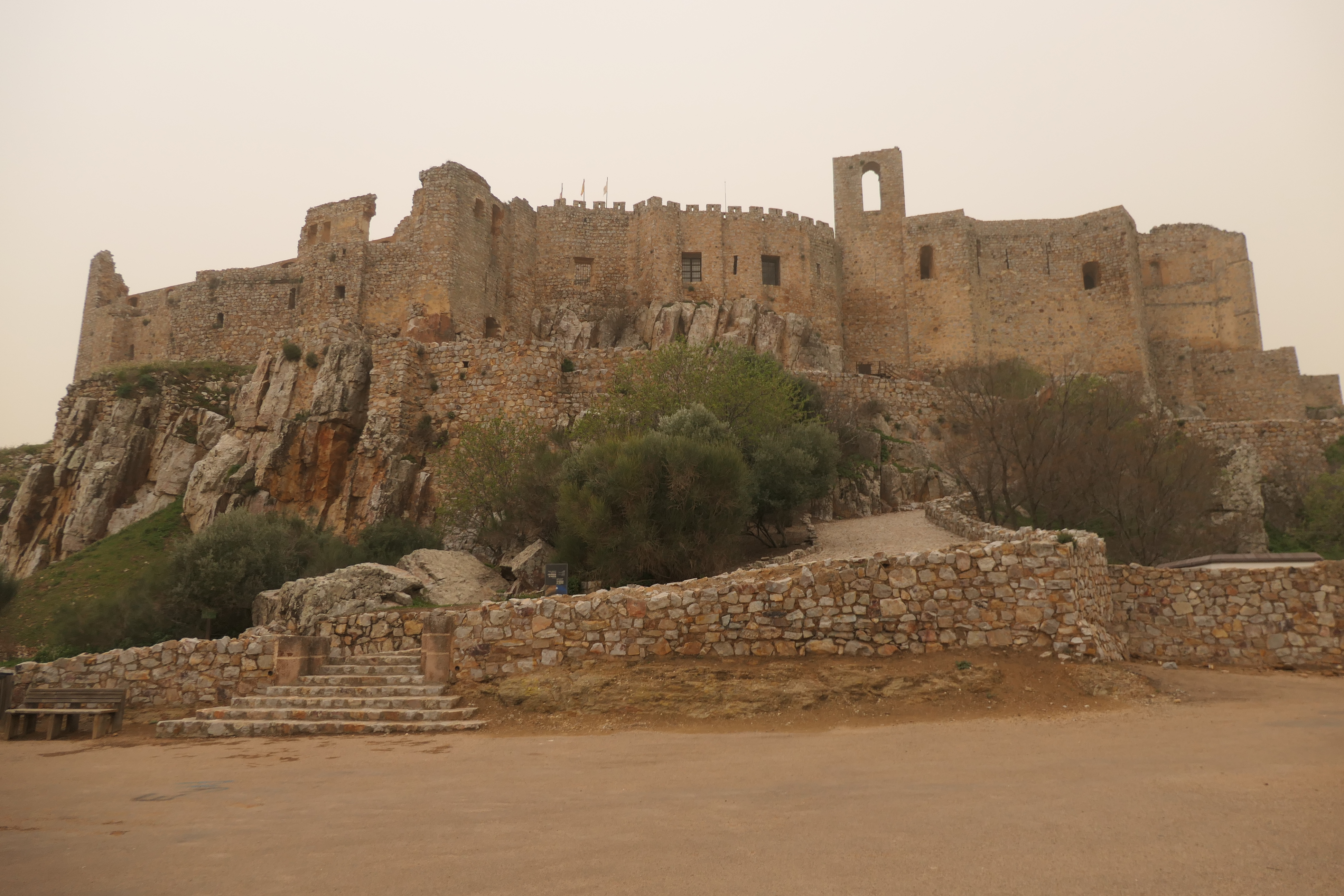
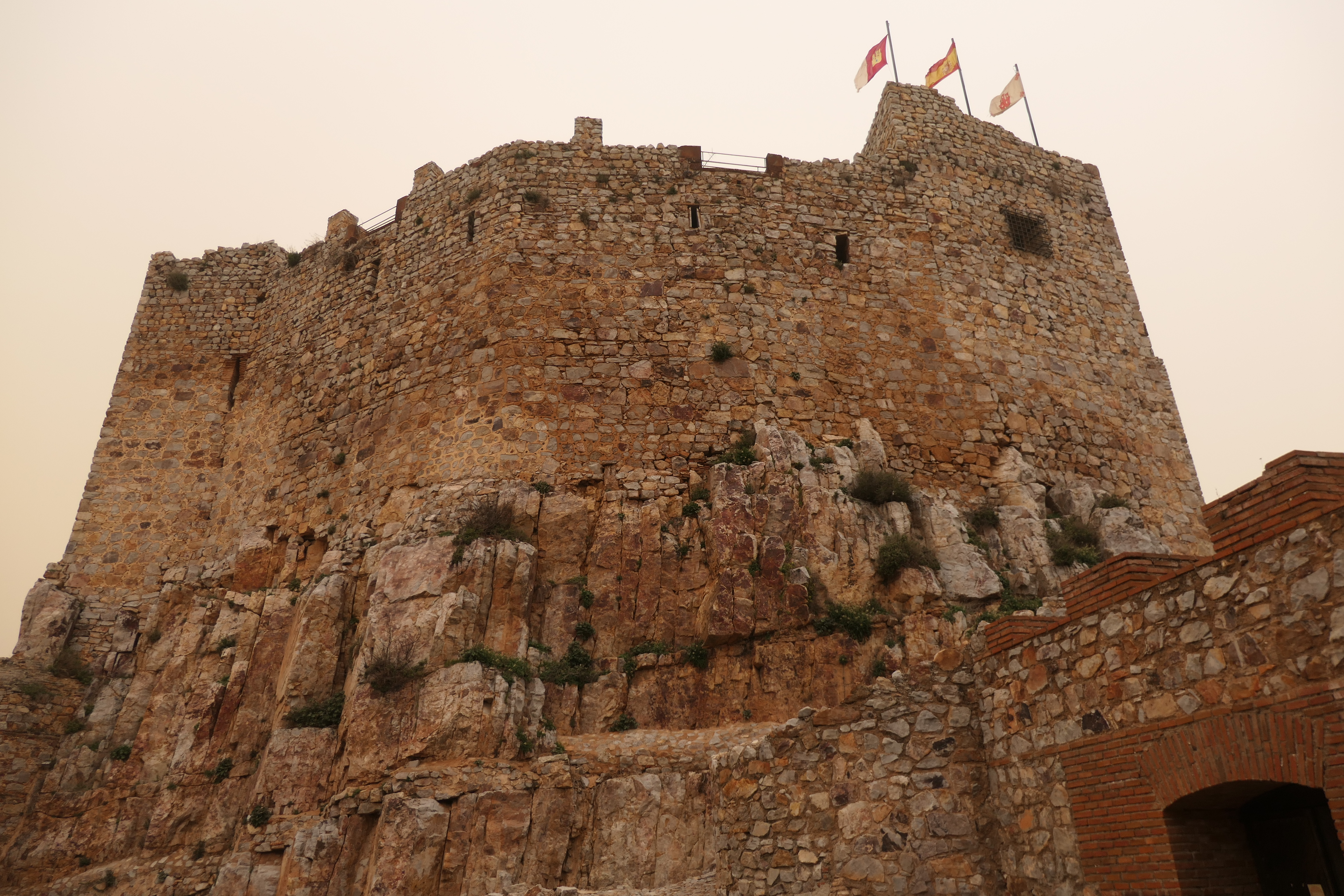
Calatrava la Nueva is a hilltop medieval castle and convent complex, with a commanding view of an old route connecting La Mancha and Andalusia regions of Spain. The site takes its name from the Order of Calatrava, a Spanish military order that moved to this strategic location in 1217 and served as their headquarters for nearly 600 years. More information on visiting this site can be found here. Evidence of human activity at this site dates back to the Bronze Age. There was a village here at the time of occupation by the Order of Calatrava, but unfortunately most of those structures were destroyed since they did not have defensive or military value at the time.

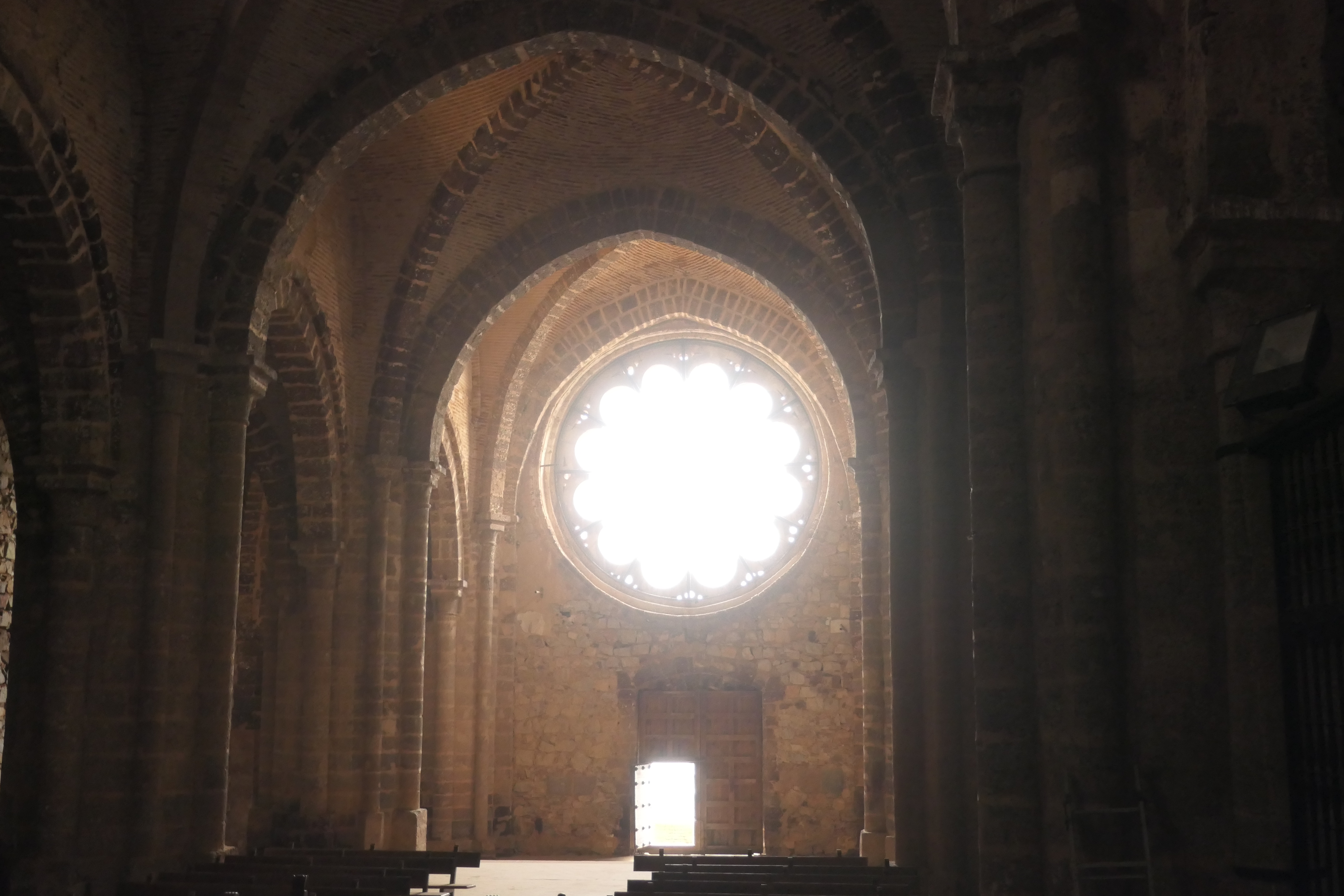
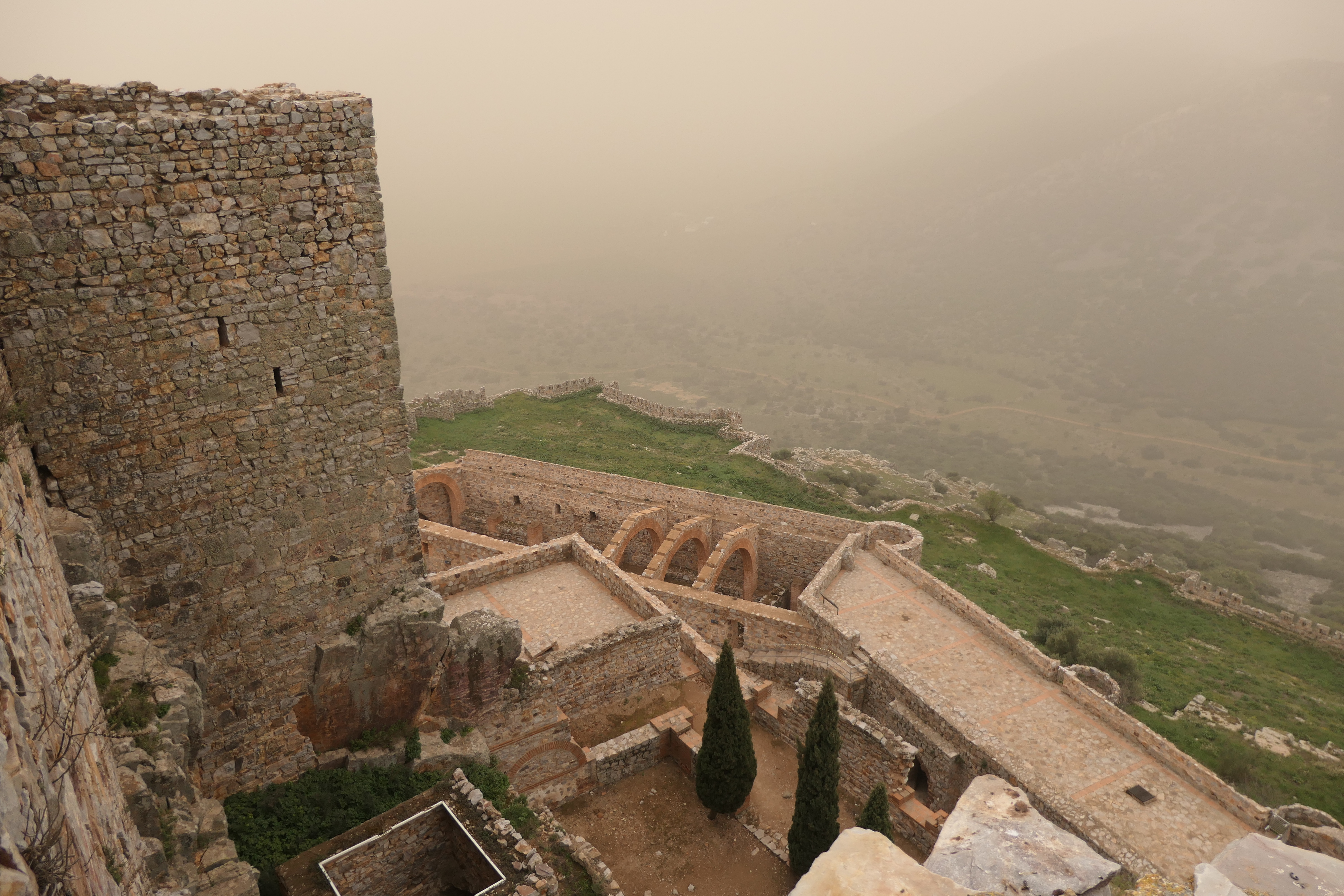
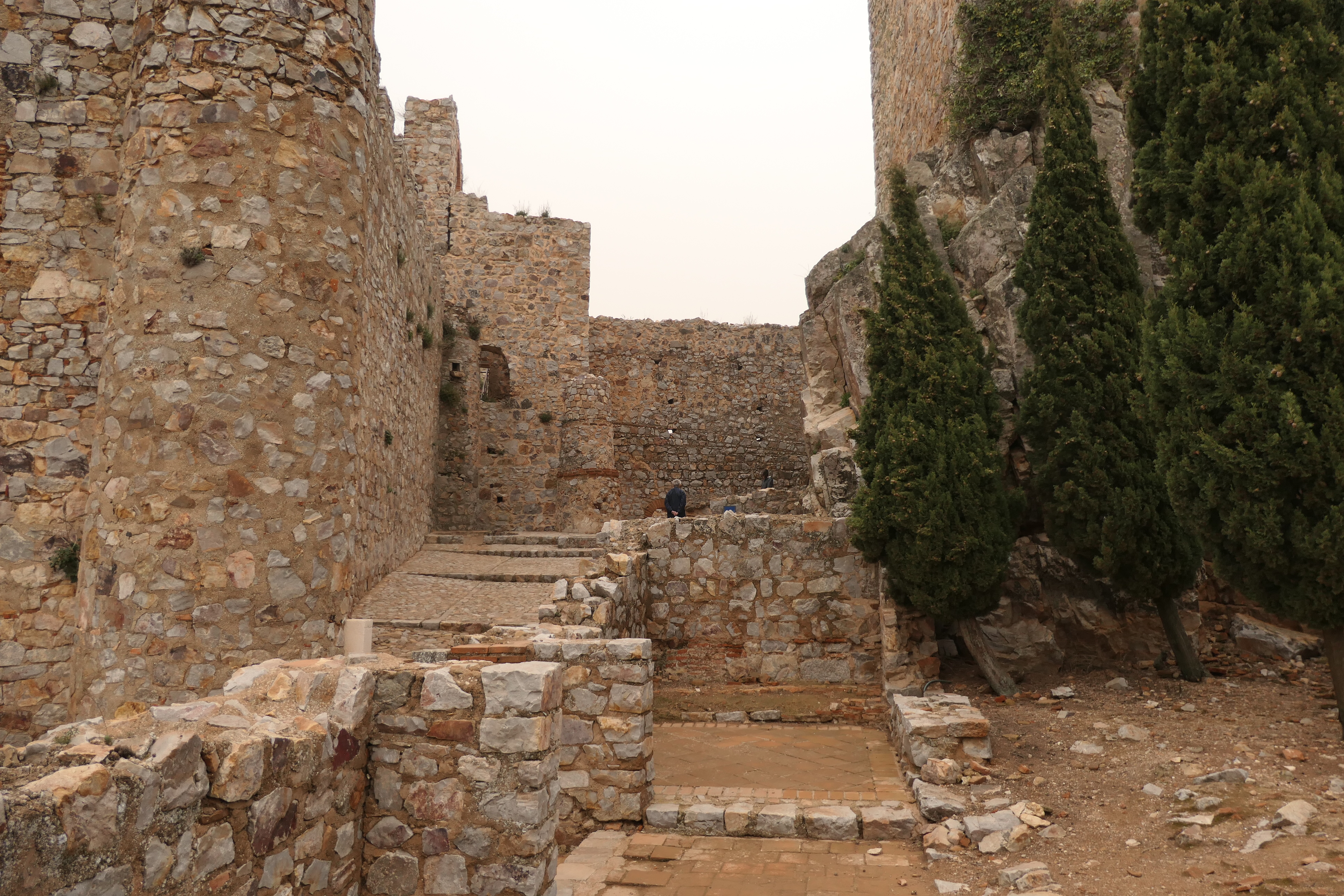
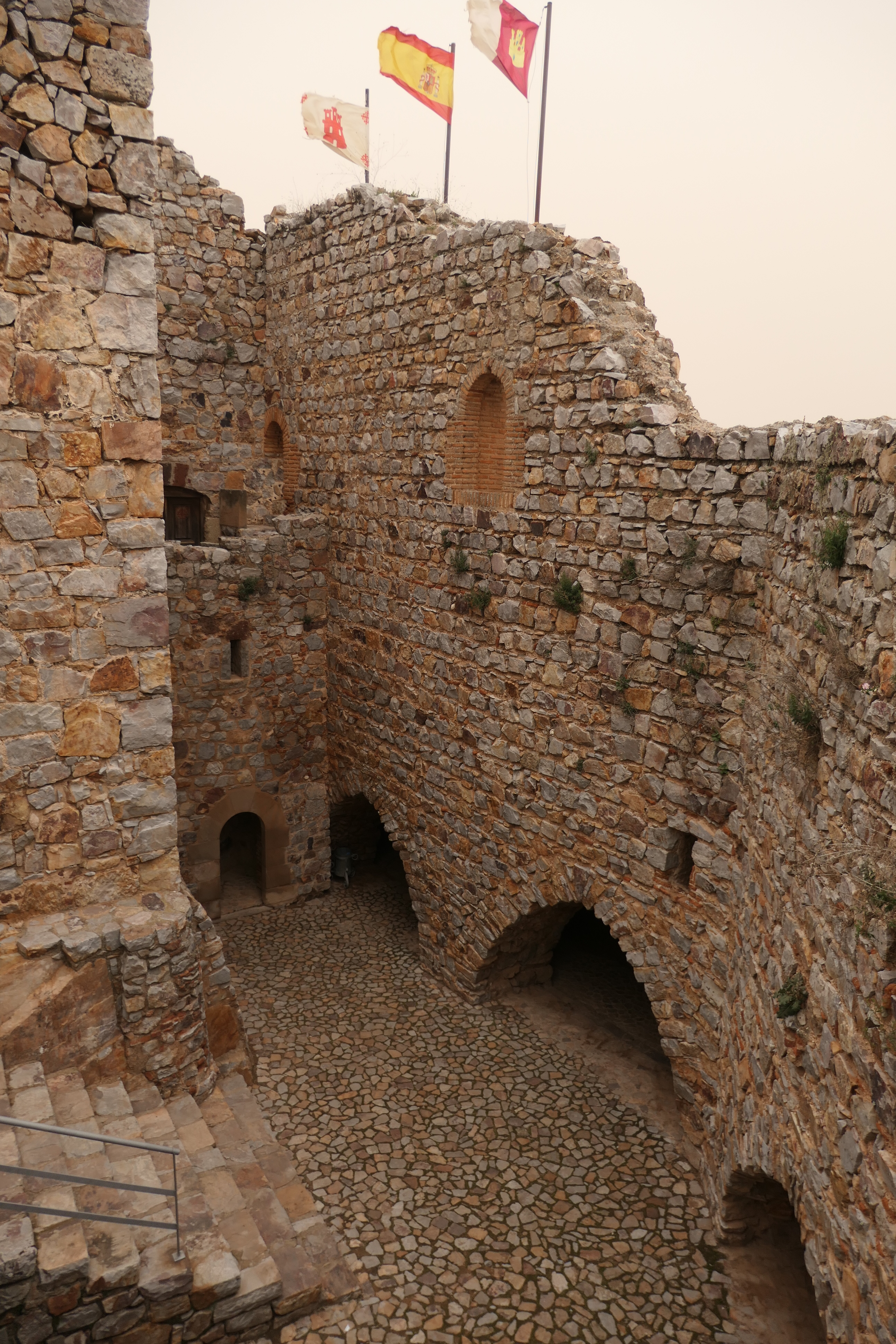
Below are images taken during our visit. We had the site to ourselves in March. I apologize for the orange hue to the images, this is not a defect in the images, but rather caused by an overcast orange sky due to a big dust storm blowing across the Mediterranean from the Saharan desert at the time of our visit. Millions of fine dust particles suspended in the air reduced the visibility of the surrounding area greatly.

I love this image showing how the natural rock of the steep hill was incorporated into the foundation and walls of the castle – what a lot of work to get the structure’s foundation solid enough to last 800 years!

13th Century Church

A highlight of visiting Calatrava la Nueva is the Church or Convent, which dates from the 13th Century. On the day of our visit, one could feel the nearly 1,000 years of history here.

Other Views of Calatrava la Nueva

On a clear day the views from the towers of the Castle would be amazing. Even with our weather conditions we could still see the extensiveness of the castle grounds and service shops required to support a large garrison.

Another view of the Castle Courtyard.

If you find yourself on a driving tour of Spain in the vicinity of Córdoba, take the time to visit Calatrava la Nueva! There was a ticket office on site. The road up to the castle is a bit bumpy and steep, but shouldn’t be a problem for most regular passenger vehicles.

Córdoba – Visiting La Mezquita

From Granada (via Fortaleza de la Mota) we drove northwest to Córdoba (about 200 km or 124 miles). Córdoba is located on the same river (Guadalquivir) that flows through Seville. Seville, Granada and Córdoba form a triangle (of sorts), with Seville in the southwest corner, Granada in the southeast corner and Córdoba in the north. It is common for tourists to visit Córdoba as a day trip (by train or car) from Seville, and this would not be a bad option, except that you would miss seeing little gems like Fortaleza de la Mota along the way.

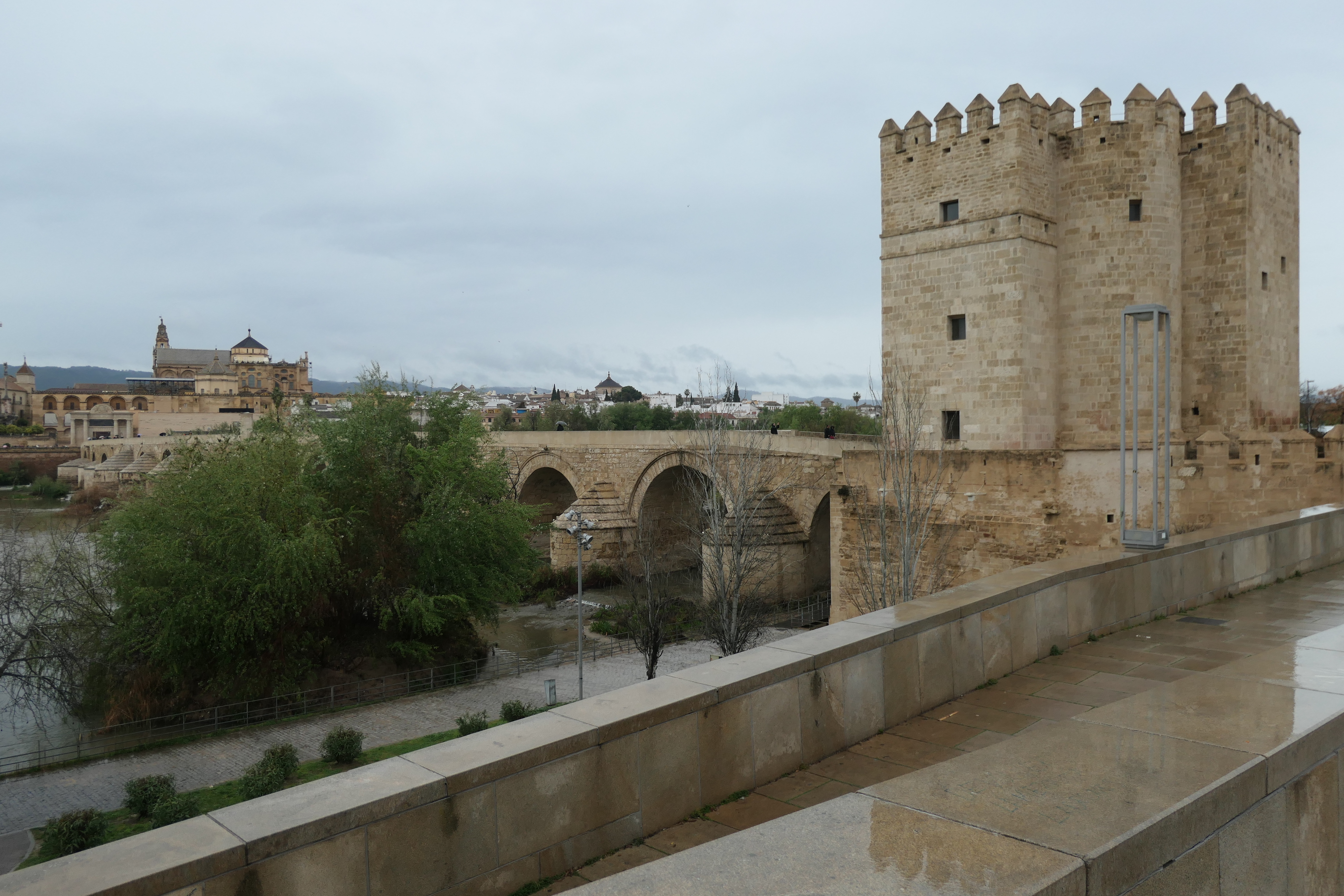
Although there are many reasons to visit Córdoba, the primary tourist sight is La Mezquita. Since we were covering so much ground in southern Spain on this trip, we were in Córdoba just long enough to visit La Mezquita and spend the night here. Our apartment was on the south side of the Guadalquivir River, right next to the Roman bridge (Puente Romano, which leads directly to La Mezquita) – a perfect location to stay in Córdoba when traveling by car – it offers easy access to the old city and convenient parking.

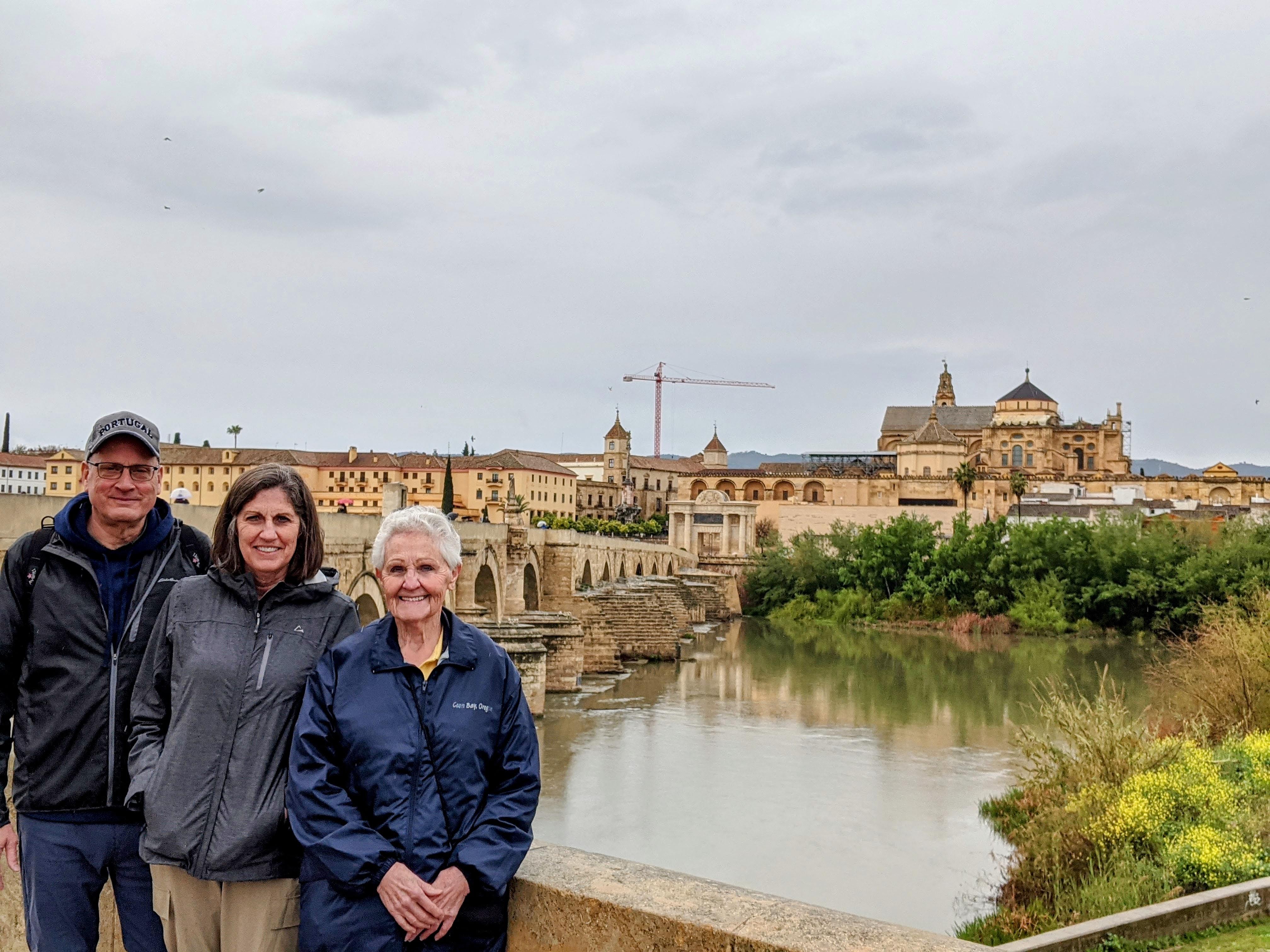
A view of the Tower of La Calahorra (Moorish origin, heavily restored in the 14th century), the Roman Bridge over the Guadalquivir River, and La Mezquita – Cathedral to the left. Our apartment was less than a 5-minute walk from this location. The Roman bridge was originally constructed in the 1st century AD, and then rebuilt by the Moors in the 8th century. Until the mid-20th century, it was the city’s only bridge across the river!!
Another view of the Guadalquivir River, Roman Bridge and La Mezquita in the distance.

La Mezquita

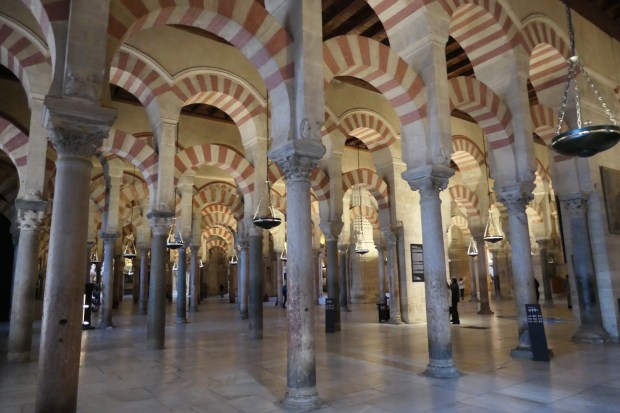
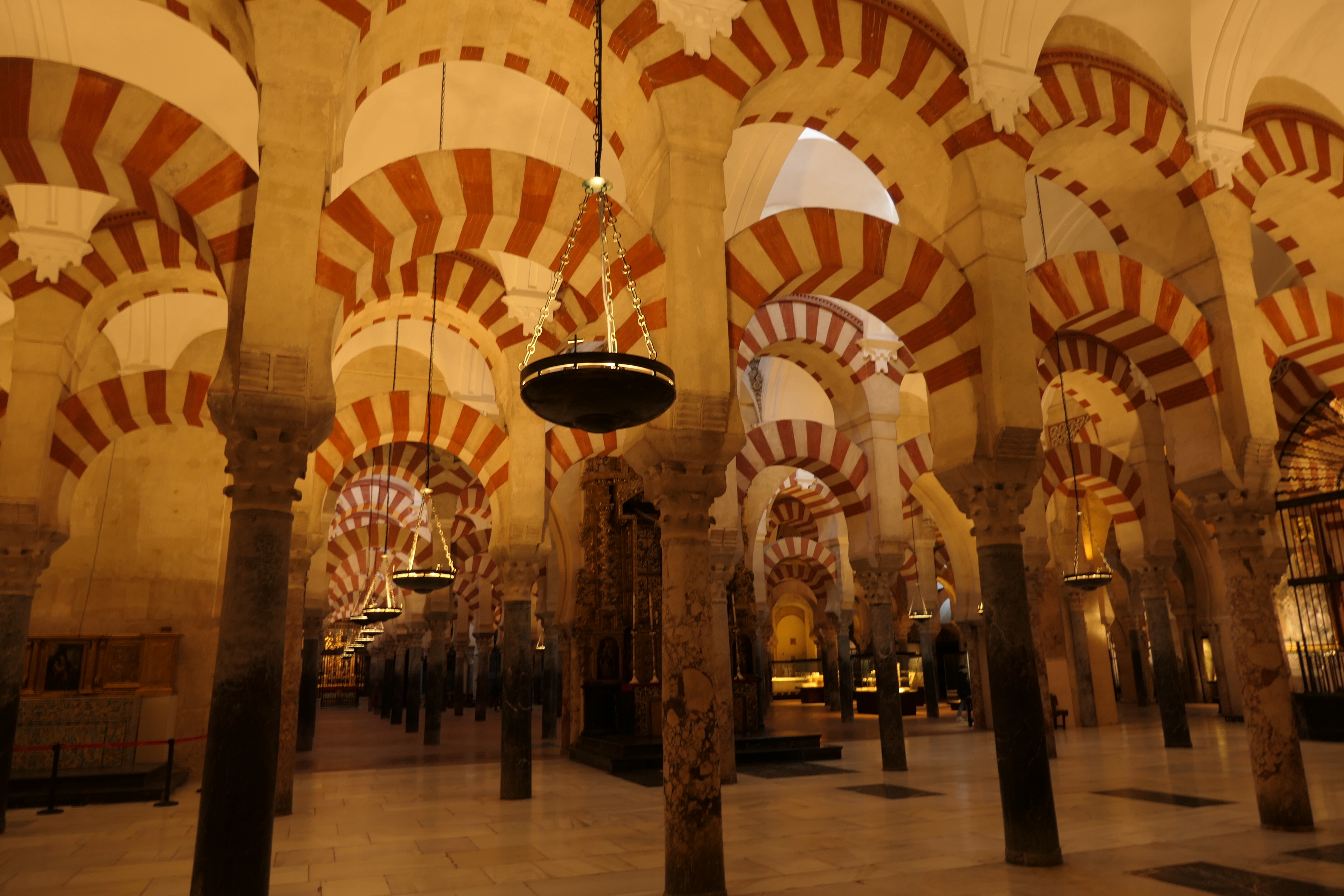
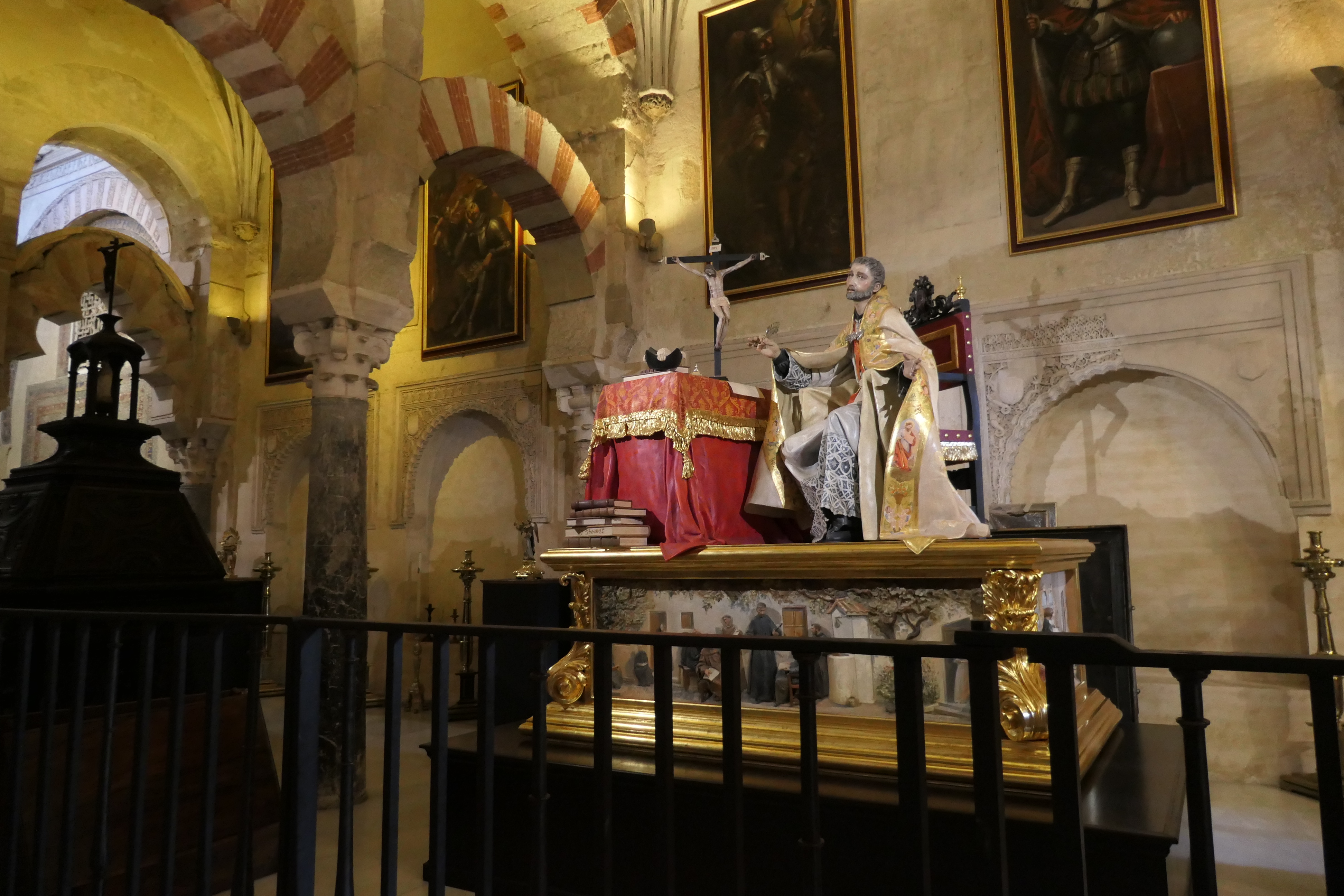
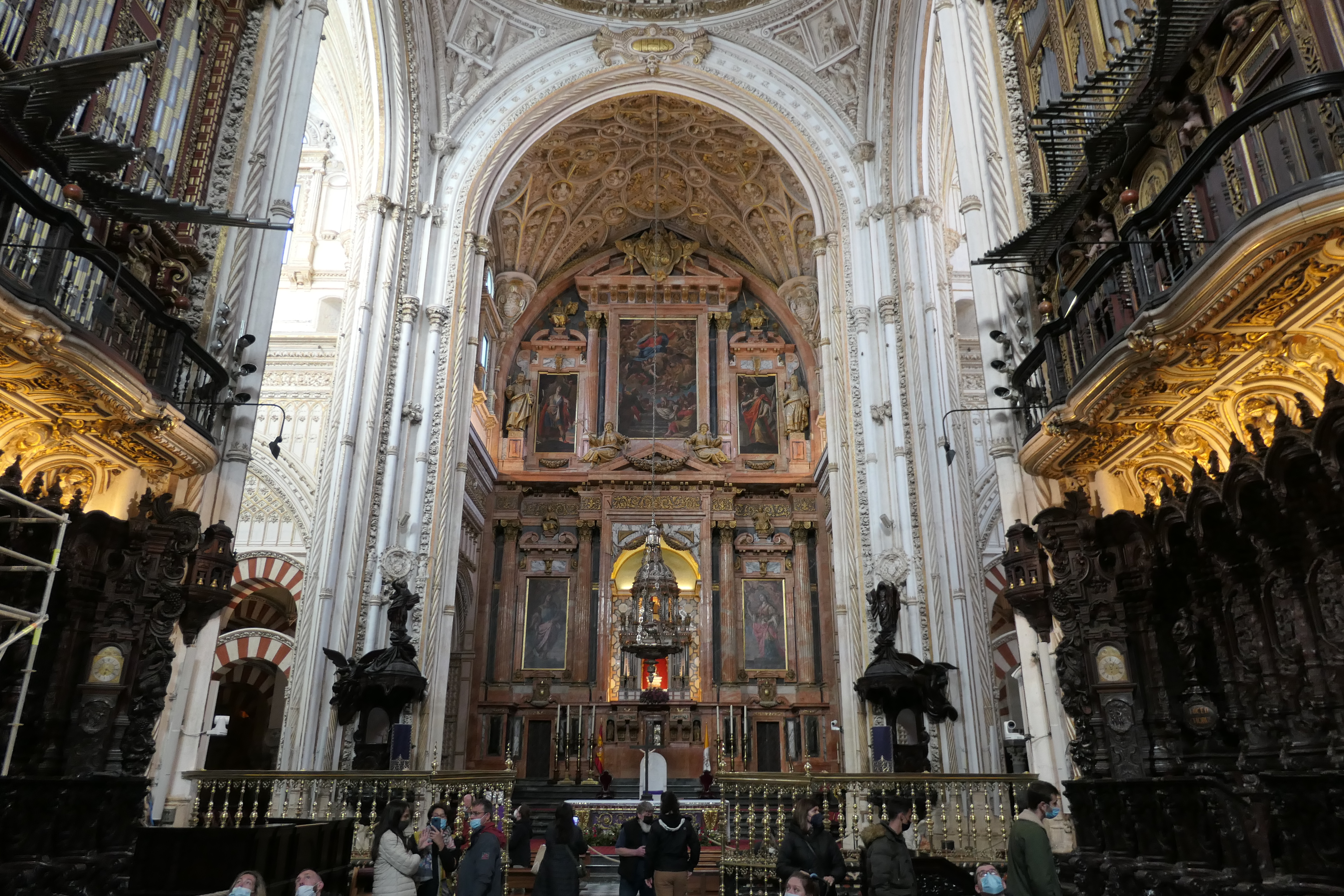
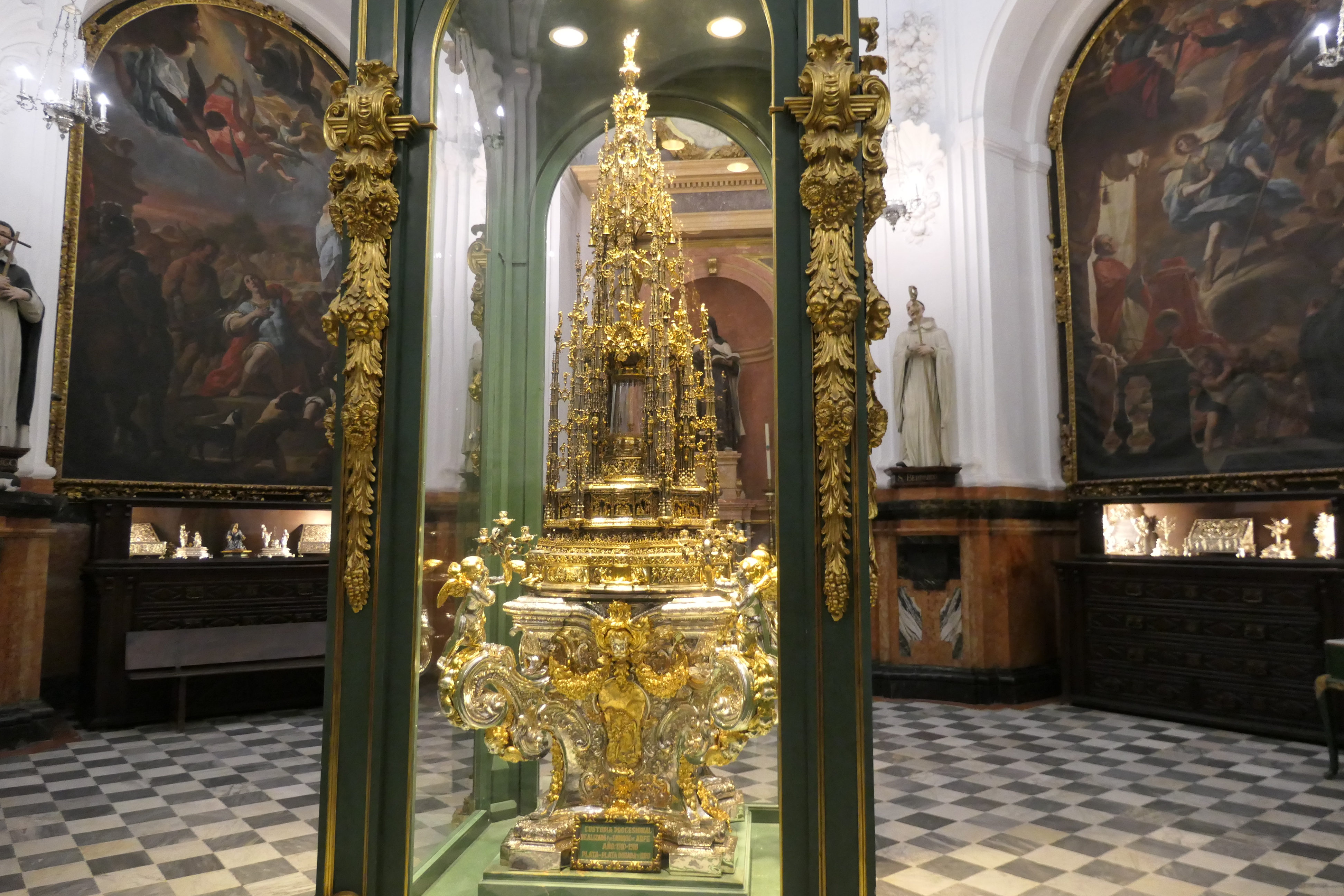
The history of this amazing juxtaposition of structures, cultures, religions and eras is fascinating – learn more here. There is some debate as to the origins of this site of worship (likely dating back to the Roman and Visigoth eras), but much of the present structure dates from the 8th century onwards and served as a Moorish mosque. In the 13th century Córdoba was captured by the Christians as part of the Reconquista and the mosque underwent some modifications. The present structure of the Christian cathedral (incongruently built into the middle of the mosque) we see today was begun in the 16th century.

Below are images from our visit to La Mezquita, we were there on a March afternoon and pretty much had the site to ourselves – just a few other tourists at that time of year. Allow about 2 hours for your visit. Tickets may be purchased on site. After our visit, we wandered through the old town and enjoyed an excellent good dinner. A very enjoyable stay in Córdoba!

Exterior walls of La Mezquita, some of the gates date back 1,000 years or more.
A delicious meal to cap off a great afternoon in Córdoba!

If you have the chance, visit Córdoba. Even if you have visited many European Christian Cathedrals, I’ll guarantee haven’t experienced one quite like La Mezquita! I am grateful that so much has been preserved of the original mosque, providing unique insights into the Iberian peninsula’s Moorish era.

How Taking a Guided Tour Can Provide You With the Best Photo Opportunities

(Contributed post from Samantha Dunn – Sam is a freelance writer who loves food and traveling. She has been a digital nomad exploring different countries for over a decade. She particularly loves the beach and enjoys trying new cuisines from each place she has visited.)

Traveling is exciting, but it can also be pretty daunting. Organising transport, accommodation and activities can be a huge task and may sometimes create so much stress that our holiday ends up being less than relaxing. For many people, booking a resort holiday at a popular destination is the easiest way to enjoy a well-deserved break.

But what if you want to venture off the beaten path? If you are an avid photographer, you may be a little bored of the same old beach photos. For those looking for unforgettable, rare experiences and amazingly unique photo opportunities, escorted tours are the perfect way to travel. Here’s why:

Local Knowledge

Traveling to distant lands and new horizons requires a lot of trial and error to find those breathtaking places. But with a local tour guide leading the way, you’ll find yourself seeing the very best your destination has to offer. As someone who knows all the hidden beauty spots, incredible viewpoints and the perfect time of day to witness spectacular scenes, tour guides are invaluable when it comes to getting those perfect travel photos.

You’re also likely to see more of the area, as your guide will be able to save you time and money with your travel arrangements already organised. Often, tours get discounted entry to popular attractions and you could even find yourself having a better seat (meaning better views) simply because you’re traveling with a tour guide.

Photo by Tamar on Unsplash

Exclusive Access

There are some incredibly exclusive locations in the world where you are only allowed to venture with an escorted tour. For places like Antarctica, these regulations ensure the safety of the intrepid explorers due to the dangerous landscape and severe conditions. Visitors to the frozen wonderland can get some amazing photographs of penguins, whales and even polar bears.

Sometimes, access is restricted to preserve delicate environments and historical artifacts, as with tours to the Actun Tunichil Muknal (ATM) Caves in Belize. Trekking through lush jungle and wading through subterranean rivers, you’ll reach the famous archeological site filled with amazing Mayan relics. With a camera at the ready, joining a guided tour to one of these unique locations can give you access to some incredibly rare shots.

Extra Pair of Hands

Solo travelling can become pretty lonely, and one of the best benefits of a guided tour is that you are sure to meet like-minded people. This can come in handy for your photography, as sometimes, you may need a little help to get the shot you’re after.

Plus, if you would like to feature in a few of your travel photographs, it’s understandable to be hesitant about asking a stranger to take your precious camera and photograph you. But with your new friends from your tour group close by, you’ll always have an assistant photographer to lend a hand.

Photo by Ivana Cajina on Unsplash

Do Your Research

Wherever you plan to visit with a tour, be sure to still thoroughly research both the tour company and the destination, to ensure it’s the perfect match for you. Check government legislation and be sure you meet the criteria of the tour to avoid any disappointment or setbacks once you arrive. For example, if you book a hiking tour, be sure to invest in some good quality walking boots and have a reasonable level of fitness.

Whenever you choose to explore with your tour guide, you’re sure to have fun, make new friends and find some incredible photo opportunities along the way.

Featured Image Credit: Photo by Jakob Owens on Unsplash

Staying Healthy and Safe When Traveling for Business

In this post our frequent guest writer, Jesse Clark, provides travel tips for those traveling on business. Check out the links included, they contain useful resources. Jesse’s bio sketch is below. 

There are a few reasons why traveling for work can be bad for your health. One of them is the stress that comes with it. Then, when you’re constantly on the go, it’s hard to find time to take care of yourself or get enough sleep or exercise. That’s why The Independent Tourist has assembled some tips and resources to help you stay healthy and safe when you travel.

Eating Healthier

Eating healthy on the road is not easy. When you are traveling for work, you are most likely eating out for every meal. This can be really expensive and can take a toll on your health.

The first thing to do is pack snacks that will be easy to eat while traveling, like whole-grain pretzels, crackers, bread sticks, trail mix, and protein-high snack bars.

Use your smartphone’s apps to help you find a restaurant with healthy food on the go or healthy options at convenience drive-thru restaurants.

Dehydration can also be a huge problem for those who travel for work. If possible, bring your own insulated water bottle, one that can close tightly and keep your water cool – this especially helpful on long airplane trips. And stay away from alcohol, as it also causes dehydration.

Getting Enough Sleep

Traveling for work can cause some major disruptions in your sleep schedule. A lot of people find themselves staying up late or waking up early to catch a flight, and then they feel tired when they arrive at their destination.

The best way to combat jet lag is to try to maintain your normal sleep schedule as much as possible. This means going to bed at the same time every night, even if it’s not the normal bedtime in the new time zone.

There are a lot of apps to help you both fall asleep and wake up, like The Sleep Genius app for Android or travel-size room humidifiers that add moisture to dry hotel room air.

Getting Enough Exercise

When traveling for work, it’s easy to get caught up in the hustle and bustle of the day. As you’re meeting with clients, attending meetings, and staying up late to finish that report, it’s hard to find time to exercise or take care of yourself. Do some research before booking a hotel so that you will have access to a gym or pool, and make sure it’s something that appeals to you. It’s also a good idea to bring your workout clothes with you as well as any equipment you’ll need.

If you don’t have access to a gym, you can always get your exercise the old-fashioned way. Depending on your hotel’s proximity to restaurants and stores, you could walk instead of driving to run errands. That’ll help you fit in a little exercise and stay active on your trip.

Traveling With Your Dog

Traveling with your dog is great for companionship and safety when walking and jogging, as well as saving you money on boarding facilities. If it’s possible to bring your dog with you when you travel, bring a dog first aid kit and an extra leash, and ensure ID tags and their microchip are up-to-date. A GPS dog collar is a wise investment since it’s too easy for your dog to become lost in a strange place with no way to get back home. Find one that utilizes real-time mapping, allowing you to track your dog from a handheld device or your smartphone. This means you can keep up with your dog’s location as they move.

Hotel Safety

  • Lock your door or room when you are inside, never let anyone else in without your permission, and keep your door locked when you are out of the room as well. When inside, engage the deadbolt and privacy latch or chain.
  • If you have any valuables, keep them with you at all times or lock them up in the hotel safe. Or, place money and valuables in the safe deposit box at the hotel’s front desk. At a minimum, get a small lock for your suitcase and be sure to lock it up while you’re out of your room.
  • Ask where the nearest fire stairwell is located. Make a mental note of which direction you must turn and approximately how many steps there are to the closest fire stairwell.
  • Sensitive documents should be placed in the safe but always back them up with digitized copies. Adding pages to PDFs you can keep everything together. Try using this free tool in order to combine PDF files and stay organized.

Be Your Own Boss

Another way to take some of the stress out of traveling for business is to simply become your own boss! You can do this by starting your own company. Of course, you’ll need to settle on a business structure. An LLC is a popular choice because of the legal protections and tax benefits, as well as the reduced paperwork. You can set it up yourself, or better yet, work with an online formation service.

With some smart planning, from things like packing healthy snacks and knowing how to keep yourself safe in your hotel to organizing documents for travel and keeping your pet secure, you can make any business trip safe, healthy, and productive.

Jesse Clark is a traveler, so she’s no stranger to experiencing wanderlust and that strong desire to travel. She’s already had enough experiences to last a lifetime, but she’s not stopping anytime soon. Find out more and contact her through soulful-travel.com.

The Independent Tourist has all the travel tips you’ll ever need! To get in touch, please email theindependenttourist@gmail.com.

Note: Image courtesy of Pexels.
Fortaleza de la Mota – A Fun Stop Between Granada and Córdoba

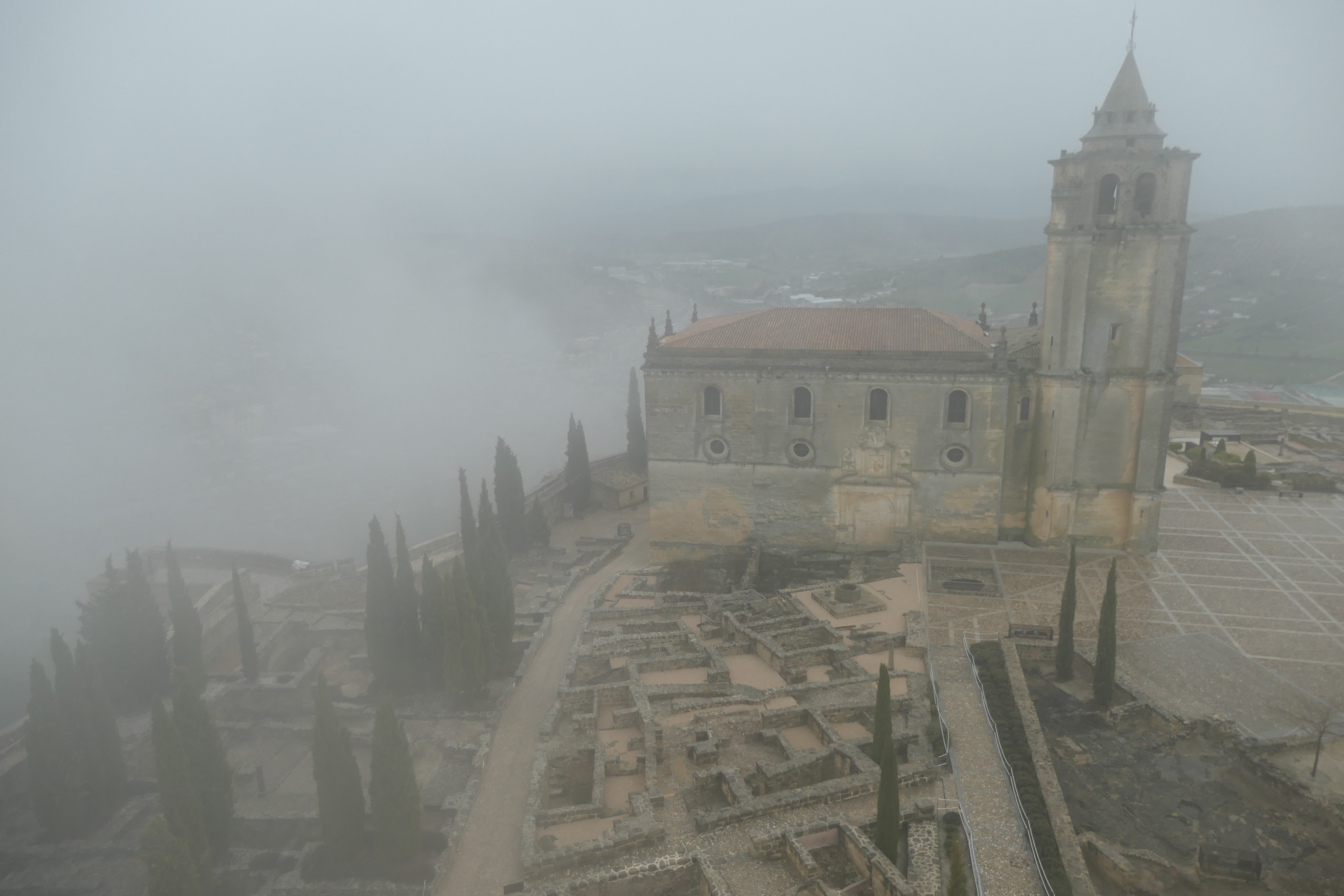
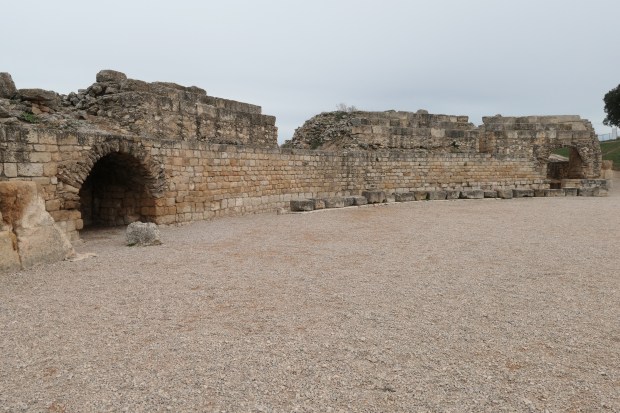
Fortaleza de La Mota sits on a hilltop dominating the little town of Alcalá la Real, Spain. This interesting fortress-citadel is less than 60 km (37 miles) northwest of Granada, right on the way to Córdoba. It was one of those fun, unplanned discoveries. The night before we left Granada, I was just browsing the internet to see what interesting sights we might find on our way to Córdoba, and came across this gem! Its origins date back to the 8th century although what remains is largely 13th – 14th centuries and later. Originally a Moorish stronghold, it was the last defensive bastion standing in the way of the reconquest of Granada by the Christians in the 15th century.

Unfortunately the weather on the day of my visit was super windy, rainy and cold. So, I grabbed my umbrella and rain jacket and checked out the fortress on my own while my family stayed warm in the car. I am so glad I made the effort! The entrance to the citadel is not hard to find, just drive uphill by car from the modern town center. There is a little parking area, restrooms and visitors booth where you purchase your ticket before taking steep path up to the fortress.

A display in the church showing what Fortelaza de la Mota may have looked like in its earlier days.

Once you reach the citadel, there are several things to check out:

Tower of Homage

I welcomed a visit to this tower, which gave me a few minutes respite from the cold wind and rain.

A view of the Tower of Homage in a wind and rain storm!

Mayor Abbey Church

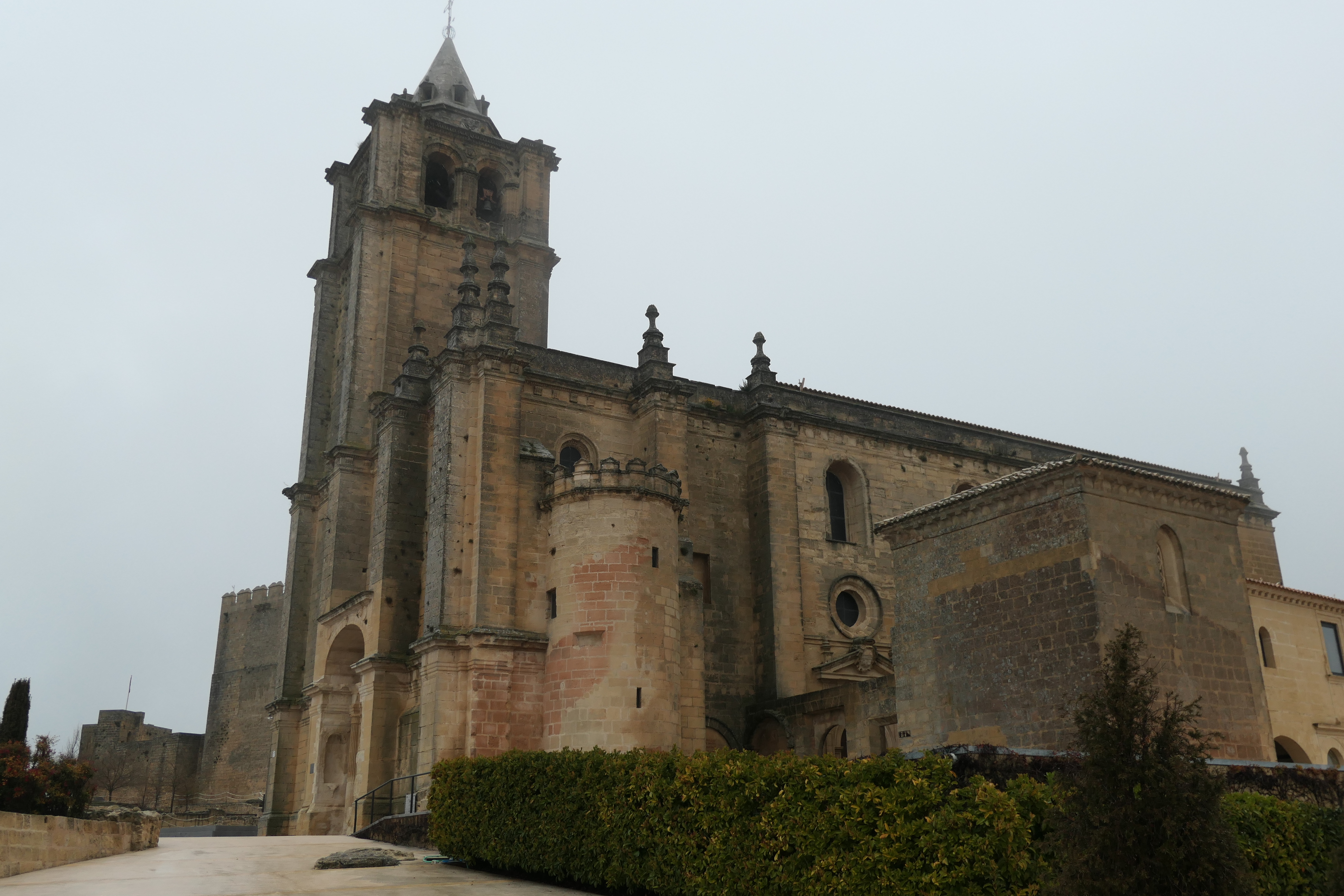
While no longer a functioning church, this structure is quite interesting with several displays and large screens in the nave, where the history of the citadel is explained in a short film.

The Mayor Abbey Church.

Citadel Ruins

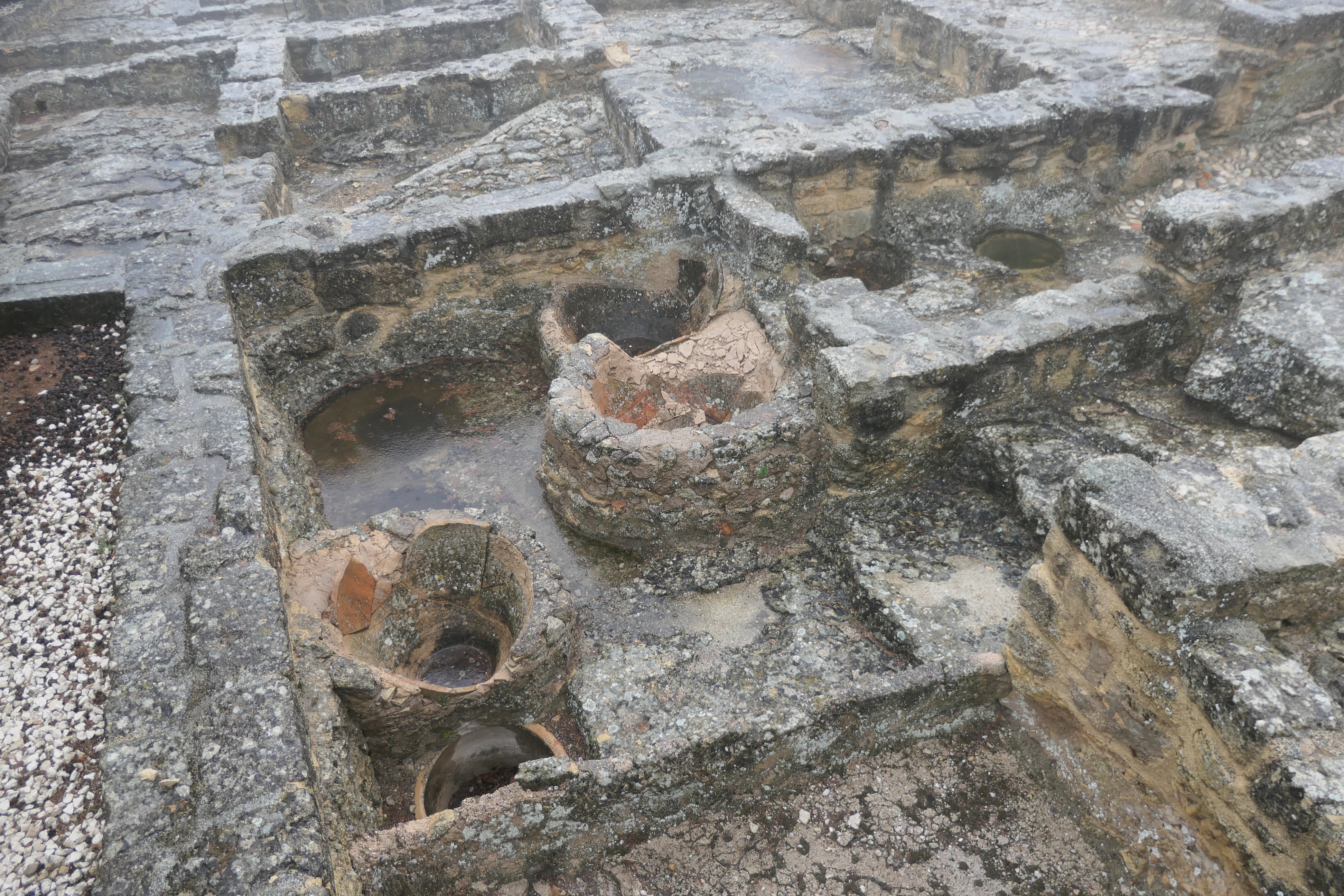
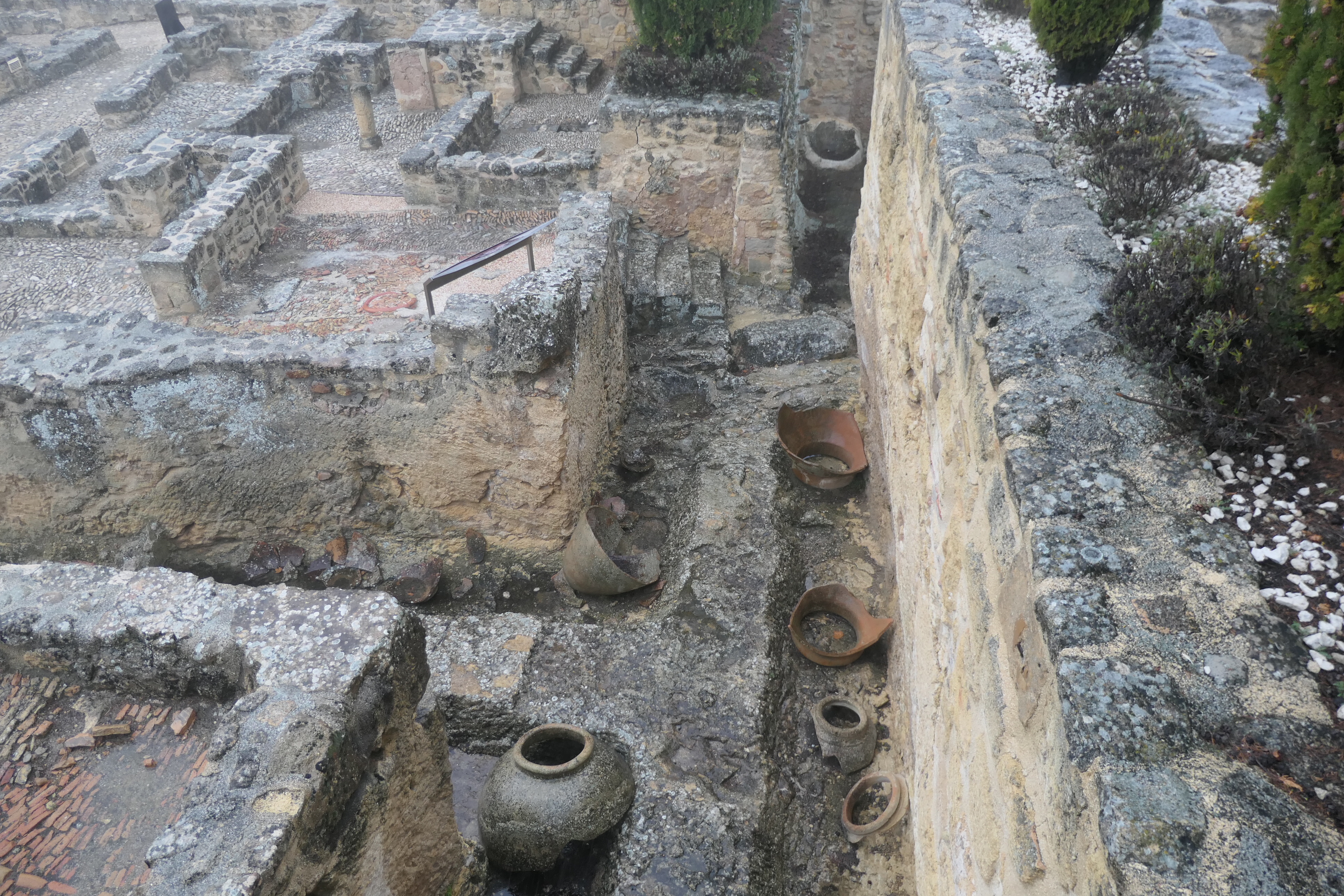
On the plateau outside the tower and church are numerous ruins of the once prosperous citadel. Sign posts help explain the layout and various activities that occurred there. Around the 18th century, the townspeople left the citadel and began to populate the area below it, which was much better suited to agricultural pursuits and population growth.

On my way back to the car park, I noticed other extensive ruins cascading down the hillside as the weather cleared a bit. However, I don’t think they are open for the tourist.

For a little history on Fortaleza de la Mota check out Wikipedia. If you take the drive between Granada and Córdoba, don’t miss this interesting sight! During my visit, I saw two other tourists – I pretty much had the whole site to myself – of course, the weather probably had something to do with that!

Traveling With Kids? Here’s How to Have a Stress-Free and Enjoyable Vacation

In this post our frequent guest writer, Jesse Clark, provides travel tips for those traveling with children. Check out the links included, they contain useful resources. Jesse’s bio sketch is below. 

Traveling is often an exciting activity as it allows you to visit new places, have novel experiences, and create cherished memories. But, when traveling with kids, it’s always best to err on the side of caution. This is because kids will have needs that should be prioritized, which can influence where, how, and when you can travel. For families planning to travel in the near future, The Independent Tourist will explore useful steps that will help you plan, execute and enjoy your vacation to the fullest!

Create a Sound Itinerary

Creating an itinerary is one of the most important steps when traveling with kids, as it helps you stay organized and be mindful of what to expect next each day, as reported by Families Love Travel. Additionally, as a rule of thumb, try to keep at least two hours of free time each day, whether in the morning or evening, to ensure that everyone (especially kids) has some time to rest, rather than traveling from one place to another.

Ideally, your itinerary should be made at least a couple of weeks to a month prior to leaving. This will provide ample time to make reservations for a hotel, transport, tickets for tourist attractions, and more.

Determine Your Budget

More often than not, travelers tend to overspend when on vacation. This can be an accumulation of costs, including food, shopping, traveling, and souvenirs. While going a bit beyond budget is not alarming, having no control over spending can lead to your wallet being significantly empty once you’re back home. Here’s how to avoid this predicament:

●      Pay in Advance: Hotels and plane/train tickets should always be paid for in advance. This is because you’re bound to find offers and discounts online compared to paying in person. Additionally, you can always include accommodation requests such as an extra bed for kids or an aisle seat to ensure your travel experience is smooth.

●      Determine a Cutoff: Depending on the location and duration of your stay, determine a sensible cutoff – i.e., the highest amount you are willing to spend. This will prevent you from impulse shopping, as reported by Real Simple.

Pack Well in Advance

When traveling with kids, packing will play a key role in how smoothly the trip will go. This is because if you forget to carry important documents or required clothing while packing at the last minute, it will have a domino effect for the rest of the trip. Hence, it’s best to start packing at least 10 days before you travel. This provides ample time for you to take stock of items and even order clothing and equipment needed for the trip. For instance, if you’re looking for a comfortable new nursing bra, you can try this listing.

Prioritize Your Kid’s Needs

Regardless of whether you are traveling short or long distances, it’s important to keep your child’s needs above your own. This is because they are less likely to be adaptable to flight delays, weather changes at new locations, and interactions with strangers. Here are a few ways to ensure they have a safe and enjoyable trip:

●      Pack all required medicines

●      Carry a separate bag with their favorite toys, coloring books, etc., that’ll keep them occupied while traveling

●      Healthy snacks such as granola bars, trail mix, etc.

Additionally, when it comes to accommodations, look for hotels or resorts that cater specifically to families. These will often offer child-friendly activities such as swimming pools, game rooms, playgrounds, and more. Additionally, research the area and look for hotels located close to outdoor places such as a beach, national park, gardens, etc., to ensure that you always have somewhere nice to go to, whether it is during the day or night.

By following the above-mentioned steps of creating a sound itinerary and a good budget, traveling with kids will be easy and enjoyable for the whole family. Additionally, packing early will provide ample time to order clothing and other items you’ll need during the trip.

Jesse Clark is a traveler, so she’s no stranger to experiencing wanderlust and that strong desire to travel. She’s already had enough experiences to last a lifetime, but she’s not stopping anytime soon. Find out more and contact her through soulful-travel.com.

Note: featured images from Pexels.

Traveling Through the Empty Nest: Embracing Adventure in This New Chapter of Life

In this post our frequent guest writer, Jesse Clark, provides travel tips for those who are in a new phase of life. As I prepare to retire soon, and with our children now living on their own, this is a topic that I think about often. Check out the links included, they contain useful resources. Jesse’s bio sketch is below. 

Empty nesters are parents whose children have grown and are now facing an empty home. While this can be a challenging time, it can also be an opportunity to go on new adventures and experiences that were not possible before. One of the best ways to embrace this new phase of your life is through travel. Here are some tips on enjoying your newfound freedom from The Independent Tourist.

Take Weekend Road Trips

Weekend road trips are a great way to explore nearby destinations without taking too much time off work or spending too much money. Depending on where you live, there may be plenty of options within a few hours’ drive. Consider renting an RV or booking a cabin in the woods for a unique experience. Renting an RV for a few days can be a great way to learn if that lifestyle suits you.

Go on an Overseas Adventure

If you’ve always dreamed of traveling overseas, now is the perfect time to do so. With no kids to worry about, you can plan more adventurous trips without worrying about schedules or school breaks. “Shoulder seasons” are a perfect time to travel – the weather is still good but most families have headed back home for the school year. Whether you want to explore Europe’s historic cities or relax on a tropical beach in Southeast Asia, the possibilities are endless.

Visit Friends and Family

Now that your children have left the house, you may find that you have more time and energy to visit friends and family members who live far away. If driving, you can explore interesting places along the way. You can also use this time to meet new people and make connections in different parts of the world.

Explore New Cities You’ve Never Seen

There are probably plenty of cities and states in your own country that you’ve never had the chance to explore. Take the opportunity to do some research and choose a few destinations that you’d like to check out. Make sure to plan ahead so you get the most out of your trip and have plenty of time for sightseeing and other activities. Take advantage of this new phase of life by planning trips to places like New York City or San Francisco or even national parks like Yellowstone or Yosemite. You can even head out to one of the many Disney parks scattered throughout the country. Check out Mouse Life Today to learn all about the Disney Vacation Club.

Escape to Somewhere Peaceful

If you’re looking for a more relaxing vacation experience, consider escaping somewhere peaceful like a spa resort or secluded beach town. These are perfect for recharging your batteries and reconnecting with yourself. Make sure to plan some time for meditation, yoga, and other activities that will help you relax and unwind. No matter where you choose to go on your empty nest adventures, make sure that it’s something that feels right for you.

Pack Light

When traveling as an empty nester, it’s essential (and easier) to pack light and stay organized. Avoid overpacking by making a list beforehand and sticking only with essentials. Packing cubes can keep everything organized in your luggage.
Organize Travel Documents

It’s important to keep your travel documents organized digitally for easy access during your trip. Storing travel information and medical records as PDFs make them easy to access. Additionally, you can split a large file into several smaller ones using this free tool, so you can securely store and access them from any device, making them a convenient solution for traveling empty nesters.

In conclusion, becoming empty nesters does not mean that life has come to an end — it’s just the beginning of another chapter full of opportunities for adventure and exploration through travel. Whether it’s taking weekend road trips, going on overseas adventures, or escaping to somewhere peaceful, there is a place out there waiting for you to enjoy.
Jesse Clark is a traveler, so she’s no stranger to experiencing wanderlust and that strong desire to travel. She’s already had enough experiences to last a lifetime, but she’s not stopping anytime soon. Find out more and contact her through soulful-travel.com.

Note: Featured images from Pexels.