Author: Paul Terry

I love to travel. I've been fortunate to visit about 75 countries so far. I prefer to travel independently to get off the beaten path a bit. I also try to find good deals to make my travels more affordable.

A Few Historic Sites in Cagliari You Must Visit

Located at the south end of Sardinia the city of Cagliari is the island’s capital, main city and port. Its population is roughly 150,000. Some cruise lines do make a port call at Cagliari. My recommendation would be to give the city itself 1-2 days and spend the rest of your time in Sardinia elsewhere because there is so much to see on this lovely island, one of Italy’s many treasures.

Unfortunately we didn’t get to do a lot of sightseeing in Cagliari; I had eight hours of business webinars to facilitate from my hotel room which took a chunk of the two days we had planned for our visit here. In spite of my work commitments, we still were able to get out and see a few things in Cagliari.

Cripta Santa Restituta

This church doesn’t look like much until you enter the crypt, and then you realize what a historical gem it is. The crypt is a natural limestone cavern that has a history dating back about 3,500 years to an era of pagan worship. The crypt is named for Restituta, a martyr who made cavern her home in the 5th century. You can see a few faded frescoes from the 13th century and World War II – era graffiti when local residents used the crypt as an air-raid shelter. This crypt was definitely a highlight of our time in Cagliari.

View of the Church above the Cripta Santa Restituta.

Thirteenth century fresco of John the Baptist in Cripta Santa Restituta.

Tuvixeddu Necropolis

If you’d like to see something a bit off the tourist radar, check out Tuvixeddu Necropolis. It is on the edge of the older part of Cagliari and does not seem to get many visitors. There is no fee to visit, and the walking paths are used by locals taking their dogs for a walk. For some reason, the informational placards have been allowed to fade and are hard to read. I understand you can get a tour guide to assist you with your visit and that could be very helpful. There are about 1,000 tombs here, originally developed in the 6th to 3rd centuries BC by the Carthaginians and then reused in Roman times. These tombs were also used as air-raid shelters in WWII. The necropolis is definitely worth a visit! A few images below.

This image shows how deep some of the rock tombs are – I’m guessing this one is about 15 feet deep, over twice my height. Other are deeper. I would love to explore these, but it’s clear the local authorities don’t want you doing that from the signs and access barriers.

Bastione San Remy

This 19th-century structure is one of Cagliari’s iconic locations. From the terrace, you are rewarded with a sweeping view of Cagliari and the shoreline. There are a number of restaurants below Bastione San Remy, this is a good area to wander in the evening as the sun sets.

View of Cagliari from the Bastione San Remy.
View of Bastione San Remi from the street level.
The terrace archway at Bastione San Remi.

Il Castello

This is Cagliari’s hilltop citadel, surrounded by huge walls with several towers and gates. The interior of the citadel seemed pretty quiet – there is a university here and cathedral and some small squares, but not many tourists!

The massive walls of the Il Castello, Cagliari.

Other Views of Cagliari

This is about the only view I could get of the Roman amphitheater in Cagliari, which dates from the 2nd century AD. Unfortunately, it was closed during the time of our visit for restoration work. The amphitheater is just outside the Il Castello.

I would have also liked to visit Poetto Beach – just to the south of Cagliari’s old town. It looks lovely. However, we had visited many other beaches in Sardinia so we decided to prioritize our time to see the city’s other sights.

Hotel

We stayed at the Palazzo Tirso hotel in Cagliari, a beautiful hotel right on the waterfront and close to everything we visited above. The service was excellent and the room was very comfortable. I wanted to ensure I had good internet capability and I needed an early check-in, so we chose this hotel. Definitely recommended!

The pool and lounge area on the rooftop of the Palazzo Tirso Hotel.

Outside Cagliari

There are several other interesting sights not too far from Cagliari that could make nice day-trips, including the ancient Su Nuraxi di Barumini (which you can read more about here). Also, the Roman settlement of Nora (west of Cagliari) is definitely worth visiting and the fantastic resort area of Villasimius, southeast of Cagliari – with so many beautiful beaches it’s hard to know where to begin! I will be posting about Nora and Villasimius soon.

Explore Blackness Castle: A Historic Day Trip Near Edinburgh

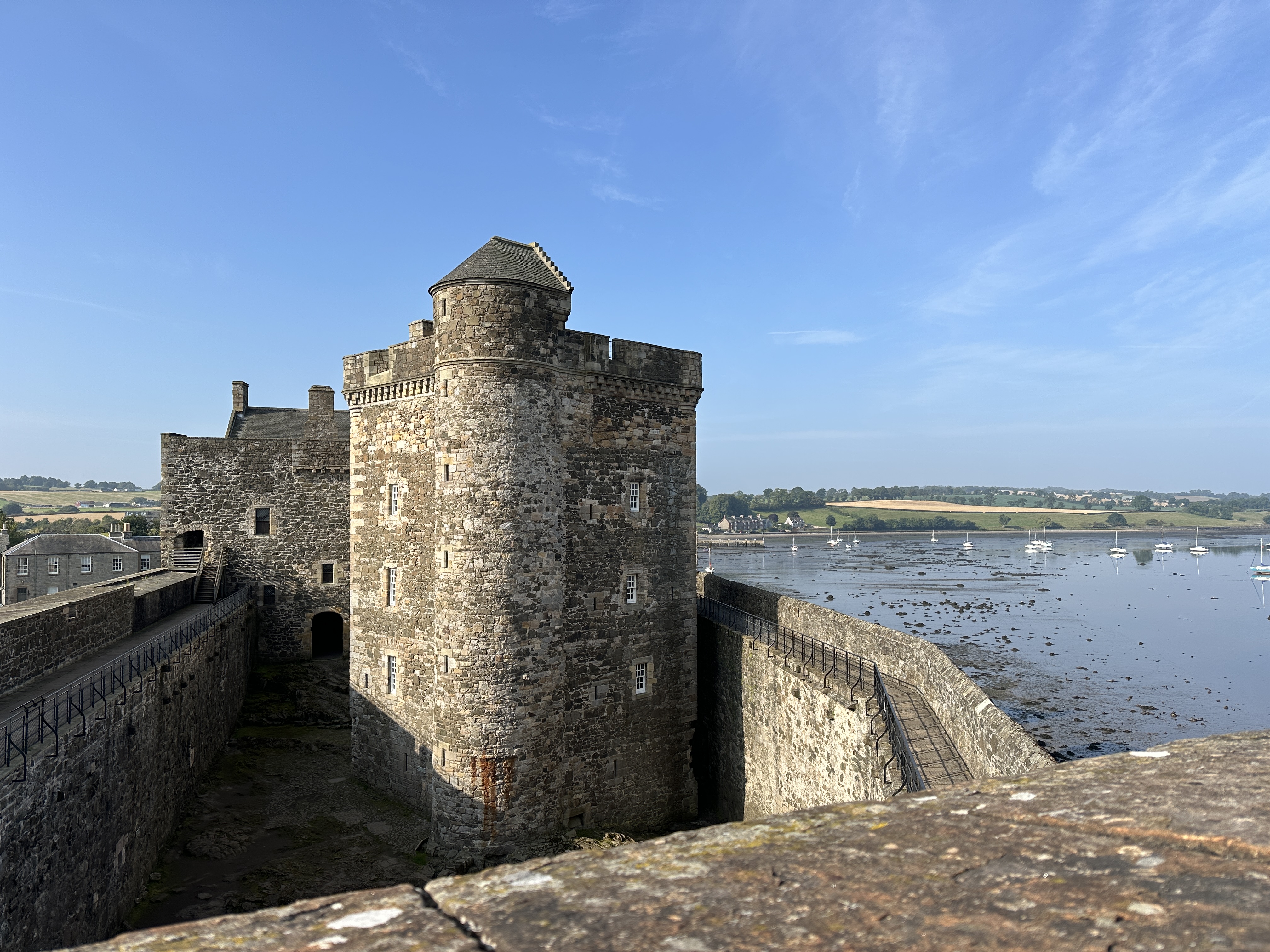
Blackness Castle is only 17 miles west of Edinburgh, Scotland and makes a great day trip, especially combined with a visit to Dunfermline, the final resting place of Robert the Bruce (highly recommended, more information will be forthcoming on Dunfermline in future posts). The 15th century castle has gained fame in recent years as a filming location for the TV show “Outlander”. However, the castle has served as a filming location for movies as well. The castle sits on a prominent point on the Firth of Forth and was a strategic location for protecting the nearby village which was a major port in past centuries. It also served as a prison starting in the 1500’s and as a munitions depot.

The castle is unique for its ship bow-shaped defensive walls facing the Firth of Forth.

A little hard to tell, but the castle walls on the left form a sharp bow-shaped point, very appropriate giving the setting on the water!
Another view of the castle from the “bow”.
Robyn admiring the tower keep “Prison Tower” of Blackness Castle.
An informational sign indicating the use of the central tower (keep) as a prison for many years, especially for “high status” prisoners.

We visited Blackness Castle in early September. We got there as it opened and pretty much had the whole castle to ourselves. Compared with busy Edinburgh, Blackness Castle’s quiet surroundings were a nice change of pace.

Exploring Gaudi’s Architectural Wonders in Barcelona

Following an awesome 10-day trip to the islands of Mallorca and Menorca, Spain, we flew to Barcelona directly from Menorca to spend a few days there before heading home. This was our first time in Barcelona. There is a lot to do in here, and we decided to take one day and visit several sights that represent the influence Antoni Gaudi (1852 – 1926) had on the architecture of this beautiful city. He was an extraordinary architect and designer who incorporated design elements he found in natural forms (such as the shape of shells and trees) into his architectural work – hence the unique elements you find in his buildings.

Please note it is worth planning ahead and getting your tickets for the sights below in advance, especially during the summer months. We were in Barcelona in October and the city was quite busy with tourists.

La Sagrada Familia

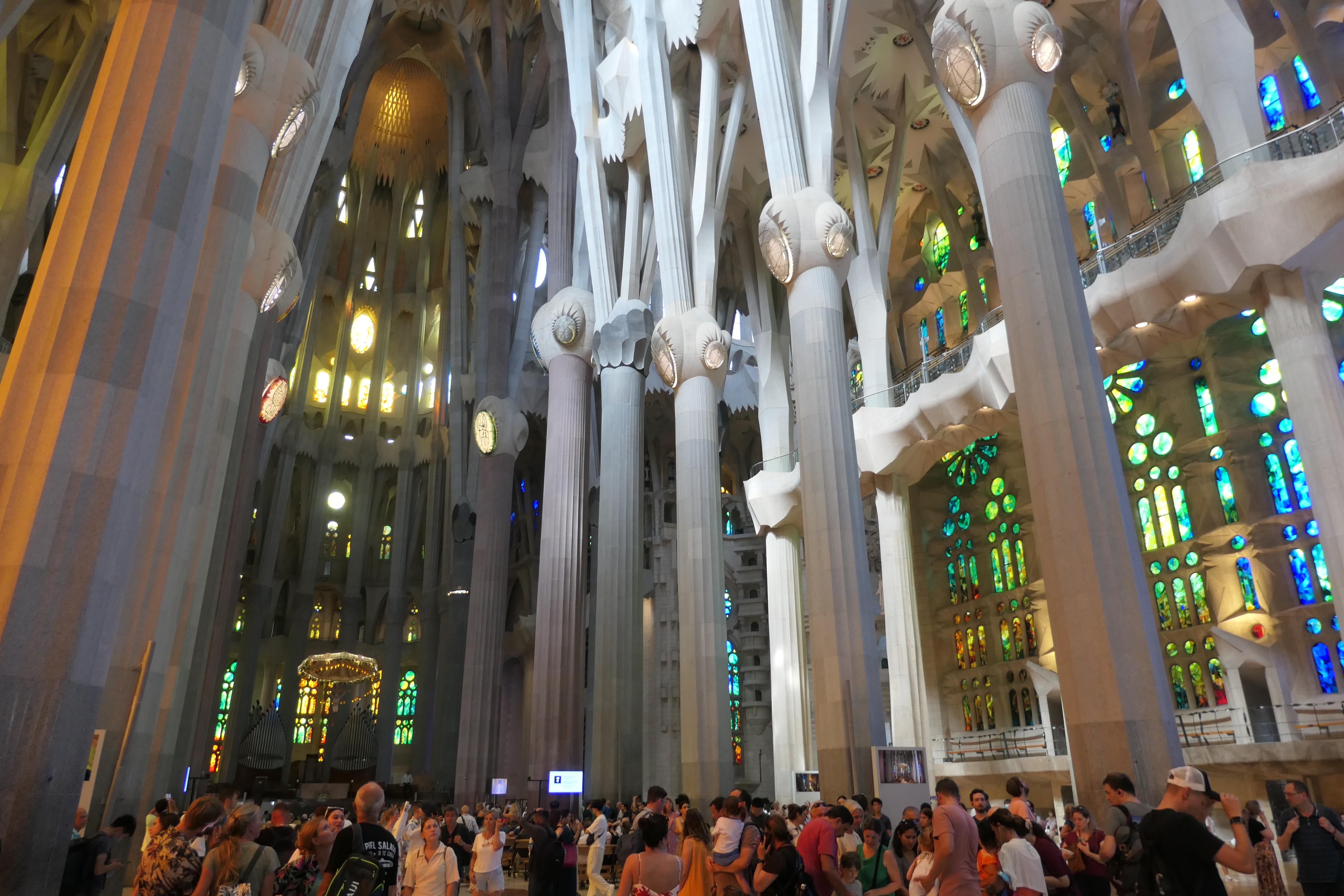
This is likely the most famous landmark in Barcelona (as attested by the large crowds) and is the largest unfinished Catholic Church in the world. This church has been under construction since 1882. The hope was to complete its construction by 2026, the centennial anniversary of Gaudi’s death; however it is likely to extend beyond this date. The Church has a layout similar to a typical medieval European Gothic Cathedral, but the interior design is very unique. The completion of the tallest spire, the Jesus Christ spire, will make La Sagrada Familia the tallest church in the world (approximately 173 meters).

Side note: We paid for a “tower view” as part of our entry ticket and were disappointed. Very little was visible – you could see a little bit of construction work going on and some obstructed views of Barcelona, but that was about it. Perhaps at some point there will be a view or tour available from the top of the tallest spire – now that would be worth it!

Park Güell

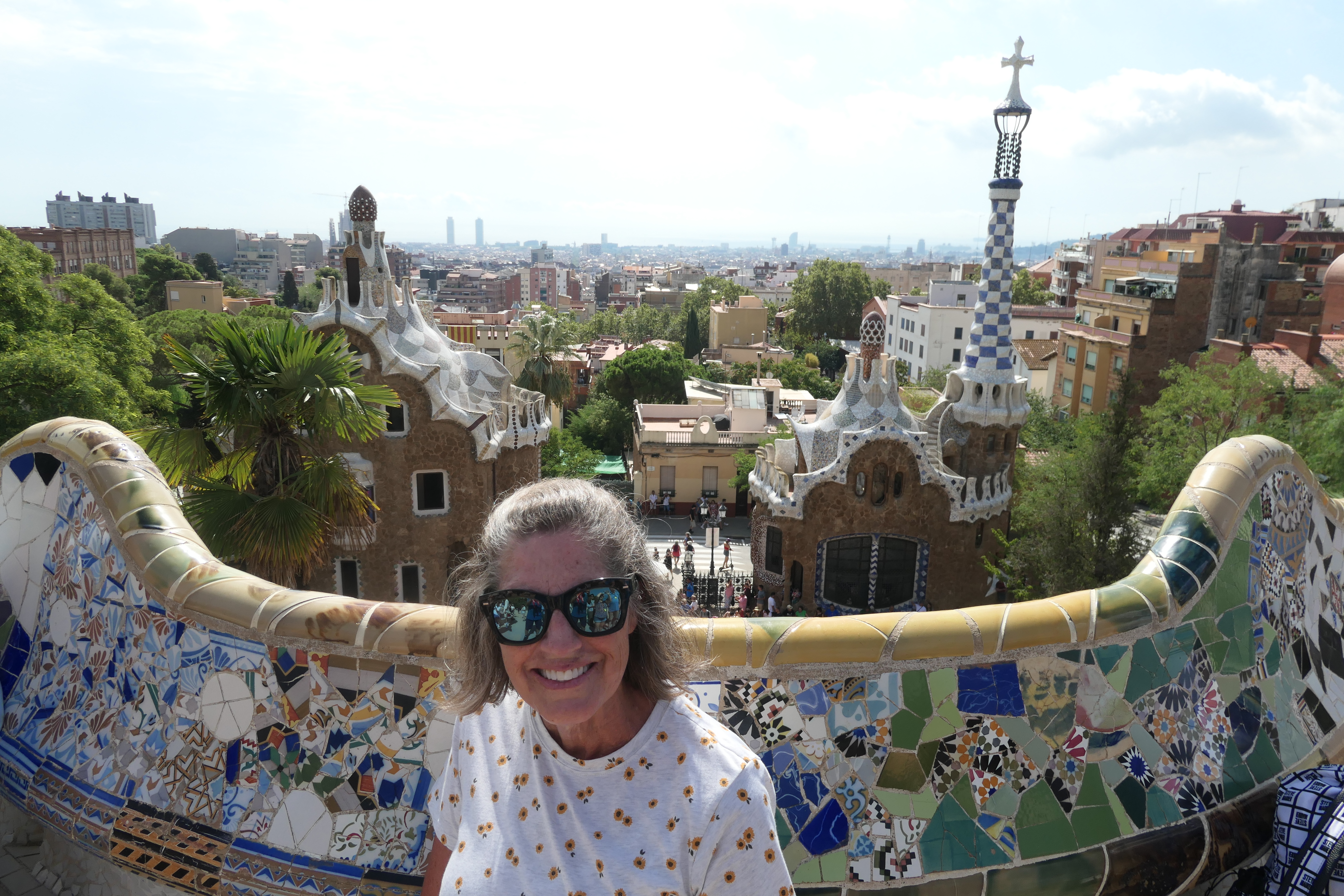
This famous park on a hill overlooking the main part of Barcelona, was named for Eusebi Güell, who partnered with Gaudi on several projects. Park Güell was originally going to be a residential neighborhood and Gaudi was commissioned by Güell to design it, in the early part of the 1900’s. Rather than becoming a residential neighborhood, this area became a park, and like La Sagrada Familia, it is now a major tourist attraction. The Park has many interesting architectural design features and it is worth a couple hours to just wander and explore. The Park reminded me a bit of a gingerbread house – you can imagine all the various features found in the park being part of a fairytale land!

Note: The park does require a ticket and they do sell out, so plan your visit in advance.

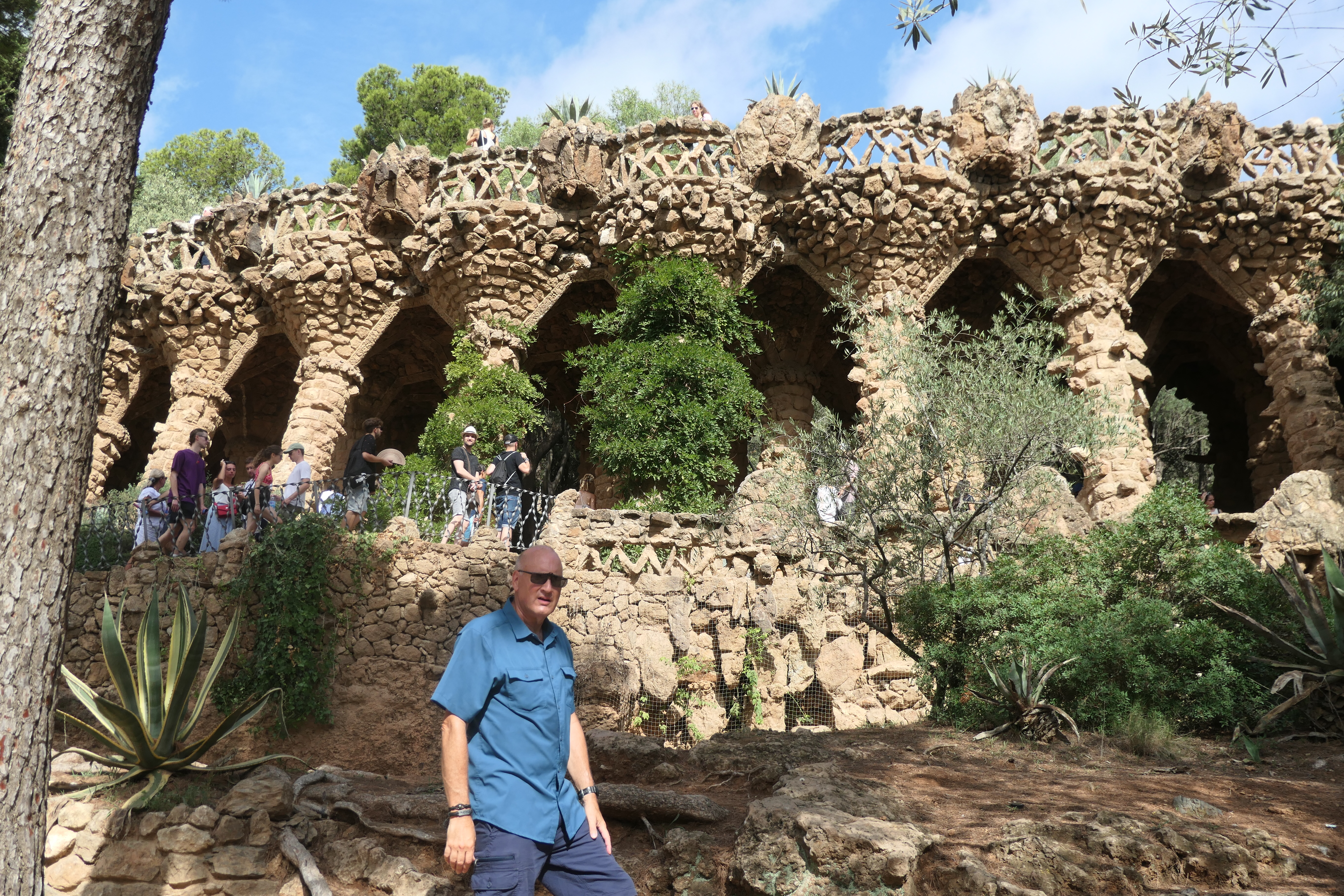
The Portico of the Washerwoman, a famous landmark in the Park.

La Pedrera – Casa Milà

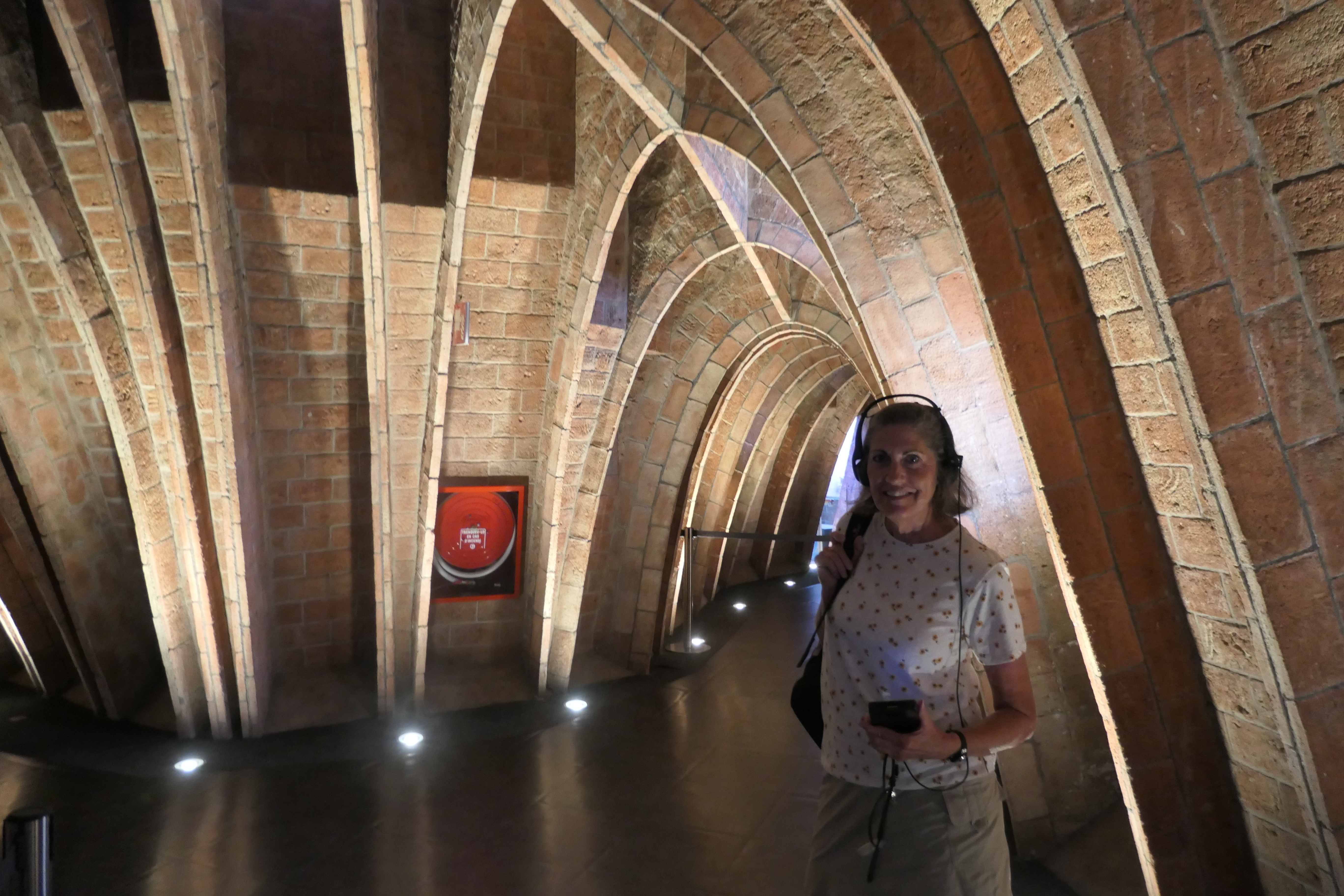
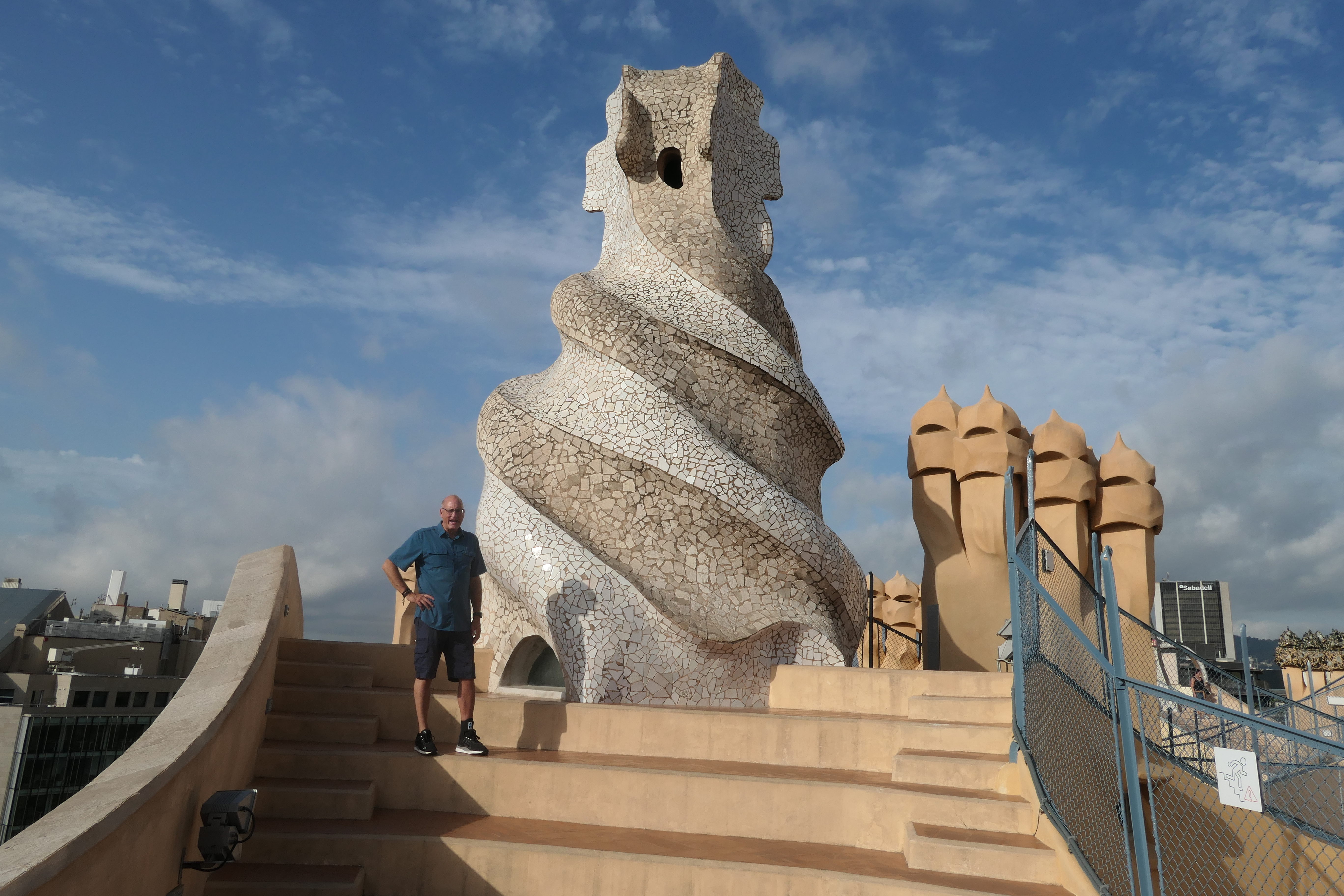
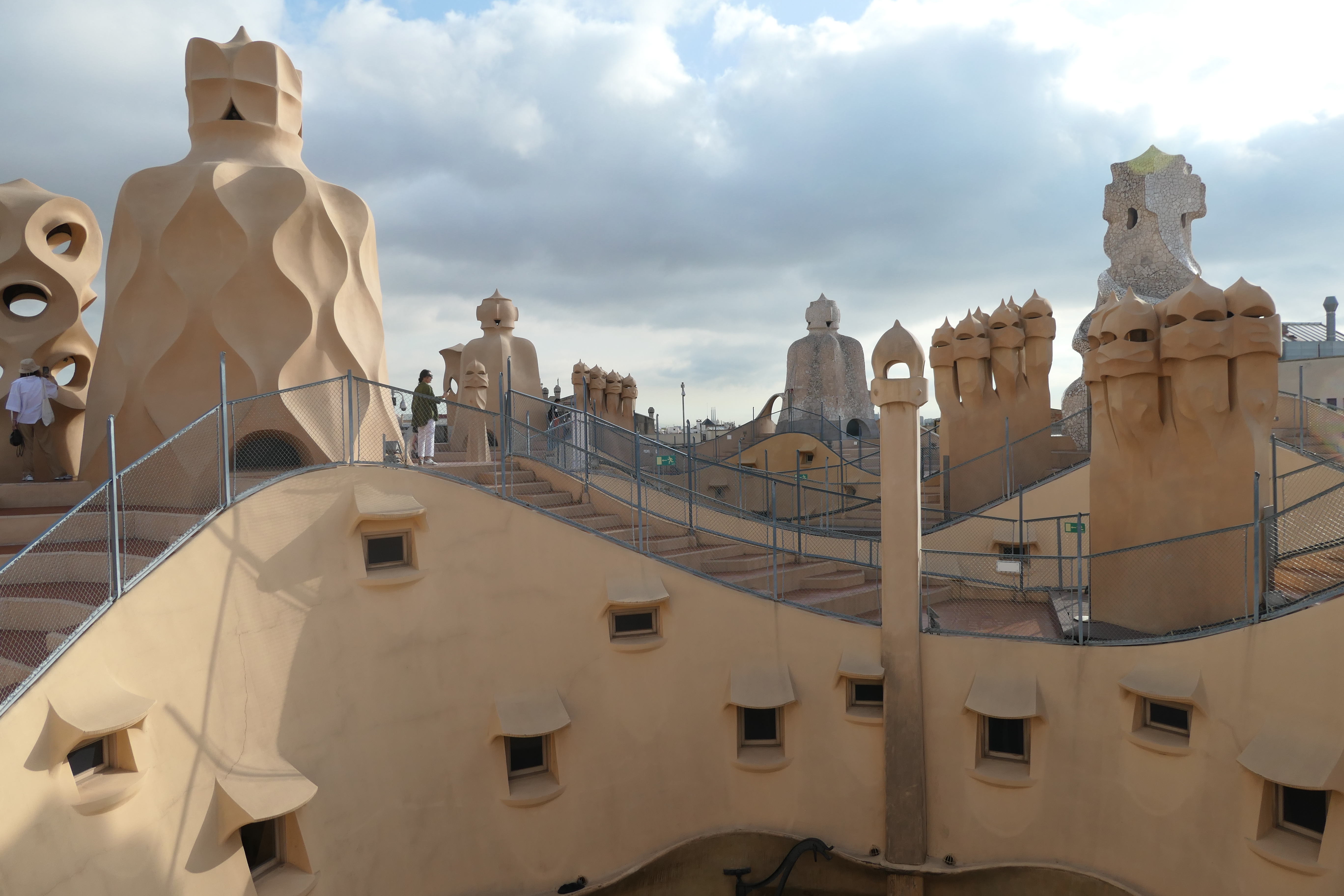
About 10 blocks southwest of La Sagrada Familia is Passeig de Gràcia, a street on which are located several buildings showcasing Gaudi’s designs, including La Pedrera – Casa Milà, the last private residence designed by Gaudi (built 1906 – 1912), now an apartment building that represents how Gaudi envisioned living quarters. In addition to the apartment rooms, I highly recommend going to the attic and then the rooftop. The attic is a small museum showcasing how they designed the support structure for the building and the rooftop is unique and provides some great views of La Sagrada Familia. I also recommend getting the audio tour, it will help immensely with understanding the things you see.

Exterior view of La Pedrera – Casa Milà. (The striped flag hanging down the front of the building is of Catalonia, the region of Spain that Barcelona is part of).
Interior apartment view of La Pedrera – Casa Milà. We loved the decor and features like early 1900’s appliances.

Casa Batlló

Just down the street from La Pedrera – Casa Milà is Casa Batlló, another Gaudi creation. In the attic museum of La Pedrera – Casa Milà you learn how Gaudi renovated the original building to create what we see today as Casa Batlló. You can also tour this building, we did not do so, it’s just a question of how many Euros you feel like spending in a day seeing Gaudi’s architecture!

A street view of Casa Batlló, another Gaudi masterpiece, remodeled according to his designs (not hard to tell!).

Top Sights to Explore Around Oristano, Sardinia

Oristano is not likely to be on the main tourist route in Sardinia, Italy especially if time is limited. However, if you have the time, you should definitely check it out. There is a lot to do in this region of Sardinia. Here are the main sights we visited. In addition to the sights listed below, there are ancient Nuragic sites not far from here. For a map of Sardinia and to learn more about these sites, see my post here.

Is Aruttas Beach

This beach on the Sinis peninsula is about 22 km (13 miles) from Oristano and one of the region’s most famous. There is a large parking lot and a refreshment stand near the beach. The quartz sand on this beach is amazing, I wish I had taken a close-up of it – it looks like translucent rice. Just another perfect beach in Sardinia! As with all beaches in Sardinia, it is a crime to remove the sand – be sure to leave the sand where it belongs on the beach for others to enjoy!

Tharros Roman Archeological Site

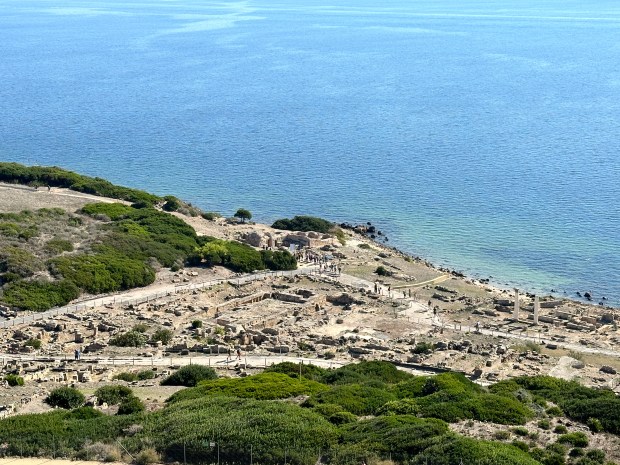
Tharros was occupied for nearly 2,000 years, from the 8th century BC to about 1050 AD. It sits near the end of the Sinis Peninsula, and it’s a spectacular setting.

A view of the ruins of Tharros and the late 15th-century San Giovanni Tower, which you can climb for a small additional fee.

This gorgeous beach is a stone’s throw from Tharros. Roman ruins, a 15th- century Spanish Tower and beautiful beach – what more could you ask for?!

Fordongianus Roman Archeological Site

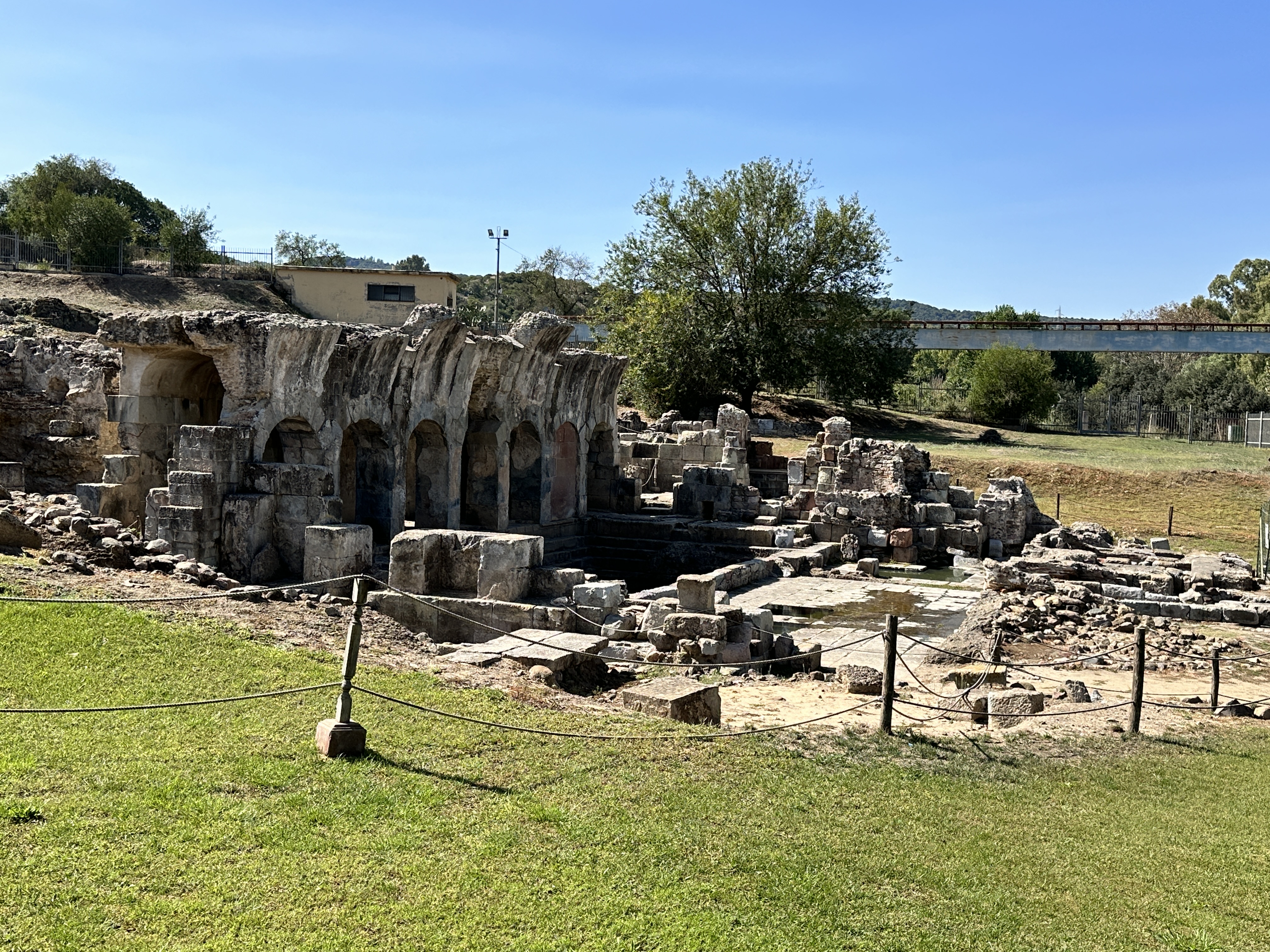
The water still runs warm from the natural springs at the 1st century AD Fordongianus Roman Baths. This site is about 25 km (14 miles) northeast of Oristano. We stopped by on our way into Oristano, but we arrived during siesta time so we had to settle for looking at the Baths through a wire fence, which actually offered some pretty good views. There is a fee to visit the Baths.

Just outside Fordongianus is this pretty 12th & 13th century Romanesque church, dedicated to San Lussorio, who was martyred by the Emperor Diocletian in 304 AD.

San Giovanni di Sinis Church

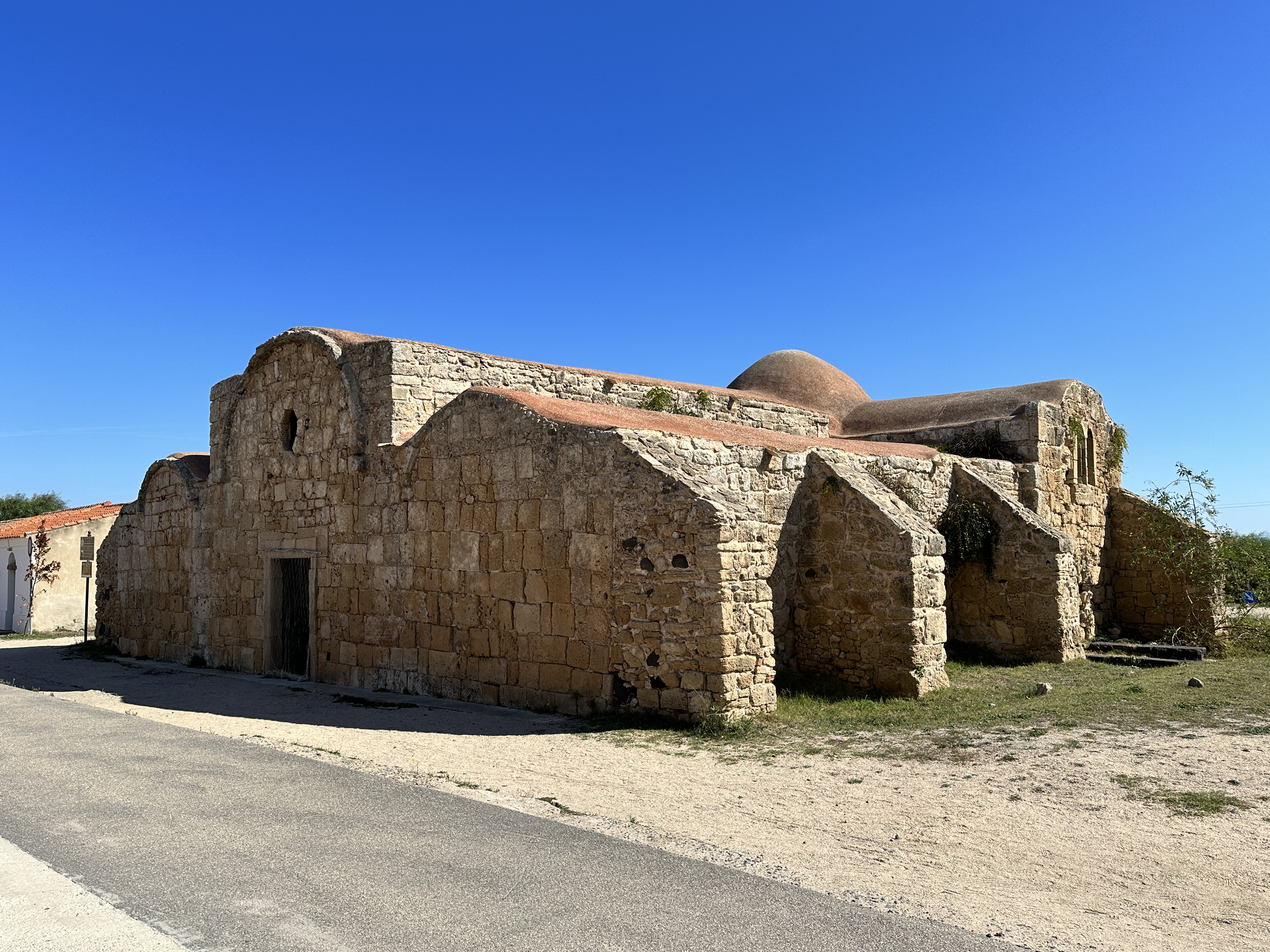
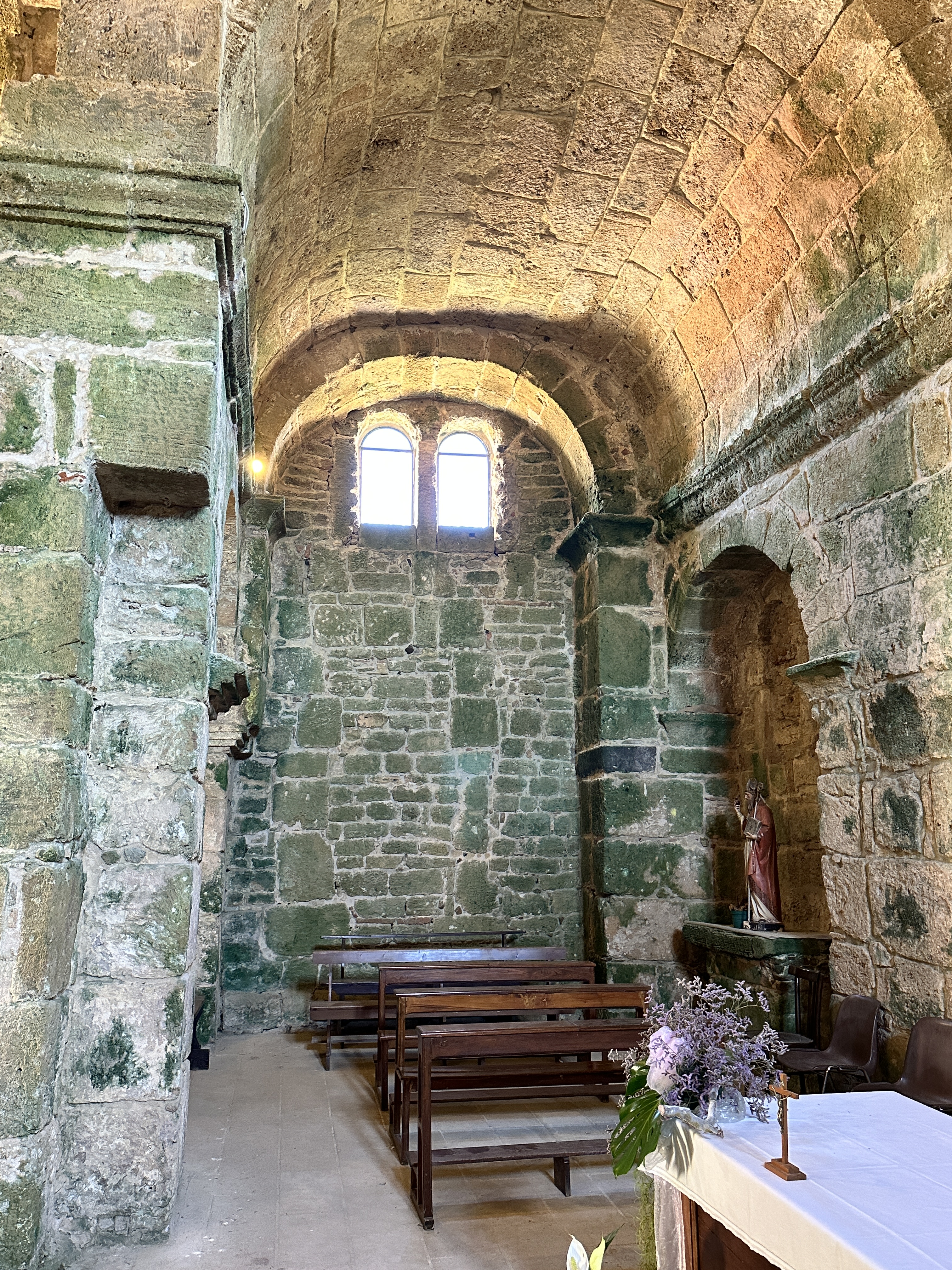
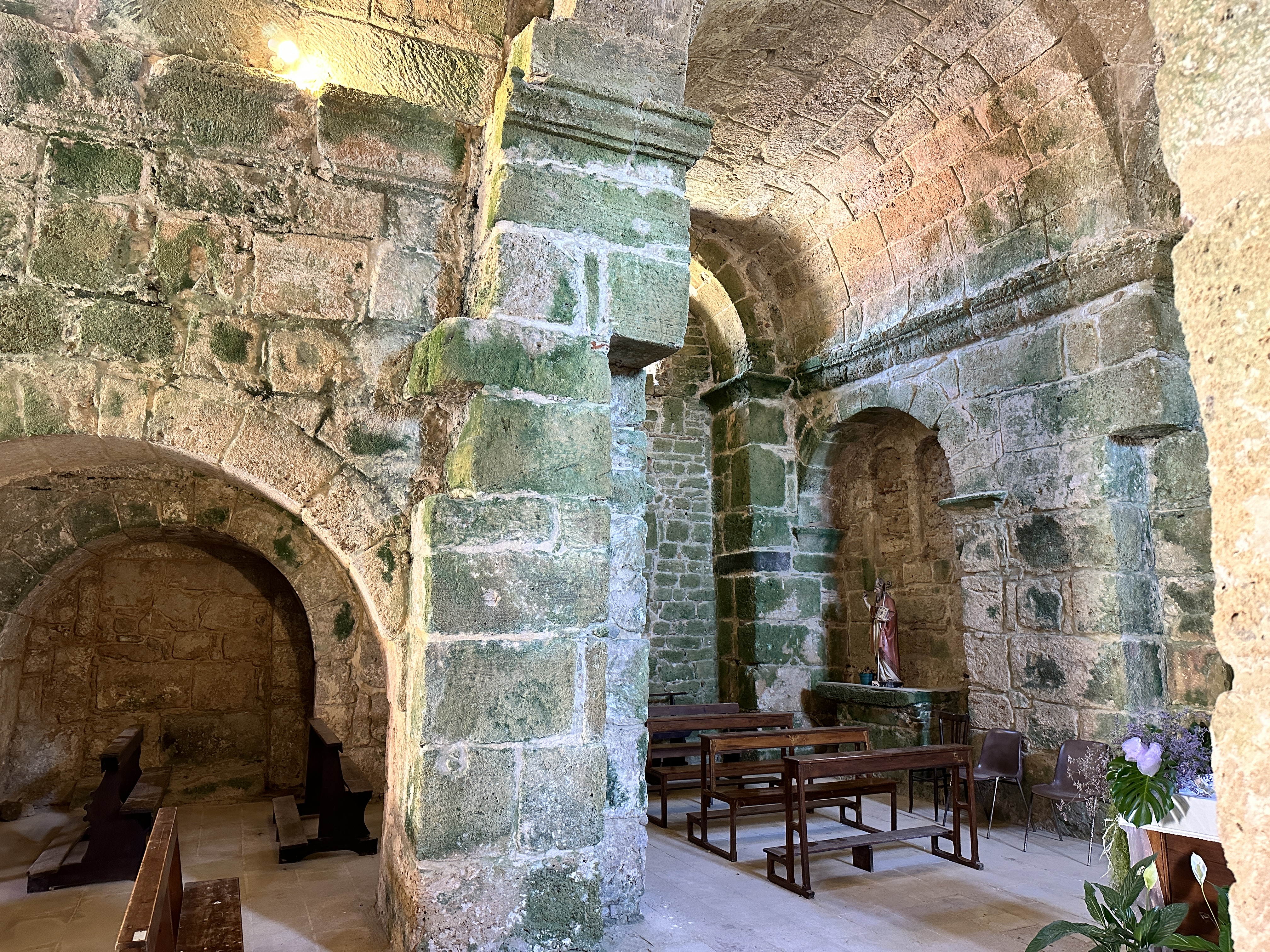
This interesting little church is right near the entrance to the Tharros archeological site. It is one of the two oldest churches in Sardinia, originally dating back to the 6th century – it still retains some of its Byzantine characteristics, such as the red roof. The present structure dates from the 9th and 11 centuries. The church sits in an ancient burial area. The church was free to enter and was definitely worth a stop.

San Giovanni di Sinis Church.

San Salvatore

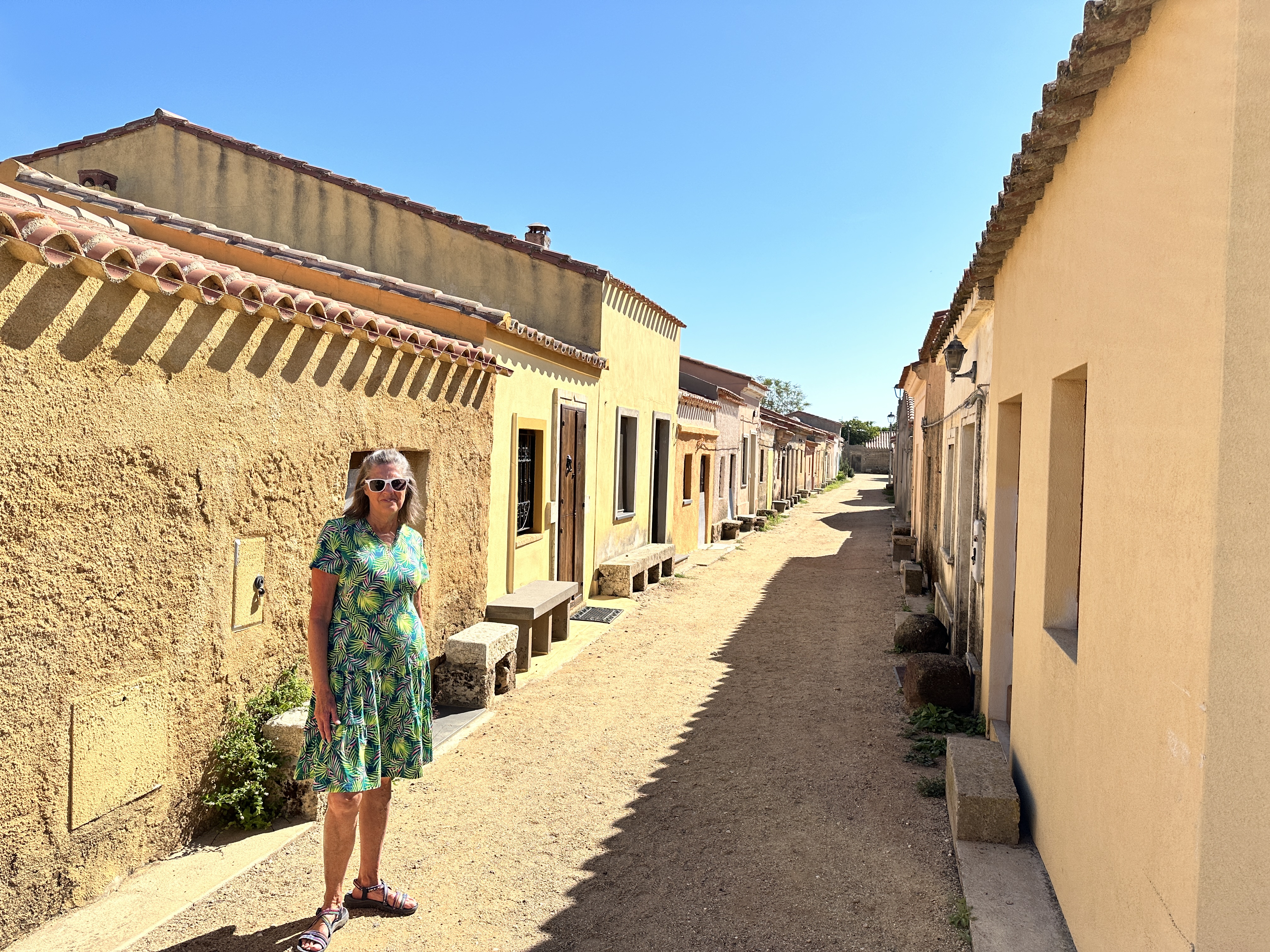
San Salvatore, also close to Tharros, is a spaghetti-western filmset from the 1960’s. It has the feel of a old western U.S. ghost town. The town opens its dwellings’ doors during September each year to house pilgrims for the Festa di San Salvatore, a celebration focused on the village’s small church, which sits over the ruins of a Nuragic period (~1,500 BC) vault. It looked to us like there might be a few permanent residents here, we saw some homes that looked lived in.

Oristano Town

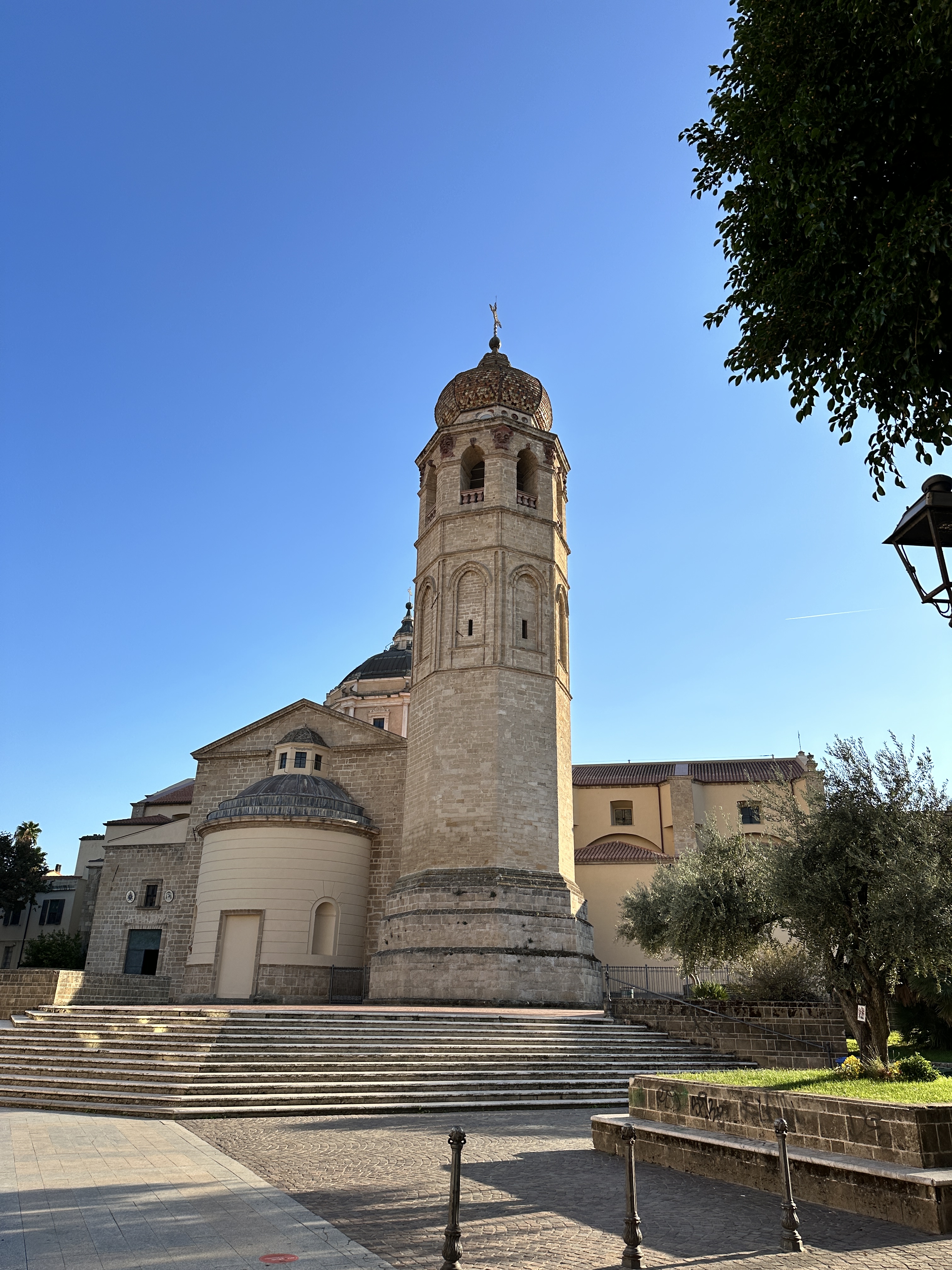
Oristano seemed to us to be a pretty quiet town, without fewer tourists compared to other locations in Sardinia, even though there is much for the tourist to see in the vicinity. We enjoyed walking the streets in the evening without any throngs of tourists. It is a perfect place to call “home” during your stay in this part of Sardinia.

The 13th-century Torre di Mariano II was Oristano’s nothern gate, one of the few remains of the city’s medieval defenses.

Kilmacduagh Abbey: Ireland’s Iconic Leaning Tower

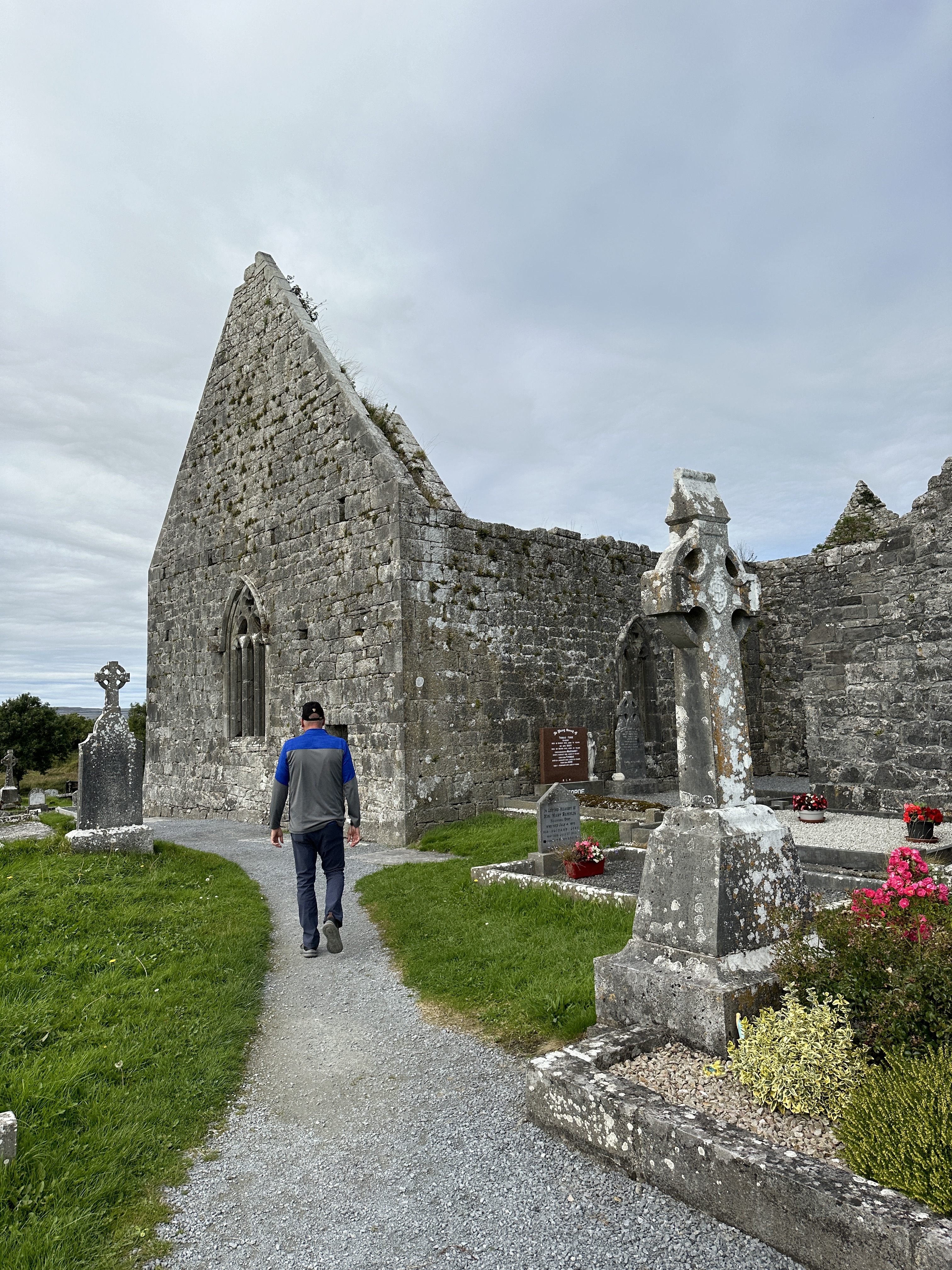
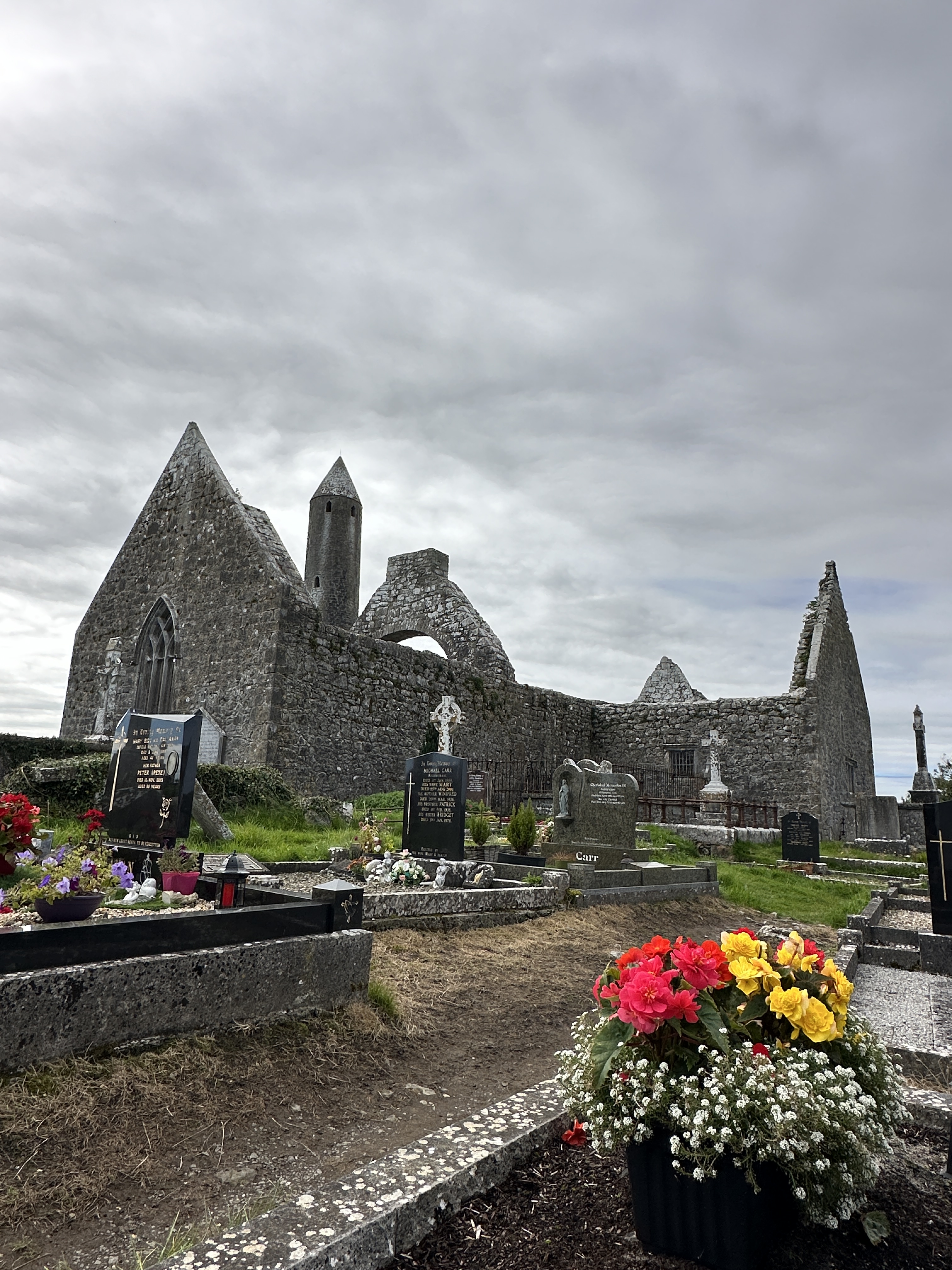
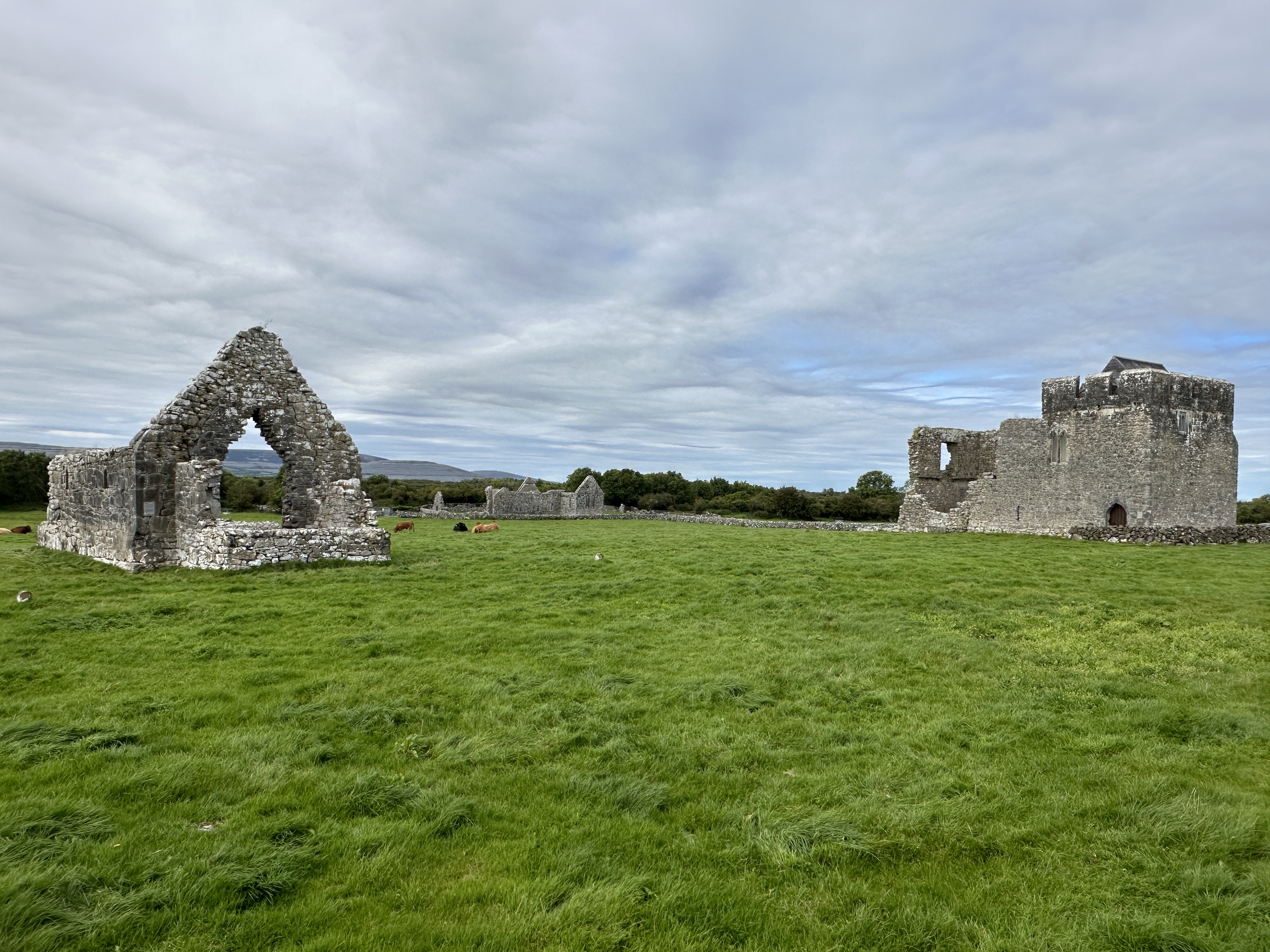
Kilmacduagh Abbey is about halfway between Galway and Ennis and just outside Burren National Park, in west-central Ireland. The area is full of natural and historic wonders. Kilmacduagh has one of the finest collections of monastic buildings in Ireland and is definitely worth a visit if your travel plans take you to The Burren or Galway area. The round tower’s lean is definitely noticeable, but it has somehow survived for 1,000 years. The Abbey was likely established in the 7th century by Saint Colman (Colman MacDuagh), son of Duagh. It was the center of a thriving community in the 12th century. A number of battles with the English were fought in the area and the Abbey was plundered, but survived in part, thank goodness. The Abbey became part of the order of St. Augustine in the 13th century.

This Abbey is free to visit. There are a few informational signs at the car park entrance.

The famous leaning tower at Kilmacduagh is about 2 feet out of alignment. It is 112 ft tall and likely dates from the 10th century (some sources say 12th century). In the 1800’s some work was done to refurbish the tower, particularly the conical roof.

The leaning tower at Kilmacduagh. Towers such as these were used for defensive purposes as well as serving as a belfry.

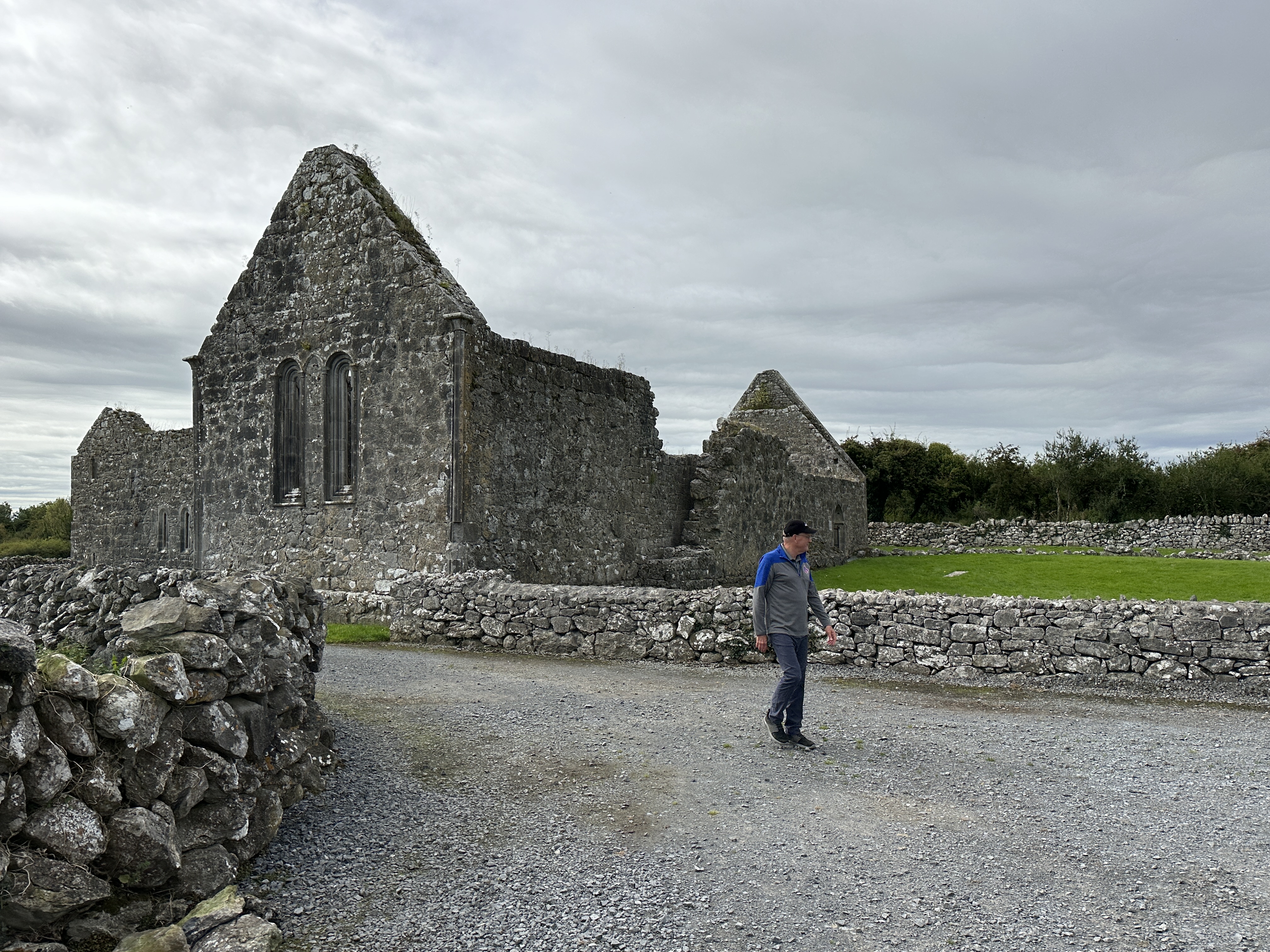
The 14th century Glebe House, possibly the Abbott’s residence. Insider tip – I believe you can access the Glebe House (and perhaps O’Heynes Church below) with a key from the keeper’s house across the street. I learned this later, unfortunately!

O’Heynes Church, a short walk from the other buildings at Kilmacduagh, was built in the 12th century.

Bosa, Sardinia – A Great Day Trip from Alghero

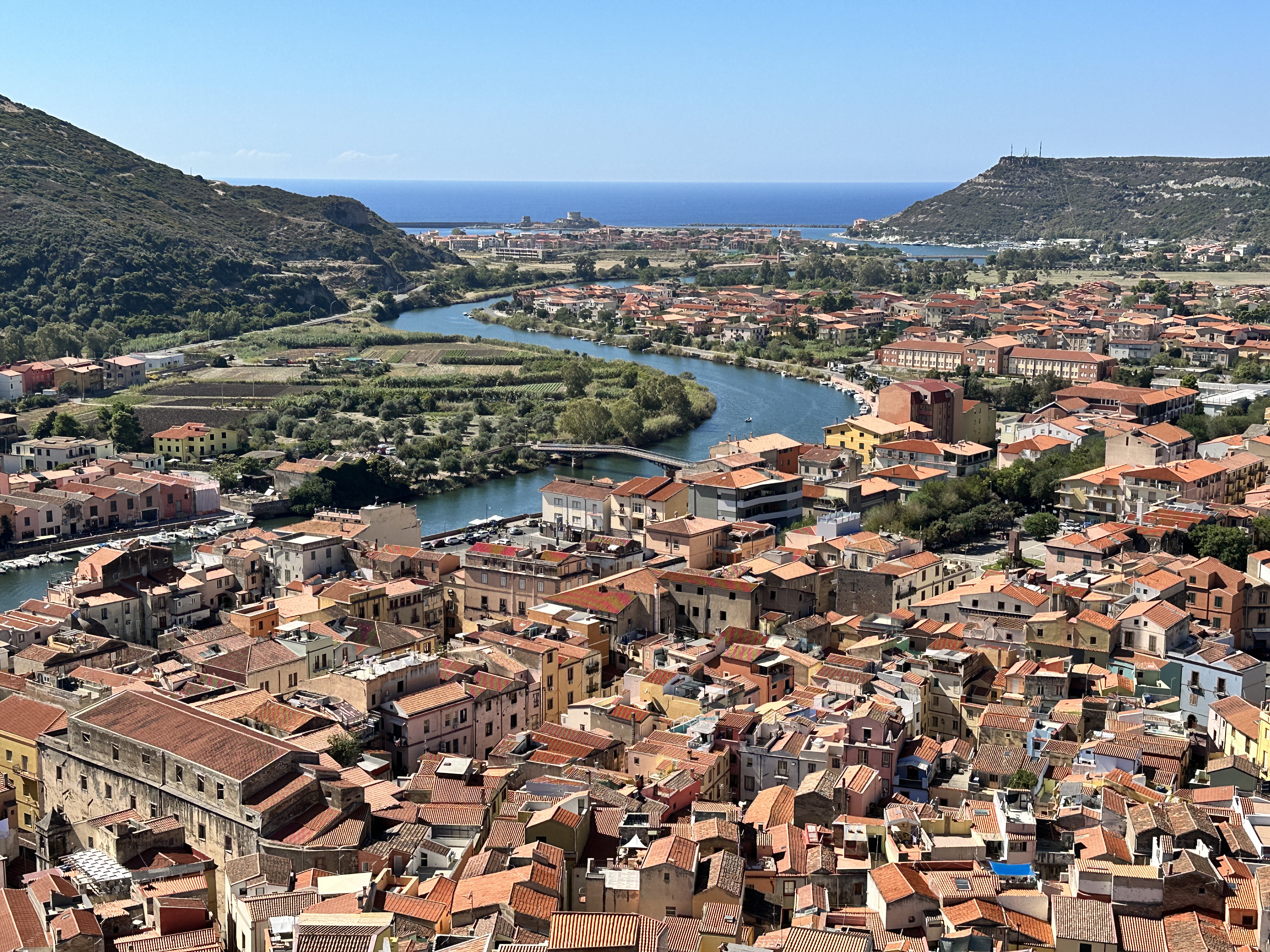
About one hour south of Alghero by car (45 km or 28 miles) is the town of Bosa, home to Sardinia’s only navigable river (the Temo River). We visited Bosa as a day trip from Alghero and we made it part of an interesting loop drive – visiting Basilica della Santissima Trinità di Saccargia on the way (see below) and Nuraghe Santu Antine. It’s possible to visit all three sights in one day if you get going early from Alghero. (For a general map of the regions we visited in Sardinia, click here).

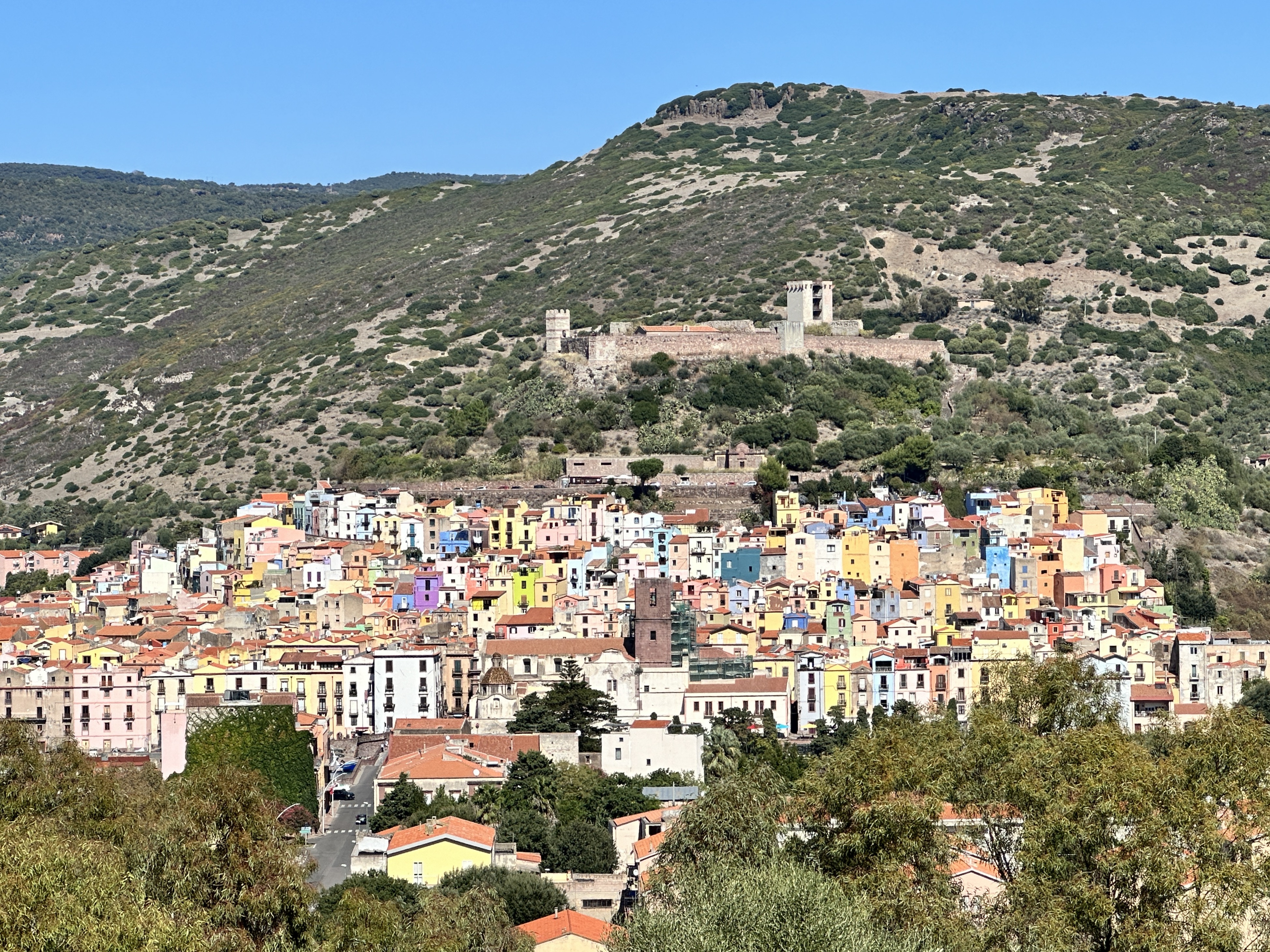
Bosa is an ancient town, it was established by the Phoenicians and continued to grow under the Romans. It’s easy to see why, Bosa is an ideal port location – close to the coast and at the mouth of the Temo River.

View of Bosa and its 13th century castle as seen from our drive into town.

Malaspina Castle

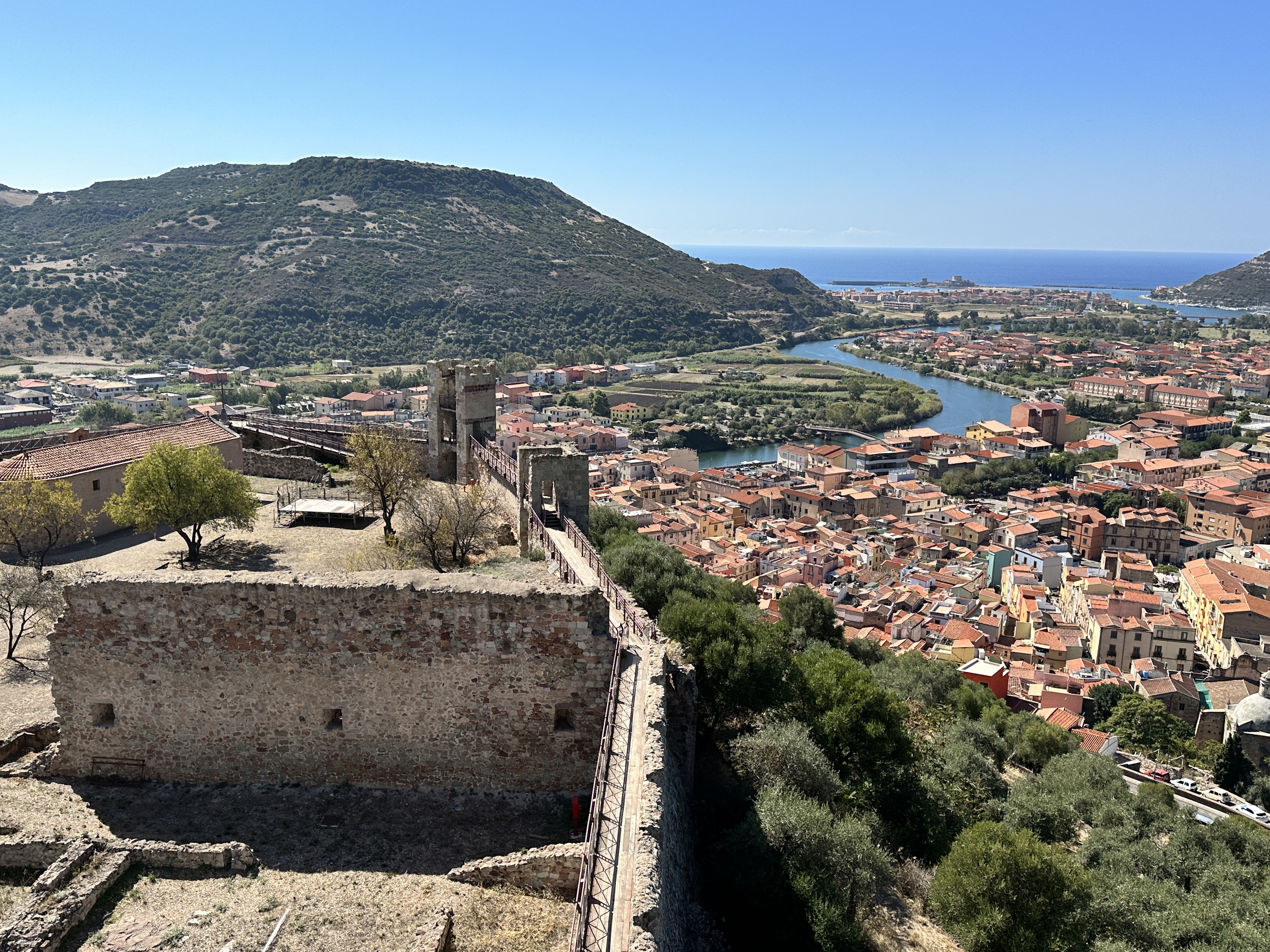
One of the main sights in Bosa is Malaspina Castle. You can drive up to the castle and park just below it. Even then, you have a steep walk up into the Castle. There is not much left of the Castle other than the walls (which you can walk), a few towers (which you can climb) and the 14th century Chiesa di Nostra Signora di Regnos Altos, which has some lovely frescoes.

14th century frescoes of Saints in the Chiesa di Nostra Signora di Regnos Altos, within the walls of Malaspina Castle.

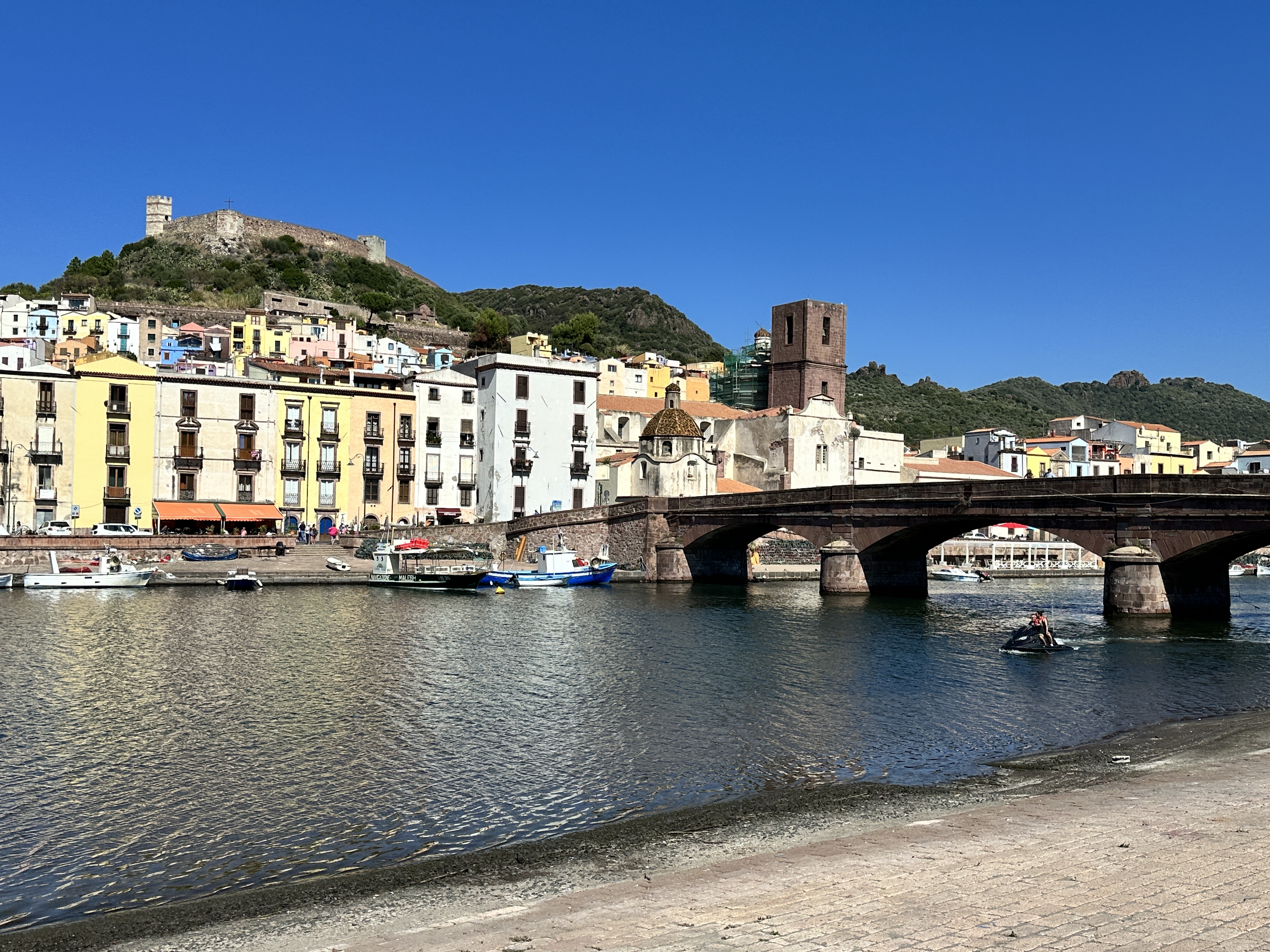
A postcard view of Bosa with the Malaspina Castle in the distance, the old town across the river, and Ponte Vecchio spanning the Temo River. We parked for free near this spot, just a short walk from the old town.

St. Peter’s Church

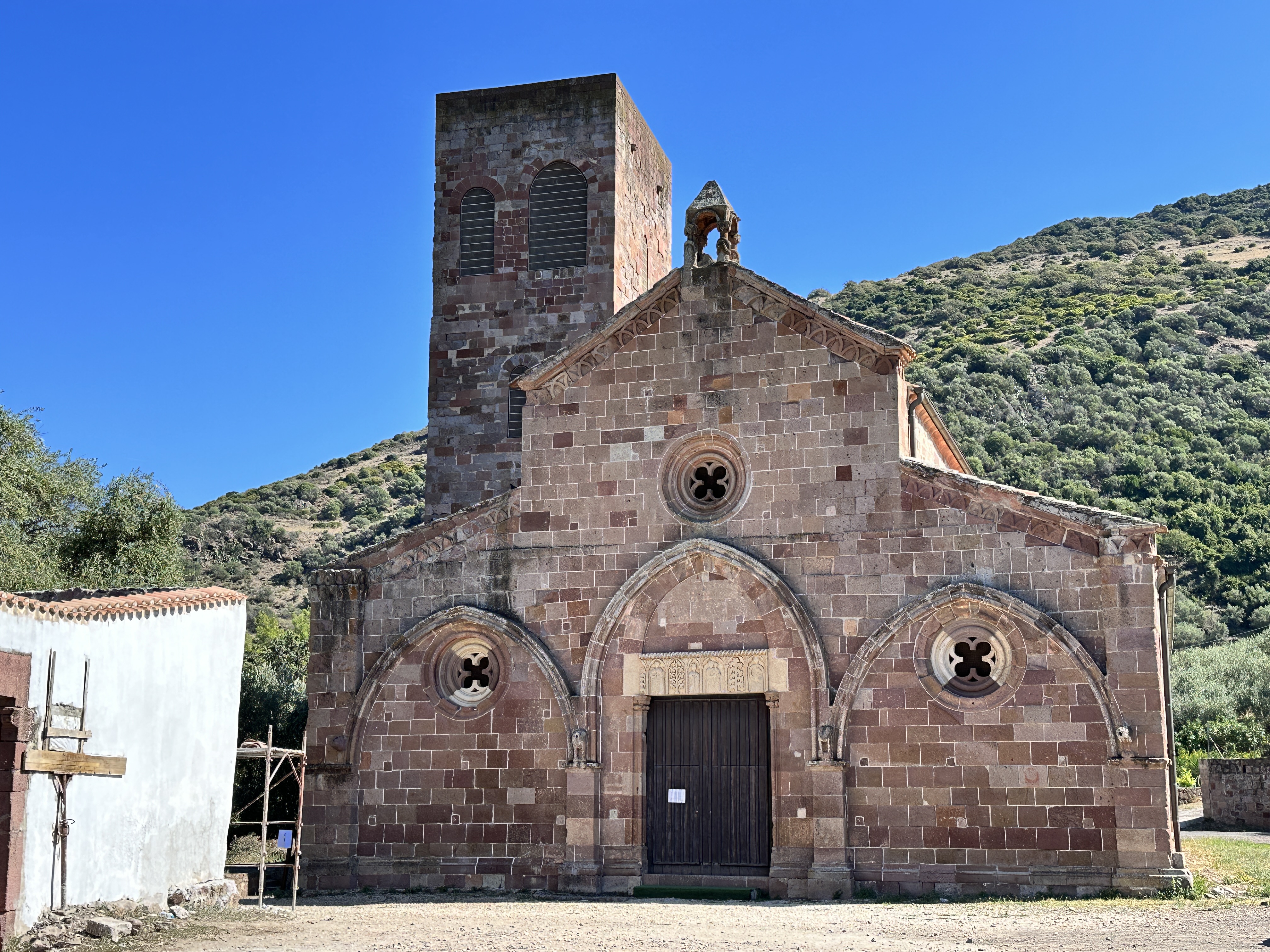
Just outside Bosa along the south shore of the Temo River is St. Peter’s Church, which dates from the second half of the 11th century. The Church can be visited, but was closed at the time of our visit. There is information posted about the Church near the entrance.

On the Drive to Bosa: Basilica della Santissima Trinità di Saccargia

The Church of the Holy Trinity Saccargia is about a 40-minute drive (50 km or 31 miles) from Alghero. It is well worth the “detour” to visit this fascinating 12th century Pisan-style basilica on the way to Bosa. The abbey was built on the site of a pre-existing monastery, of which there are some scant ruins.

About 20 minutes south of The Church of the Holy Trinity Saccargia is the ancient archeological site of Nuraghe Santu Antine, also a very worthwhile stop before turning southwest on your drive towards Bosa. Since I covered our visits to Sardinia’s ancient Nuraghe in another post, I won’t comment further on it here.

After our visit to Bosa, we drove north along the west coast of Sardinia back to Alghero. It was a scenic, beautiful drive and the perfect end to another perfect day in Sardinia.

Caerlaverock Castle – Defending Scotland’s Border

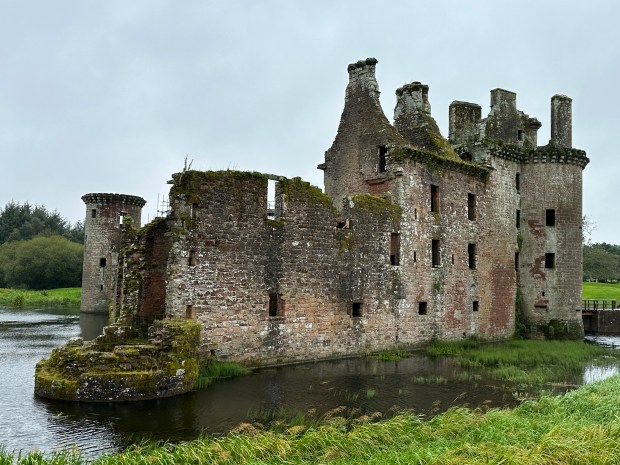
Less than an hour’s drive northwest from Carlisle, England is the 13th century Caerlaverock Castle. Standing on the edge of Scotland, near the Solway Firth, this castle once guarded an important gateway into Scotland.

A view of the triangular-shaped Caerlaverock Castle.

The castle we see now is actually the “new castle” built about 50 years after the “old” castle, which has been partially excavated, south of the current castle.

A view of Caerlaverock’s moat.

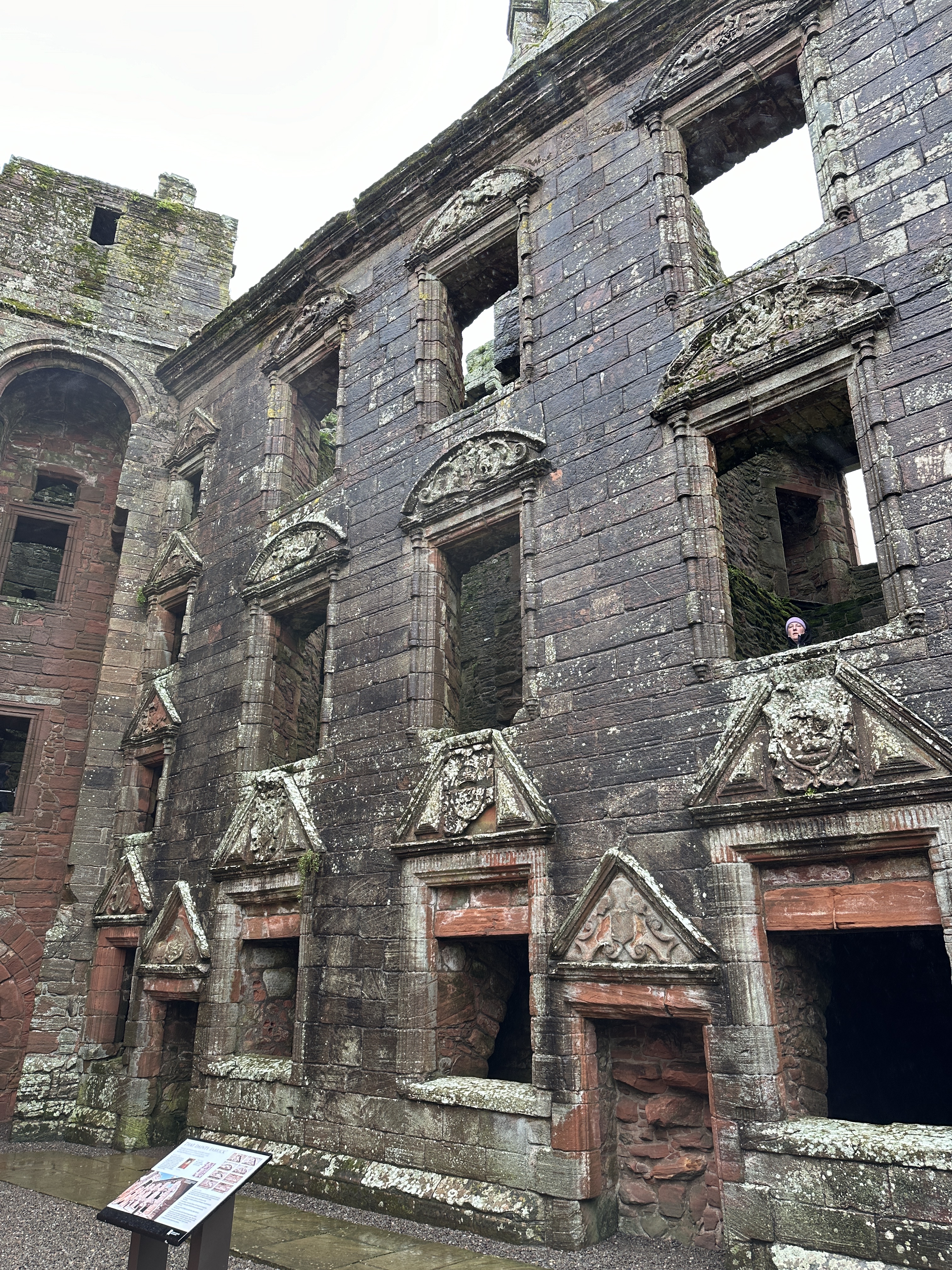
In 1300 King Edward I besieged and captured the castle, the first of several sieges. As with many castles, Caerlaverock underwent numerous renovations, including a 17th century addition in the interior courtyard which is still visible today.

If you’re in the Carlisle area, I recommend visiting Caerlaverock Castle. A rental car is the easiest way to visit. There is a small museum on the site as well as restrooms and a gift shop. If you plan on visiting multiple historical sites in Scotland, consider getting a Historic Environment Scotland membership or pass – we got the 14-day Explorer pass and it was a great value by paying for itself after visiting just a few sites (including Stirling Castle and Edinburgh Castle). All other visits using the pass were then free.

One of My Favorite Corners of Sardinia

La Pelosa Beach

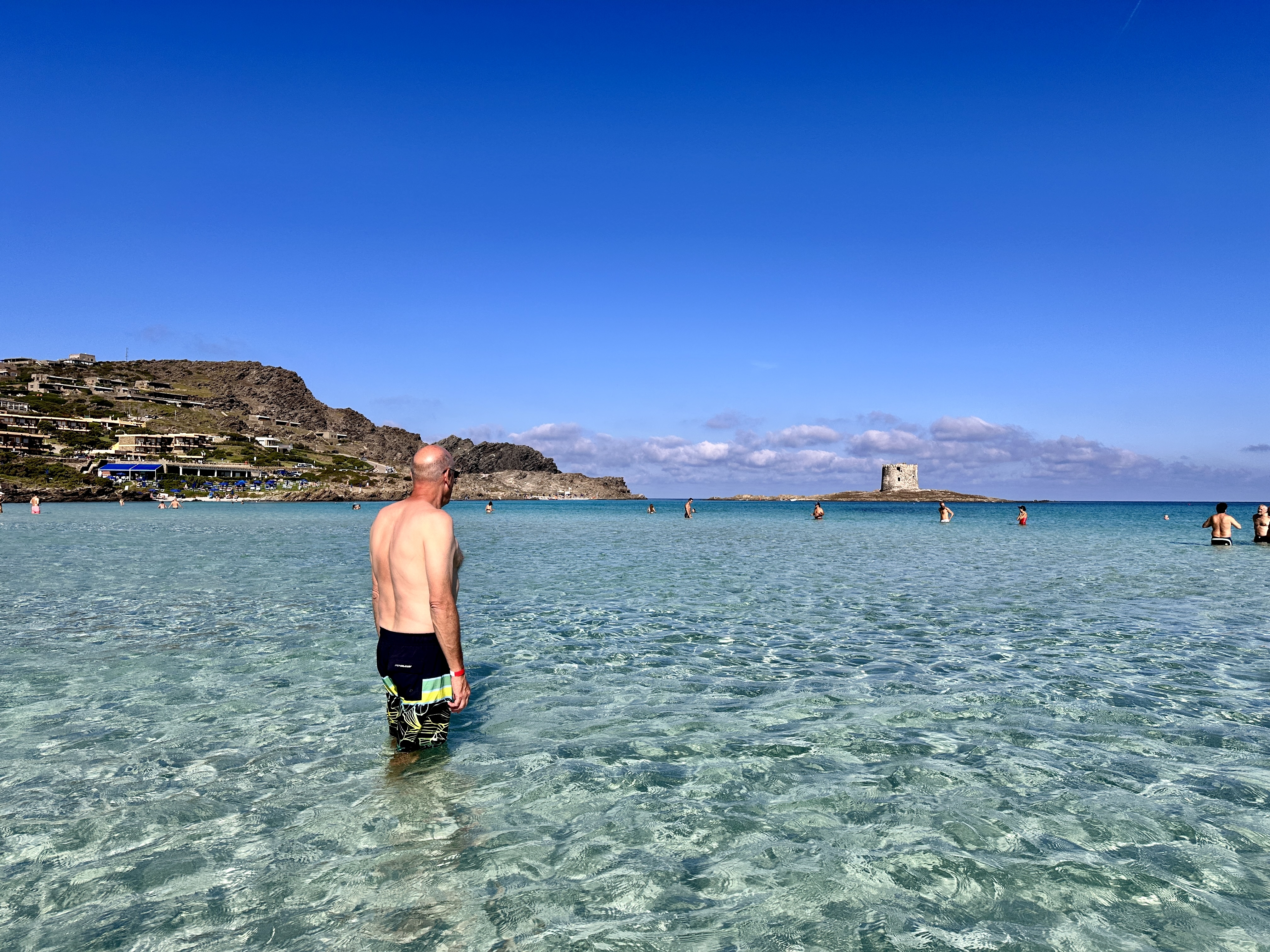
The island of Sardinia, Italy has so many lovely beaches it’s difficult to narrow down the list of “best beaches” but one that would have to be near the top is La Pelosa, near Stintino on the north west coast of Sardinia. This beach is so popular that you need to make reservations to visit it during the busy season (May – October). The reservations are not expensive nor difficult. To my knowledge, this is the only beach in Sardinia that requires a reservation. When you see it, you will understand why it is so popular.

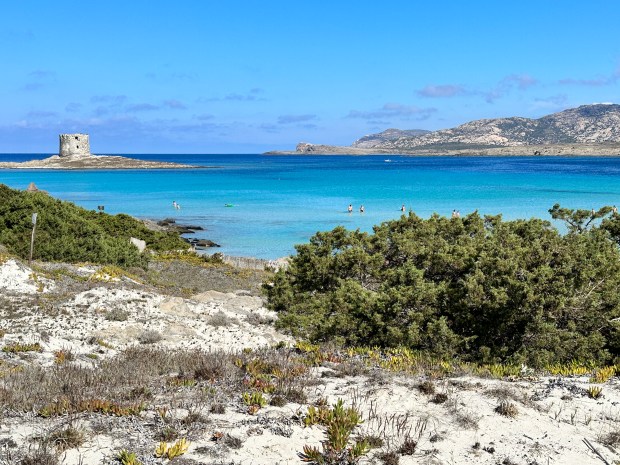
La Pelosa Beach, with its signature 16th century Aragonese Tower overlooking this beautiful bay.

One of the boardwalks leading down to La Pelosa Beach.

There is paid parking along the street facing the beach – be sure to pay – you don’t want to get back to your parking spot after a lovely day at the beach and find your vehicle has been towed away! I recommend getting here early in the morning or later in the afternoon, not only will the beach be a little less busy, but convenient parking will be more plentiful too. We visited in early October, after an overnight stop in Castelsardo. The water was still warm and the beach was fairly busy, but it did not feel overcrowded at all. To check in at the beach, there is a kiosk where you get a wristband after showing your reservations on your phone or a hardcopy. Be sure to bring towel mats as well, to avoid taking home the precious sand – Sardinia is focused on keeping their beautiful sand where it belongs – on the beach.

Alghero

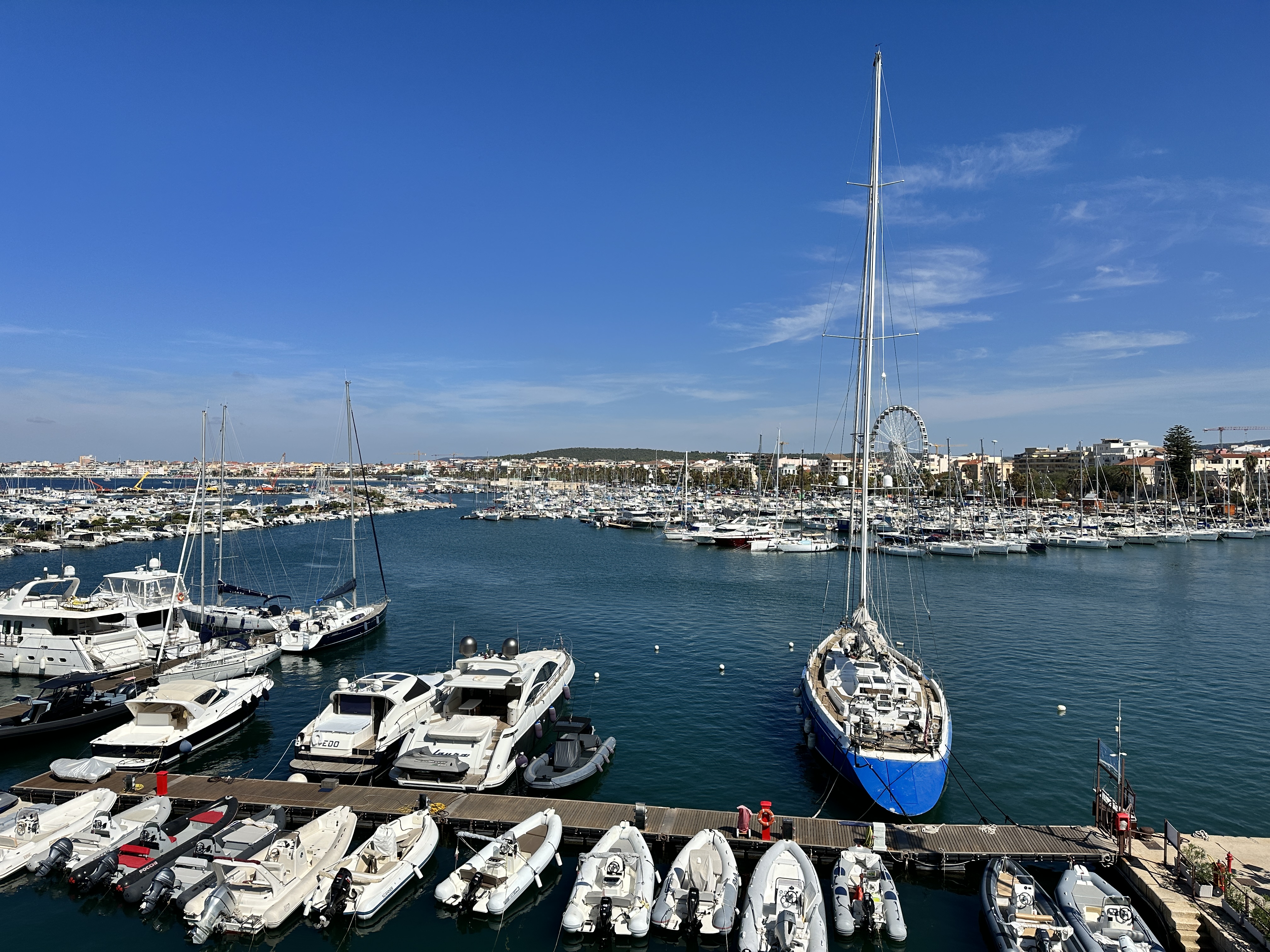
Less than an hour south of La Pelosa Beach is Alghero. Alghero was probably my favorite town in Sardinia. The combination of its magnificent setting and harbor, a beautiful old town with medieval towers and walls, and lively evening scene made this a perfect spot to stay for a few nights. We rented a lovely apartment that was just a ten minute walk from the old town.

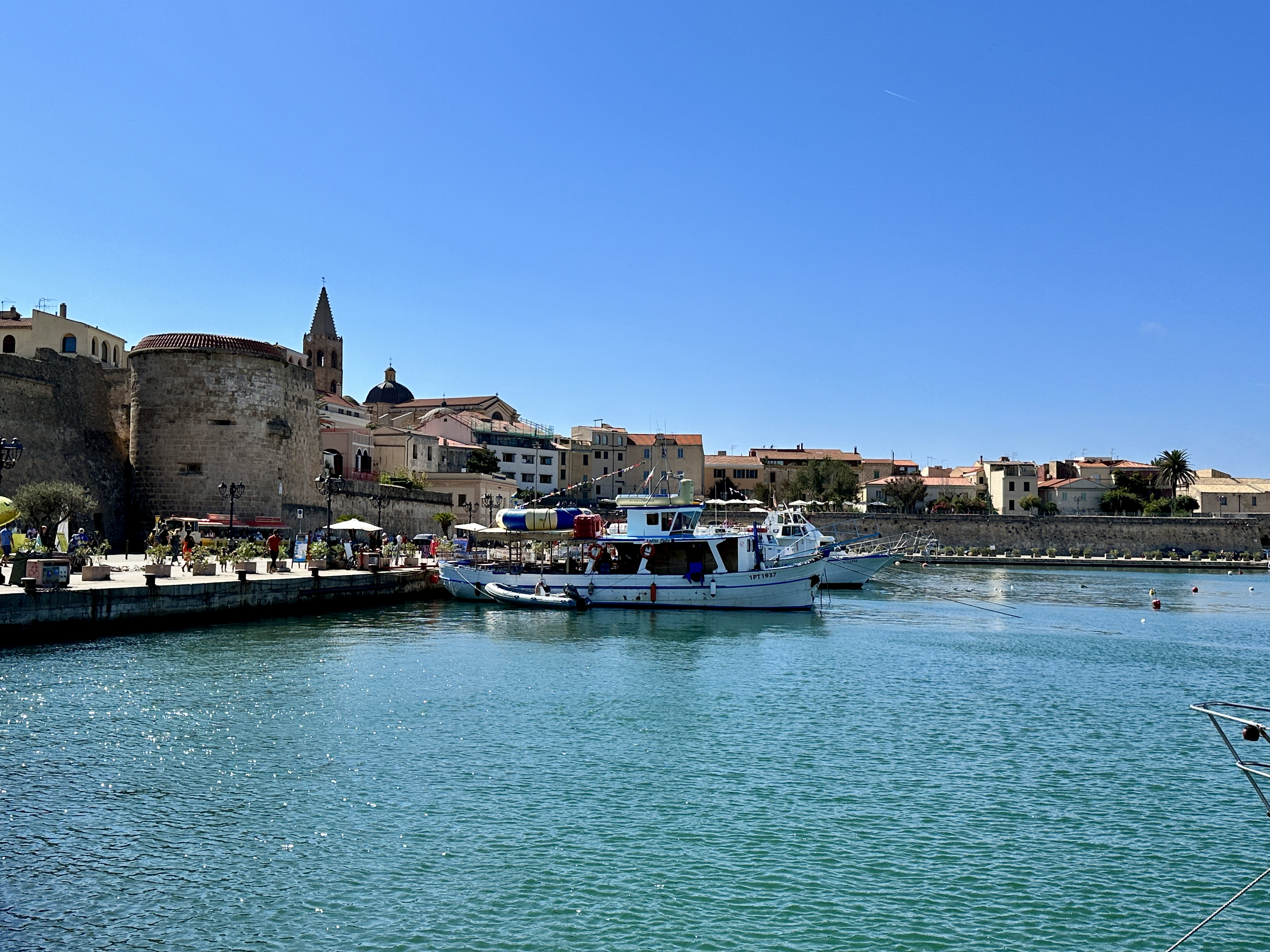
A view of Alghero’s Old Town from the Harbor.

Alghero’s lively Old Town.
A great view of Alghero’s Old Town walls and towers.

Castelsardo, Sardinia – A Great Stop along Sardinia’s North Coast between Costa Esmeralda and Alghero

Castelsardo is a very picturesque little town on the north coast of Sardinia and worth an overnight stop if convenient in your travels, or a least a short visit on your way to other destinations. For us, we stopped here overnight on our way to the magnificent beach at La Pelosa (near Stintino, on the very northwest tip of Sardinia) and then on to Alghero.

Castello dei Doria

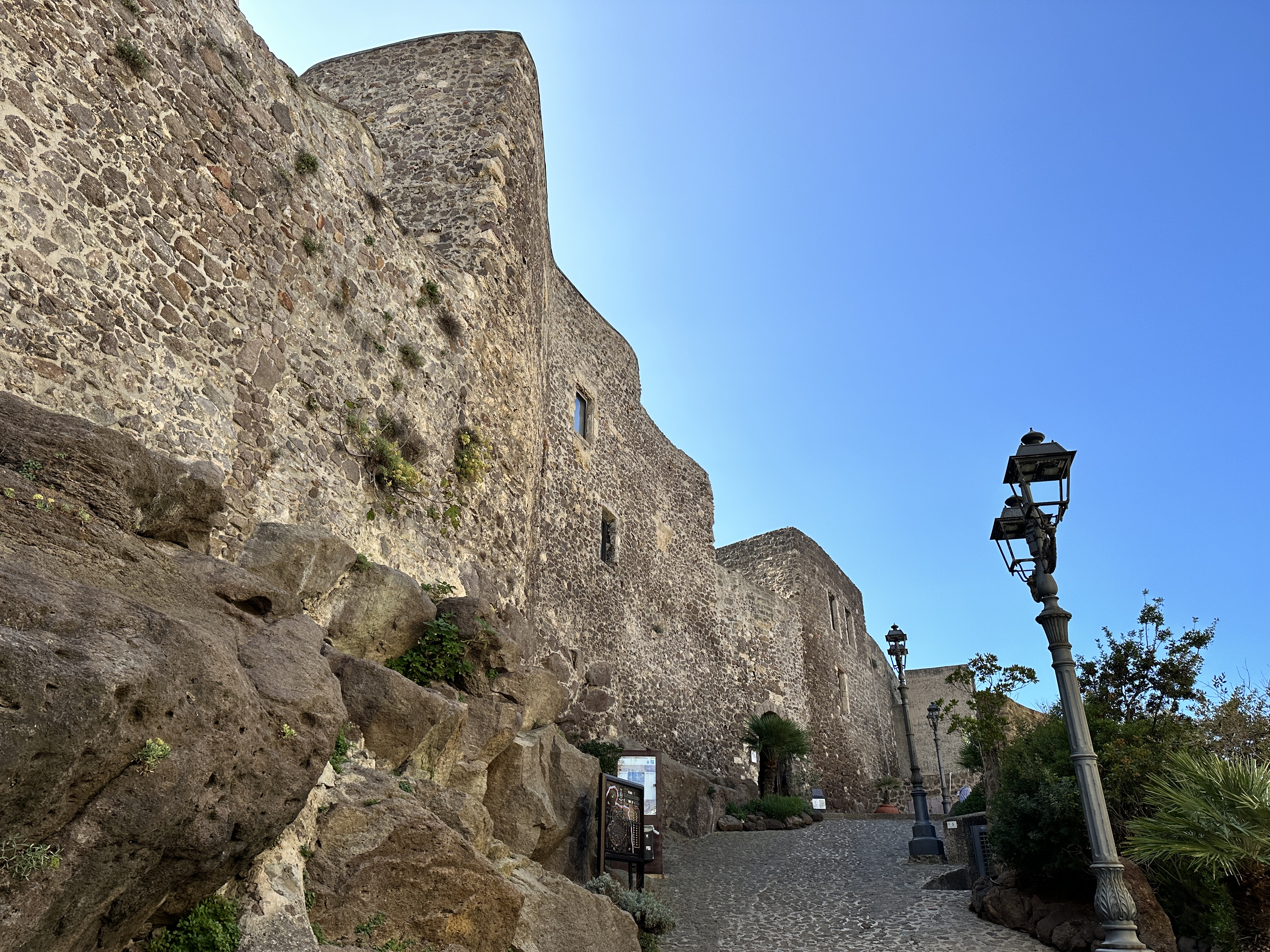
The 13th century castle at the top of the hill in Castelsardo is named after the Genoese family who was entrusted with its care. It is open to visitors and there are a few rooms you can visit with various displays, including the Museum of Mediterranean Interweaving.

A view from the top of Castello dei Doria.

Street Wandering

As with any small European town, it is fun to just wander the narrow, steep streets. Our hotel was on one of these little streets. There was plenty of car parking outside the old town on the sea side of Castelsardo.

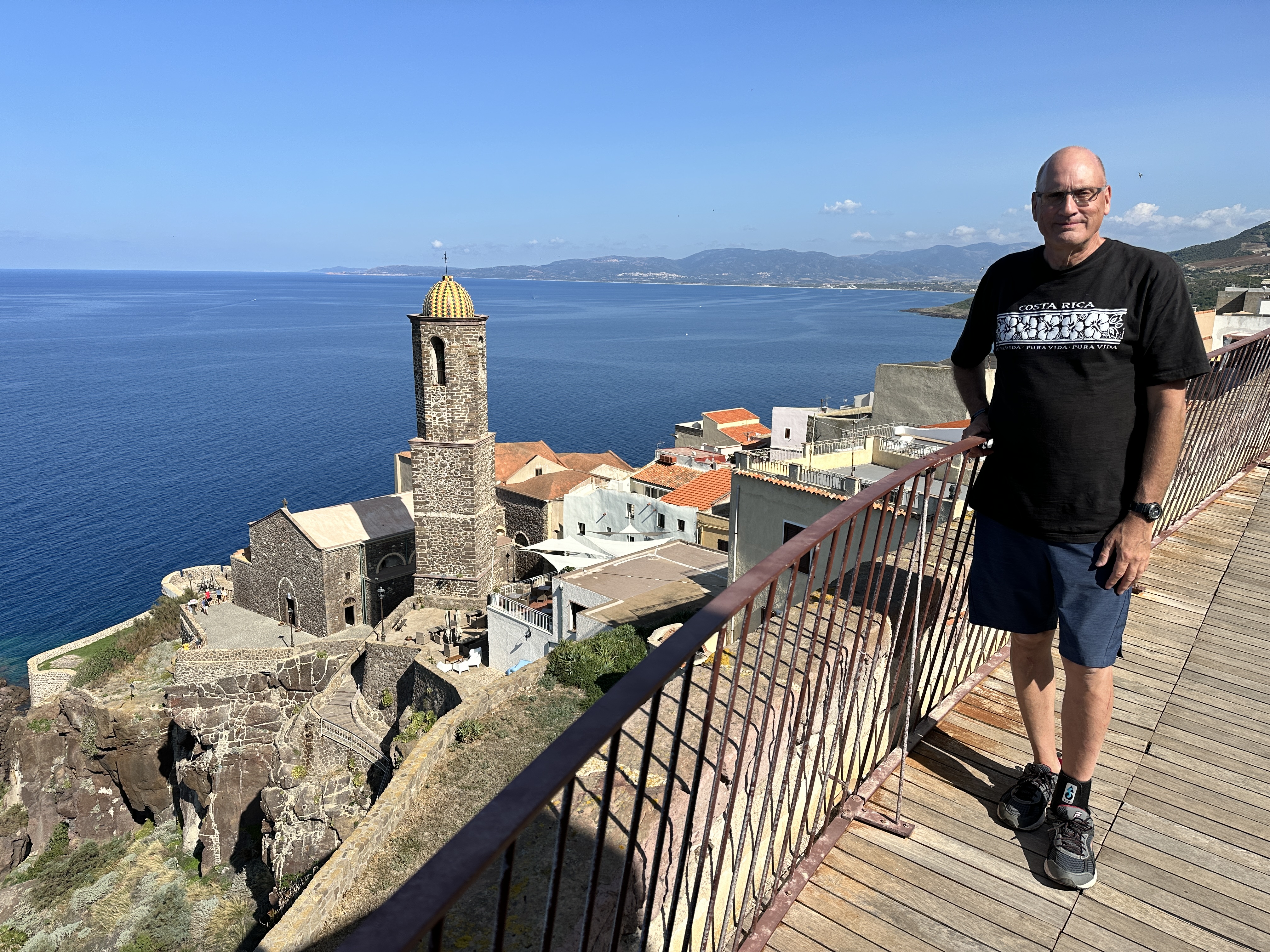
View of Castelsardo’s 16th century Cathedral, with a magnificent view of the Mediterranean Sea and Sardinian coast line in the distance.
I loved this image of an old 1st story floor/ceiling, in a visitor’s center near the Castle. I can’t imagine trying to build anything that would be square and level in those days!
Some of the other 16th buildings near the Cathedral in Castelsardo’s old town.

Elephant Rock

Just off a road leading into Castelsardo from the east is this interesting volcanic rock formation, aptly named “Elephant Rock”. What is even more interesting is that within this rock there are two pre-nuragic tombs, dating to a time before Sardinia’s Nuraghe were built, likely 5,000 or more years ago. We just pulled off the side of the road to take a look.

Just outside of Castelsardo is this interesting volcanic rock containing ancient tombs, aptly name “Elephant Rock”.
Don’t miss beautiful Castelsardo if you have the chance!

Visit Montserrat: Must-See Monastery Near Barcelona

While there’s a lot to see in Barcelona, Spain there’s also a lot to do outside this beautiful city. We were only in Barcelona for three days and decided to spend one of those three days visiting the famous monastery of Montserrat, known as Santa Maria de Montserrat.

Getting There

There are various ways to get to Montserrat, you can take a train from Barcelona, drive a car, hike up the steep hills (as pilgrims have done for centuries), or take a tour. We decided to take the easy route by joining a day-tour from Barcelona. We made our reservation at a tour kiosk on the beautiful Las Ramblas street in Barcelona. The tour bus drove us up to the head of the valley right below Montserrat and then we took a steep train ride (Cremallera Rack Railway) the rest of the way up the mountain.

A view of the Rack Railway Station where we took the train up the steep mountain side to the Montserrat Monastery.

On the return, our tour bus met us at the bus parking area next to the Monastery and we drove all the way back down to Barcelona. The bus ride was about one hour each way. I think we had about 3 1/2 hours to visit the monastery, which was enough time to visit the Basilica where the Black Madonna is housed, visit the various shops, walk up to the St. Michael’s Cross overlook/viewpoint (fairly steep but paved most of the way), take the Sant Joan funicular (super steep!) behind the monastery to a spectacular viewpoint and access point for the hiking trails high above the monastery, and to be back to the Basilica in time enough to get in line to (hopefully) see the Boys Choir perform. Reservations are now required to see the Boys Choir and our tour did not include those reservations – our tour guide warned us of that fact when we got on the bus. However, we waited in a line in front of the Basilica shortly before the afternoon performance and we were able to get in and find seats at the last minute.

Monastery

One of the best features of the monastery is its striking setting in the Montserrat mountains. It was originally founded in 1025, and I can see why it was founded here – a protected site that is not easy to get to and pretty easy to defend! The Monastery has a long and famous history, it’s been a pilgrimage site for a thousand years because of the Black Madonna, housed prominently in the Basilica.

View of Montserrat Monastery from the Sant Joan Funicular.

A very interesting statue of a knight – his eyes followed you left or right – you could swear they moved!

One of Montserrat’s Benedictine Monks.

More about Montserrat’s history can be found here. In addition to a day trip, you can stay overnight at the hotel on the Monastery’s grounds if you wish.

Montserrat Boys Choir

Montserrat Monastery is home to one of the oldest boys’ choirs and music schools in Europe, dating back to the 14th century. It’s called Escolania de Montserrat. More information on the choir can be found here. We were so glad that we were able to see them perform. We visited in October and they were doing a couple of performances that day, and luckily we were able to get into the Basilica for their afternoon performance, in perfect timing with our tour visit.

A view of the Boys Choir at Montserrat’s Basilica.
A short video of the Boys Choir performance.

Views From Around the Monastery

Sant Joan Funicular

You can buy a ticket to take the steep funicular ride up the hill behind the Monastery. I highly recommend this if you have time. The views are incredible, and you can hike all around the tops of these mountains.

View from the top of the funicular at Montserrat Monastery.
View looking west from the top of the Sant Joan’s Funicular at Montserrat. There are a number of trails in the area, including pilgrimage routes down to the Monastery. We went a short distance on several trails just to check them out, but we didn’t have time to explore the area too much. We loved the interesting rock formations – the mountains reminded us of the Front Range (part of the Rocky Mountains) near Denver, Colorado.

St. Michael’s Cross Viewpoint

A short steep hike from the Monastery takes you to St. Michael’s Cross, also known as Creu de Sant Miquel, which has a commanding view of the Monastery and the valley below. The trails are well sign-posted.

Visiting Santa Maria de Montserrat is a great way to spend a day in the Barcelona region. If time allows, definitely make the visit!