Mitad del Mundo, Ecuador – The Middle of the World (Almost)

Location of Mitad del Mundo, near Quito, Ecuador

During a May 2011 business trip to Quito, Ecuador I visited Mitad del Mundo on a Saturday morning. This spot marks the location of the equator—half way between the north and south poles. Mitad del Mundo is about 45 minutes by car north of Quito. I hired the car and driver from the Radisson Hotel (where I was staying) for $70, which also included a visit to the old colonial part of Quito. A local bus would have been much cheaper, but I didn’t have the time. I enjoyed the drive out to the monument—through a valley with farms, small towns and many nice townhouses and homes.

Mitad del Mundo monument

The monument was built during the years 1979 to 1982. I’ve heard (according to those with the latest GPS tools), that the exact location of the equator is a few hundred yards to the north, but given the earth’s equatorial circumference of about 24,901 miles, the variance is less than .0006%—not enough for me to lose any sleep.
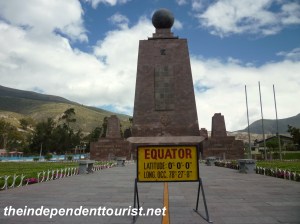
The equatorial line - right side is nothern hemisphere, left side is southern hemisphere

The site is basically a park that has a large stone monument noting the latitude and the hemispheres. The site entry cost was $2 (Ecuador uses the U.S. dollar) and there is another charge of $3 to go up to the observation platform on the monument. There are several little shops and restaurants, and a museum (where the equator actually is), so one could make a day of the visit. I got there about 10 am and shops were just opening for the day.

Shops at Mitad del Mundo

Additional shops at Mitad del Mundo

My driver asked if I also wanted to visit a nearby volcano, Puluhahua, to which I agreed. Ecuador has61 volcanoes (with 15 more on the Galapagos Islands), several of which surround Quito. The short drive up to the old crater from Mitad del Mundo was a bit like going into the alpine tundra in my home state of Colorado. If I hadn’t learned that Pululahua was a volcanic crater (3,356 meters elevation), I would have thought it was just a high small valley surrounded by peaks, but as we learned a little more from a local guide, I could more clearly see the crater, which last erupted in 500 BC.

Farming in Pululahua crater

On the way down from the crater, I caught sight of my first roasted cuy (guinea pig) by the side of the road—as tempting as it was, no one was there to sell the treat (darn), and I wasn’t quite ready for lunch.

Roasting cuy...yum!

I enjoyed this little trip, just to get into the countryside of this beautiful country for a few hours.
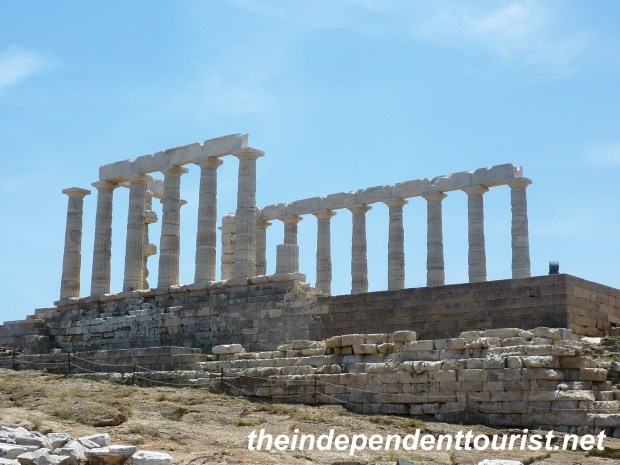
Temple of Poseidon, Greece.

Day Trips from Athens – Temple of Poseidon

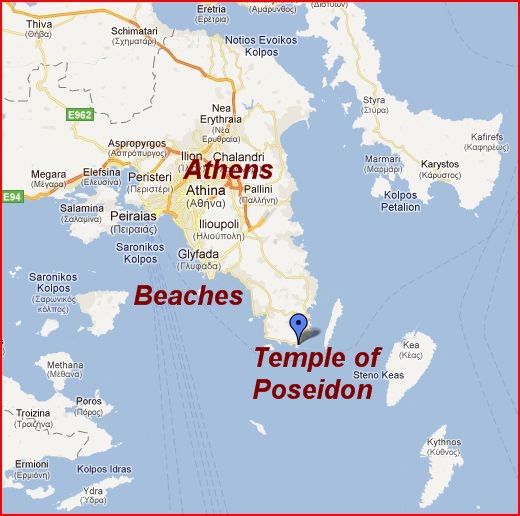
Temple of Poseidon, Greece Map.

The Temple of Poseidon is about an hour south of Athens by car.

South of Athens, at the end of a peninsula, lies the town of Sounion, and the majestic ruins of the Temple of Poseidon on a cliff overlooking the sea.  It’s about a one hour drive from the city and about a half hour from the Athens airport.

The west coast of the peninsula is a long string of beautiful coves and beaches. The closer to Athens one gets the busier the beach, especially on weekends. We were there on a Sunday in June, and the northern beaches were packed, but those nearer to Sounion were pretty quiet.

Sounion, Greece

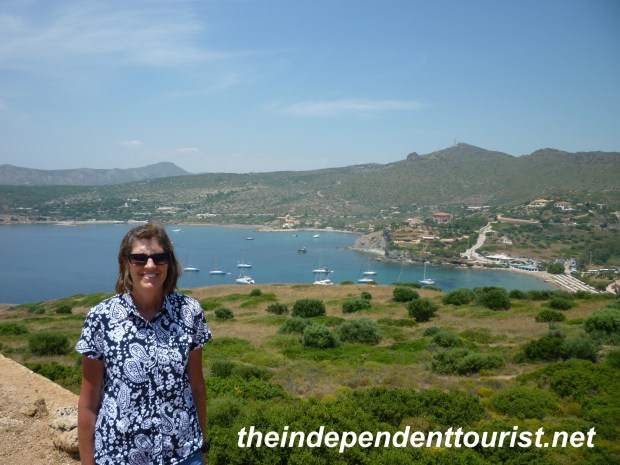
The bay and beach of Sounion

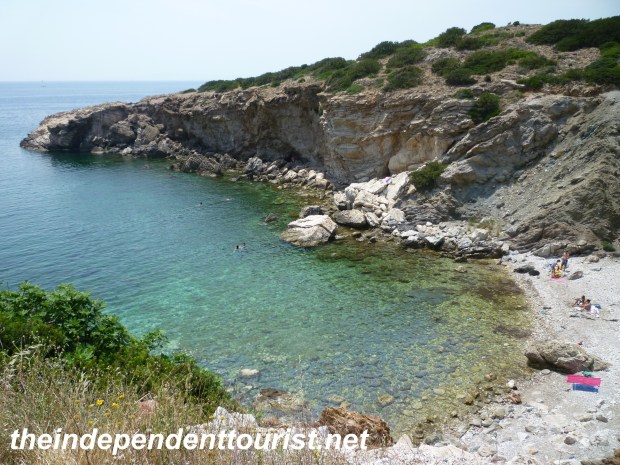
Beach, Sounion, Greece

One of the many coves and beaches near Sounion

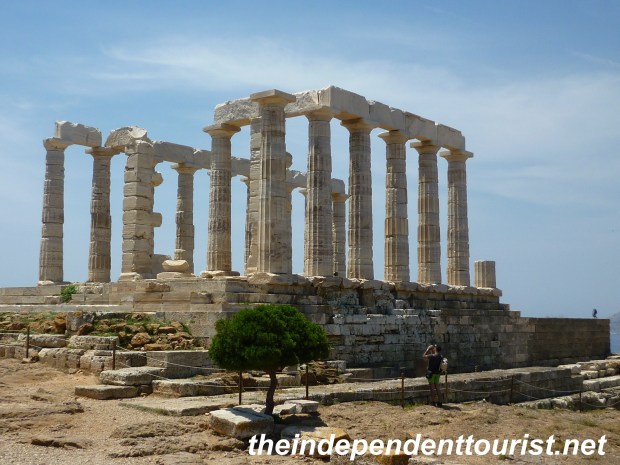
The temple was built between 444 and 400 BC.  It is quite well-preserved with 15 original columns still standing. Anciently, to sailors returning to Athens, the Temple of Poseidon was a landmark that indicated they were almost home.

Temple of Poseidon, Greece

Temple of Poseidon

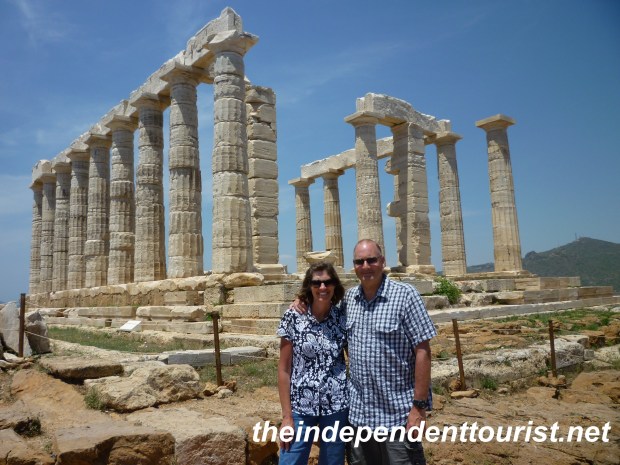
Temple of Poseidon, Greece.

View of Temple of Poseidon from the stoa.

Temple of Poseidon, Greece

The original Doric columns of the Temple of Poseidon.

The best way to visit this area is with a rental car. If you are picking up a rental car at the Athens airport or dropping one off, and have a few hours, take the time to visit this area. We’re glad we did.

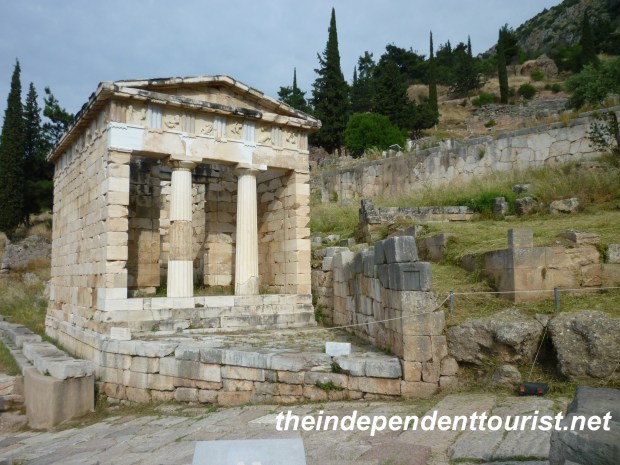
Treasury, Delphi, Greece

Day Trips from Athens – The Ancient Sacred Site of Delphi

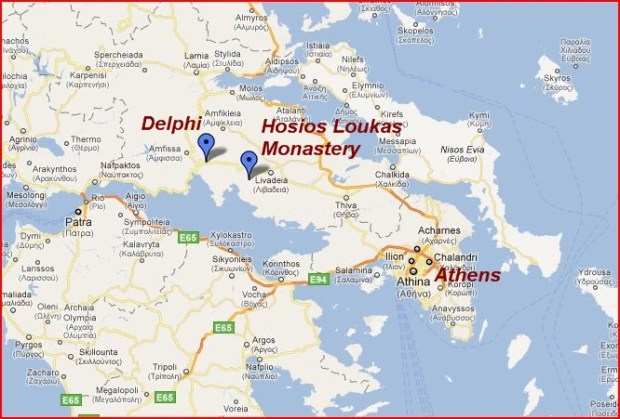
Delphi Greece Map, Day Trip from Athens

Delphi is about 2.5 hours northwest of Athens.

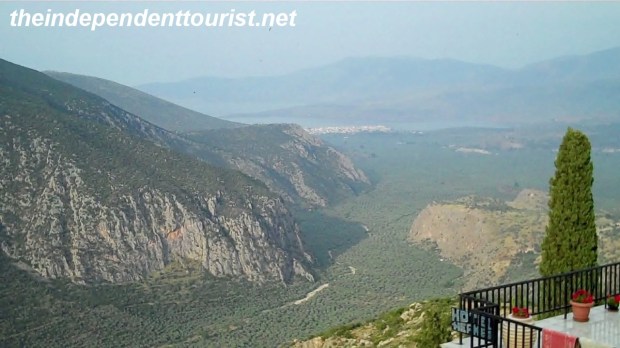
About 190 km northwest of Athens is the ancient center of the world, Delphi. We drove up from Athens (via a stop at Hosios Lukas monastery—see separate post). We stayed at the Hotel Varonos located on one of the two main streets in modern Delphi. This hotel has nice rooms, with decent size bathrooms, and our room had a good view of the large valley leading from the sacred city to the Gulf of Corinth in the distance to the south.

Delphi Greece Valley

Valley by Delphi with olive tree groves.

Although this post is entitled “Day Trips from Athens,” I highly recommend staying overnight in Delphi if possible, rather than doing a day trip from Athens.

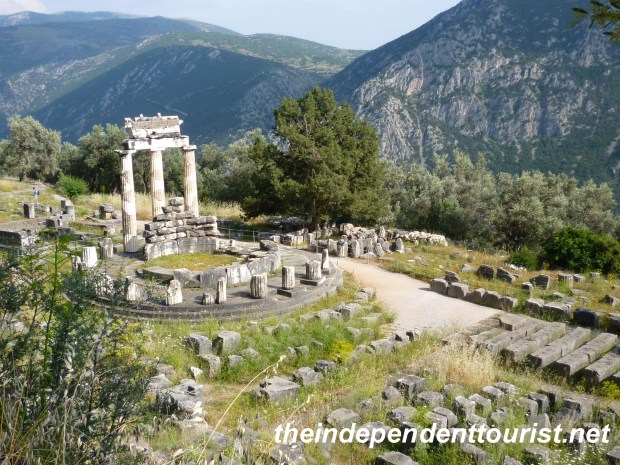
Tholos, Delphi, Greece

Tholos – Delphi (about 400 BC).

We did our visit in two increments–we visited the lower site (known as the Sanctuary of Athena), which is free of charge and therefore has less restricted visiting hours, upon our arrival in the afternoon. The lower site contains what may be the most famous sight in Delphi, the circular Tholos (about 400 B.C.) which is part of the Temple of Athena Pronaia. There are other ruins in the lower site also, including other structures associated with the temple, and a gymnasium foundation and circular pool.

The next morning we visited the main upper site. By staying in town, we were able to be at the gates of the ancient site early enough to avoid the crowds and enjoy the stunning ruins in peace. Please note that as of June 2011, the main site’s hours were shortened (closing earlier in the afternoon–around 3 pm) due to government cost-saving measures. When the gate opened at 8:30 am the line was short–perhaps about 10 people. One can walk from the modern town to the ancient ruins in no more than 10 minutes, along the main road which ancient Delphi straddles. Parking is limited (just a few small lots along the curving road), providing another reason to get there early before the tour buses take over.

Sacred Way, Delphi, Greece

Numerous offerings of the faithful were placed along the sides of the Sacred Way

Stadium, Delphi, Greece

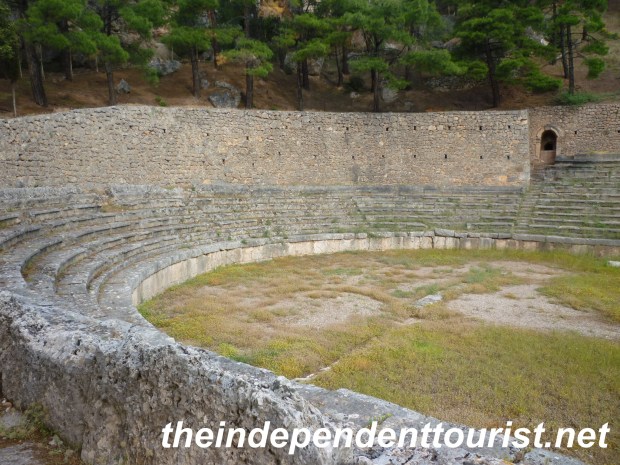
Delphi Stadium (2nd century BC).

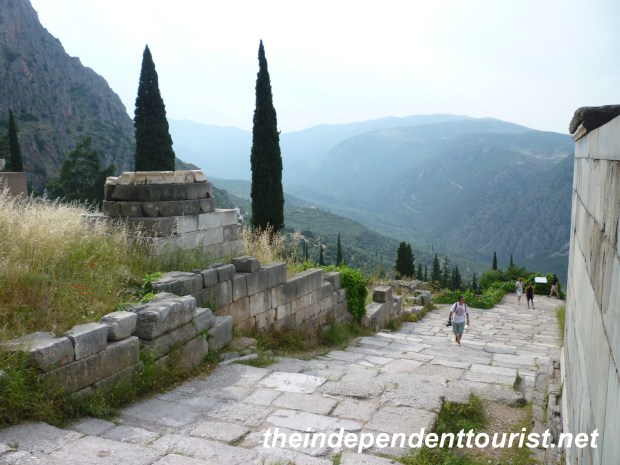
After purchasing tickets (€6 each) at the entrance,we hiked along the Sacred Way all the way up to the stadium, which is the highest ruin on the hill (Delphi sits on a steep slope), and then worked our way down through the various monuments, taking in the grandeur of the setting and ancient ruins.

Roman Theater, Delphi, Greece.

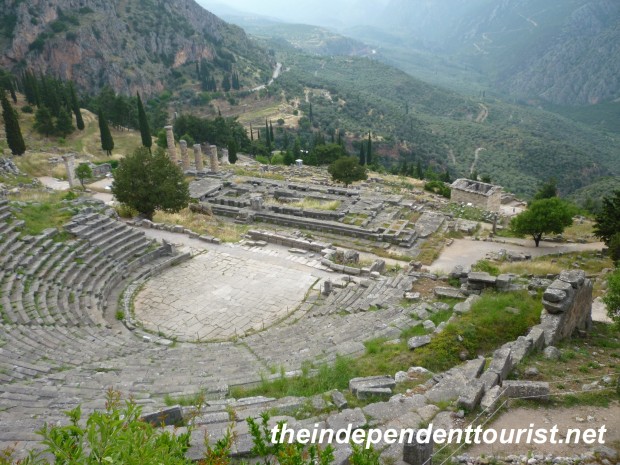
The Roman Theater (seated 5,000) with a lovely view.

The location of ancient Delphi is quite beautiful, on a slope surrounded by mountains, and near a small spring (the Castalian Fountain). The fountain was used for purification anciently. From the well-preserved theater, the view overlooking the valley is a treat. There is also museum at the site, which we did not take time to visit.

Delphi, Greece.

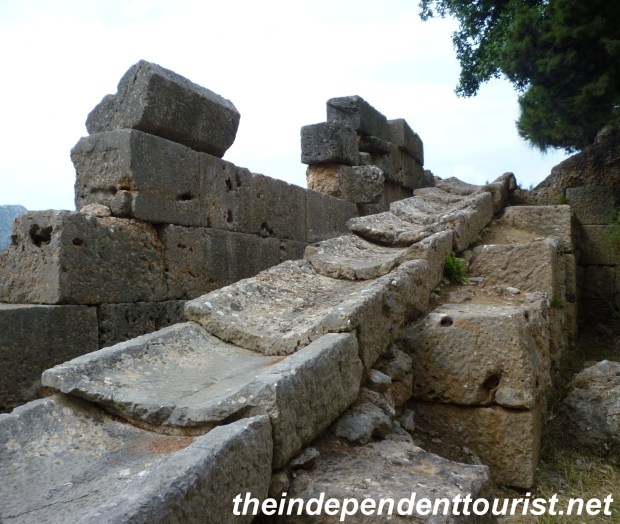
Stone drainage channel near Sacred Way.

Short History

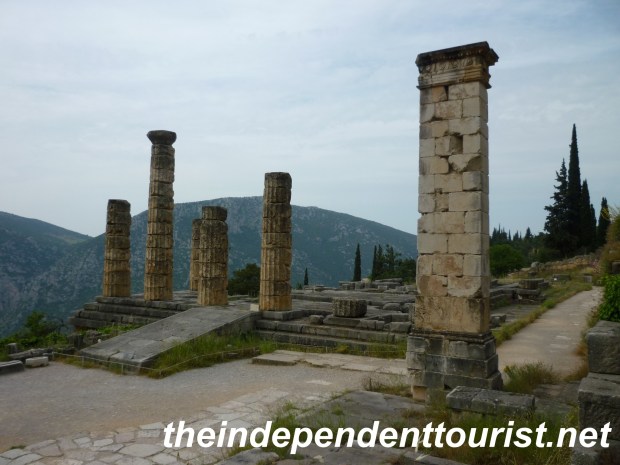
Temple of Apollo, Delphi, Greece.

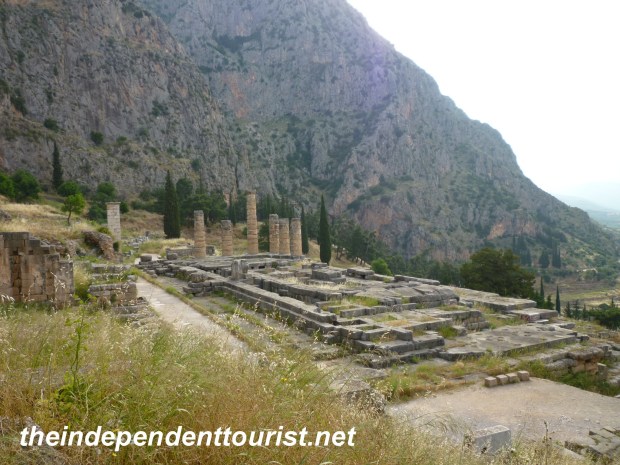
Another view of Temple of Apollo.

Although the area was originally settled by the Mycenaeans around 1500 BC, the worship of Apollo began in 7thcentury BC. The sovereign god of Delphi was Apollo, who guaranteed the enactment and observance of sacred laws, which were at the heart of the purpose of the great Oracle and sacred sanctuary. Government leaders and ordinary people from all over the Mediterranean region would come to the Sanctuary to seek the assistance of Apollo in matters of state and even personal problems. In order to hear a prophecy, the petitioner had to pay a special tax, go through a purification process and offer sacrifices. Greek cities also made offerings, housed in the many temple-like treasuries along the Sacred Way.

Treasury, Delphi, Greece

Athenian Treasury – Delphi.

Temple of Apollo, Delphi, Greece.

Temple of Apollo, Delphi.

The famous Oracle, believed to be in a sanctuary below the Temple of Apollo, would inhale the earth’s vapors (through a gap in the ground) and chew on bay leaves (Apollo was associated with the bay or laurel tree), then go into a trance and would provide unintelligible prophecies. Priests would interpret the prophecies, but their interpretations were often vague. Delphi, along with the rest of Greece, came under Roman domination in 146 BC. The riches of the city must have been amazing at their height. These riches were looted Roman leaders by several times, but owing to the vastness of its treasures, even during the reign of Constantine the Great (324-337 AD) there were still many works of art which were transported to Constantinople. The Oracle continued to function until 394 AD when pagan religious practices were largely abandoned as Christianity spread in the Roman Empire. The site of Delphi was buried over the centuries by earthquakes and landslides and a village was built on the top of the ruins. Eventually (late 1800’s) the modern village was relocated, and more thorough excavations by the French brought to light the incredible archeological artifacts visible to tourists today.

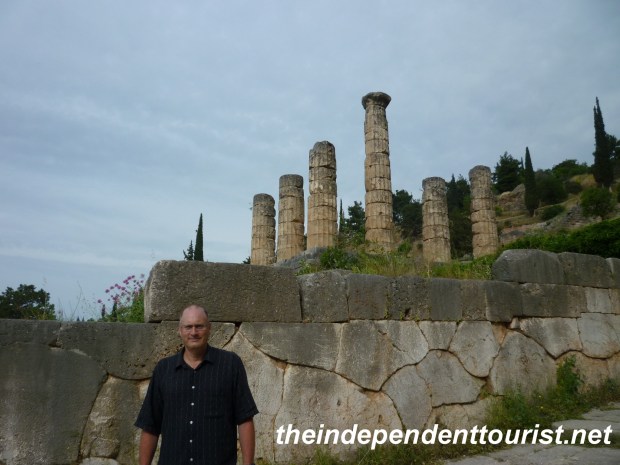
Temple of Apollo, Delphi, Greece.

The retaining wall of the Temple of Apollo – impressive for its careful construction, note how polygonal stones fit together (4th century BC).

Reference: Delphi: The Archeological Site and the Museum, published by D. Haitalis, Athens, Greece, 2008.

Day Trips from Athens – Hosios Lukas Monastery

Map of day trips from Athens

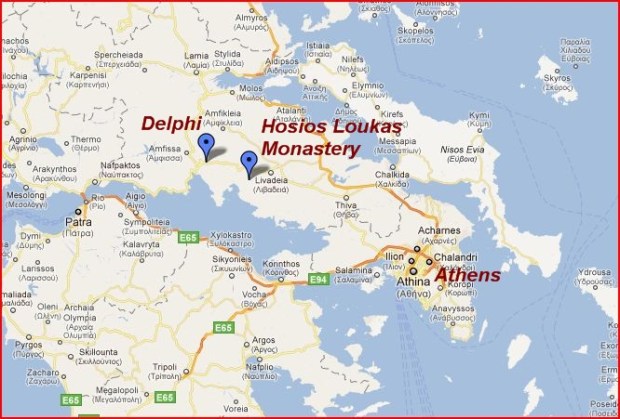
Location of Hosios Lukas Monastery, about 2 hours from Athens.

Hosios Lukas Monastery is on the way to Delphi from Athens (about 152 km northwest), and takes about two hours by car. One of the advantages of renting a car is visiting sites like Hosios Lukas, which most bus tours bypass on their way to Delphi. Upon our arrival at the Athens airport (from Naxos Island) we rented a car from Auto Union through Economy Car Rentals, a European car rental consolidator. They met us at the airport upon our arrival and drove us to their off airport office.

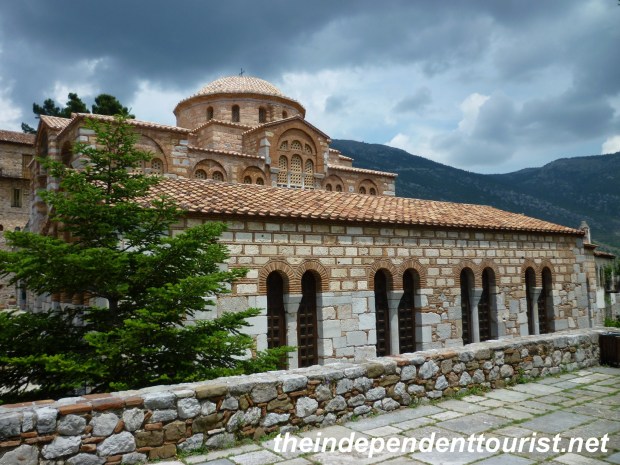
Hosios Loukas Monastery (9)

View of the Refectory – Hosios Lukas Monastery.

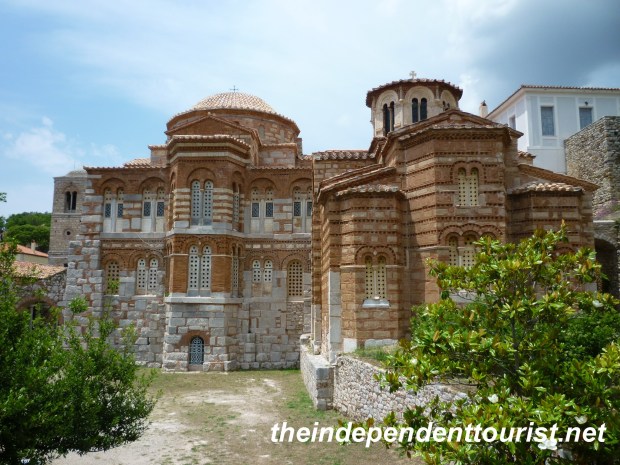
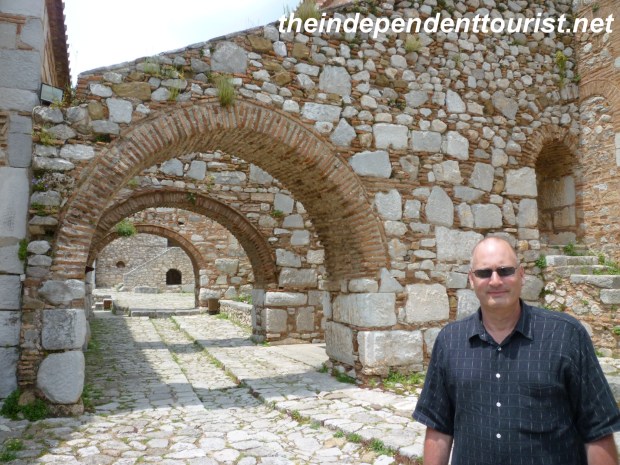
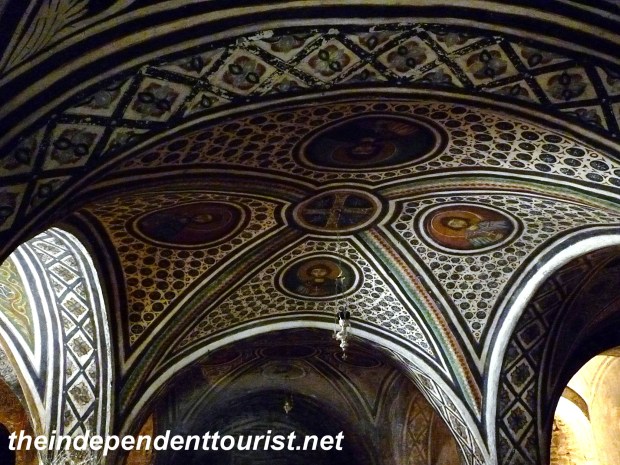
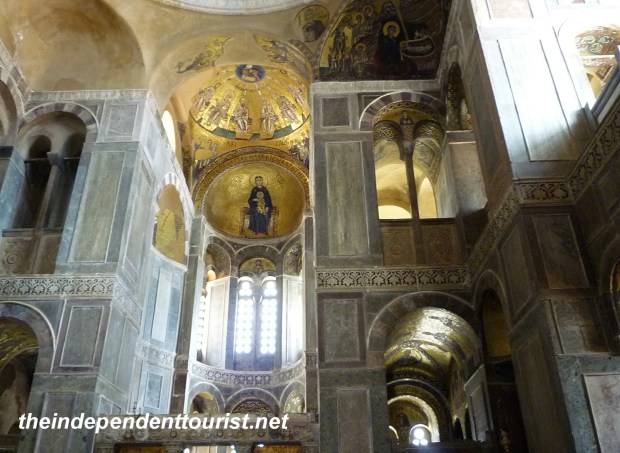
The monastery is just south of the town of Distomo, and about a 15 minute detour from the main route between Athens and Delphi. The monastery is an excellent example of Byzantine architecture and is known for its gold mosaics, wall paintings of the Katholikon (main) church, and 11th century frescoes in the crypt. Unfortunately, some of the mosaics were destroyed in an earthquake in 1593, but even so many remain. In addition, the monastery’s beautiful exteriors are a mix of red brick and huge stone blocks (from the nearby ancient Greek site of Steirion).

Hosios Lukas Monastery, Greece.

The beautiful stone work on the exterior of Hosios Lukas Monastery.

The site is on the slope of Mt. Elikon overlooking a green valley with high peaks all around. The monastery is still inhabited by a few monks.

Hosios Lukas Monastery, Greece.

The flying buttresses of the Hosios Lukas Church (note the stone work).

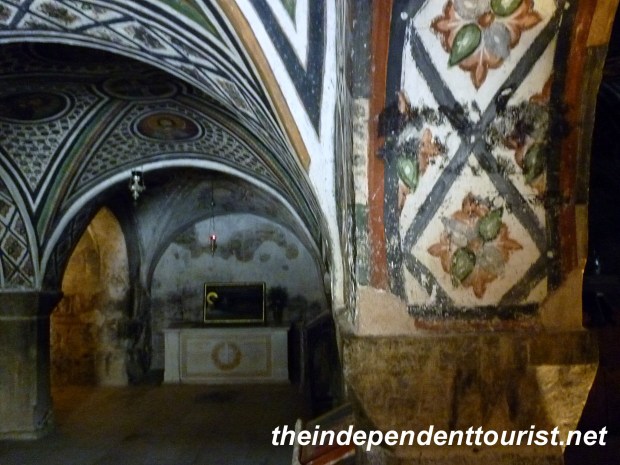
The monastery was founded in 961, and is named for Luke the Hermit (born 896 AD), who was from nearby Delphi. When he was 49 years old, he settled on the spot of the current monastery, and lived there until his death in 953. He became famous for his prophecy of the liberation of Crete from the Arabs, which was realized within 20 years of his prophecy. His tomb is in the crypt below the main church. We are able to walk into the crypt and wander through the paintings without supervision.

Hosios Lukas Monastery, Greece.

The tomb of Lukas in the crypt of main church

Crypt, Hosios Lukas Monastery, Greece.

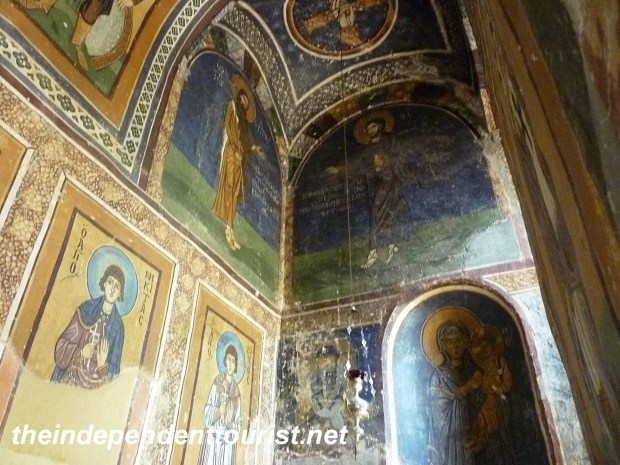
The 11th century frescoes in the main church crypt.

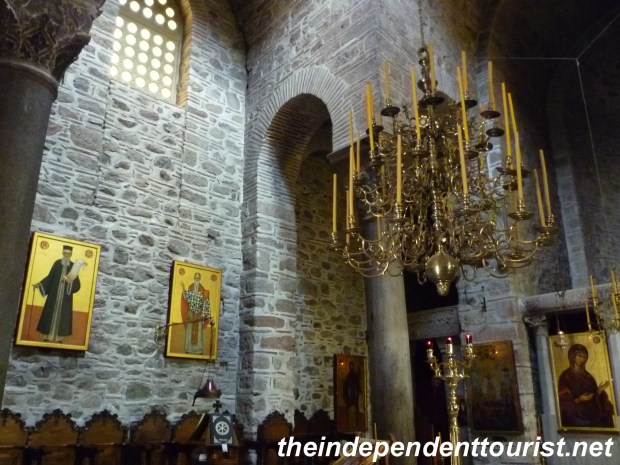
Most of the monastic buildings visible today date from the 11thcentury or later. The Hosios Lukas church became a model for other Greek churches of the period. A second smaller church, called Church of the Panaghia (Church of the Virgin Mary, or Church of Theotokos) is connected to the main church on the northeast corner. This church was started during Lukas’ lifetime, but was not finished until two years after his death. While it has a more austere interior, it still has some great wall paintings. In the connection between the two churches are relics of Loukas, including his hand bones.

Hosios Lukas Monastery, Greece.

Interior mosaics of Hosios Lukas Church.

Hosios Lukas Monastery, Greece.

Interior paintings of Hosios Lukas Church (11th century).

Hosios Lukas Monastery, Greece.

Church of the Panaghia interior.

Other interesting buildings are near the northeast entrance to the monastery, around the courtyard–including a stable, monk cells, and a hearth room blackened by soot from the warming fires over the centuries.

Hosios Lukas Monastery, Greece.

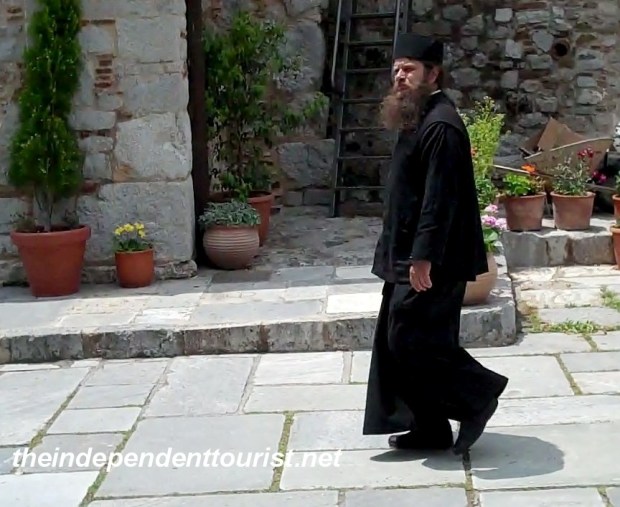
Monk walking the grounds of the monastery.

Hosios Lukas is only about 30 minutes from Delphi and well worth the stop. There is no entry fee and relatively few visitors, which made the visit very enjoyable.

References:  The Monastery of Hosios Lukas, Brief Illustrated Archaeological Guide, by Paul Lazarides, Hannibal Publishing House, Athens (no date given).

Fodor’s Greece Travel Guide, 2010.

Southwestern England Part 3 – St. Michael’s Mount

St. Michael's Mount England (2)

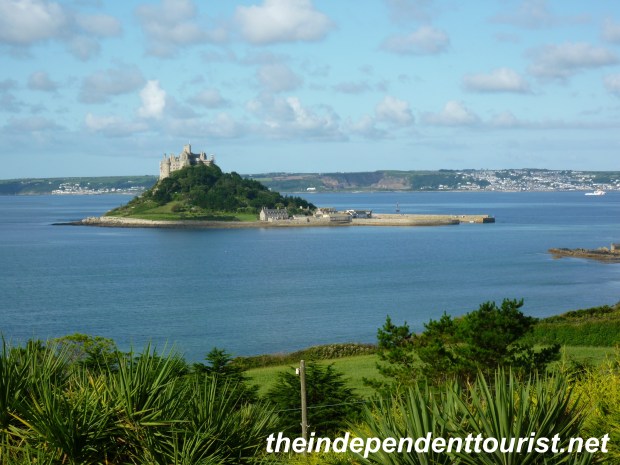
St, Michael’s Mount, in Cornwall, England.

St. Michael the Archangel in Christianity is the patron saint of high places. There are at least three major places in Europe that are holy sites associated with St. Michael: Mont St. Michel in Normandy, France; Skellig Michael off the southwest coast of Ireland; and St. Michael’s Mount near Penzance (Cornwall) England. Interestingly, all are islands, even though Mont St. Michel and St. Michael’s Mount were at one time part of the mainland. They are all monasteries and have an isolated feel about them, even with the visitors.
St. Michael's Mount_England_Map

Location of St. Michael’s Mount, Cornwall, England.

I have visited Mont St. Michel in France, and viewed Skellig Michael from a distance, longingly wishing I could visit (it was too early in the year and the sea was too rough).

St. Michael's Beach

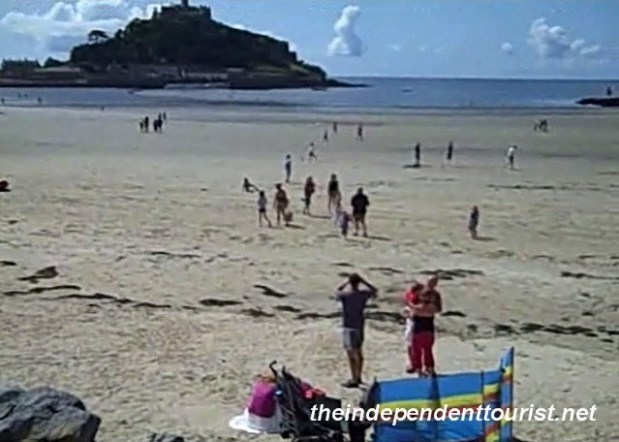
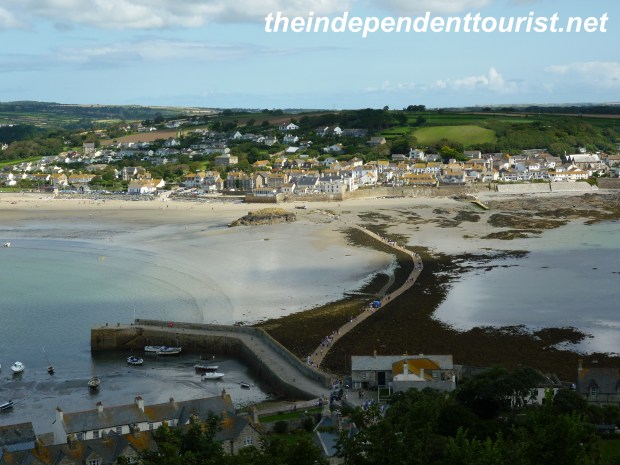
The beach at Marizion – St. Michael’s Mount in distance.

St. Michael’s Mount in England is impressive too and is located in a beautiful bay near the town of Penzance, which has a nice sandy beach—one of the warmest spots on the English coast—and the first place spring arrives in England.

We visited in August, the weather was in the 70’s F and the beach was pretty busy with English folks on holiday. Penzance is steeped in history- including raids of Barbary pirates and so is St. Michael’s Mount. It was a Benedictine monastery and founded in the 11th century. It had a close connection in medieval times with Mont St. Michel in France, as a subordinate sister monastery. The mount has been privately owned by the St. Aubyn family since the 1600’s but visitors have access through the UK National Trust, which manages many historical sites throughout the country (buy an annual pass if you are visiting several historical sites).

Visiting St. Michael’s Mount

St. Michael's Mount England (3)

With the tide in, a boat is needed to reach St. Michael’s Mount.

St. Michael's Mount England (4)

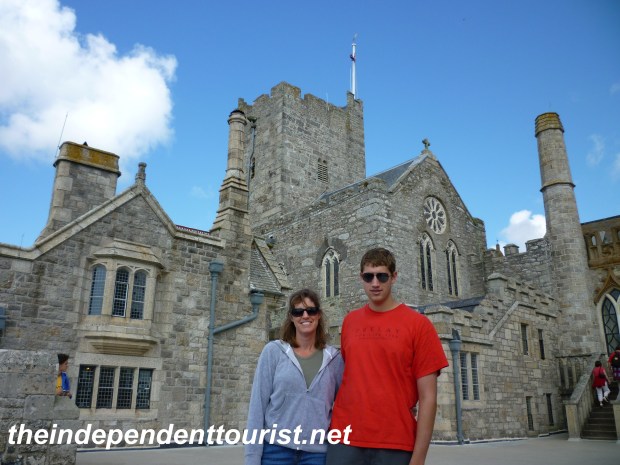
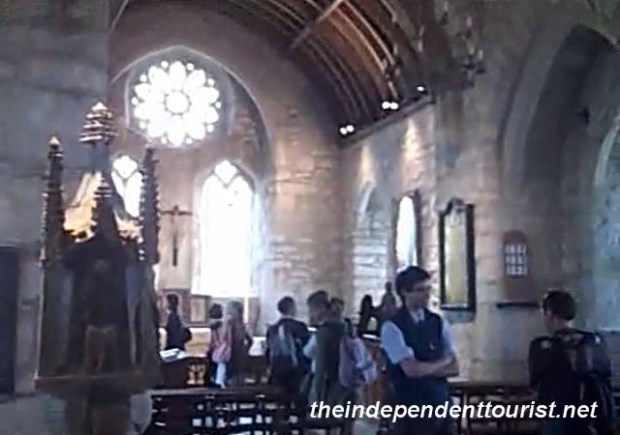
The Church at St. Michael’s Mount.

St. Michael's Chapel

Interior of St. Michael’s Chapel.

St. Michael's Mount England (6)

View of courtyard, St. Michael’s Mount.

Depending on the time of visit, one can either walk out to the Mount, or take a boat (which does not operate in winter). We did both. The tide was in when we left in the morning (see picture above) and so we took a boat ride out to the harbor on the island. By the time we were ready to leave, the tide had gone out and we were able to walk back on the cobblestone path along the seabed (picture below). There is plenty of parking in Marazion, the small town opposite the Mount.

St. Michael's Mount England (7)

The pathway to St. Micahel’s Mount with the tide out.

St. Michael's Mount Castle

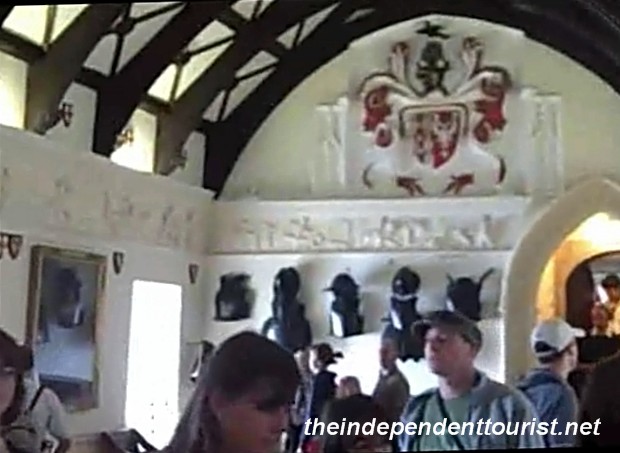
A castle room – St. Michael’s Mount.

St. Michael's Mount Castle 1

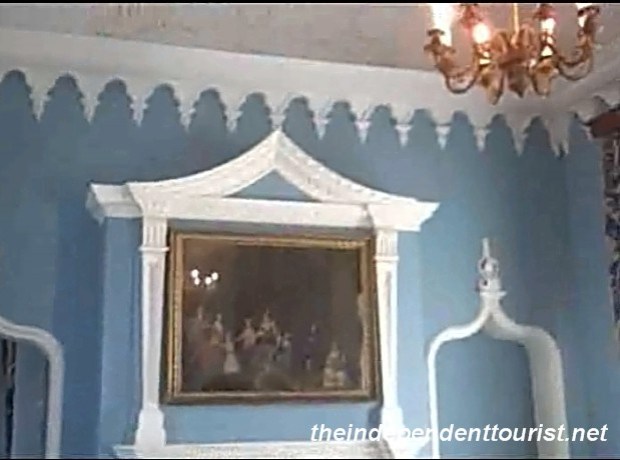
Another castle room – with the look of Wedgewood.

Once on the island, the ticket office is next to the harbor. There are several different tickets available: Castle only, Garden only and Castle and Garden. We chose the Castle only, but had a nice view of the Garden from the south side of the Castle walls. After purchasing our tickets we made the hike up the hill to the site. St. Michael’s Mount is about 250 feet in elevation and it’s a steep stone path to the top. Pictures of the interior are tightly controlled, but I was able to get a few. The main sights are the Castle and Chapel, in addition to the Gardens. Morning is a great time to visit for pictures of the island and the surrounding countryside. There is a gift shop and restaurant on the Mount near the harbor.
For more information, visit The National Trust.

The Byzantine Churches of Naxos Island, Greece

Church of Ayios Georgios Diasoritis_Naxos (6)

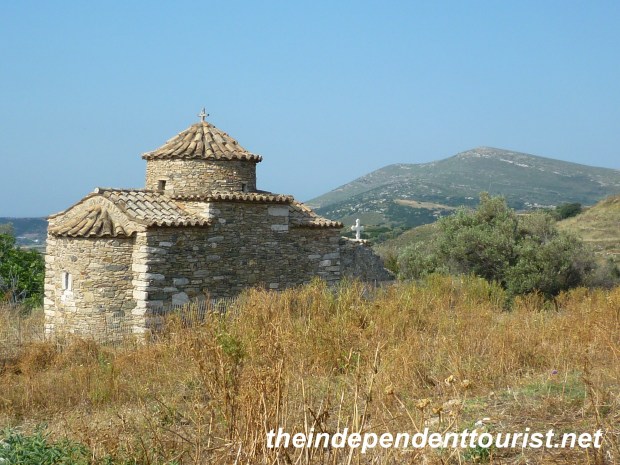
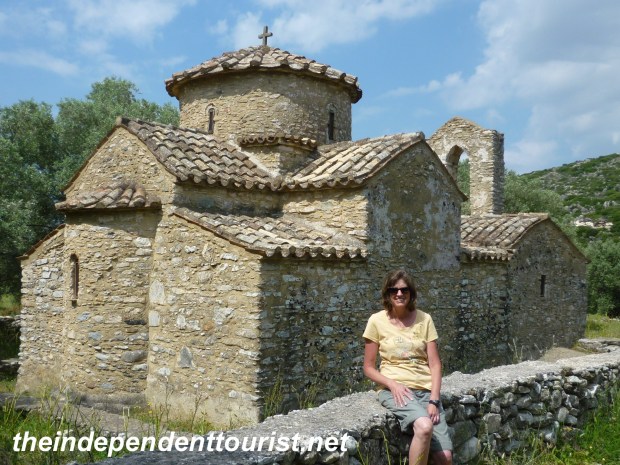
Church of Ayios Georgios Diasoritis, Naxos.

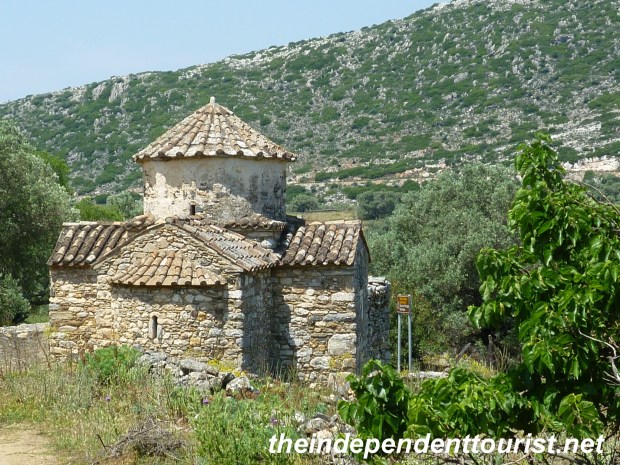
Small historical sights dot Naxos. Some of the best historical features are the little churches which were built during the Byzantine era (the Eastern Greek-Speaking Roman Empire) from the 6th to 15thcentury A.D.  Most of these little churches will not be mentioned in U.S. guide books, pick up (usually free) a local guidebook upon arrival from your host (see reference below).

Church of Ayios Nikolas_Naxos (4)

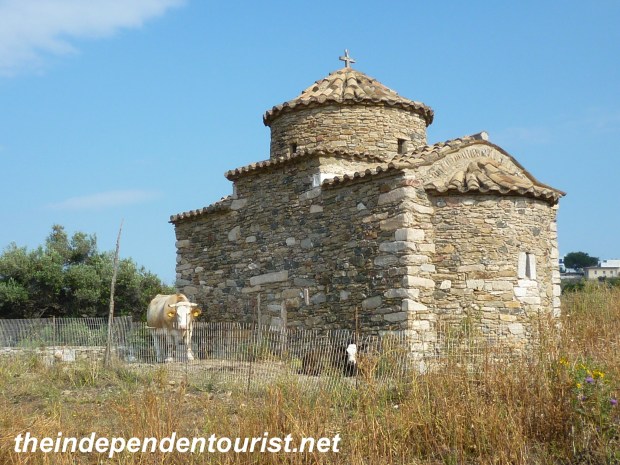
Church of Ayios Nikolas, Naxos, now in a cow pasture!

Church of Ayios Nikolas_Naxos (5)

Another view of Ayios Nikolas Church, Naxos.

Naxos Island Map

Naxos Island Locations.

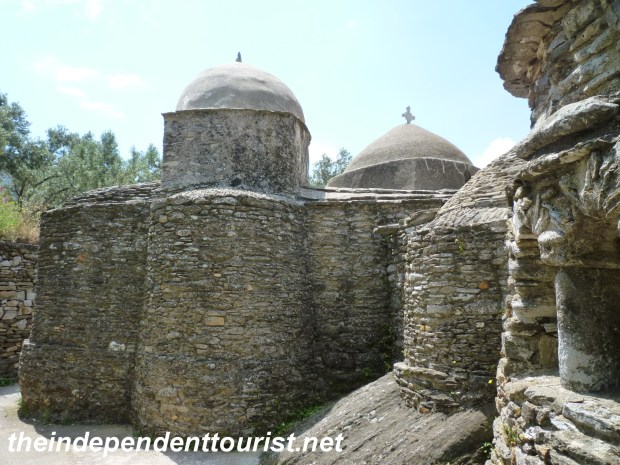
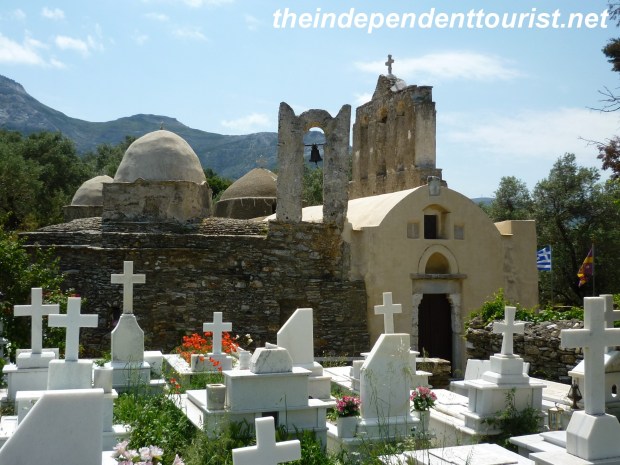
Some of the churches are a little walk from the main road or parking, a few are right off the main roads between Naxos Town, Chalki, Moni and Apeiranthos. Many contain wall paintings. Some of the churches are open only a few hours a day, so plan your visit accordingly. We just missed getting in the Church of Panagia Damiotissa which closes at noon, but we were able to go into the Church of Panagia Dosiani (on the same road as Panagia Damiotissa and near the town of Moni), which dates to the 7thcentury A.D., and is one of the oldest Christian churches in existence. It is open mornings and afternoons. There are somewhat faint (7th & 8th century) frescoes on the walls and ceilings of the little apse (we could not take pictures inside). I loved seeing these paintings which have survived pretty well for over 1,300 years!  A small donation is requested at the door.

Church of Drosiani_Naxos (3)

The ancient stone work of Panagia Drosiani, Naxos.

Church of Drosiani_Naxos (2)

The cemetery of the Church of Drosiani, Naxos.

Church of Panagia Damiotissa_Naxos (1)

Church of Panagia Damiotissa, Naxos Island.

There are also small Venetian towers (forts) all over the island. The Venetians ruled Naxos from the 13th to the 16thcenturies. The forts could send signals to each other in times of danger.  Most are now private residences, but a few can be visited. These buildings form the centers of Naxos town and Aperienthos.  It’s fun to just drive around the island and let the little brown historical signs guide your stops along the way.

Reference:   Naxos Guidebook, 2009; www.redguidebooks.gr

The Beaches of Naxos Island, Greece

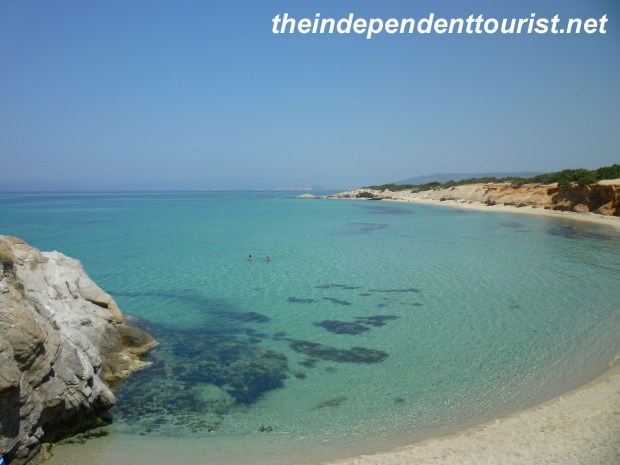
Alyko Beach_Naxos

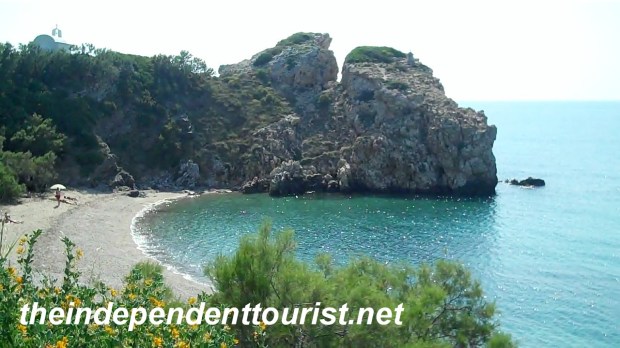
Beautiful Alyko Beach, Naxos.

Ok, I’m going to share a secret: Naxos has some of the most stunning beaches in the Greek isles and the best part about them is that they are nearly deserted. It was amazing to us that most of these beaches are so undeveloped. (Since they are so quiet, there are some that are “clothing optional” so beware if that’s a concern).

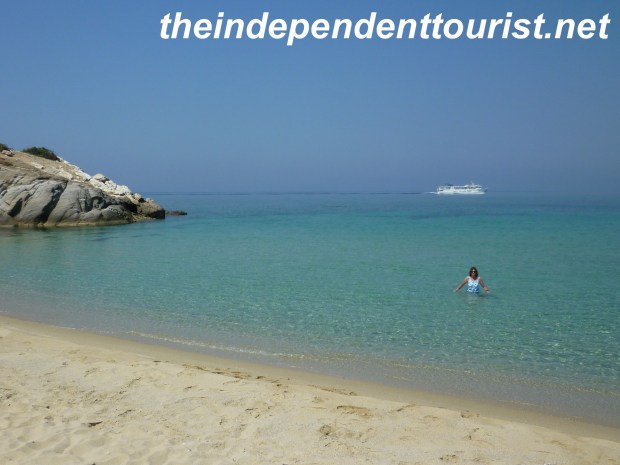
Alyko Beach_Naxos (3)

Another view of Alyko Beach, Naxos.

Naxos Island Map

Naxos Island Locations.

We rented a car for €33 per day, and it’s the best way to see the island and get to the beaches. Most of the best beaches are along the west coast, and there are many that begin just south of Naxos town. It’s almost a continuous string of beaches all the way to the southern tip of the island. Don’t worry about road signs; just follow the coast as closely as possible. Little paved roads may turn into narrow dirt paths between tall reeds, but trust your instincts and shortly you will find yourself at one beach after another.

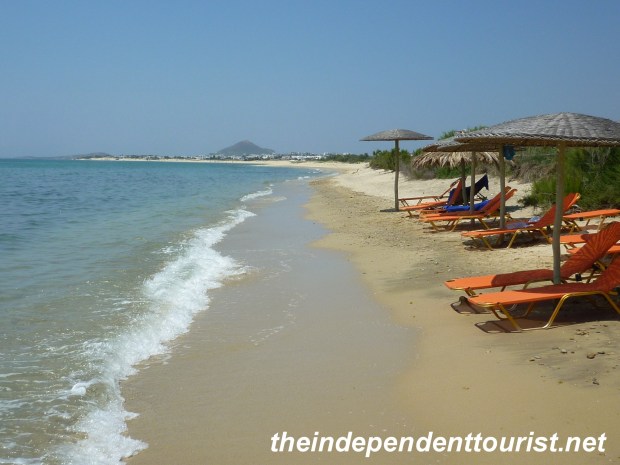
Plaka Beach_Naxos (1)

Plaka Beach, Naxos.

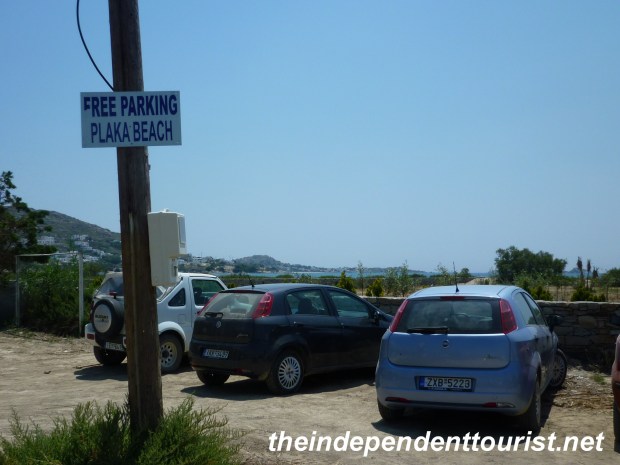
Plaka Beach_Naxos (2)

Plaka Beach parking at the end of a dirt road.

The challenge is choosing just one beach–we spent over an hour just stopping at each one we saw, and wondering if the next one could possibly be any better. We finally settled on (and loved) Alyko beach (pictures above) which is a little farther south and very scenic with crystal clear water. We also stopped at Plaka Beach, which happens to be the main nudist beach (unbeknownst to us!), but with lots of room to find your own space. Also to the north of Naxos town is Abram Beach – down a bumpy road (about 1/8 mile). Watch closely, there is a sign on the road. Keep going north along the coast and eventually you will reach the little town of Apollon, at the northern tip of the island—it has a sandy beach, and some of the best snorkeling on the island.

Abram Beach_Naxos

Abram Beach, Naxos.

Naxos Town (2)

Even the Town of Naxos (Chora) has beautiful beaches just north town center.

Naxos Island – A Change of Pace

Naxos Island Map

Naxos Island Locations.

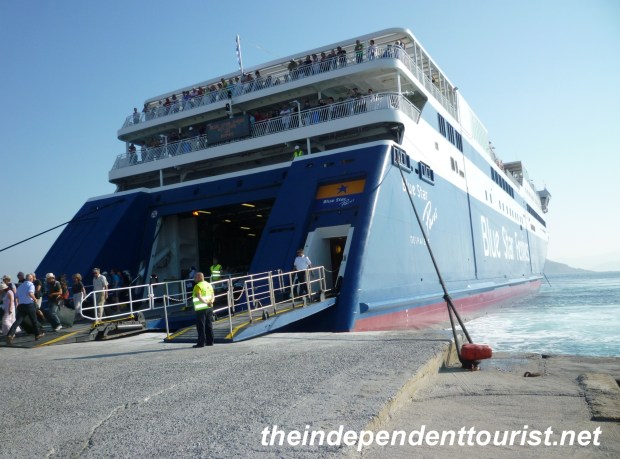
From Santorini, we took the Blue Star Ferry to Naxos, which is about a two-hour ride north. Compared with other popular islands Naxos is tranquil, with far fewer tourists. Naxos is in a great location, in the middle of the Cyclades and about halfway between Santorini and Mykonos, two of the busiest Greek isles.

Naxos Ferry (24)

Blue Star Ferry at Naxos Harbor.

If one is looking for a quiet, peaceful island experience, and yet desires to be not too far from the “action” then Naxos is the place. Also near Naxos are the islands of Paros and Antiparos, which are rising in popularity.  We stayed at Pension Sofi, in Naxos Town and just a 10 minute walk from the harbor.  The host family was wonderful and provided us with all kinds of treats and information about the island.  There are grocery stores just a short walk away also.

Naxos Cathedral

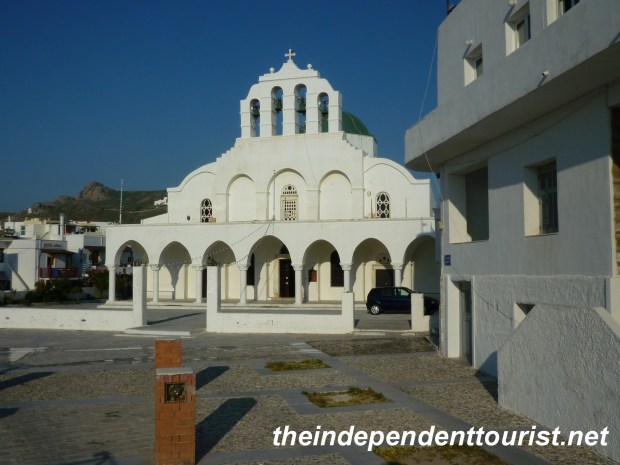
Naxos Cathedral.

Naxos’ economy in ancient times was based on emery mining and the marble quarries. The town of Naxos (also known as Chora) is built on layers of history, and there are some ruins just below street level near the Greek Orthodox Cathedral.

sanctuary-of-delian-apollo-portara

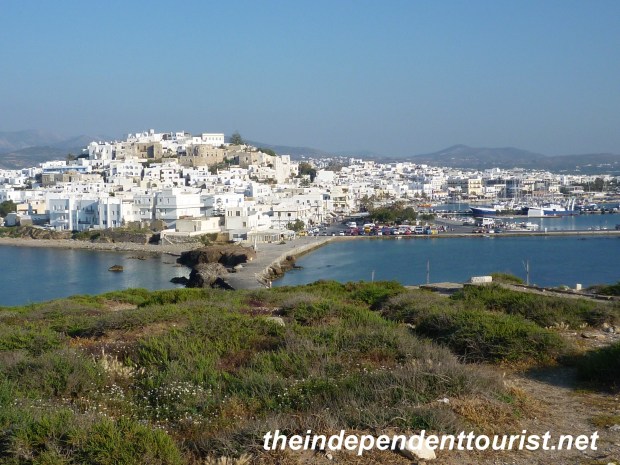
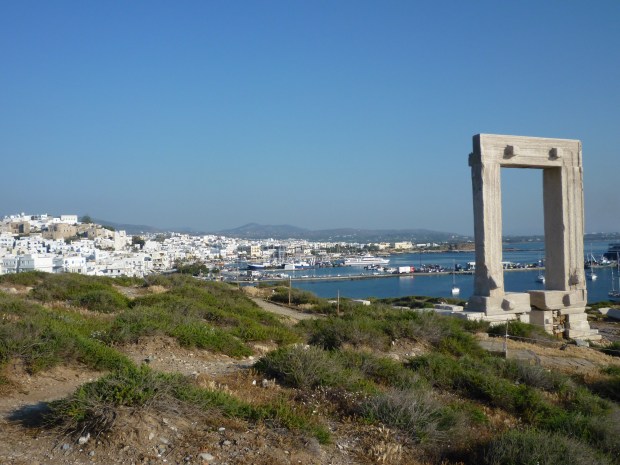
The town of Chora and the Portara.

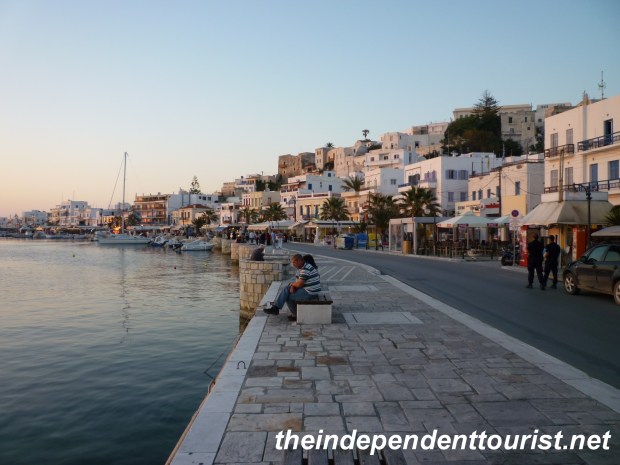
The harbor area is full of restaurants, but don’t bypass the older medieval town just up the hill. There are quaint alleyways, and the Castle of Chora (1207 A.D.) which holds concerts in the evenings and several restaurants with great views over the harbor in the old city.  Just outside the city to the northwest on a small peninsula is the Portara (530 B.C.), a huge doorway to the never-finished Temple of Apollo. This location provides a lovely view of Naxos town and is a quiet place to spend a little time just soaking up the Aegean ambience.The harbor is a lovely place to watch the sunset.

Naxos harbor at sunset (3)

Naxos Town harbor at dusk.

We enjoyed a drive through the interior of Naxos. We stopped at the tiny town of Sangri, with the little monastery of Timios Stavros, and then drove on to the Temple of Dimitra (also called Demeter), Zas (Zeus) Cave, and the marble-paved town of Aperienthos. We loved the quiet roads, the lack of tour buses, and the rural feel of Naxos.  It felt to us more like the “real” Greece where the pace of life is slow and enjoyed to the fullest.

Monastery of Timios Stavros_Sangri_Naxos

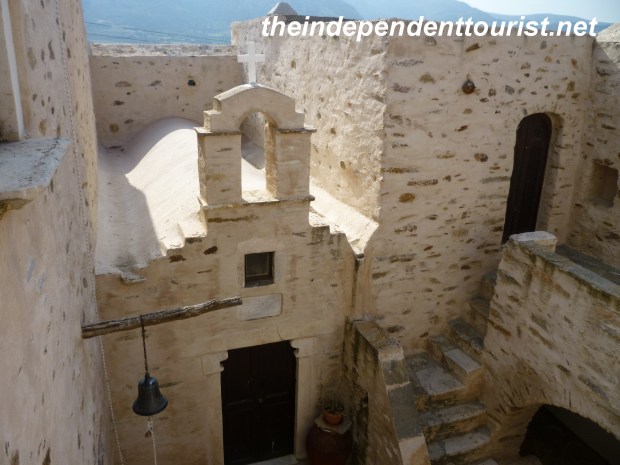
Monastery of Timios Stavros (Bazeos Castle) – Naxos.

Dimitra's Temple_Naxos (2)

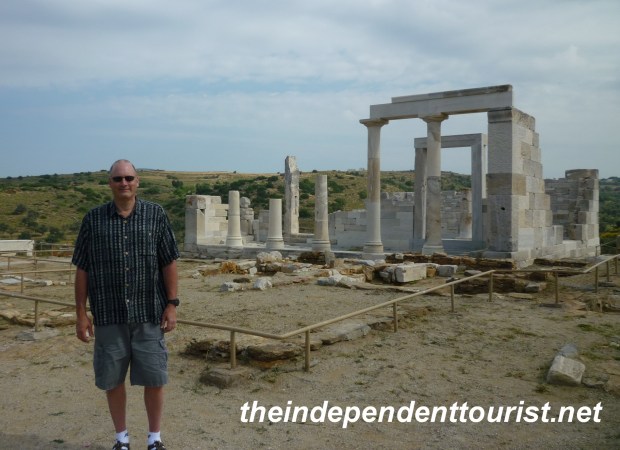
Dimitra’s Temple, Naxos.

Zas Cave_Naxos (2)

Hiking up to Zas Cave, Naxos.

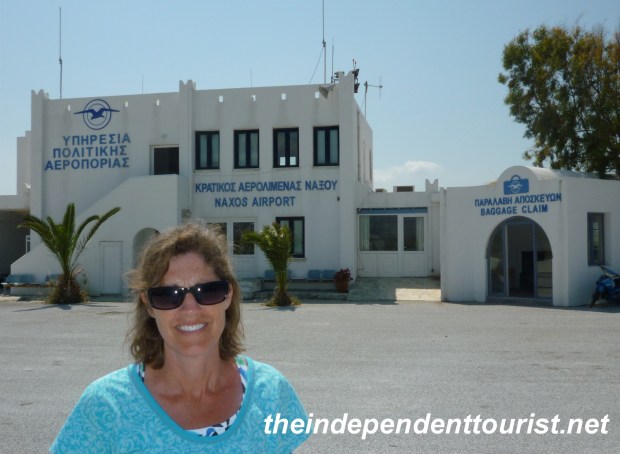
We had scheduled a flight from Naxos to Athens at the end of our stay. There is a small, I repeat—small airport on Naxos.  In fact, the tiny airport just south of Naxos town was so quiet I never heard a plane, and wondered if there really were flights! At the time of our trip (May/June 2011), Olympic Air operated two flights a day (prop planes) to Athens (early morning and in the evening). The flight only takes about 25 minutes.

Naxos Airport

Naxos Island Airport.

Reference:   Naxos Guidebook, 2009; www.redguidebooks.gr

Living in an Earthship is not so alien

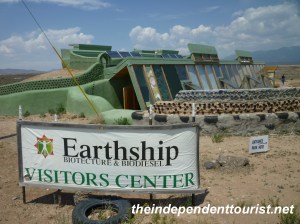
Earthship Visitors Center

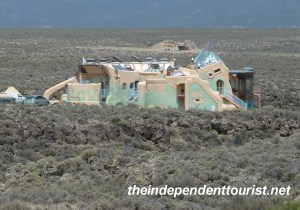
Ever wondered what happens with the millions of used auto tires disposed of every year? Ever dreamed of utility bills of less than $100 for the entire year? Just outside Taos, New Mexico is a large community of sustainable housing. These homes are built from used tires, packed dirt, adobe mud, aluminum cans, glass bottles and other recycled items. Concrete is used to fill in some walls and provide a smooth surface. Solar panels provide the electricity.  Rain water is collected and reused/recycled four times.

Sustainable residence – Taos, New Mexico

If you’ve ever wanted to consider how to build a home and have less impact on the environment, the Earthship neighborhood may be the place for you! We visited the neighborhood on a trip to Taos in July 2011. We were driving back to Taos from Ojo Caliente Hot Springs and noticed some very interesting, very low profile homes in the desert landscape.  They literally looked like housing from another planet. Just off Highway 64 there is a visitor’s center which charges $5/person to visit. Please respect the private roads and homes of the area’s residents.

Here’s a little information on the sustainability features of this unique housing:

Electricity

Electricity is produced through solar power and stored in batteries. DC power is used for lights, pumps and refrigeration. A power inverter converts DC power into AC for TV’s, computers, power tools and other needs.

Water

Rainwater collection system

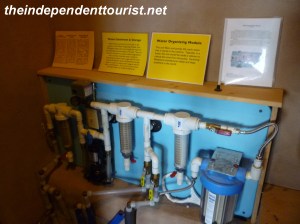
Rainwater is gathered during the wet season on the roof and stored in cisterns below. Through solar power, water is pumped into a solar hot water heater and as needed throughout the home. Water from sinks and showers is recycled through gray water treatment planters, feeding plants (like a vegetable garden) and flowers. Many earthships have extensive gardens-growing fruits and vegetables all year long, and thereby growing their own fresh produce. The water is pumped into toilet tanks for use. The black water is then pumped into a typical septic tank, and recycled for use in landscaping plants.

Walls

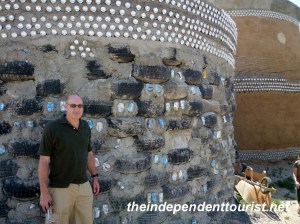
Example of tire wall construction (with aluminum cans too)

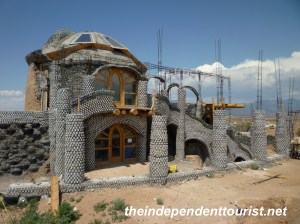
Used tires are hard-packed with dirt. The packed tires create the walls and foundation. Their thermal mass qualities passively heat and cool the house by absorbing heat in the summer and releasing heat in winter. We were surprised at the pleasant temperature in the earthship on a pretty hot July day. The house is low profile and surrounded by earth. Most walls can then be covered with adobe mud (a mixture of dirt, sand, straw and water), which becomes very durable when dried.  In some cases concrete is also used for walls and support, as noted above.

For more information, check out earthship.com.   You can rent an earthship for a night to check it out, too!

I have to admit coming back to our home in Colorado and using large air conditioning system to cool (and gas furnace to heat) a rather large, open home suddenly felt very wasteful and expensive.  We all can benefit from the science and knowledge of sustainable living from the Earthship Community.  I’ll never look at a soda can or old tire the same way again.

Another creative earthship

New earthship under construction (note the extensive use of aluminum cans)

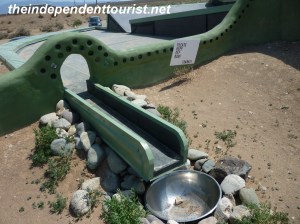
Earthship water filtration module (system)

The Island of Santorini – Black sand beaches and Ancient Thera

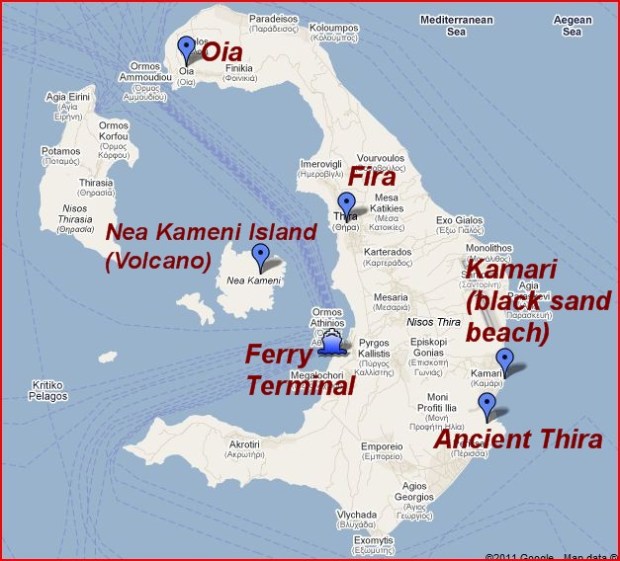
Map of Santorini Island

Map of Santorini Island.

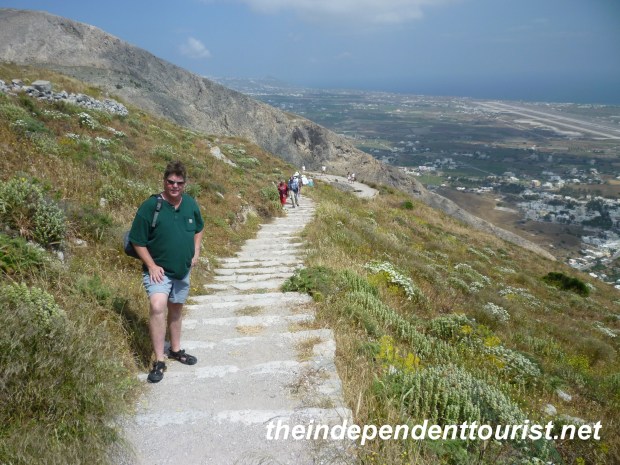
On the east side of Santorini are two towns both with black “sand” (more like “black pebbles”) beaches.  In between these towns on a very high (over 1,000 feet) hill, (called Mésa Vounó) are the ruins of Ancient Thera (also spelled Thira). We took the bus from Fira to Kamári, the location of the northern black sand beach and launch point up to Ancient Thera. There is a small tourist agency at the Kamári bus stop (renting ATV’s etc.), that provides transportation up to the site if one prefers not to walk. The road up to Ancient Thera is steep—with at least 25 switchbacks. We hired a little van to take us up (and back down) the steep road for €10 per person. From the point where the van drops you off, it is still another quarter mile hike to the main site. There is a small entry fee of €2 per person.

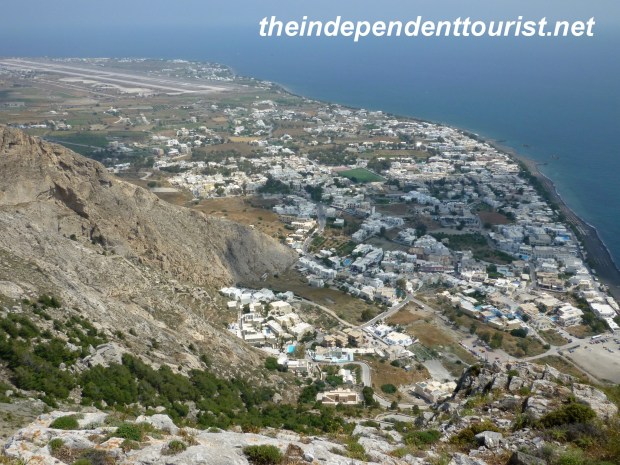
Kamari_Santorini_Greece (2)

View of Kamari and black sand beach from Mesa Vouno.

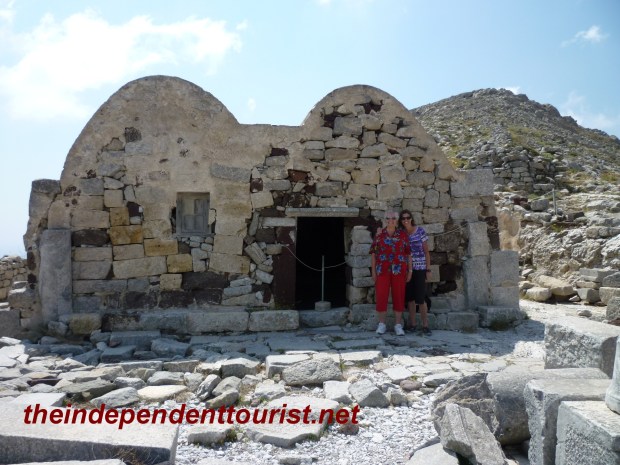
Ancient Thira_Santorini_Greece (2)

Agios Stefanos Church – 8th/9th century.

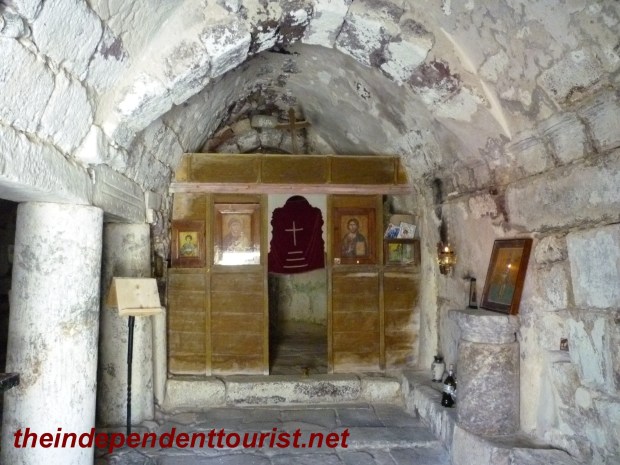
Ancient Thira_Santorini_Greece (3)

Interior of Agios Stefanos.

After paying the entry fee and prior to reaching the ancient Greek site, there is the little Church of St. Stephen (Agios Stefanos), off the right side of the trail.  The current little church dates from 8th or 9th century A.D., and is built out of the ruins of a 6th century church on the same spot.  Construction in the 8th and 9th century was rough and done quickly, during the tumultuous era of Arab invasions.

Ancient Thira_Santorini_Greece (6)

Hiking up to Ancient Thera.

Ancient Thera, was first settled by people from Sparta, and was named for their leader, Theras.

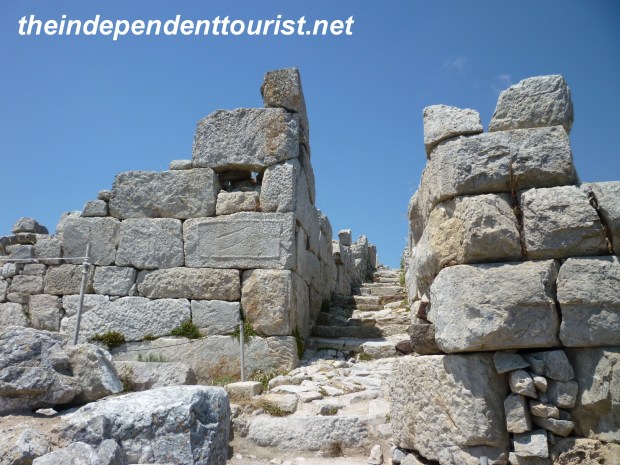
It was a Greek city-state founded in the 8thcentury B.C. The city occupied a strategic and fortified position overlooking much of the eastern coast of Santorini, and had cultivatable lands nearby below the city.  Ancient Thera was a large, highly developed city, and consisted of open air sanctuaries, temples, public buildings, a theater, shops, residences, a sophisticate road network, cisterns, and sewage system.  Residences in the city were for the more wealthy people.

Ancient Thira_Santorini_Greece (13)

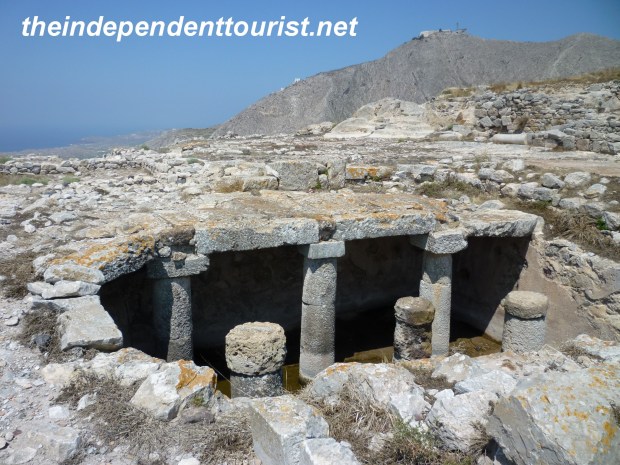
Cistern in Ancient Thera.

Most homes were two levels, using local volcanic rock (some of it red stone), and most homes had cisterns below to collect rain water. Most homes had decorative plaster inside and mosaic floors were common (some remnants remain). Thera was a naval base during the Ptolemy monarchs of Egypt (who eventually came under Roman rule), and most of the ruins date from 3rd and 4th centuries B.C.  Beginning in the 3rd century A.D., the city began to decline, but was still inhabited as late as the 8thcentury A.D.  It was eventually excavated in 1896.

Ancient Thira_Santorini_Greece (21)

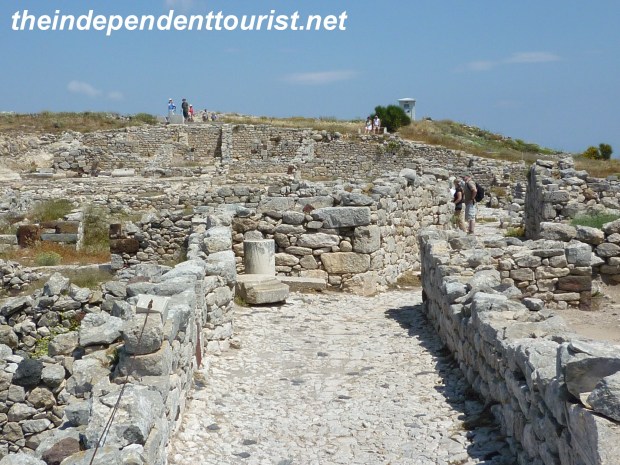
Street corner in Ancient Thera.

Ancient Thira_Santorini_Greece (14)

Street in Ancient Thera.

Kamari_Santorini_Greece (3)

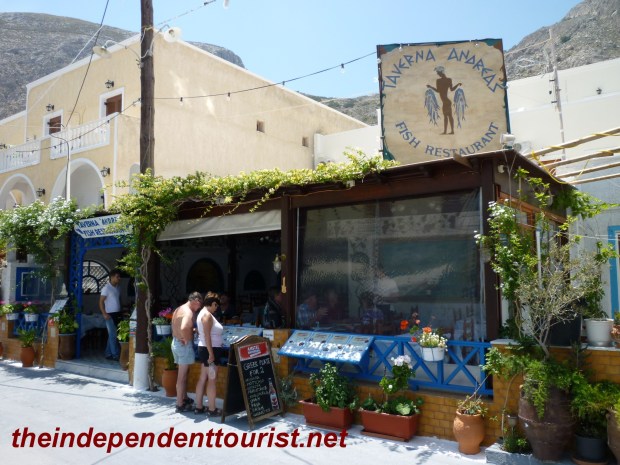
Taverna Andreas in Kamari.

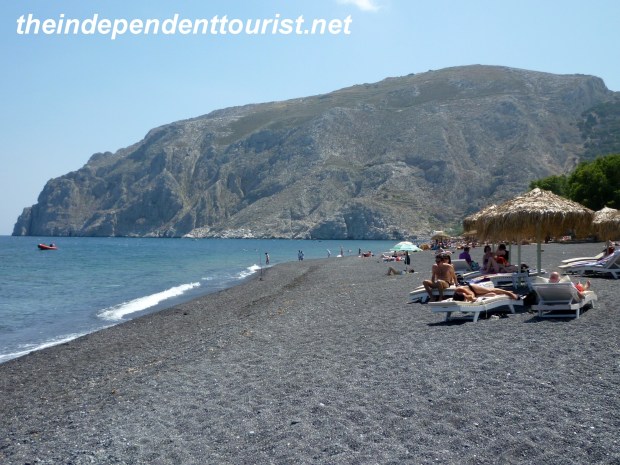
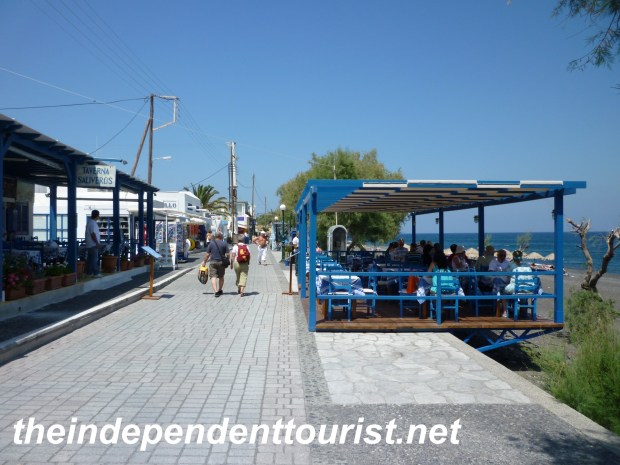
After touring Ancient Thera, we ate lunch in Kamári, at an excellent restaurant (Taverna Andreas). We then walked out on the “boardwalk” by the beach.  It’s lined with small shops and restaurants, but compared with Fira, it’s very quiet and laid-back. The beach is well-maintained—clean with lots of sun chairs, shade and services. Since the beach is mainly small black pebbles, it can get hot in the summer sun (not bad in late May). The view of Mésa Vounó from the beach is dramatic.

Kamari_Santorini_Greece (5)

Beach at Kamari – Mesa Vouno in distance.

The town of Perissa is south of Mésa Vounó, and also has a black sand beach and tourist services.

Be forewarned that the bus (which runs about every hour) does not look kindly on those with wet swimsuits climbing onboard and getting the cloth seats wet!  Either change before boarding, or ensure you are dry, or plan to stand for the 15-20 minute trip back to Fira.

Kamari_Santorini_Greece (4)

The boardwalk – Kamari beach.

Kamari_Santorini_Greece

Another view of the black sand beach of Kamari.

Reference:  Informational sign posts in Ancient Thera.